How to Build a Destination Wedding Photography Portfolio
July 23, 2026
Learn how to build a destination wedding photography portfolio that attracts luxury clients through second shooting, styled shoots, curated galleries, location expertise, and strategic marketing. Discover proven techniques to create a portfolio that stands out and wins destination wedding bookings.
Building a destination wedding photography portfolio means creating a curated, consistent collection of images that convince clients you can deliver beautiful, location-specific weddings anywhere in the world. The fastest path there combines four core strategies: assisting established destination photographers, producing styled shoots, offering discounted shoots for friends and family, and ruthlessly curating every image you publish.
Here’s the blueprint:
Define your niche. Pick one or two destinations you want to own. Deep location knowledge turns you into a trusted local guide, not just another photographer.
Second shoot with pros. Get real event experience before you book your own clients.
Plan styled shoots. Create portfolio-quality images on your own timeline with local vendors.
Offer discounted shoots. Friends and family planning destination weddings are your first real clients.
Curate hard. Aim for a curated set of images that show technical excellence and a consistent visual narrative. Cut everything else.
How do you assist and second shoot with established destination wedding photographers?
Assisting an experienced destination wedding photographer is the single fastest way to build real portfolio content, as showcased by wedding photography experts who emphasize technical and artistic quality. You get access to genuine wedding environments, location-specific lighting challenges, and vendor relationships you could never manufacture in a styled shoot.
Finding these opportunities takes directness. Research photographers whose work you admire, study their style, and reach out with a specific, professional pitch. Offer to assist or second shoot at no cost in exchange for the experience. Many established photographers welcome reliable help, especially at multi-day destination events where a second pair of eyes is genuinely useful.
Learn location logistics. Every destination has quirks: midday Santorini light is brutal, Tuscany’s golden hour arrives late in summer, and tropical venues often deal with unpredictable rain. Assisting teaches you these realities firsthand.
Build vendor relationships. Planners and florists remember the second shooter who was professional and easy to work with. Those connections become referrals.
Observe client dynamics. Watching how a lead photographer manages nervous couples and tight schedules is education you cannot get from YouTube.
Collect selects with permission. Always ask the lead photographer upfront whether you may use any images for your portfolio. Get it in writing.
Pro Tip:Show up early, stay late, and never complain about travel delays or difficult conditions. Destination wedding photographers talk to each other, and your reputation for being low-maintenance travels faster than your portfolio does.
How to plan and execute styled destination wedding shoots
A styled shoot is your chance to photograph exactly the wedding you want to be hired for. Think of it as a self-funded advertisement for your future work, not a personal creative project. That mindset shift changes every decision you make.
Start with a professional mood board built around 10–15 reference images that lock in your lighting direction, color palette, and overall mood. Vague creative briefs waste everyone’s time. When collaborators know precisely what you’re going for, the final images hold together as a cohesive set rather than a collection of pretty moments.
Partner with local vendors. A planner, florist, and stylist who know the destination add authenticity that props and rental furniture cannot replicate. Their networks also amplify your reach when the images go live.
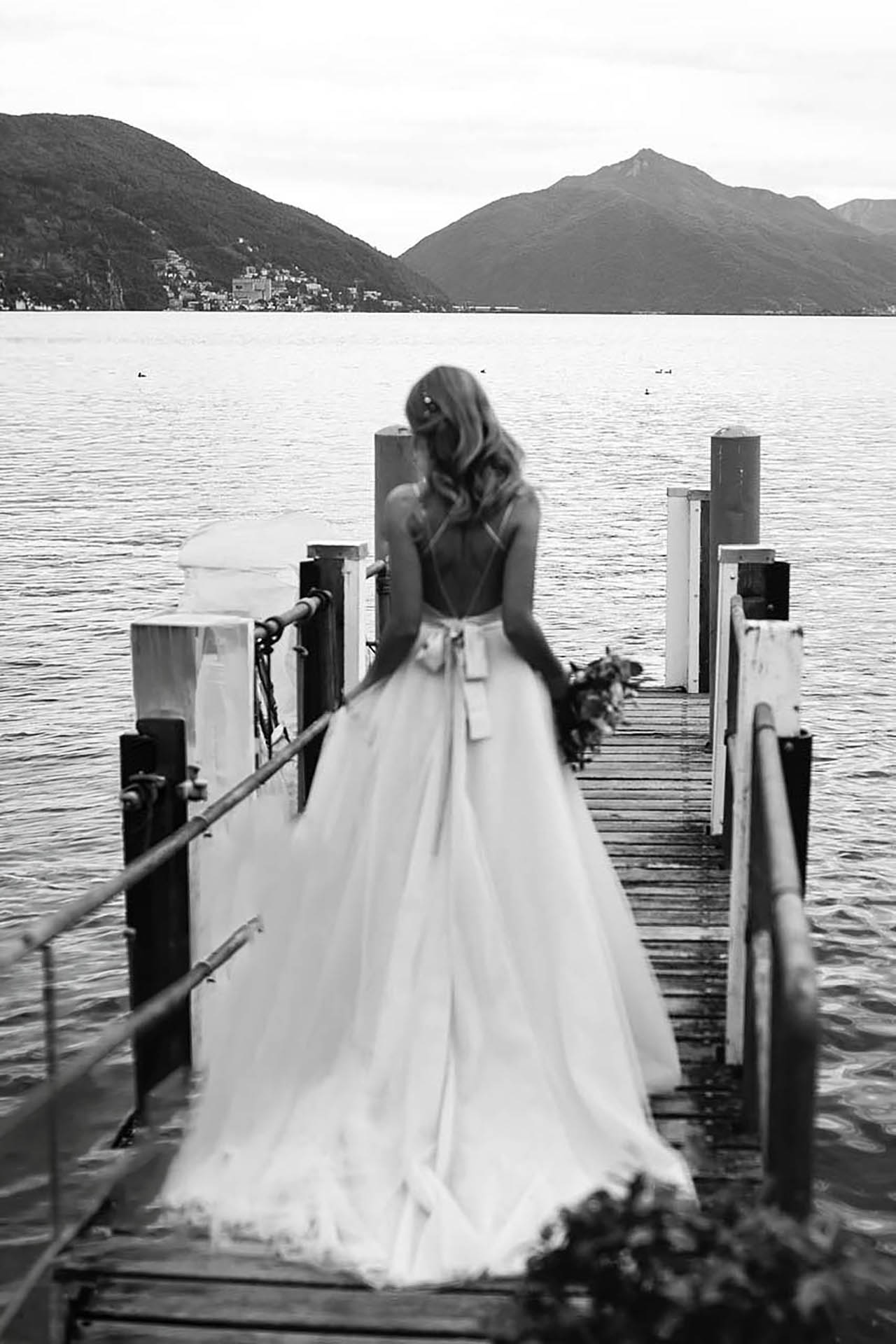
Choose locations with intention. An iconic venue signals destination expertise immediately. A hidden courtyard or cliffside terrace that locals know but tourists don’t can set your work apart even more.
Shoot during golden hour. The warm, directional light of the hour after sunrise or before sunset flatters every subject and gives images a cinematic quality that midday light simply cannot produce.
Keep the editorial story tight. Every frame should feel like it belongs to the same world. If an image doesn’t reinforce the mood board, it doesn’t make the final cut.
Pro Tip:Submit your styled shoot to wedding publications like Junebug Weddings or Green Wedding Shoes. A feature gives your images a third-party credibility stamp and puts your work in front of couples who are actively planning.
Using discounted shoots for friends and family to grow your portfolio
Bootstrapping destination experience through personal investment or discounted shoots is a proven strategy among photographers who are just starting out. If a friend is planning a wedding in Positano or a family member is eloping in the Scottish Highlands, that’s a real opportunity, not a consolation prize.
Approach these conversations honestly. Be transparent about where you are in your career, and frame the discount as a mutual exchange: they get beautiful photography at a reduced rate, and you get real wedding experience in a destination context. Couples who feel respected and informed become your most enthusiastic referrers.
Cover travel logistics thoughtfully. Help clients find cost-effective solutions for accommodation and transport so your travel costs don’t become a point of friction. A photographer who makes logistics easy is one couples recommend.
Treat it like a full client booking. Use a contract, deliver a full gallery, and communicate with the same professionalism you’d bring to a $10,000 booking. The habits you build now define your brand later.
Capture real wedding dynamics. Genuine emotion, chaotic timelines, and imperfect light are exactly what destination wedding clients want to see. Styled shoots can’t replicate the energy of an actual wedding day.
Ask for testimonials immediately after delivery. Fresh impressions produce the most specific, useful reviews. A testimonial that names the location and describes your working style is worth far more than a generic five-star rating.
How do you curate a destination wedding portfolio that wins bookings?
Your portfolio is a sales tool, not an archive. Every image you publish is a promise to future clients about what hiring you will look like. That means cutting anything that doesn’t reinforce the specific destination wedding niche you want to own, even if the shot is technically strong.
Aim for a curated selection of 15–30 images, enough to demonstrate range and consistency without diluting the impact of your strongest work. Consistency in color grading, lighting, and production quality matters more than showing variety across genres. Clients want to predict what they’ll receive, and a portfolio where every image feels like it belongs to the same visual world gives them that confidence.
Showcase location expertise deliberately. Images that highlight a specific venue’s architecture, a coastline’s light, or a forest’s texture tell clients you understand that destination at a deep level. Claiming expertise in one or two specific locations builds client trust faster than presenting a generic “worldwide” portfolio. Keep different photography niches in separate galleries so destination wedding clients aren’t confused by portraits or commercial work mixed in.
A professional portfolio website should load fast, look clean on mobile, and make it easy for couples to contact you. Platforms like Squarespace and Format offer photographer-specific templates that handle the technical side without requiring a developer.
How to market your portfolio to destination wedding clients and agencies
Getting your portfolio in front of the right people requires more than a beautiful website. Destination wedding planners and agencies are the gatekeepers to high-value bookings, and building genuine relationships with them is more effective than any paid ad campaign.
Submit your work to destination wedding directories and publications. Being listed on platforms like Junebug Weddings or featured in a regional wedding blog puts your name in front of couples who are already searching for photographers in specific locations. Agencies that specialize in luxury destination weddings often maintain preferred vendor lists, and getting on one requires a direct introduction, a strong portfolio, and a track record of professionalism.
Attend industry events like WPPI (Wedding and Portrait Photographers International) or regional wedding expos where planners and vendors gather. A face-to-face conversation with a planner who books 30 destination weddings a year is worth more than months of cold email outreach. Follow up with a personalized note and a link to your most relevant portfolio work.
What legal and travel logistics do destination photographers need to know?
Destination shoots come with real logistical and legal responsibilities that catch unprepared photographers off guard. Sorting these out before you travel protects both you and your clients.
Every destination has different rules around commercial photography. Some venues and national parks in countries like Italy, France, and Mexico require permits for professional shoots, and shooting without one can result in fines or having your equipment confiscated. Research permit requirements for each location well in advance, and build permit costs into your pricing.
Travel insurance that covers professional equipment is non-negotiable. Camera bodies, lenses, and lighting gear represent a significant investment, and standard travel policies rarely cover professional equipment. Look for policies specifically designed for working photographers. Your contract should also address what happens if travel disruptions prevent you from reaching the venue, including a clear cancellation and rebooking policy.
Understand customs regulations for bringing equipment across international borders. Carnets (temporary import documents) are the standard tool for moving professional gear internationally without paying import duties. The U.S. Council for International Business issues ATA Carnets, which are accepted in over 80 countries.
How social media and online platforms help you showcase destination work
Instagram and Pinterest remain the most powerful discovery platforms for destination wedding photography. Couples planning weddings in specific locations search location-specific hashtags and geotags, which means tagging your images with the venue name, city, and country puts your work directly in front of your ideal clients.
Consistency on social media mirrors the consistency in your portfolio. Post images that reflect the same visual style and color palette you’ve curated for your website. A grid that looks cohesive at a glance communicates professionalism before a couple even clicks through to your profile. Pre-wedding storytelling content, like engagement sessions at destination locations, performs especially well because it shows your ability to capture intimate moments in real places.
Pinterest works differently from Instagram. Images there have a much longer shelf life and drive consistent search traffic over months or years. Create boards organized by destination, like “Amalfi Coast Wedding Photography” or “Tuscany Elopement,” and pin your strongest images with detailed, searchable descriptions. Couples in the early planning stages often discover photographers through Pinterest long before they start sending inquiries.
Key Takeaways
Building a destination wedding photography portfolio requires a deliberate combination of real experience, curated imagery, and location-specific expertise that convinces clients you’re the right photographer for their wedding abroad.
Point
Details
Curate to 15–30 images
A portfolio of 15–30 consistent images shows technical range without diluting your strongest work.
Assist before you lead
Second shooting with established photographers builds real-event experience and vendor relationships faster than any other method.
Styled shoots need mood boards
Use 10–15 reference images to align collaborators and produce cohesive, market-ready destination content.
Own a specific destination
Deep expertise in one or two locations builds client trust faster than a generic worldwide portfolio.
Legal prep protects you
Research permits, carry equipment insurance, and use ATA Carnets when traveling internationally with professional gear.
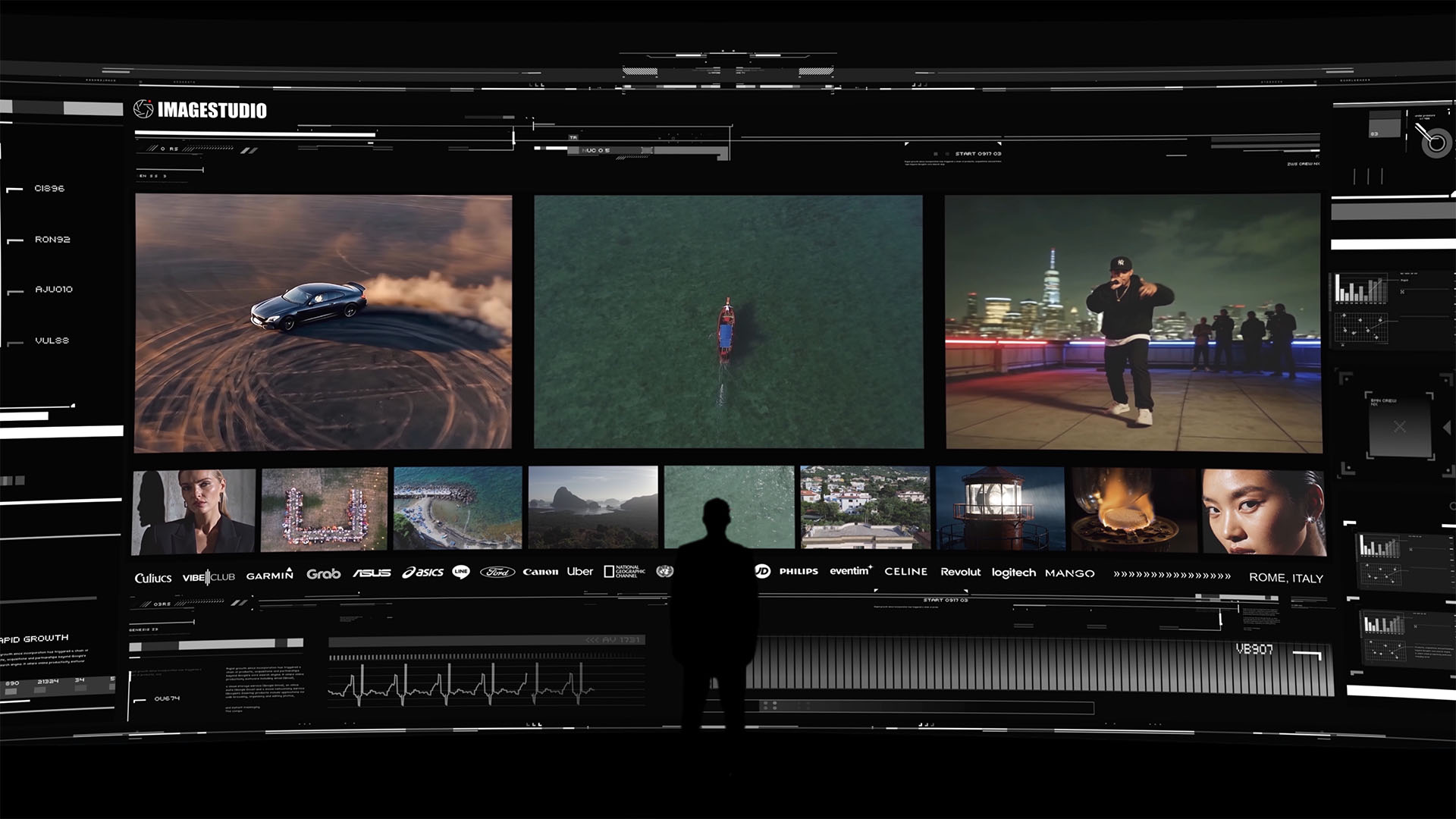
A high-end cinematic portfolio experience by Image Studio featuring automotive visuals, aerial cinematography, urban storytelling, and premium brand collaborations.
Imagestudio has spent over 14 years producing cinematic visual stories across the world’s most compelling locations. If you’re ready to take your photography and production to the next level, Imagestudio’s team brings the creative direction and technical depth that destination work demands.