Cinematic Campaign Production Benefits for Marketers
June 24, 2026
Cinematic campaign production combines film-grade storytelling, emotional engagement, and strategic visual design to increase brand recall, improve audience retention, strengthen long-term brand equity, and drive measurable marketing performance.
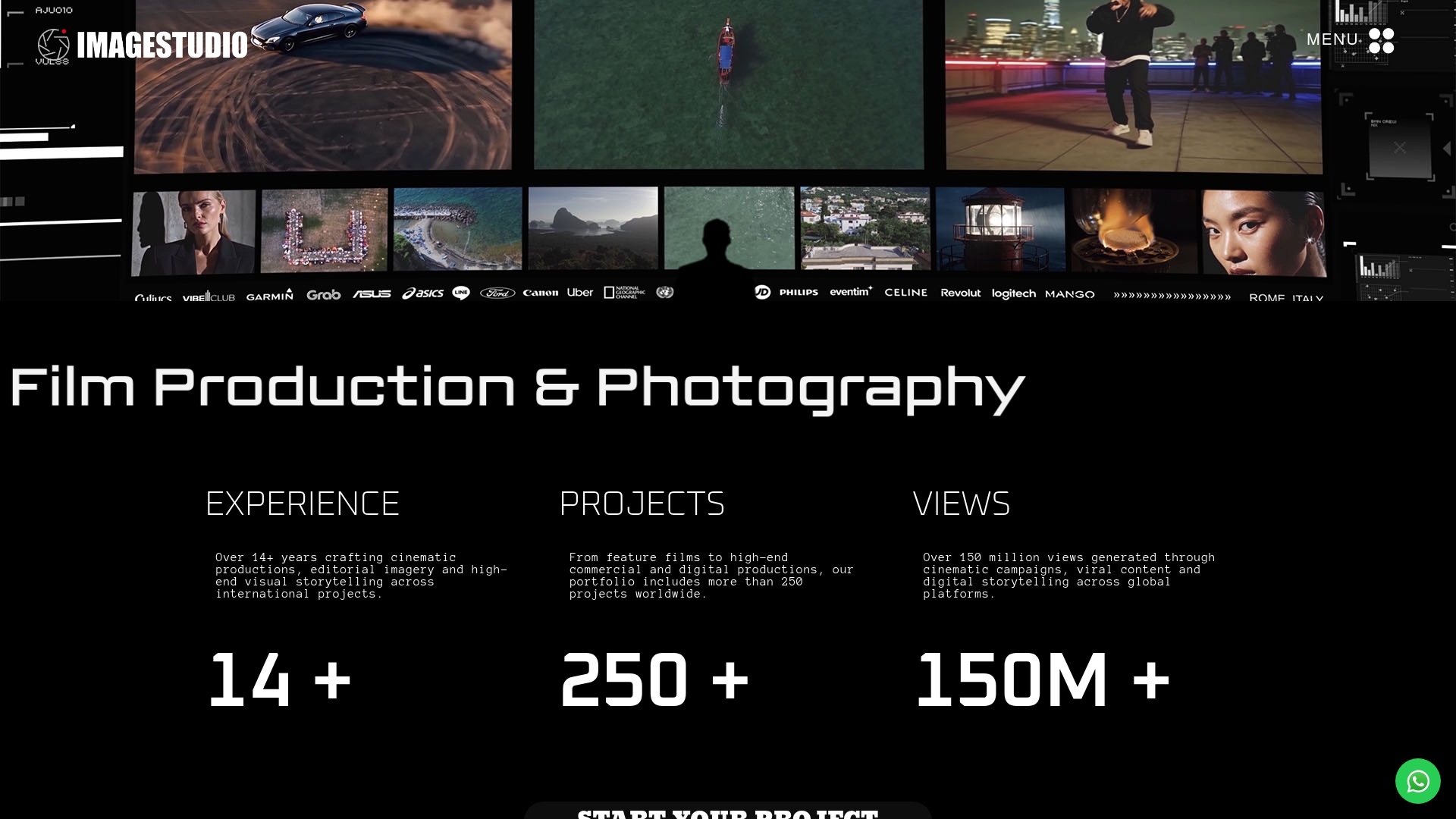
Cinematic campaign production is defined as the practice of applying film-grade storytelling, visual design, and emotional pacing to brand advertising. The cinematic campaign production benefits go far beyond aesthetics. Brands that adopt this approach see measurable gains in audience attention, brand recall, and long-term sales. Research confirms that viewers retain 95% of video content versus just 10% for text. Studios like Imagestudio, with 250+ projects and over 150 million views, have built entire methodologies around this principle.
1. What are the key benefits of cinematic production for marketing campaigns?
Cinematic production delivers advantages that standard advertising simply cannot match. The core gains fall across emotional engagement, attention quality, and brand longevity.
Emotional depth: Cinematic storytelling creates emotional resonance that product-feature ads cannot replicate. Audiences connect with characters and narratives, not specifications.
Higher retention: Video message retention reaches 95% compared to 10% for text-based content. That gap directly affects how well your brand message sticks.
Multi-year sales impact: A single video ad exposure can lift sales by 1%–5% over the following three years. This makes cinematic assets long-term brand investments, not one-off campaign costs.
Landing page conversion lift: Lightbox modal video placement lifted conversion rates from 6.5% to 13%. Placement strategy matters as much as production quality.
Brand recall: Narrative immersion keeps your brand in memory longer than a static banner or a talking-head testimonial ever could.
Pro Tip:Test your cinematic video in a lightbox modal format before embedding it inline. The conversion data consistently favors the modal placement.
The advantages of cinematic production compound over time. A well-crafted film asset can serve prospecting campaigns, retargeting sequences, and brand awareness pushes across multiple years without losing relevance.
2. How does cinematic storytelling differ from traditional video marketing?
Traditional video marketing pushes a product. Cinematic storytelling pulls the audience into a world. That distinction changes everything about how viewers respond.
A standard product ad lists features, shows the item, and ends with a call to action. A cinematic brand film opens with a character, builds tension, and resolves with an emotional payoff that the brand facilitates. The viewer is not sold to. They are invited in. This shift from selling to storytelling is the core of what makes cinematic marketing effects so durable.
Pacing is another major differentiator. Shorter scenes increase attentional synchrony, meaning more viewers are paying attention at the same moment. Traditional ads often hold shots too long, losing viewers before the message lands. Cinematic editors build rhythm deliberately, cutting before attention drops.
Visual complexity also separates the two approaches. Traditional ads frequently crowd the frame with text overlays, logos, and product shots. Cinematic production favors visual simplicity, which improves focus and narrative immersion. The audience’s eye knows where to go, and the brand message travels with it.
Narrative-first structure: The story comes before the product. The brand earns its place in the narrative.
Emotional rhythm: Scenes are paced to match natural attention cycles, not just to fit a time slot.
Visual restraint: Fewer elements on screen means more cognitive bandwidth for the message.
Character-driven arcs: Viewers follow people, not products. This creates identification and empathy.
Tonal consistency: Every frame reinforces the same emotional register, building a coherent brand feeling.
The benefits of video storytelling show up most clearly when you compare aided recall scores between narrative-driven and feature-driven ads. Narrative wins consistently because memory is emotion-dependent.
3. What production techniques maximize cinematic campaign effectiveness?
The most effective cinematic campaigns are built around attention science, not just visual taste. Specific technical choices determine whether a viewer stays engaged or scrolls away.
Scene duration is the most underrated variable. Every additional second of scene duration decreases attentional synchrony by approximately 5%. Shorter cuts keep more viewers locked in simultaneously. This is not about making everything feel like a music video. It is about cutting before attention drifts, then re-engaging with a fresh visual.
Visual complexity control works alongside scene duration. Simpler frames improve attentional focus. When a shot contains too many competing elements, the brain divides its attention and the brand message weakens. Imagestudio’s approach to cinematic brand films consistently applies this principle, favoring clean compositions over busy product showcases.
Technique
Effect on viewer
Practical application
Shorter scene cuts
Increases attentional synchrony by ~5% per second saved
Cut scenes before the 3-second mark when possible
Lower visual complexity
Improves narrative focus
Limit on-screen text and competing graphic elements
Positive emotional tone
Correlates with stronger sales performance
End scenes on warmth, resolution, or humor
Lightbox video placement
Doubles landing page conversion rates
Test modal over inline embedding on key pages
Emotional tone is where many brands stumble. Emotional engagement in ads has increased 47%, but positive emotional reactions have decreased 22%. High emotional intensity without positive valence hurts sales. The goal is not to make viewers feel something intense. The goal is to make them feel something good.
Pro Tip:Build your edit around attention windows, not hero moments. A single powerful scene at the end means nothing if viewers dropped off at the 8-second mark.
Shorter ads win on raw attention, while slightly longer formats produce deeper emotional involvement. The sweet spot depends on your campaign goal. Prospecting calls for shorter, attention-grabbing cuts. Retargeting can support longer, emotionally richer narratives.
4. How to measure and maximize ROI from cinematic marketing videos?
ROI measurement for cinematic video fails when marketers apply short-term metrics to long-term assets. The right framework tracks brand growth over years, not just clicks over days.
Start with KPIs that reflect the actual value of cinematic production. Aided recall, brand equity scores, and view-through rates tell you whether the narrative is landing. Click-through rates and immediate conversions tell you almost nothing about a film’s long-term brand contribution. Positioning cinematic assets as multi-year brand inputs changes how you set expectations internally and how you allocate budget.
Aided recall: Survey brand awareness before and after campaign exposure to measure narrative retention.
View-through rate: Tracks how many viewers watched past the 50% and 75% marks, signaling genuine engagement.
Brand equity signals: Monitor search volume, social sentiment, and unprompted brand mentions over a 6–12 month window.
Landing page conversion: Test video placement formats. Lightbox modals outperform inline embedding in conversion data.
Budget split: Prospecting budgets should account for 60%–70% of ad spend, with cinematic storytelling assets leading that investment.
Traffic volume matters for payback timelines. A cinematic video placed on a low-traffic landing page will not generate enough exposure to justify a high production budget. Match your production investment to the audience size that will actually see it. Imagestudio’s social media video production work accounts for this by aligning production scope with distribution strategy from the start.
The Dentsu research on video brand-building benefits makes a strong case that most brands underinvest in video precisely because they measure it wrong. When you track brand equity over three years instead of conversions over three days, the ROI picture changes dramatically.
Luxury Mediterranean villa with cinematic sunset atmosphere, infinity pool and elegant destination venue aesthetics.
Key takeaways
Cinematic campaign production delivers the strongest brand results when storytelling, visual simplicity, positive emotional tone, and long-term KPI frameworks work together.
Point
Details
Retention advantage
Viewers retain 95% of video content versus 10% for text, making video the superior brand message carrier.
Long-term sales lift
A single video ad exposure can increase sales by 1%–5% over three years, not just in the short term.
Scene length matters
Every extra second of scene duration reduces attentional synchrony by ~5%, so shorter cuts hold more viewers.
Positive emotion drives sales
High emotional intensity without positive valence hurts performance; warmth and resolution outperform drama.
Match budget to traffic
Align production investment with actual audience reach to achieve a realistic payback timeline.
Why I think most brands are measuring cinematic video all wrong
Brands consistently undervalue cinematic production because they judge it by the wrong scoreboard. A 30-second brand film gets compared to a direct-response ad on cost-per-click, and the film loses every time. That comparison is like judging a restaurant by how fast it serves food rather than whether people come back.
The real value of cinematic marketing effects shows up in brand equity, aided recall, and the kind of word-of-mouth that no paid ad can buy. I have seen brands run a single well-crafted film asset for two years and watch it outperform a dozen short-term campaigns combined. The emotional resonance in cinematic ads tied to positive brand associations is what drives that durability.
The editing choices matter more than most marketers realize. Attention is not a passive state. It is actively won and lost, cut by cut. Brands that work with production teams who understand scene pacing and visual complexity get more from their budgets because the edit itself is doing strategic work.
My honest recommendation: stop treating cinematic video as a one-campaign asset. Build it as a platform. Test it across placements, formats, and audience segments. Track brand signals over months, not days. The brands that do this consistently are the ones that build lasting recognition, not just temporary spikes.
— Image Studio
How Imagestudio brings cinematic production to brand campaigns
Imagestudio has spent 14 years producing cinematic content that earns attention and builds brand equity. With 250+ projects, over 150 million views, and collaborations with clients like National Geographic, the studio brings both the creative depth and technical discipline that cinematic marketing demands.
Every project at Imagestudio starts with the story, not the shot list. The team applies attention science, emotional pacing, and visual restraint to create film-grade brand campaigns that work across digital platforms and hold their value for years. Whether you need a commercial brand film, a social-first cinematic series, or a full production for a major campaign, Imagestudio builds assets designed to grow your brand over the long term. Reach out to discuss your next campaign.
FAQ
What are the main cinematic campaign production benefits?
Cinematic campaign production increases brand recall, emotional engagement, and long-term sales impact. Research shows a single video exposure can lift sales by 1%–5% over three years.
How does video improve landing page conversion rates?
Lightbox modal video placement has been shown to lift landing page conversion from 6.5% to 13%. Placement format matters as much as video quality.
Why does scene length affect viewer attention?
Every additional second of scene duration decreases attentional synchrony by approximately 5%. Shorter cuts keep more viewers engaged at the same moment.
How should marketers measure cinematic video ROI?
Track aided recall, brand equity scores, and view-through rates over a 6–12 month window rather than short-term clicks. Cinematic assets are multi-year brand investments.
What emotional tone works best in cinematic ads?
Positive emotional expressions correlate more strongly with sales performance than high-intensity negative emotions. Warmth, resolution, and humor outperform dramatic tension for brand results.