
Cinematic Wedding Video Benefits for Couples
← Back to Editorial
← Back to Editorial
Cinematic Wedding Video Benefits for Couples
June 12, 2026
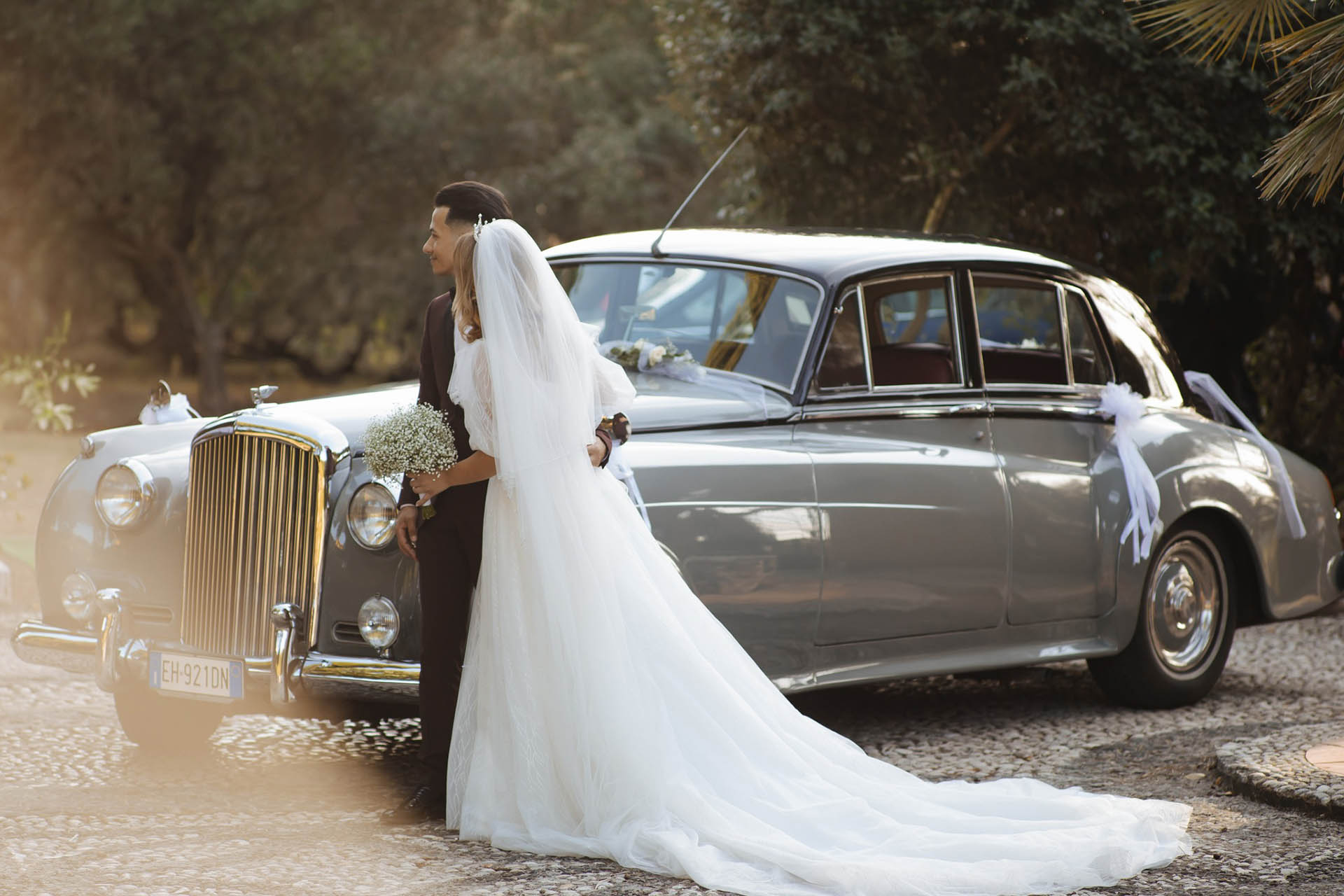
A cinematic wedding video is defined as a professionally crafted film that uses narrative structure, deliberate cinematography, and layered sound design to tell your love story rather than simply document your day. The cinematic wedding video benefits go far beyond pretty footage. You get crystal-clear audio of your vows, emotionally paced editing, and a film you will genuinely want to rewatch for decades. Couples who invest in professional wedding videography are choosing a living record of their wedding day, one that captures motion, voice, and atmosphere in ways that photographs simply cannot. Imagestudio has spent over 14 years crafting films that do exactly this.
1. Cinematic wedding video benefits start with emotional storytelling
Cinematic wedding videography, the recognized industry term for this approach, transforms hours of raw footage into a personal film with a beginning, middle, and end. Blue Moon Video Productions describes this as using narrative arcs, professional lighting, composition, and authentic audio to create something timeless. The result is not a highlight reel. It is a film that carries emotional weight every time you press play.
Photos freeze a single frame. A cinematic film captures the tremor in your partner’s voice, the laughter that rippled through the room during the best man’s speech, and the way the light fell across the dance floor at golden hour. These are the details memory fades on first, and the details a well-crafted film preserves forever. Wedding video storytelling at this level is the difference between a keepsake and a treasure.
- Authentic emotion captured in real time: Genuine tears, spontaneous laughter, and unscripted moments are preserved with professional sound design.
- Deliberate camera work: Composition and movement are planned to mirror the emotional arc of your day.
- Narrative editing: Music selection, pacing, and scene sequencing create a film that feels cohesive and personal.
Pro Tip: Ask your filmmaker to share a sample film before booking. Pay attention to how the edit flows emotionally, not just how beautiful the visuals look.
2. Audio quality is the most important cinematic wedding film benefit
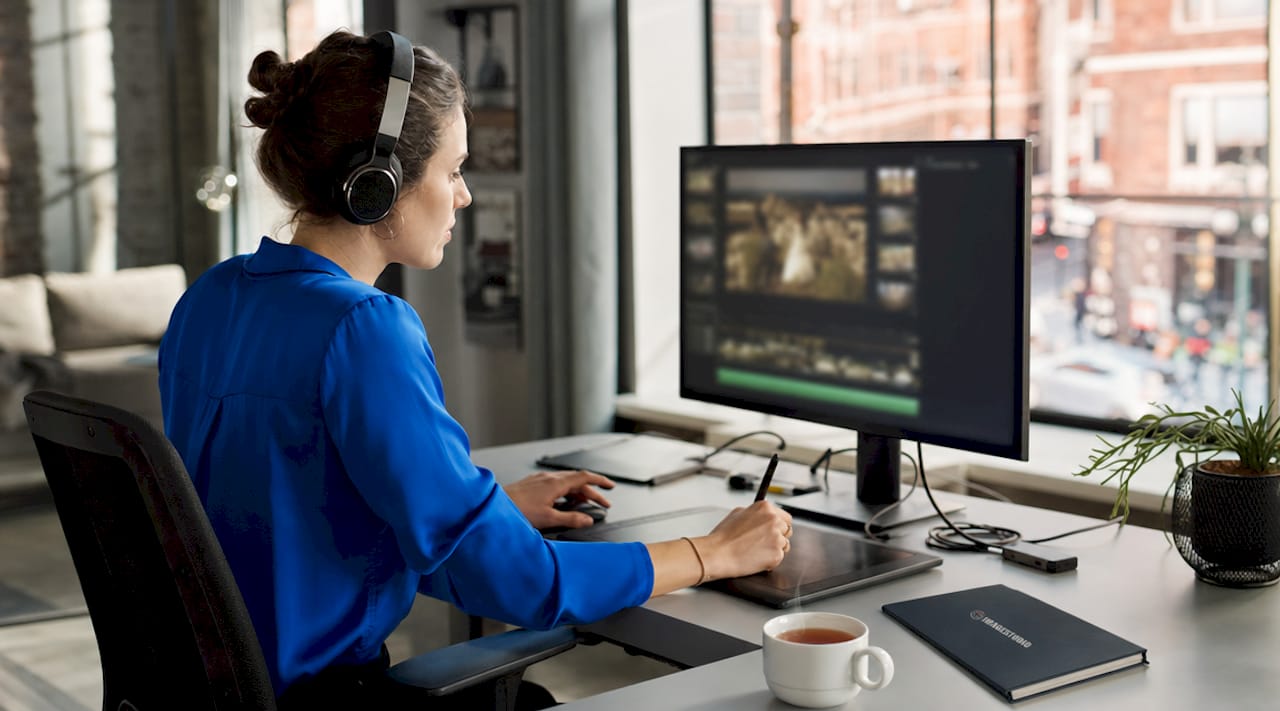
Audio is the true emotional channel in any wedding film. Visual beauty alone cannot compensate for muffled vows or inaudible toasts. Research from OurStoria confirms this in striking terms: films with excellent audio quality were rewatched 24.1 times over three years compared to just 4.8 times for films with poor audio. Completion rates followed the same pattern, at 84% versus 41%. That gap is not about aesthetics. It is about whether the film actually moves you.
The same research found that high audio with lower video quality outperforms high video with poor audio on emotional impact (5.7 vs 3.8 out of 10) and hiring intent (5.1 vs 2.8). This means your filmmaker’s microphone setup matters more than their camera body. Wireless lavalier microphones on the officiant and groom, a backup recorder on the altar, and advance coordination with your venue’s AV team are non-negotiable for a film you will actually love.
| Audio scenario | Emotional impact score | Rewatch rate (3 years) |
|---|---|---|
| High audio quality | 5.7 / 10 | 24.1 times |
| Low audio quality | 3.8 / 10 | 4.8 times |
| Excellent audio, completion rate | 84% | High satisfaction |
| Poor audio, completion rate | 41% | Low satisfaction |
Pro Tip: Before your wedding day, confirm with your venue whether your filmmaker can tap into the house sound system. This single step can save your vow audio from being lost to ambient noise.
3. How cinematic videos differ from traditional wedding videos
Traditional wedding videos follow a chronological, documentary approach. They record events as they happen, from start to finish, with minimal post-production shaping. Cinematic wedding films, by contrast, are built around an emotional arc. Labif FilmHouse notes that wireless microphones, careful music licensing, natural sound layers, and cinematic lighting are what bring these stories alive. The technical investment is higher, and the emotional payoff reflects that.
Multi-angle coverage is another defining feature. Second shooter wedding video benefits include capturing parallel moments a single camera will always miss: your partner’s face as you walk down the aisle, the reaction of your parents in the front row, the flower girl losing interest halfway through. A single videographer, no matter how skilled, cannot be in two places at once. A second shooter preserves narrative continuity and emotional depth across the entire day.
| Feature | Cinematic wedding film | Traditional wedding video |
|---|---|---|
| Structure | Narrative arc with emotional pacing | Chronological documentation |
| Audio approach | Wireless mics, layered sound design | Built-in or single mic |
| Camera coverage | Multi-angle, second shooter | Single camera |
| Editing style | Music-driven, scene-selected | Full event, minimal cuts |
| Emotional engagement | High, rewatch-worthy | Functional record |
4. The long-term value of a cinematic wedding film
One Story Weddings describes cinematic wedding films as a high-yield asset that grows 20x per decade compared to consumable wedding expenses. Flowers wilt. Catering is forgotten. A film that captures your grandmother’s toast or your father’s face during the first dance becomes more valuable every year, not less. This is the core argument for professional wedding videography over any other discretionary wedding spend.
The long-term case for cinematic films rests on three pillars:
- Memory fidelity: Human memory degrades. A film preserves the exact words, sounds, and atmosphere of your day with perfect accuracy.
- Atmospheric wealth: The way a room smelled or felt cannot be photographed. Motion and ambient sound bring that atmosphere back in a way that a still image never can.
- Generational legacy: Your children and grandchildren will watch this film. They will hear your voices, see how you looked at each other, and understand your story in a way no photo album can convey.
The contrast with other wedding expenses is worth sitting with. A floral arrangement costs thousands and lasts a weekend. A cinematic film costs a similar amount and lasts a lifetime. Framed that way, the wedding videography investment is one of the clearest value decisions in your entire wedding budget.
5. Why the first viewing experience shapes everything
The moment you first watch your wedding film is itself a memory. OurStoria research shows that 73% of couples form a vivid memory of their first viewing, and couples who watch together at home in a planned setting score their satisfaction at 9.2 out of 10. That number drops sharply when the first viewing happens on a phone screen in a waiting room or via a clunky download link. The delivery experience is part of the cinematic benefit.
The psychology behind this is dual memory activation. You are simultaneously reliving the day from your own perspective and watching it as an observer for the first time. That combination is neurologically powerful, and the environment you are in when it happens shapes how the film registers emotionally. Friction kills the moment. Research confirms that branded gallery links with an average 8-second time to play score 9.1 out of 10 on satisfaction, far ahead of download-based delivery methods.
Here is how to protect your first viewing experience:
- Plan it intentionally. Set a date with your partner, pour a drink, and watch it on the largest screen you have.
- Avoid spoilers. Ask your filmmaker not to send preview clips before the full film is ready.
- Choose a filmmaker who delivers via streaming. Instant playback removes friction and keeps the emotional momentum intact.
6. How cinematic editing turns footage into a film
Cinematic editing transforms hours of raw event footage into an emotionally paced film through music selection, sound design, and narrative rhythm. This is where the advantages of cinematic wedding videos become most visible. A skilled editor does not just cut out the boring parts. They build tension, release it, and guide you through an emotional journey that mirrors how the day actually felt.
The signature cinematic effect comes from combining emotional visuals with a layered sound track: your voices, ambient sound from the venue, and a carefully licensed music score that supports rather than overwhelms the story. Off-camera narration techniques and voiceover from vows or speeches are often woven into the edit to give the film a personal, intimate quality that purely visual footage cannot achieve. This is the craft that separates a wedding film from wedding footage.
Pro Tip: When reviewing filmmaker portfolios, mute the video and listen to the audio track alone. If the sound design still moves you without the visuals, you have found a filmmaker who understands the craft.
7. What to look for when choosing a cinematic wedding videographer
Choosing the right filmmaker is the single biggest variable in your cinematic wedding film experience. A great camera in the wrong hands produces beautiful but emotionally empty footage. Look for a filmmaker who can articulate their storytelling approach, not just show you pretty shots. Ask how they handle audio capture, whether they work with a second shooter, and what their delivery timeline and platform look like.
Review at least three full films, not just highlight reels. A highlight reel is a marketing tool. A full film shows you how a filmmaker handles pacing, quiet moments, and the emotional arc of an entire day. Check whether the wedding film director takes a directorial approach to the day or simply follows events as they unfold. The former produces a film. The latter produces footage.
Experience and specialization matter too. A filmmaker who has shot 50 weddings in varied venues and lighting conditions will handle your day with a confidence that shows in the final film. Imagestudio brings over 14 years of high-end film production to every project, with a portfolio that spans 250+ productions and more than 150 million views globally.
Key takeaways
Cinematic wedding films deliver emotional depth, audio clarity, and lasting value that no other wedding asset can match.
| Point | Details |
|---|---|
| Audio quality is decisive | Films with excellent audio are rewatched 24.1 times vs 4.8 times for poor audio over three years. |
| Storytelling beats documentation | Narrative editing and emotional pacing create a film worth rewatching, not just a record of events. |
| First viewing shapes satisfaction | Planned, together-at-home viewings score 9.2/10 satisfaction; delivery platform and environment matter. |
| Long-term value is real | Cinematic films grow in emotional value over decades, unlike consumable wedding expenses. |
| Second shooters add depth | Multi-angle coverage captures parallel moments and emotional reactions a single camera always misses. |
Why I think most couples underestimate the audio question
Here is the thing most wedding planning content glosses over: couples spend months agonizing over florals, venues, and dress details, then give almost no thought to how their vows will actually sound on film. I have seen beautiful, expensively shot wedding films that are essentially unwatchable because the audio is a wall of reverb and ambient noise. The couple can barely make out what they said to each other. That is not a minor flaw. That is the film failing at its most important job.
The research backs this up hard. Audio quality is the single strongest predictor of whether couples rewatch their film or let it sit on a hard drive. Yet most couples do not ask their filmmaker a single question about microphone setup or venue coordination before signing a contract. That is the gap worth closing.
My honest advice: treat audio capability as a non-negotiable filter when choosing your filmmaker. Ask specifically about wireless lavalier placement, backup recording, and how they handle venues with challenging acoustics. A filmmaker who has clear, confident answers to those questions is a filmmaker who has thought seriously about their craft. One who pivots immediately to camera specs probably has not.
The other thing I would push back on is the idea that cinematic wedding films are a luxury add-on. They are the only wedding investment that actually appreciates. Everything else you spend money on is gone within 48 hours of your wedding day. Your film is still there 20 years later, and it gets more meaningful every time you watch it.
— Image Studio
Capture your wedding story with Imagestudio
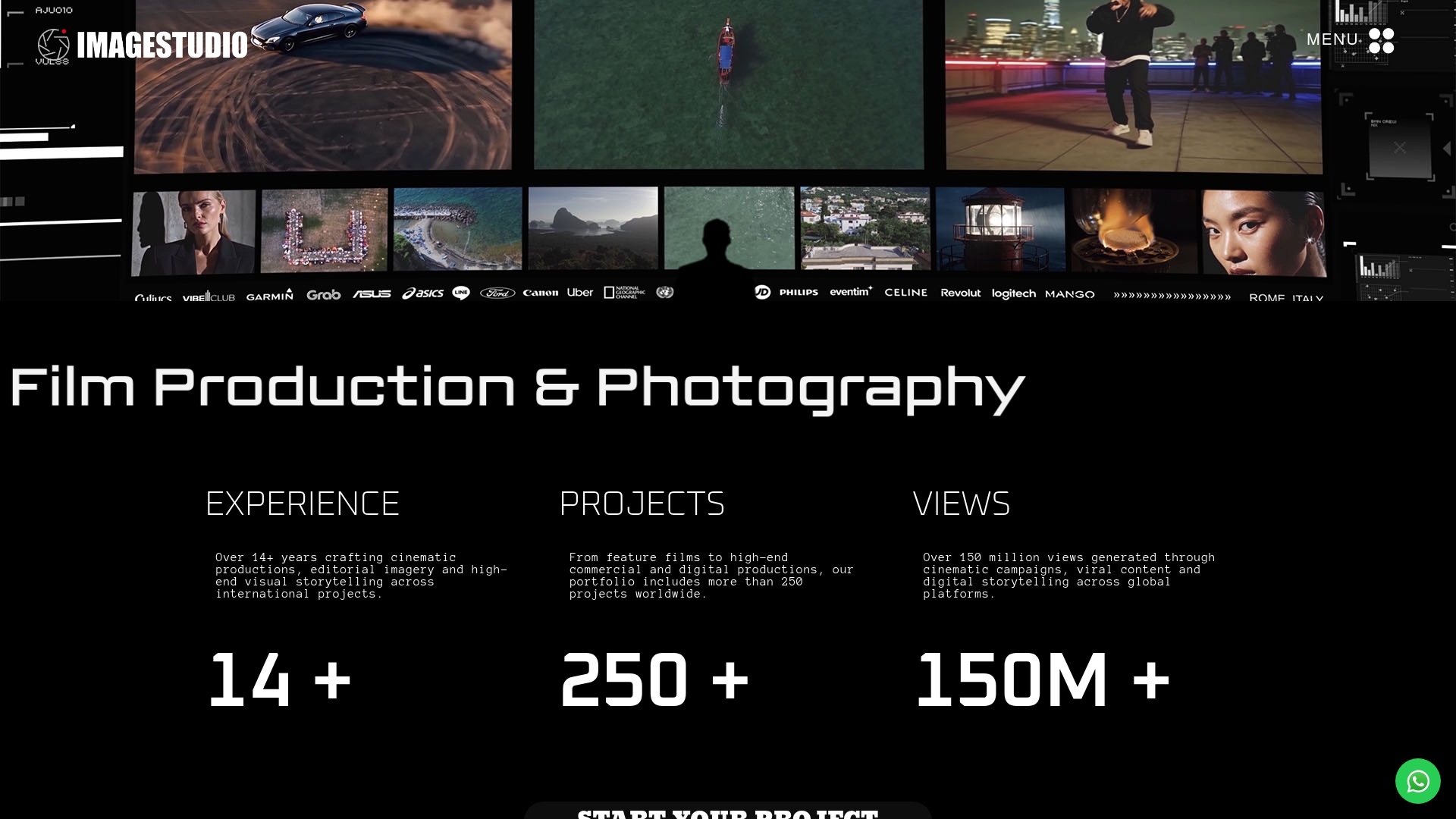
Imagestudio specializes in cinematic wedding film production that prioritizes what matters most: your voices, your emotions, and the story only you can tell. With over 14 years of high-end production experience, a global portfolio of 250+ projects, and collaborations with clients like National Geographic, Imagestudio brings a filmmaker’s eye and a storyteller’s instinct to every wedding. From wireless audio setup to narrative editing and instant-streaming delivery, every detail is handled with the care your wedding day deserves. If you are planning your wedding and want a film you will still be watching in 20 years, explore Imagestudio’s wedding services and see what cinematic storytelling looks like at its best.
FAQ
What makes a wedding video “cinematic”?
A cinematic wedding video uses narrative structure, professional lighting, deliberate camera movement, and layered sound design to tell your story rather than simply record events. The result is an emotionally paced film, not a chronological document.
Is audio or video quality more important in a wedding film?
Audio quality is more important. Research shows that high audio with lower video quality scores 5.7 out of 10 on emotional impact versus 3.8 for high video with poor audio, and couples rewatch high-audio films far more often.
How many times do couples rewatch their wedding film?
Couples with excellent audio in their wedding film rewatch it an average of 24.1 times over three years, compared to just 4.8 times for films with poor audio quality.
Do I need a second shooter for my wedding film?
A second shooter captures parallel moments and emotional reactions that a single camera will always miss, including your partner’s expression as you walk down the aisle and guest reactions during key moments. For a complete cinematic film, multi-angle coverage is strongly recommended.
When should I watch my wedding film for the first time?
Watch it together with your partner, at home, on the largest screen available, in a planned and intentional setting. Couples who do this score their satisfaction at 9.2 out of 10, significantly higher than those who watch it casually on a phone or laptop.
