Wedding Videography Budget Planning for Luxury Weddings in Italy
May 4, 2026
Wedding videography budget planning is one of the most important parts of organizing a destination wedding
Wedding videography budget planning is one of the most important parts of organizing a destination wedding in Italy. From Lake Como villas and Tuscan estates to luxury Amalfi Coast celebrations, cinematic wedding films can vary significantly in price depending on the style of production, coverage hours, team size, and final deliverables.
Many couples spend months researching venues and photographers, but only begin considering videography later in the planning process. The result is often confusion around pricing and uncertainty about what actually creates value in a cinematic wedding film.
This guide explains how wedding videography pricing works, how much of your total wedding budget should realistically be allocated to film production, and how couples planning luxury weddings in Italy can make informed decisions without compromising the emotional value of the final film.
The average couple spends around €3,900 on wedding videography, with most packages covering 6 to 8 hours.
Allocate 8 to 12 percent
Industry guidance puts videography at roughly 8 to 12 percent of your total wedding budget.
Coverage hours drive costs
Reducing coverage hours is the most effective way to lower your bill without sacrificing quality.
Read your contract carefully
Deliverables, travel fees, and raw footage rights are the most common sources of unexpected charges.
Book early for better rates
Locking in a videographer months ahead often secures better pricing and more availability.
Wedding videography budget planning: what things actually cost
Wedding videography pricing reflects much more than the wedding day itself. Cinematic wedding films involve professional cameras, audio systems, lighting equipment, drone cinematography, color grading, editing, music licensing, and extensive post-production work.
In Italy and across Europe, destination wedding videography typically falls into several pricing tiers.
Here’s how the tiers typically break down:
Tier
Price range
What’s usually included
Starter
€1,500 to €3,000
usually include shorter coverage with a single filmmaker
Mid-range
€3,500 to €6,000
with multiple cameras, extended coverage, and highlight films.
Premium
€7,000 to €15,000
Full day, two shooters, multiple edits, drone footage
Luxury
€15,000 and up
Luxury wedding film productions in destinations like Lake Como, Tuscany, Venice, and the Amalfi Coast
Several factors push prices up or down within each tier:
Experience and portfolio. A videographer with ten years and a strong reel charges more than someone just starting out, and usually delivers a noticeably different product.
Equipment. Cinema-grade cameras, stabilizers, drones, and professional audio gear cost money to own and operate.
Coverage hours. Coverage hours primarily drive costs because more footage means significantly more editing time.
Deliverables. A highlight reel is one thing. Adding a full ceremony edit, speeches, a same-day edit, and raw footage can double the post-production workload.
Team size. Two shooters capture more angles but cost more than one.
Location. Urban markets and destination weddings carry higher rates.
Understanding these variables helps you compare quotes accurately. A €3,000 package that includes a full ceremony edit and two shooters is a very different value than a €3,000 package that only covers five hours with a single camera.
How to allocate videography within your total budget
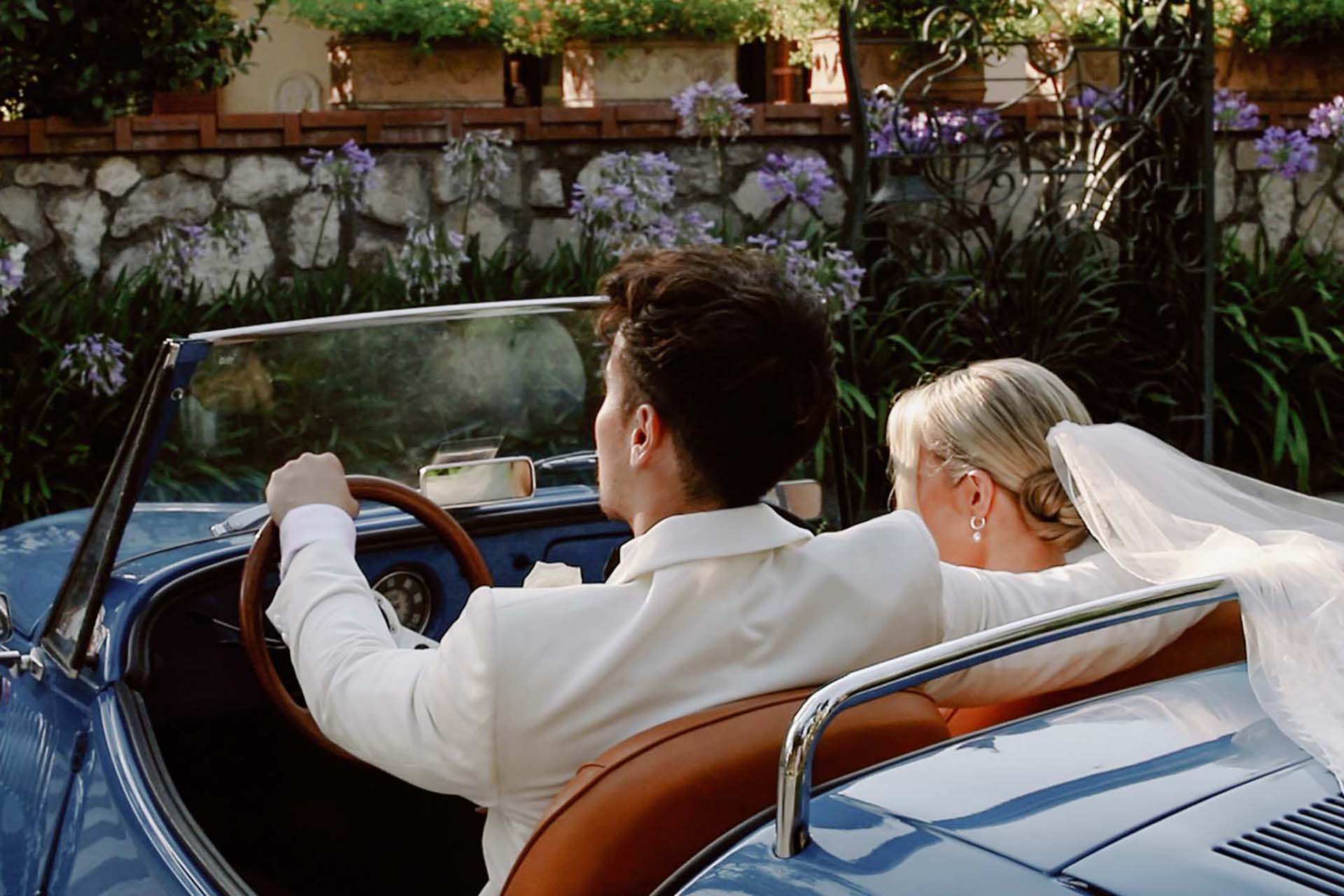
A romantic getaway moment at Villa Antiche Mura in Sorrento, captured in a timeless Amalfi Coast wedding setting
Most luxury weddings in Italy dedicate approximately 8 to 12 percent of the total budget to videography. High-end destination weddings sometimes invest even more when cinematic storytelling becomes a major priority.
For example:
• A €30,000 wedding may allocate €2,500 to €4,000 for videography.
• A €60,000 wedding may allocate €5,000 to €8,000.
• A €100,000 luxury destination wedding may invest €10,000 or more into cinematic production.
The correct budget depends entirely on your priorities. Couples who value emotional storytelling and cinematic memories often place videography among their top investments.
Here’s how that percentage logic plays out across different total budgets:
Total wedding budget
8% allocation
12% allocation
€20,000
€1,600
€2,400
€35,000
€2,800
€4,200
€50,000
€4,000
€6,000
€75,000
€6,000
€9,000
Photography typically takes a similar or slightly larger share, often 10 to 12 percent. If you’re combining both into a single package, which some studios offer, that combined allocation usually runs 18 to 22 percent of the total budget.
Your personal priorities matter more than any industry average. Real wedding budgets show videography ranging from €3,000 to over €21,000 depending on the overall scale and what the couple values most. If having a cinematic film of your day is a top priority, push the percentage higher and trim elsewhere. If video is more of a nice-to-have, staying at the lower end of the range is completely reasonable.
Pro Tip:Set your videography budget before you start getting quotes. Couples who research prices first and set a number second almost always end up spending more than they intended.
Step-by-step approach to planning your spend
Good wedding videography budget planning is not about finding the cheapest option. It’s about knowing exactly what you want before you start talking to vendors.
Define your non-negotiables. Write down the moments you absolutely must have on film. Vows, first dance, speeches, the ceremony processional. This list shapes everything else.
Decide on coverage hours. Most ceremonies and receptions run 8 to 10 hours total, but you don’t have to cover all of it. Focused coverage of 6 hours that captures the key moments often tells a better story than 10 hours of everything.
Choose your deliverables. Do you want a 3-minute highlight reel, a 15-minute short film, a full ceremony edit, or all three? Comprehensive deliverables including highlight films, full ceremony, and raw footage add meaningfully to post-production costs, so be specific about what you actually want.
Research local pricing. Rates vary significantly by city and region. Get at least three quotes from videographers whose work you genuinely like, not just whoever is available.
Budget for extras. Travel fees for videographers working outside their home market, overtime charges if your reception runs long, and rush delivery fees for quick turnaround are all real costs that often appear in contracts.
Budget step
What to do
Prioritize moments
List the shots and scenes you cannot live without
Set coverage hours
Decide on a realistic shoot window, not the whole day by default
Choose deliverables
Specify exactly which video products you want
Get three quotes
Compare packages at similar coverage levels
Add a 10% buffer
Account for overtime, travel, and small extras
Pro Tip:If you need to cut costs, reduce coverage hours before reducing quality. A skilled videographer working 6 hours will deliver better results than an inexperienced one working 10.
Common budgeting mistakes to avoid
Even couples who do their research run into surprises. Most of those surprises are avoidable with a little upfront clarity.
Underestimating editing costs. Post-production complexity is often underestimated by couples who focus only on shoot day hours. Editing a full-day wedding with multiple camera angles, audio syncing, and color grading can take 40 to 80 hours of work. That labor is reflected in the price.
Ignoring contract details. Pricing shocks often come from missing scope details in contracts. Always ask: Does the package include raw footage? How many rounds of revisions are covered? What happens if the day runs long?
Booking too late. Popular videographers in most markets book 12 to 18 months out. Waiting until six months before your wedding often means paying a premium for whoever is still available, or settling for someone whose work doesn’t excite you.
Assuming photography and videography are interchangeable. Some couples cut video entirely to save money, then deeply regret it. Photos capture moments. Video captures the feeling of the day, the sound of your partner’s voice, the laughter during speeches.
Skipping the contract review. Always get deliverables, timelines, and fees in writing. Verbal agreements about “a few extra hours” or “one more edit” are where budgets quietly fall apart.
“The best wedding films come from clear communication before the wedding, not from hoping everything works out on the day.” — A principle worth keeping in mind when reviewing any vendor contract.
Maximizing value without cutting corners
Affordable wedding videography does not mean cheap wedding videography. It means being strategic about where your money goes.
Book off-season. Weddings in January, February, or November often come with lower vendor rates across the board. If your date is flexible, this alone can save you hundreds or thousands.
Bundle with photography. Some studios offer combined photo and video packages at a discount. Imagestudio, for example, offers cinematic wedding packages that integrate both disciplines, which can simplify coordination and sometimes reduce overall cost.
Consider emerging talent. A videographer two or three years into their career with a strong portfolio can deliver excellent results at mid-tier prices. Look at their recent work, not just their most polished showcase piece.
Prioritize key moments to reduce hours. Focusing coverage on emotionally impactful moments like vows, speeches, and the first dance, rather than full event duration, reduces both shooting and editing time while preserving the story of your day.
Ask about content creator options. For couples who want quick social media content alongside a traditional film, some studios offer a luxury content creator experience that delivers same-day or next-day social content at a different price point than full cinematic production.
Pro Tip:Ask your videographer what you can do to help reduce editing time. Providing a detailed shot list, a timeline, and a music wishlist before the wedding can actually lower your final bill with some studios.
My honest take on budgeting for wedding video
I’ve worked in visual storytelling long enough to have seen every version of this conversation. Couples who treat videography as an afterthought, couples who make it their top priority, and couples who try to split the difference and end up somewhere in the middle.
What I’ve learned is that the couples who feel best about their investment are the ones who got clear on their priorities before they started talking to vendors. Not after seeing a beautiful highlight reel and falling in love with a package they can’t afford.
In my experience, the biggest source of regret is not spending too much. It’s spending money on coverage hours or deliverables that didn’t matter to them, while skimping on the moments that did. I’ve seen couples pay for 10 hours of coverage and end up watching their 3-minute highlight reel on repeat, because that’s the only part that actually captured what they cared about.
The emotional value of a great wedding film is real. Years from now, you won’t remember the centerpieces. You will remember hearing your partner’s voice during the vows. That’s worth budgeting for thoughtfully, not extravagantly, not reluctantly. Just honestly.
— Image Studio
Ready to plan your wedding film with confidence?
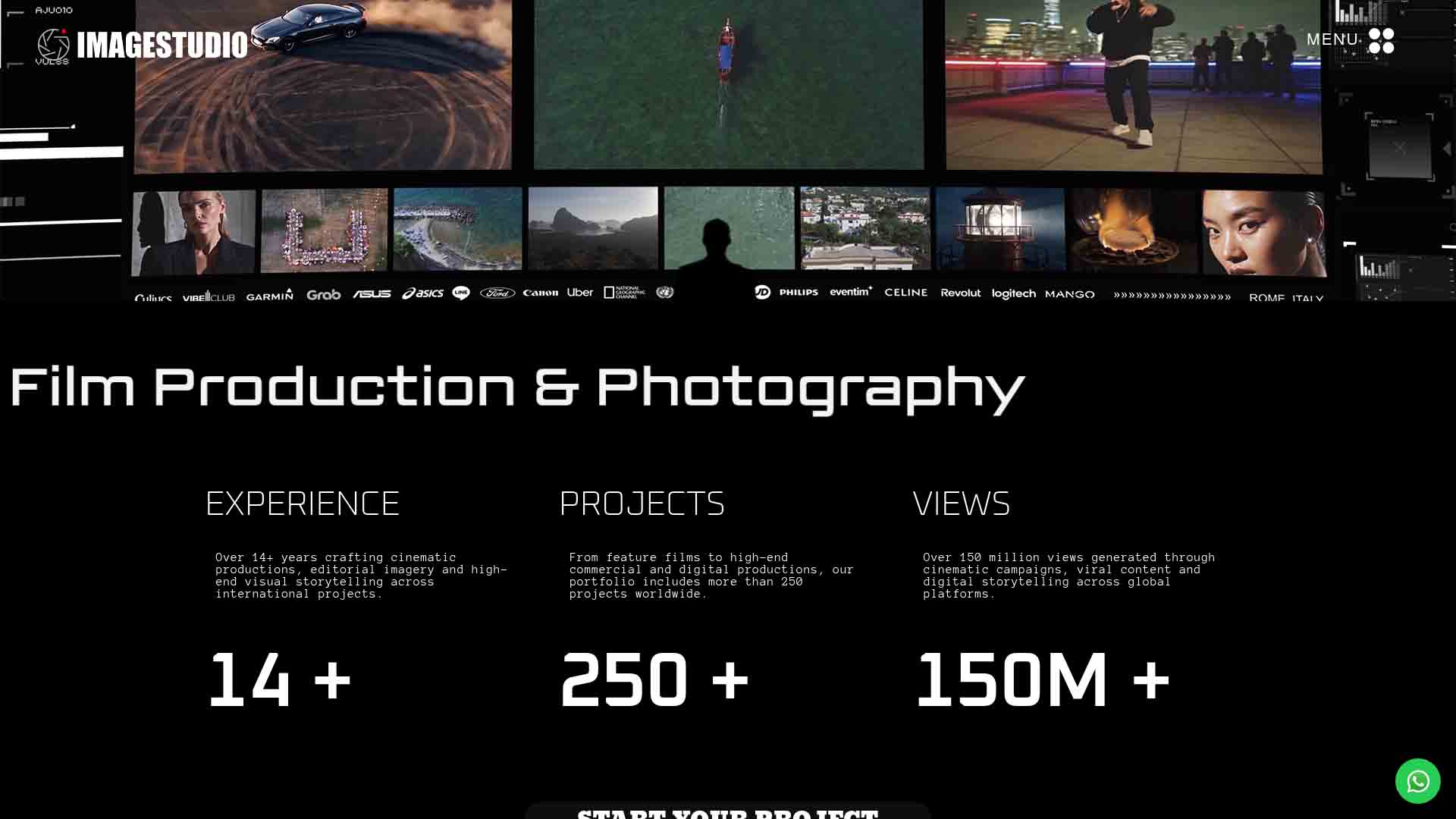
Cinematic film production and photography portfolio by Image Studio featuring commercial campaigns, editorial visuals, luxury productions and international creative projects.
At Imagestudio, we’ve spent over 14 years crafting cinematic wedding films that couples actually watch again and again. With 250+ projects and work that has reached over 150 million viewers globally, we know how to translate your priorities into a film that feels like you. Whether you’re working with a focused mid-range budget or planning a full luxury production, our wedding videography packages are structured to give you clarity on cost and confidence in the result. Explore our wedding services and book a consultation early. The best dates fill up fast, and the best films start with a great conversation.
FAQ
What percentage of a wedding budget should go to videography?
Most industry guides recommend allocating 8 to 12 percent of your total wedding budget to videography. In high-cost markets, that figure can reach 15 percent.
How much does wedding videography cost on average?
The national average is approximately €3,900 for wedding videography, with most standard packages covering 6 to 8 hours of coverage.
What is the most effective way to reduce wedding video costs?
Reducing coverage hours is the single most effective cost-control method, since fewer hours means less editing time and a lower overall price without sacrificing the quality of the final film.
What hidden fees should couples watch out for?
Travel fees, overtime charges, raw footage licensing, and additional edit rounds are the most common unexpected costs. Always confirm these details in writing before signing any contract.
Is it worth combining photography and videography into one package?
Bundling can reduce overall cost and simplifies vendor coordination. Just confirm that both the photo and video quality meet your standards independently before committing to a combined package.