
Cinematic wedding videography is a storytelling-focused filmmaking style that combines intentional cinematography, authentic moments, professional audio, and emotional editing to create a timeless wedding film that feels like a movie rather than a simple event recording.
← Back to Editorial
← Back to Editorial
What Is Cinematic Wedding Videography? A Couples’ Guide
June 24, 2026
Cinematic wedding videography is a storytelling-driven filmmaking style that uses intentional composition, camera movement, and editing to craft an emotional, movie-like experience from your wedding day. Unlike a standard event recording, it prioritizes feeling over chronology. The result is a short, curated film that pulls you back into the moment every time you watch it. Studios like Blue Moon Video Productions and Alyssa Kaufman Films have built their reputations on this approach, and it has become the most requested wedding video style among couples who want something genuinely lasting. If you are weighing your options, understanding what separates cinematic work from documentary or traditional coverage is the clearest path to making the right call.
What is cinematic wedding videography, and how does it work?
Cinematic wedding videography is defined by narrative pacing and visual mood rather than a start-to-finish record of events. The filmmaker captures your day with the same intentionality a director brings to a feature film. Every shot, every cut, and every music choice serves the emotional story.
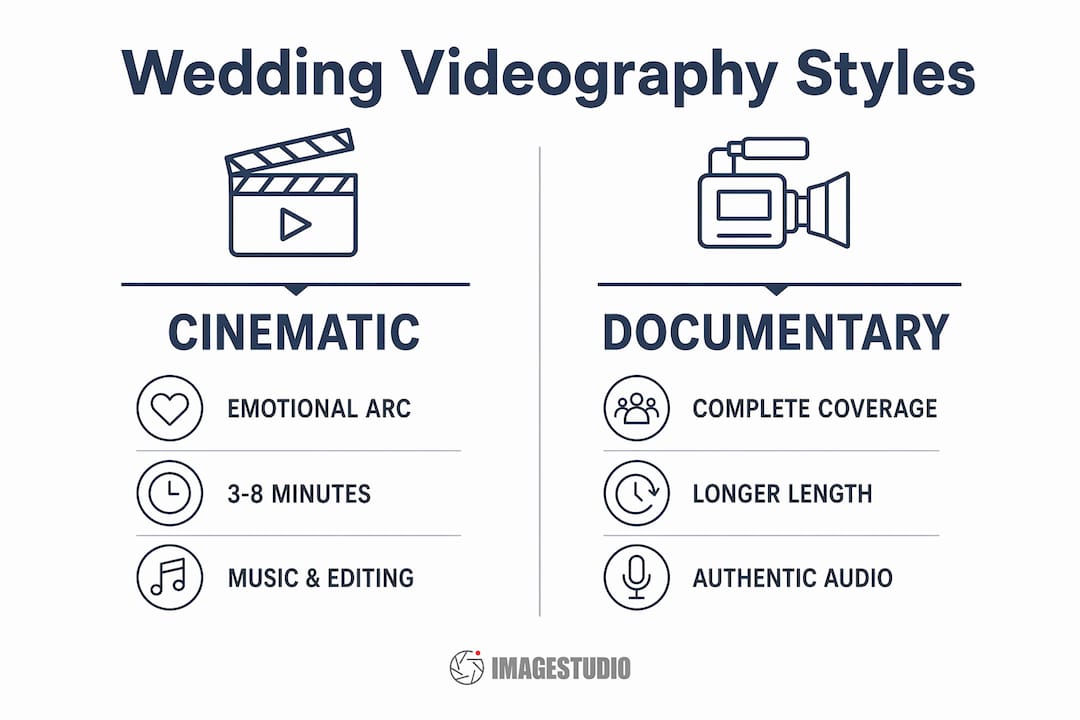
The industry term for this approach is “narrative wedding filmmaking,” though most couples and vendors use “cinematic” interchangeably. What you receive is typically a highlight film of 3–8 minutes built around emotional peaks: your vows, a glance, a laugh, a tear. That short runtime is not a limitation. It is the point. Every second earns its place.
The end goal is a film that feels timeless and emotionally resonant, not a polished slideshow. Couples who watch their cinematic film five years later often say it feels more real than their photos because the music and movement carry the emotion in a way a still image cannot.
What filmmaking techniques define the cinematic look?
The cinematic look comes from a specific set of decisions made both on the day and in post-production. None of them require staging your wedding like a movie set.
On the day, your filmmaker focuses on:
- Intentional framing: close-ups of rings, hands, and expressions that carry meaning
- Smooth, deliberate camera movement using gimbals, steadicams, and drone aerials
- Quiet observation of real, unscripted moments rather than directing action
- Clean audio capture of vows, toasts, and ambient sound using wireless microphones
In post-production, the craft continues with:
- Music-driven editing that matches cuts to emotional rhythm
- Color grading to shape mood, whether warm and golden or cool and cinematic
- Sound design that layers ambient audio beneath the music
- Story structure that builds to an emotional peak rather than running in order
The real storytelling difference lies in editing choices: pacing, music selection, and narrative structure. A skilled cinematic wedding filmmaker can take the same raw footage as a standard videographer and produce something that feels entirely different.
Pro Tip: When reviewing a filmmaker’s portfolio, focus on how they use real audio from vows and toasts to build emotional beats. That skill separates a true cinematic storyteller from someone who just shoots in a wide-angle lens.
How does cinematic videography compare to documentary and traditional styles?
Choosing a wedding videography style comes down to what you want to preserve and how you want to experience it later. The three main types of wedding videography styles each serve a different purpose.
| Style | Length | Focus | Best for |
|---|---|---|---|
| Cinematic | 3–8 minutes | Emotional narrative arc | Couples who want a film-like experience |
| Documentary | 30–90 minutes | Chronological, full coverage | Couples who want every word preserved |
| Traditional | 60–120 minutes | Full ceremony and reception | Archival completeness, family viewing |
Cinematic films trade chronological completeness for a curated emotional experience. That trade-off is worth it for many couples, but it means your full ceremony speech may not appear in the final cut. Documentary coverage, by contrast, captures everything in real time with minimal editing artistry. Traditional videos sit closest to a live broadcast: thorough, but rarely something you rewatch for pleasure.
The hybrid package has become the most popular solution. You receive a cinematic highlight film plus a full documentary edit of the ceremony and speeches. You get the emotional beauty and the complete archive. Many couples who initially choose cinematic-only later wish they had added documentary coverage for the full vows. A hybrid package removes that regret entirely.
For a deeper look at what documentary coverage involves, wedding documentary filmmaking has its own craft and value worth understanding before you decide.
What are the benefits of cinematic wedding videography?
Cinematic wedding videography delivers something no photo album can: the feeling of being back in the room. The combination of music, movement, and real audio creates an emotional experience that photographs simply cannot replicate.
The core benefits couples consistently report:
- You relive the emotion, not just the visuals. Hearing your partner’s voice during vows in a beautifully edited film is a different experience than reading them on paper.
- Short runtime means you actually rewatch it. A 5-minute film gets shared, rewatched, and remembered. A 90-minute recording rarely does.
- Cinematic wedding video benefits include social shareability. A well-crafted highlight film performs beautifully on Instagram and with family.
- The post-production process typically requires 4–8 weeks for delivery, reflecting the depth of craft involved. That timeline produces a finished film, not raw footage.
- Color grading and sound design give your wedding a visual identity. Your film looks and feels like your day, not a generic event.
Pro Tip: Ask your filmmaker to include a longer “ceremony cut” as an add-on. You keep the cinematic highlight as your main film and still have the full vows archived for your family.
The music selection for your film matters more than most couples realize. The right track shapes how every moment lands emotionally. Discuss your music preferences with your filmmaker early in the process.
How to decide if cinematic style is right for you
The decision to hire a cinematic wedding videographer comes down to three honest questions: What do you want to feel when you watch your film? How much of the day do you need preserved in full? And what is your budget for post-production quality?
Start with these steps:
- Watch at least three full portfolio films from any filmmaker you consider. Pay attention to pacing, not just visual quality.
- Ask specifically how they handle audio. Clean audio capture of vows and toasts is the foundation of a powerful cinematic film.
- Discuss music preferences before booking. Your filmmaker should ask about your taste, not just assign a track.
- Ask about delivery formats. Will you receive a private online link, a downloadable file, or both?
- Confirm the editing timeline. A quality cinematic edit takes time. Be cautious of anyone promising delivery in under two weeks.
When you are ready to work with your filmmaker, a few practical habits make a real difference:
- Brief your officiant to speak clearly and at a measured pace during the ceremony.
- Ask guests to silence phones and avoid stepping into the aisle during vows.
- Share any meaningful songs, inside jokes, or family stories that could shape the film’s narrative.
- Consider a pre-wedding shoot to build comfort with your filmmaker before the big day.
Matching your chosen style to your viewing preferences is the single most important factor in long-term satisfaction. Cinematic works best for couples who want emotional highlights. Documentary suits those who want archival completeness. Hybrid packages serve couples who want both.
Key Takeaways
Cinematic wedding videography is defined by storytelling decisions made in editing, not by camera equipment or visual effects, making the filmmaker’s narrative skill the most important factor in your choice.
| Point | Details |
|---|---|
| Core definition | Cinematic videography builds an emotional narrative arc, not a chronological record of events. |
| Typical deliverable | Couples receive a highlight film of 3–8 minutes focused on emotional peaks and mood. |
| Editing is everything | Pacing, music, and story structure in post-production create the cinematic experience. |
| Hybrid packages | Combining cinematic highlights with documentary coverage prevents regret over missing full speeches. |
| Filmmaker selection | Evaluate portfolios for audio use and narrative pacing, not just visual style or equipment. |
Why “cinematic” is about decisions, not gadgets
After years of working in high-end film production, the most common misconception I see couples carry into the planning process is this: they think “cinematic” means expensive equipment and dramatic drone shots. It does not. Cinematic does not mean staged or fake. It means real moments, shaped thoughtfully.
I have watched beautifully shot footage get assembled into a forgettable film because the editor had no instinct for story. I have also watched modest footage become genuinely moving because the filmmaker understood pacing and knew exactly which moment to let breathe. The wedding film editing process is where the real work happens, and it is invisible to most couples until they see the difference.
My honest advice: do not hire a filmmaker based on their camera gear list. Hire them based on how their films make you feel in the first thirty seconds. If you are not emotionally engaged by then, you will not be at the five-minute mark either. The best cinematic wedding films feel like they were made specifically for the two people in them. That specificity comes from a filmmaker who listens before they shoot.
— Image Studio
Imagestudio’s approach to cinematic wedding films
Imagestudio brings over 14 years of high-end film production experience to every wedding project, with 250+ productions that have reached over 150 million views globally. That depth of craft shows up in every editorial decision, from the first location scout to the final color grade.
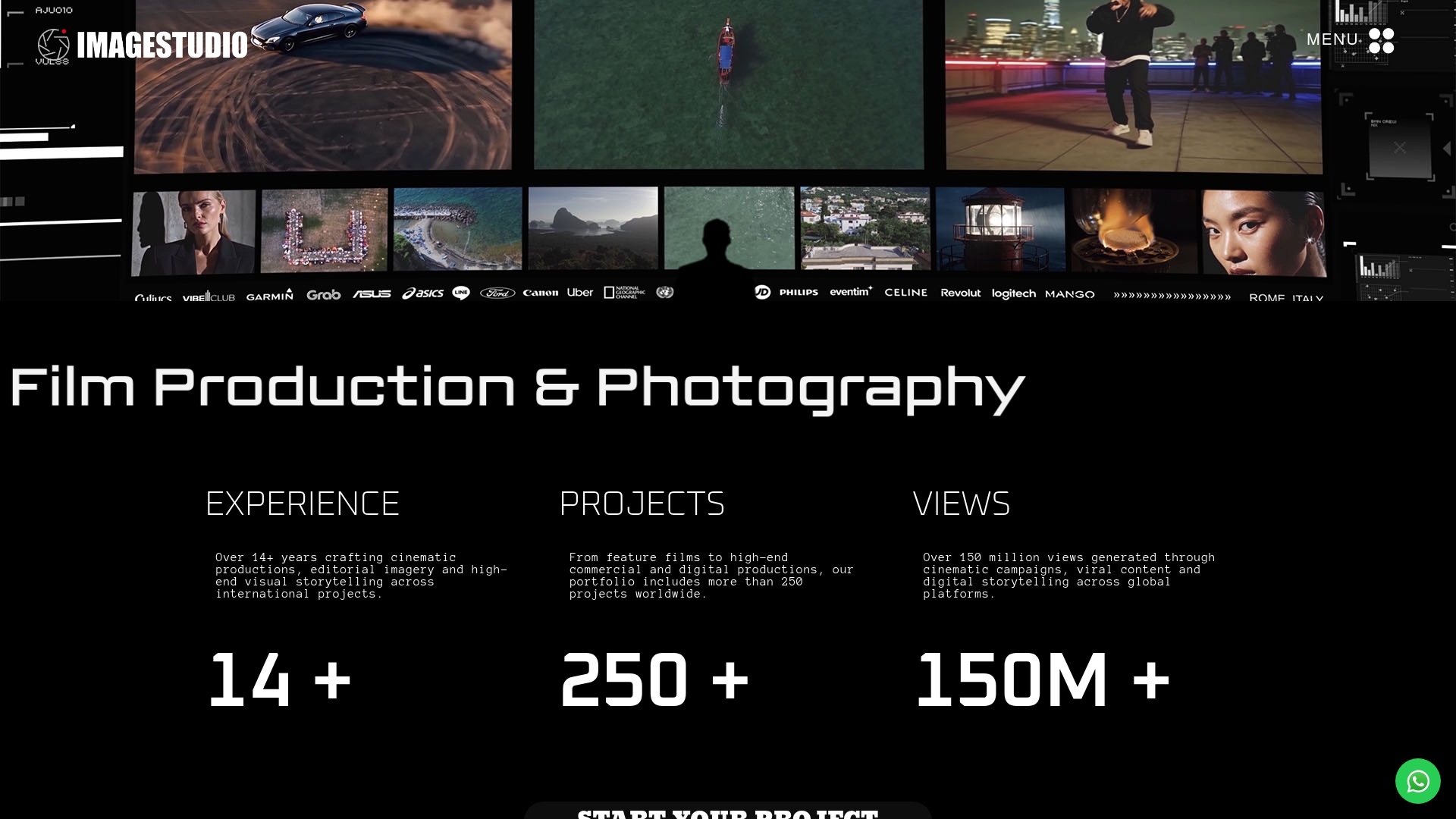
Imagestudio’s cinematic wedding film production combines narrative filmmaking with a deeply personal approach to each couple’s story. Every film is built around your specific moments, your music preferences, and the emotional beats that matter most to you. Collaborations with National Geographic and recognition from international film festivals reflect a standard of quality that carries directly into wedding work. If you are ready to talk about your wedding film, Imagestudio’s team is available for consultations to help you find the right package and style for your day.
FAQ
What is the difference between cinematic and documentary wedding video?
Cinematic wedding videography creates a short, emotionally curated film of 3–8 minutes using music, pacing, and story structure. Documentary coverage captures the full ceremony and speeches in chronological order, typically running 30–90 minutes.
Does cinematic wedding videography involve staging moments?
No. Cinematic capture is observational; real moments are filmed as they happen and shaped into a narrative during editing. Nothing is faked or directed.
How long does it take to receive a cinematic wedding film?
The post-production process for a cinematic wedding film typically takes 4–8 weeks. That timeline reflects the depth of editing, color grading, and sound design involved.
Should I choose cinematic only, or add documentary coverage?
Hybrid packages are the most popular choice because they deliver both a cinematic highlight film and full documentary coverage of vows and speeches. Couples who choose cinematic only sometimes regret not having the complete ceremony archived.
How do I evaluate a cinematic wedding filmmaker’s portfolio?
Focus on how the filmmaker uses real audio from vows and toasts to build emotional narrative beats. Pacing, music selection, and story structure matter far more than camera equipment or visual effects.
