Choosing the Right Wedding Photographer in Italy: Beyond Style, Toward Storytelling
August 17, 2026
Choosing a wedding photographer in Italy goes far beyond finding a style you love. This guide explains how to evaluate storytelling, consistency, destination experience, collaboration, resilience and long-term value before you book.
WEDDING • IMAGE STUDIO EDITORIAL
A practical framework for choosing the person who will interpret your wedding, not simply photograph how it looks.
DIRECT ANSWER
The right wedding photographer in Italy is not simply the one whose editing style you like most. Look for consistent full-wedding storytelling, an ability to work with Italy’s light and logistics, emotional judgement, clear communication, resilient backup systems, and a visual language that still feels like you when the trend cycle changes.
Choosing a photographer often begins with images. It should not end there.
A portfolio can tell you whether you are drawn to a photographer’s colour, composition and portraiture. It cannot, by itself, tell you how that photographer reads a room, reacts when the timeline moves, works alongside a filmmaker, protects an intimate moment, handles difficult light, or turns a multi-day destination wedding into one coherent story.
That distinction matters especially in Italy. A celebration may move from a hotel to a church, from a villa garden to a boat, from hard afternoon sun to candlelight, and from a welcome dinner to a wedding day and farewell brunch. The photographer is not working with one aesthetic condition. They are interpreting a sequence of places, people and transitions.
KEY INSIGHT
Style is what you notice first. Storytelling is what determines whether the photographs still mean something years later.
1.Why This Article Exists
This is a PILLAR decision guide within the Image Studio wedding cluster. Its job is different from a page about editorial wedding photography or a location-specific photographer guide. Rather than defining one visual style, it answers a higher-intent question: how should a couple evaluate and choose a wedding photographer in Italy?
That distinction protects the site from publishing several pages that compete for the same search intent. Supporting articles can explain Lake Como, Tuscany, editorial photography, wedding film and content creation; this page should remain the decision framework that connects them.
2.The Italian Destination-Wedding Context
The decision is taking place inside a substantial international market. Italy for Weddings reported 16,700 foreign weddings in Italy in 2025, up 9.8% from 2024. The segment generated an estimated €1.1 billion in turnover, 4.1 million overnight stays, and an average event budget of €67,000. The same research reported an average of 64.6 guests and found that 48.1% of couples came from non-European markets.
Those figures do not tell a couple how much to spend on photography. They do explain why destination-wedding photography in Italy is an operational discipline as well as an artistic one: many couples are planning from abroad, guests are travelling, and the wedding may sit inside a larger hospitality experience.
Destination weddings by foreign couples in Italy in 2025.
+9.8%
ANNUAL GROWTH
Increase in foreign destination weddings versus 2024.
€67K
AVERAGE BUDGET
Average event budget across the reported foreign destination-wedding market.
64.6
AVERAGE GUESTS
Average guest count reported for 2025.
4.1M
OVERNIGHT STAYS
Total overnight stays associated with the 2025 destination-wedding market.
48.1%
NON-EUROPEAN
Share of couples from extra-European markets.
Source: Italy for Weddings, Destination Weddings in Italy 2025. Figures describe the national market, not Image Studio clients or photography fees.
3.The Seven Questions That Matter More Than a Preset
A photographer’s visual signature matters. But when several portfolios are beautiful, these seven questions reveal far more about what the experience and final body of work may actually become.
1. Can They Tell a Complete Story, Not Just Produce Hero Images?
Instagram portfolio homepages and awards naturally favour standout frames. A wedding gallery has a different responsibility. It must connect anticipation, people, place, ceremony, transitions, dinner, speeches and the energy of the night without making the quieter parts feel like filler.
A useful evaluation is to ask for complete galleries from weddings with conditions similar to yours. Look at the middle of the day, not only the first ten photographs. Are family interactions observed carefully? Do indoor scenes hold up? Does the story still feel intentional when the light is difficult? Are repeated compositions doing too much work?
GOOD TO KNOW
Ask to see at least one complete wedding gallery, and preferably a wedding with a similar season, venue type or schedule. A curated portfolio proves taste; a complete gallery reveals consistency.
2. Do Their Photographs Feel Like the Couple, or Like the Photographer?
A strong authorial voice should not erase the people in front of the camera. If every couple is directed into the same poses, every reception is graded into the same palette and every venue is made to resemble the same moodboard, the photographer may have a recognisable style but a limited storytelling vocabulary.
The better question is whether the photographer can maintain a visual identity while allowing different personalities, families and places to remain distinct.
KEY INSIGHT
Consistency should mean dependable judgement, not identical weddings.
3. Can They Work With Italy Rather Than Merely Use It as a Background?
Italy is not one lighting condition or one wedding format. Lake Como brings water, mountains, boat transfers and fast-changing contrast. Tuscany often involves open landscapes, stone architecture and longer movements between spaces. Amalfi Coast celebrations can involve vertical geography, narrow roads and terraces. Historic city weddings may introduce churches, restricted access and public space.
The photographer does not need to have photographed every venue in Italy. They do need to demonstrate that they can read unfamiliar spaces, scout intelligently, understand timing, and adapt rather than forcing a predetermined shot list onto the location.
FIELD NOTE
For destination weddings, logistics and photography are connected. A beautiful portrait location that consumes forty minutes of transport may be a poor storytelling decision if it removes the couple from the people and atmosphere they invited everyone to Italy to experience.
4. What Happens When the Timeline Stops Cooperating?
Weddings are live events. Weather changes. Speeches run long. A boat can be delayed. A room may be darker than expected. Guests move where nobody predicted. The strongest photographers are not those who require perfect conditions; they are those whose judgement remains calm when conditions change.
Ask how the photographer approaches rain, schedule compression, low light, transport delays and a portrait window that suddenly becomes ten minutes instead of thirty. The answer should reveal process, not bravado.
THE DETAIL
A resilient photography plan protects priorities. It identifies what is essential, what is flexible, and what can disappear without weakening the story.
5. How Do They Direct Without Taking Over the Wedding?
Couples often frame the choice as “documentary versus editorial,” but real wedding coverage frequently needs both observation and intervention. Family portraits require organisation. Fashion-led portraits may benefit from direction. A ceremony should generally be allowed to unfold. A chaotic preparation room may need subtle visual simplification.
The skill is not avoiding direction. It is knowing when direction improves the image and when it damages the moment.
KEY INSIGHT
The best direction is proportionate: enough to create clarity, never so much that the wedding begins performing for the camera.
6. Can Photography, Film and Wedding Content Work as One Team?
Many destination weddings now involve professional photography, wedding film and a wedding content creator. These are not interchangeable roles. Photography works toward decisive still frames and a coherent gallery. Film needs movement, continuity and clean sound. Wedding content creation often prioritises fast, vertical, social-first moments.
Without coordination, all three can compete for the same sightline, repeat directions or interrupt one another. Before booking, ask how the photographer collaborates with filmmakers and content creators, and how priorities are established for key moments.
GOOD TO KNOW
A larger visual team should create broader coverage, not a larger footprint. Clear roles and communication matter more than the number of cameras.
7. What Will Still Matter in Twenty Years?
Trends are useful visual languages, but they are poor substitutes for memory. A wedding gallery can include fashion, movement, flash, grain, editorial portraiture and contemporary references while still protecting the faces, relationships and context that will become more valuable with time.
When reviewing portfolios, imagine removing the venue name, designer labels and current trend cues. Do the photographs still communicate affection, tension, humour, family and atmosphere? If they do, you are looking at storytelling rather than surface.
KEY INSIGHT
A timeless wedding gallery does not need to look old-fashioned. It needs to preserve what was emotionally specific about the day.
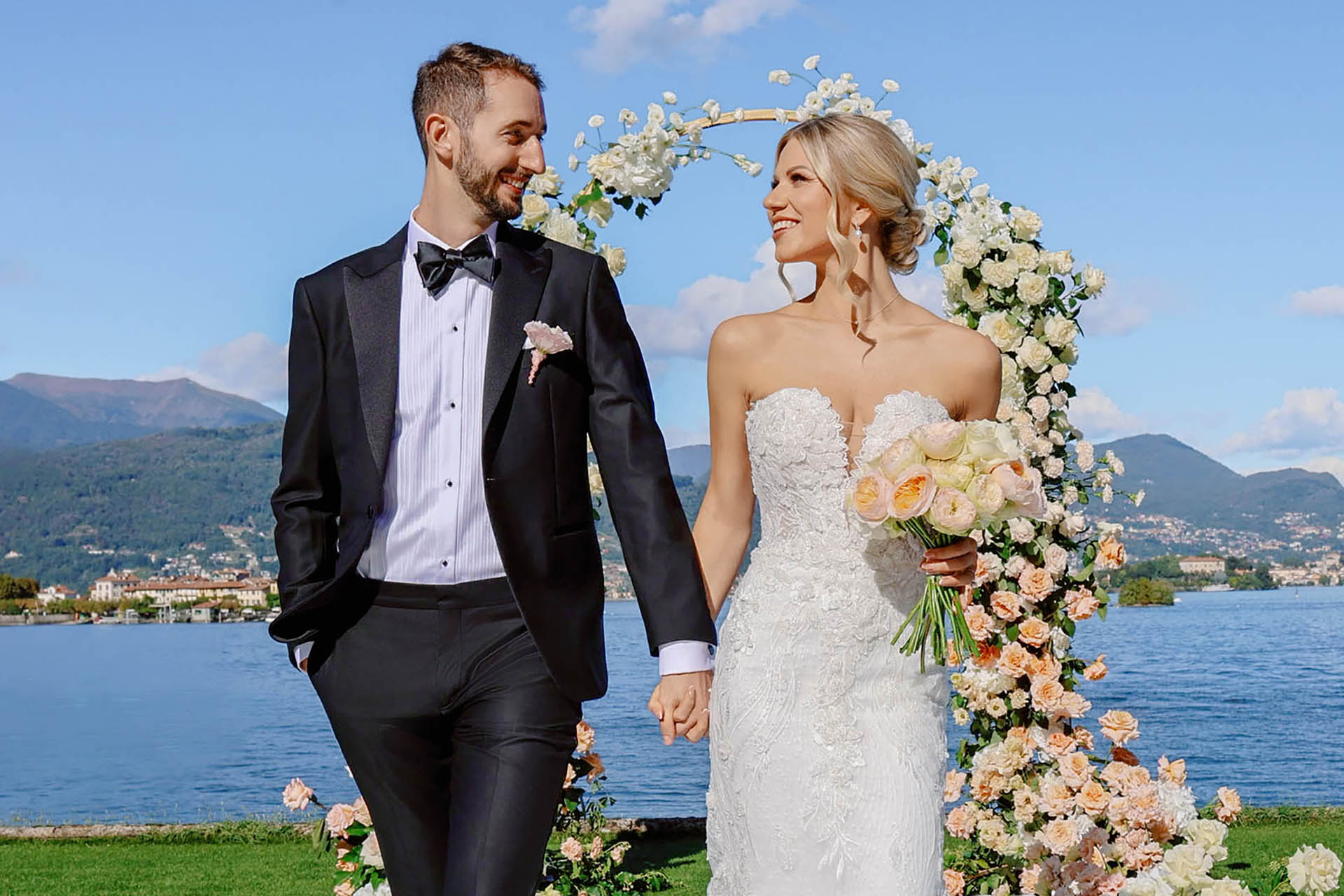
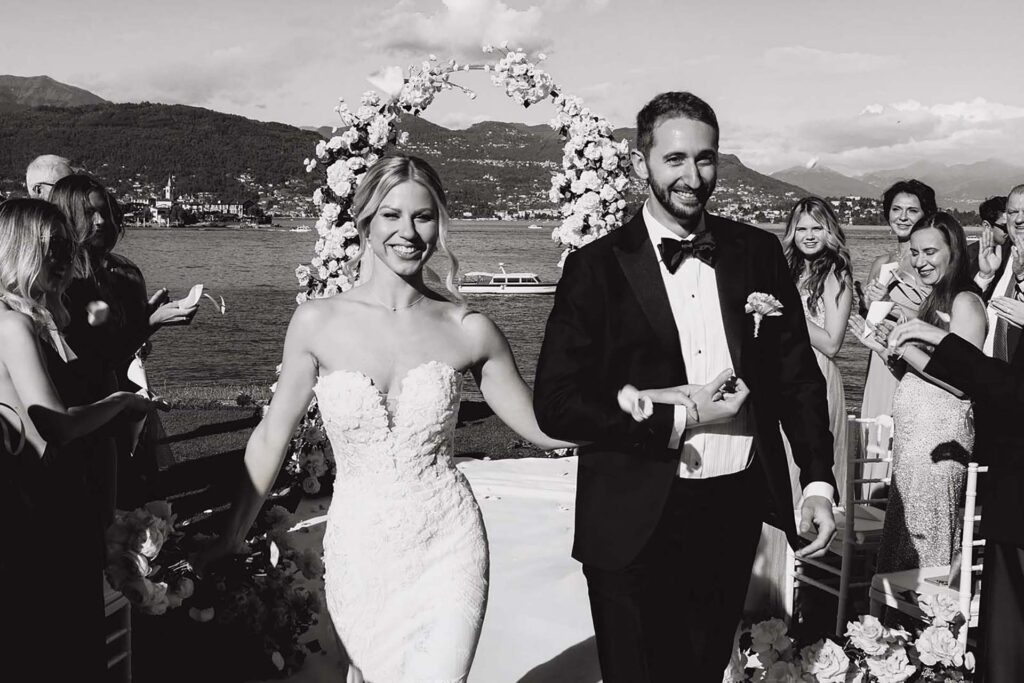
Where Mediterranean blue meets timeless love
4.Style vs Storytelling: What You Are Actually Choosing
WHAT YOU EVALUATE
STYLE-LED QUESTION
STORYTELLING-LED QUESTION
Colour
Do I like these tones?
Do colour choices remain coherent across daylight, interiors and night?
Portraits
Are these portraits beautiful?
Does direction adapt to different personalities and relationships?
Candids
Do the moments look natural?
Does the photographer anticipate meaningful interactions rather than simply wait?
Venue
Does the location look impressive?
Does the place become part of the narrative without overpowering the people?
Consistency
Does the feed look cohesive?
Does a complete gallery stay strong when conditions become less photogenic?
Trend
Does this feel current?
Will the visual language support memory after the trend changes?
5.Understanding the Main Photography Approaches
Labels are imperfect, and many strong photographers combine approaches. Use them as a vocabulary for conversation, not as rigid categories.
APPROACH
OFTEN EMPHASISES
POTENTIAL STRENGTH
QUESTION TO ASK
Documentary
Observation, spontaneity, real-time moments
Emotional authenticity and context
How do you handle portraits and family photographs?
How does the work hold up in difficult or low light?
Cinematic
Narrative scale, contrast, movement and atmosphere
Strong sense of place and drama
How do you keep intimate moments from becoming over-produced?
Hybrid
A deliberate mix of observation and direction
Adaptability across the wedding
How do you decide which approach a moment needs?
GOOD TO KNOW
Do not choose a label before choosing the work. Two photographers who both describe themselves as “editorial” may direct, light and edit in completely different ways.
6.A 15-Minute Portfolio Audit Before You Enquire
Before contacting a photographer, move beyond the homepage and test the work systematically.
Look for at least one complete wedding or substantial story, not only a highlight grid.
Check preparation, ceremony, family photographs, cocktail hour, speeches and dance floor.
Compare bright exteriors with interiors and night photography.
Notice whether different couples retain different personalities.
Look for parents, grandparents, friends and guests, not only the couple.
Check whether wide venue photographs and close emotional photographs coexist.
Ask yourself whether the editing supports skin tones and real environments consistently.
Look for transitions. Can you understand how the day moved from one chapter to another?
7.What to Ask a Wedding Photographer Before Booking
QUESTION
WHY IT MATTERS
Can we see complete galleries?
Reveals consistency beyond portfolio highlights.
Who will photograph our wedding?
Clarifies whether the person you meet is the person who arrives.
How do you approach timeline planning?
Shows whether photography is integrated with the guest experience.
How do you work with planners, filmmakers and content creators?
Tests collaboration and production maturity.
What is your backup approach for equipment and files?
Protects against technical failure and data loss.
What happens if you are unable to attend?
Clarifies contingency planning.
How are travel and multi-day events handled?
Prevents ambiguity for destination coverage.
What exactly is delivered and on what approximate timeline?
Aligns expectations around galleries, albums, previews and usage.
How do you handle image rights and publication?
Important for privacy, editorial submission and social sharing.
How do you approach rain or major schedule changes?
Reveals adaptability rather than dependence on ideal conditions.
8.How Much Should Wedding Photography in Italy Cost?
There is no single responsible national price for wedding photography in Italy. Coverage varies by photographer, team size, number of days, travel, albums, analogue film, assistants, rehearsal or welcome events, licensing, turnaround and production complexity. Luxury destination weddings can also sit far above the national average wedding budget.
The more useful comparison is not “which photographer is cheapest?” but “what is included, who is doing the work, how robust is the process, and what body of work is being promised?” A lower fee can represent excellent value; a higher fee can represent excellent value. Price alone cannot answer the question.
GOOD TO KNOW
The 2025 Italy for Weddings figure of €67,000 is an average total event budget across the reported foreign destination-wedding market. It is not a photography benchmark and should never be presented as one.
COMPARE
LOOK BEYOND
Coverage
Hours alone. Consider events, travel between locations and whether coverage spans multiple days.
Team
Headcount alone. Understand roles, experience and who actually photographs key moments.
Deliverables
Image quantity alone. Consider curation, editing, albums, previews and archival value.
Travel
A generic “included” label. Clarify accommodation, transfers and destination-specific costs.
Rights
Assumptions. Confirm personal use, publication, privacy and vendor-sharing terms.
Value
Price per hour. Consider judgement, consistency, experience and the long-term importance of the work.
9.Red Flags That Deserve a Second Look
A portfolio built almost entirely from styled shoots, workshops or isolated portraits with little evidence of complete live weddings.
No willingness to show substantial galleries before booking.
Unclear answers about who will photograph the wedding.
Promises that depend on perfect weather, unlimited portrait time or unrestricted venue access.
No clear contract, payment schedule, cancellation terms or delivery expectations.
No credible explanation of equipment redundancy and file backup.
A process that treats photography, film and content creation as competing teams rather than collaborators.
Heavy reliance on trend terminology without explaining how the photographer actually works during a wedding.
10.Choosing for the Destination, Not Just the Country
“Wedding photographer in Italy” is a useful starting query, but the final decision should account for the specific destination. The same photographer may work differently on Lake Como, in Tuscany, on the Amalfi Coast, in Venice or in a city such as Rome or Florence because access, light, geography and event rhythm change.
If Lake Como is your destination, continue with our Lake Como wedding photographer guide. Couples considering one of the lake’s most recognised venues can also explore the Villa Balbiano wedding photographer guide for a more venue-specific perspective.
To understand how location familiarity translates into photographic storytelling, explore our couple photoshoot across Lake Como. The collection demonstrates how different environments, changing light and subtle creative direction can contribute to a consistent visual narrative.
Transfers, changing contrast, weather and movement between shorelines.
Tuscany
Open landscapes, stone, vineyards, long horizons
Heat, travel distances, ceremony orientation and late-day light.
Amalfi Coast
Sea terraces, vertical towns, dramatic scale
Road access, stairs, public movement and compressed logistics.
Venice
Water transport, historic streets, architectural density
Boat timing, luggage/equipment movement, crowds and access.
Historic city
Churches, palazzi, streets and civic architecture
Permissions, traffic, public space and transitions between venues.
FIELD NOTE
Venue familiarity can be useful, but adaptability is more important than a long list of venue badges. A photographer who understands scouting, light, logistics and human behaviour can often work intelligently in a place they have not photographed before.
11.Photographer, Filmmaker and Wedding Content Creator: What Is the Difference?
Immediacy, behind-the-scenes moments, mobile formats
Rapid, informal sharing and a parallel social perspective.
The strongest result comes when the three roles are designed to complement one another. Couples should not have to repeat the same staged action for three teams simply because responsibilities were never discussed.
12.The Final Decision Matrix
When you have narrowed the choice to two or three photographers, score the factors that will actually affect the wedding rather than allowing one spectacular image to decide everything.
CRITERION
WHAT STRONG EVIDENCE LOOKS LIKE
PRIORITY
Complete-story consistency
Several coherent full galleries
Essential
Emotional intelligence
Work shows people beyond the couple and respects intimate moments
Essential
Destination adaptability
Evidence of varied light, venues and logistics
Essential
Communication
Clear, specific and calm answers
Essential
Collaboration
Defined approach with planners, film and content teams
High
Backup / resilience
Clear equipment, file and attendance contingencies
Essential
Visual fit
Aesthetic you genuinely want to live with
High
Deliverables
Transparent scope, timeline and rights
High
Venue familiarity
Useful but not a substitute for judgement
Secondary
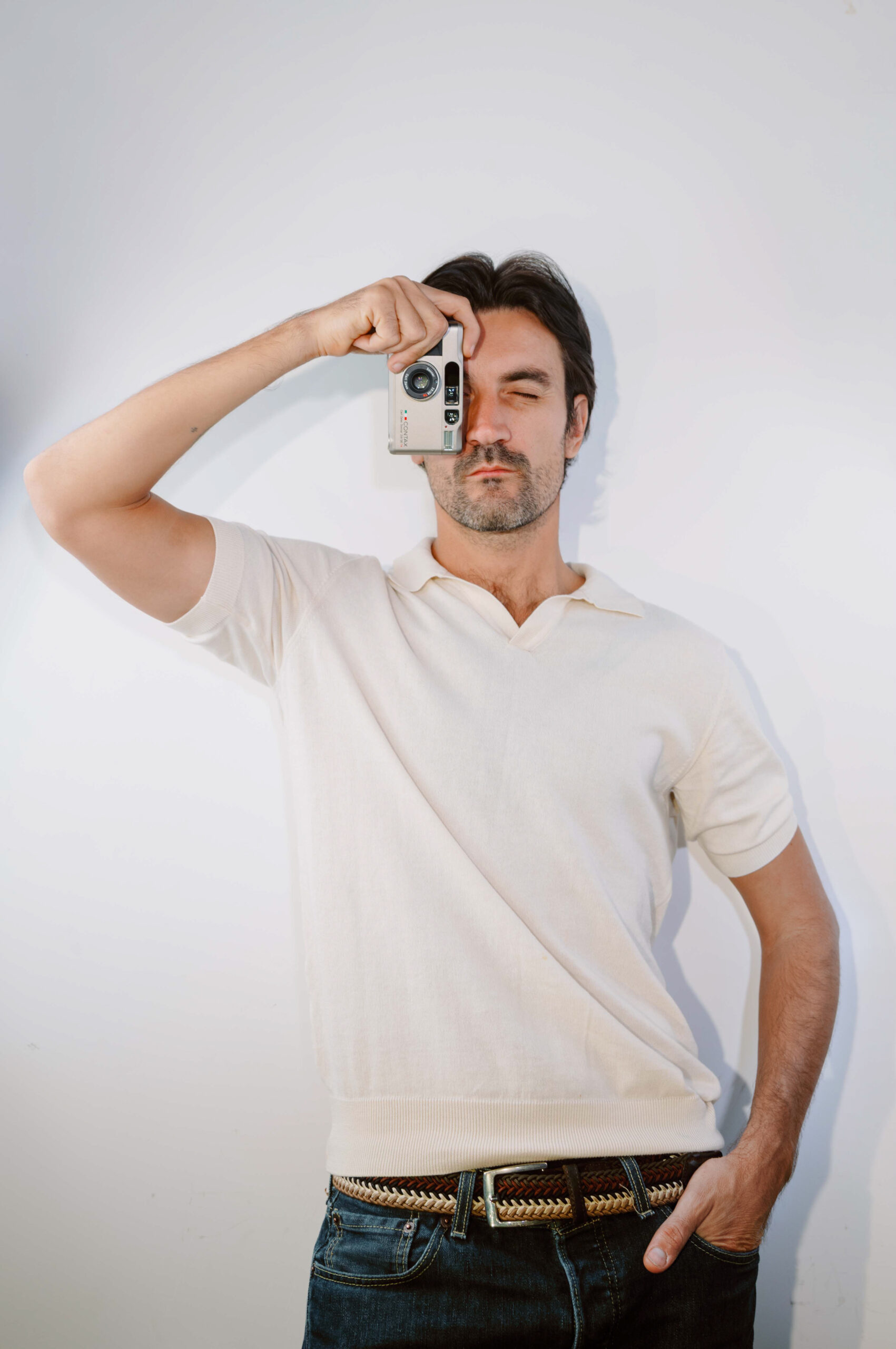
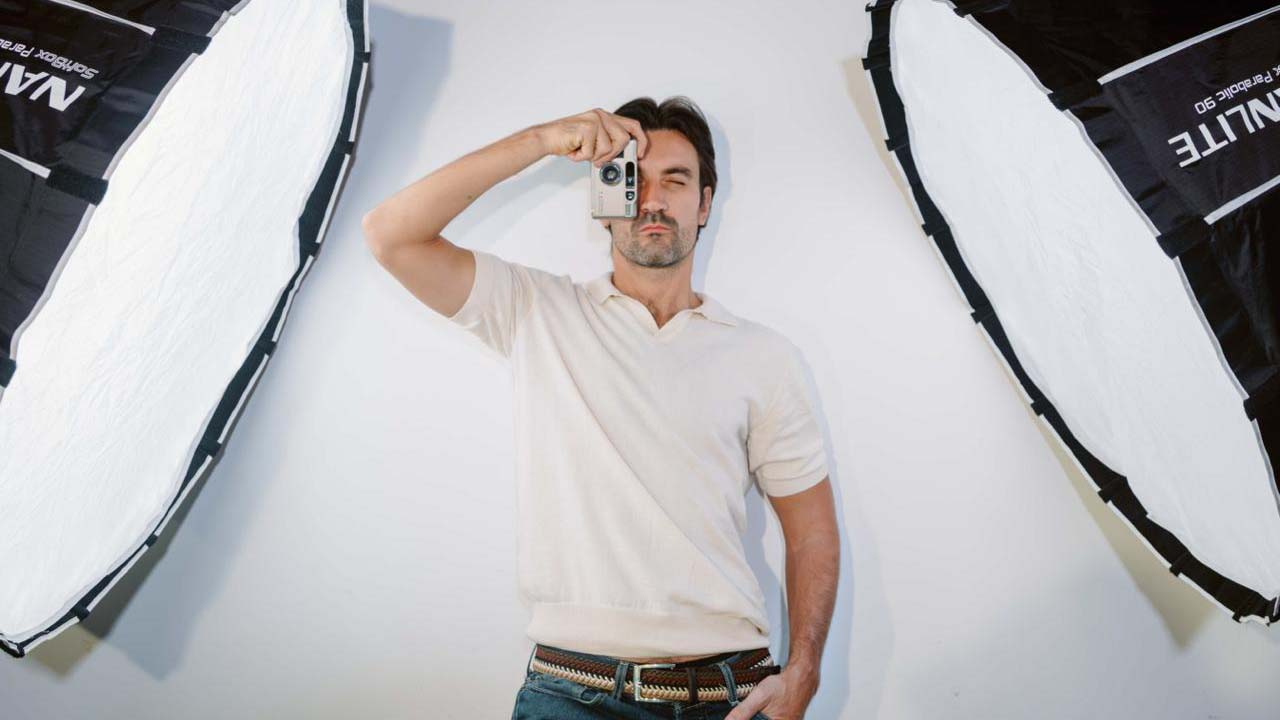
Editorial portrait of Dumitru Culiuc during a professional photography and film production studio session.
13.Wedding Photographer in Italy: Quick Reference
QUESTION
CONCISE ANSWER
BEST FOR
Couples who value a coherent story of people, place and atmosphere rather than a collection of isolated hero images.
WHAT TO REVIEW
Complete galleries, difficult-light work, guest coverage, portraits, night photography and transitions.
WHAT TO ASK
Who photographs the wedding, collaboration, backups, travel, delivery, rights and contingency plans.
STYLE
Choose the work first; labels such as editorial, documentary or cinematic are only shorthand.
DESTINATION EXPERIENCE
Useful, but the ability to scout and adapt is more important than claiming every venue.
MAIN CONSIDERATION
How the photographer makes decisions when the wedding stops looking like the plan.
14.Frequently Asked Questions
How far in advance should we book a wedding photographer in Italy?
There is no universal booking window. Highly sought-after photographers and peak destination dates can book well ahead, so enquire once your date and core venue are secure. For multi-day wedding celebrations, early coordination is particularly useful because travel and team availability affect planning.
Should we choose a photographer who has already worked at our venue?
Previous venue experience can help with familiarity, but it should not outweigh storytelling ability, adaptability and consistency. Ask how the photographer scouts unfamiliar locations and plans around light, access and timing.
Is editorial wedding photography better than documentary photography?
Neither is inherently better. Editorial wedding photography can bring intentional composition and direction; documentary photography can prioritise spontaneous observation. Many sophisticated wedding stories use both, depending on the moment.
How many wedding photographs should we receive?
There is no meaningful ideal number. Delivery depends on coverage length, guest count, number of events, team size and the photographer’s curation philosophy. Evaluate completeness and quality rather than buying by image count.
Do we need a second photographer?
Not always. A second photographer can be valuable for simultaneous events, large guest counts, complex logistics or additional perspectives, but the need depends on the schedule and coverage plan.
Should photography and wedding film be booked together?
They do not have to come from the same company, but the teams should be compatible. Ask how they coordinate sightlines, audio, portrait time and key moments.
What is the difference between a wedding photographer and a wedding content creator?
A photographer creates a professionally curated still-image archive. A wedding content creator typically captures fast, vertical, social-first material, often on mobile devices. They can complement one another when responsibilities are clear.
What matters most when choosing a destination wedding photographer?
Look for consistent complete stories, emotional judgement, adaptability, communication, collaboration and robust contingency planning. Style matters, but those qualities determine whether the style survives a real wedding day.
15.Beyond Style, Toward Storytelling
The photographs that first attract you to a photographer may be about style. The photographs you eventually value most are likely to be about people.
They will show how the room felt before the ceremony. The expression that happened behind you. The way your parents looked at each other during a speech. The scale of the place you chose, but also the small gestures that made it yours. They will connect Italy to the wedding without allowing the destination to become more important than the reason everyone travelled there.
Choose a photographer whose work you love. Then go further. Choose someone whose judgement you trust to decide what deserves to become part of the story.
FINAL THOUGHT
A style can make you stop scrolling. Storytelling is what makes you return to the photographs.
16.Planning a Wedding in Italy?
If you are looking for wedding photography, filmmaking and wedding content created around the people, place and atmosphere of your celebration, Image Studio would be delighted to learn more about your plans.