How to Include Italian Traditions in Your Wedding Photos
October 29, 2026
Learn how to capture authentic Italian wedding traditions in your photos, from the rice toss to the tarantella. Practical ideas for couples and photographers.
There’s something unforgettable about seeing rice shower down on newlyweds as they step out of a church in Rome or watching the long lunch unfold at a villa in the hills. These aren’t just pretty scenes, they are living Italian wedding traditions, moments woven with meaning and family history. If you are planning your wedding in Italy, you probably want your album to hold more than just beautiful landscapes. The challenge is making sure those unique rituals find their way into your photos, so your story feels as Italian as the celebration itself.
As someone who photographs and directs weddings at Image Studio, I know how much these traditions matter. I’ve stood with couples as they’re serenaded under their future in-laws’ windows and captured the laughter as ties are cut at midnight. This guide is for you if you are searching for the best ways to include italian wedding traditions photos in your plans. You’ll find practical tips on which moments and details to highlight, how to time your day for the most evocative images, and how to collaborate with your photographer so every frame is filled with genuine Italian heritage.
1. Classic Italian Wedding Moments to Capture
The Rice Toss: Timing and Alternatives
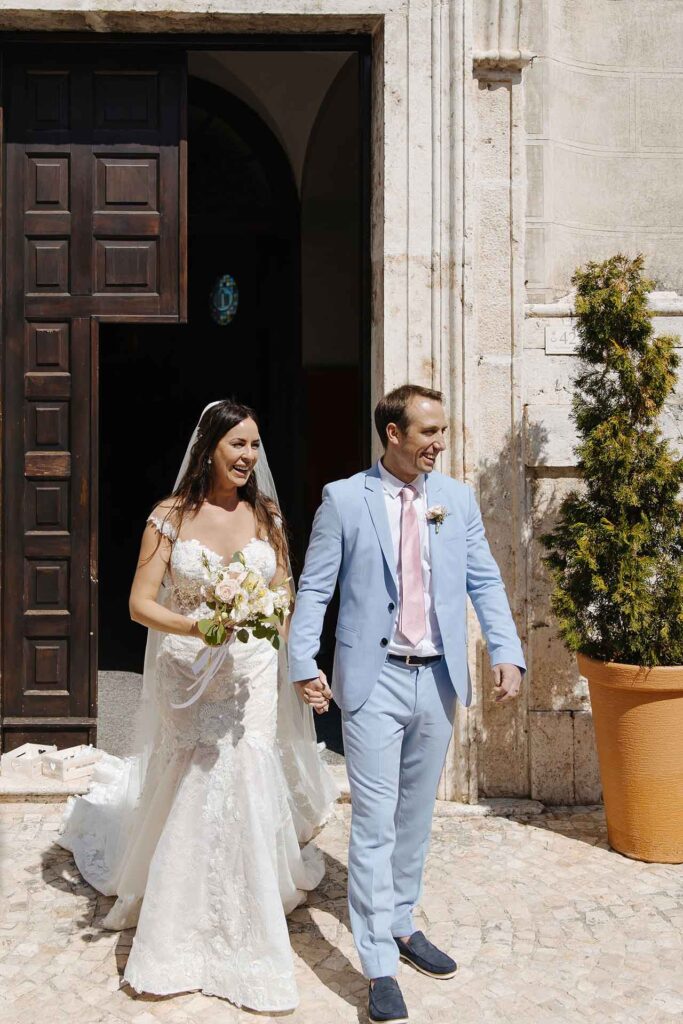
Few moments are more joyful than the rice toss that greets newlyweds as they exit the ceremony. In Italy, this tradition is about wishing the couple fertility and prosperity, and it translates into a burst of pure energy in your wedding photos. That said, not every venue allows rice for environmental or safety reasons. Some opt for dried flower petals or soap bubbles instead, both of which look beautiful in backlit images. If you want this tradition, check with your ceremony venue ahead of time: find out what’s allowed, and talk through the timing with your photographer. The toss usually happens just as you step out, so you’ll want your guests gathered and your photographer in position. Quick cleanup is another practical detail, especially for historic venues where rules are strict. Planning this moment ensures you get those vibrant, authentic shots, without stress for you or your hosts.
The Sposi Table: A Family Keepsake
In Italian weddings, the “photo of the sposi” is a must. This iconic image shows the newlyweds seated at the head table, wedding party close by, the cake in pride of place. For many families, this is the photo that ends up framed in the living room. It’s also a magnet for every guest’s camera, so your professional photographer needs to be ready to capture it before the crowd gathers. I always recommend carving out a quiet moment for this shot, either just before guests are seated or as the cake arrives. The sense of togetherness and tradition in this photo is unmatched, and it anchors your album with a distinctly Italian memory. If you are building your own wedding family photo list, put this moment right at the top.
The Seven-Hour Lunch: Capturing the Flow
Italian wedding lunches are legendary for their length and atmosphere. Starting around 1 pm, they stretch over six to seven hours, with multiple courses, from antipasti to dessert, interspersed with music, speeches, and laughter. For your photographer, this is a goldmine of candid opportunities. People relax as the afternoon unfolds, and every course brings its own energy: toasts with prosecco, shared jokes, that first slice of wedding cake. Extended coverage lets you capture the real flow of the day, not just the big moments but also the subtle interactions that define your wedding’s character. Choosing a photographer who understands these rhythms means your album will be filled with both the grandeur and intimacy of an Italian celebration.
2. Rituals and Dances: Bringing Energy to Your Album
The Tarantella: Movement and Emotion
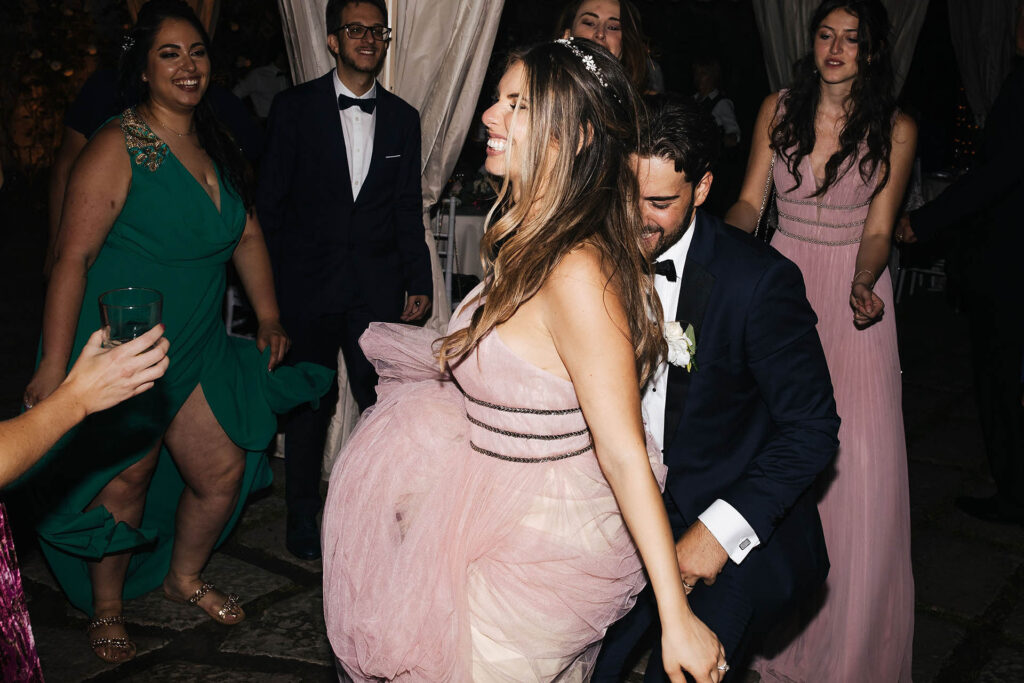
No Italian wedding feels complete without the tarantella. This folk dance lasts about 20 minutes and brings everyone onto the dance floor in a fast-paced circle that spirals and weaves. As a photographer, I watch for the hands clapping, skirts swirling, and laughter that makes this tradition so lively. If you want these images to truly show the dance’s energy, tell your photographer in advance when the tarantella is planned. Ask them to move among the dancers rather than standing back, so you get close-up shots of feet in motion and faces full of joy. Wide shots help show the whole circle, while tight frames catch the emotional details: grandparents joining in, children learning the steps, the couple at the center. Lighting is important, especially if the dance is held indoors or at dusk. Your photographer can use a mix of ambient light and softer flash to keep the movement sharp but the mood warm.
If you are curious how this kind of scene can be edited for maximum impact, you might want to look at wedding photo editing styles. The way movement and color are balanced in editing can make these photos even more expressive.
The Tie-Cutting Fundraiser: Candid Moments
Another energetic tradition is the groom’s tie-cutting. During the reception, friends will cut the groom’s tie into pieces and “sell” them to guests, raising money for the honeymoon. The action is quick, unpredictable, and always full of laughter. To capture the story, your photographer should be ready for anything, moving between the crowd, catching reactions as guests bid for their piece of the tie, and watching for small moments: the bride’s amused look, a guest waving a tiny tie fragment.
These are moments where candids matter most. Let your photographer know if you want the whole sequence: the first playful snip, the auction, the final laughter. Sometimes, the action spreads across the room, so it helps to have a plan for coverage. If you want friends and family to feel relaxed, remind them that the photographer is there to document, not direct. This way, the images will reflect the real humor and spontaneity of your day.
For both the tarantella and the tie-cutting, the secret is anticipation. A photographer who knows the traditions can read the room and be ready, not just for the big gestures, but for the little glances and reactions that make your album feel alive with Italian spirit.
3. Symbolic Details: Confetti, Bomboniere, and the Confettata
Confetti: More Than Sweets
Understand the symbolism: In Italy, “confetti” are white, sugar-coated almonds, not paper confetti. They are always given in odd numbers, most often five, to symbolize health, wealth, happiness, fertility, and long life. These details mean a lot to families and are easy to miss if you are not looking for them.
Plan for close-ups: Ask your photographer to capture the texture and shine of the almonds, the ribbons, and the packaging. Macro lenses work best for these shots, especially if you want to see the sugar crystals or the imprint of your initials.
Include hands in the scene: Photographing guests as they pick up confetti adds warmth and story. Children reaching for almonds, or grandparents tying the bags, bring the tradition to life.
Bomboniere and Buffets: Still Life with Meaning
Showcase the bomboniere: These are the small keepsake boxes or bags containing confetti, usually personalized with your date and names. Arrange them in natural light before guests arrive, or capture them as guests discover and open them.
Confettata buffet: Many Italian weddings feature an almond buffet, the “confettata,” where different flavors and colors are displayed in glass jars or trays. Photographing this table is a way to document both style and tradition. Overhead shots, close-ups of scoops, and guests filling their bags all tell the story.
Use context: Place bomboniere and confettata elements alongside your floral arrangements, table settings, or heirloom objects. This blends the details with the overall mood and location of your day.
Confirm with your venue when and where the confettata will be set up, so the photographer can prepare for the best lighting and angles.
Set aside a few untouched bomboniere for styled shots before the celebrations begin.
Let family know when photos of gift exchanges or confetti moments will happen, so nobody is left out.
If you want a group photo with everyone holding up their bomboniere, plan this before dessert, when energy is still high.
Ask your photographer to capture the packaging, the hands giving and receiving, and the empty table after the confettata, each tells a different part of the tradition.
At Image Studio, we often photograph these details as a series, building a visual story that connects every guest and tradition. The key is coordination: let your photographer know which details matter most, and trust them to find the quiet, meaningful moments that make your Italian wedding album complete.
4. Pre-Wedding and Street Scenes: Planning for Authenticity
The Serenata: Capturing the Night Before
Many Italian weddings begin with a serenata, where the groom surprises the bride with a song outside her window the night before the ceremony. This is more than a performance, it often draws neighbors, friends, and family into an impromptu celebration. If you want this tradition documented, here’s how to make it work for your album:
Coordinate Timing: Serenate usually happen after dusk. Let your photographer know the address and approximate time. Evening light, lanterns, and spontaneous reactions make for cinematic images.
Embrace Candid Shots: Ask your photographer to focus on both the groom’s expression and the bride’s surprise. The best photos often capture the couple in the midst of laughter or even a few happy tears.
Include the Community: The serenata often grows into a small street party. Encourage your photographer to roam and capture neighbors leaning from balconies, children dancing, or the circle of friends with instruments.
Think in Stories: At Image Studio, we approach the serenata as a visual narrative: from the arrival of the groom, through the first notes, to the emotional embrace afterward. This sequence gives you a genuine pre-wedding story to remember.
Permits and Permissions: Avoiding Surprises
If you dream of photos on iconic Italian streets, especially in cities like Milan, you’ll need to consider local rules. In Milan, for example, professional photography outside the historic center requires a municipal permit. The costs are around €103 for each time slot (for example, 08:00 to 14:00), plus 22% VAT and two €16 stamp duties. It’s important to confirm the address and ask your photographer to handle the paperwork well in advance.
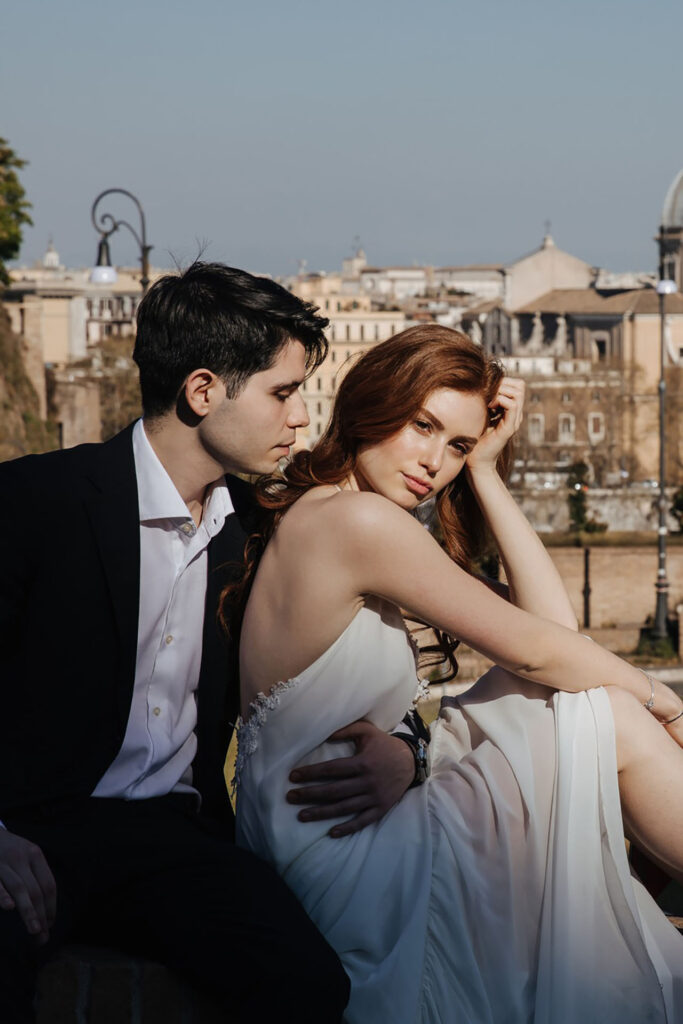
Scout Locations Early: Before deciding on street scenes, walk the neighborhood with your photographer. Look for backdrops like old stone walls, piazzas with market stalls, or narrow alleys hung with laundry, these details root your photos in a real Italian setting.
Check Restrictions: Some city centers or private courtyards may have their own rules. Always ask ahead, especially if you want a specific landmark or a bustling street for your couple’s portraits.
Plan for Light and Timing: Streets can look very different at midday compared to golden hour. Your photographer can help you choose the time for the most flattering light and the fewest crowds.
By planning the serenata and street scenes with your photographer, you add both intimacy and local character to your Italian wedding album. These moments, both spontaneous and carefully prepared, will tell your story in a way that feels true to the place and your experience.
5. Working with Your Photographer: A Collaboration Checklist
Checklist: Tradition-Focused Photo Planning
Discuss the Traditions You Value:
List the Italian rituals and details you want photographed, from the rice (or petals) toss to the tarantella dance, the confettata, and the groom’s serenata. Share family customs or special requests that matter to you.
Clarify Coverage for the Long Lunch:
Ask how your photographer will plan for the six to seven-hour lunch. Will they capture speeches, music between courses, and the classic “sposi” photo with the cake and your wedding party?
Coordinate the Timeline:
Review your entire day’s flow with your photographer. This helps ensure no moment is missed, especially rituals like cutting the groom’s tie or the confettata. For inspiration, consult this wedding photoshoot timeline in Italy.
Plan for Permits and Locations:
If you want portraits in public streets (for example, in Milan), ask about any necessary permits and fees. Your photographer can help research and secure these ahead of time.
Set Expectations for Spontaneous Moments:
Let your photographer know if you hope to include candid, documentary-style images, especially for lively traditions like the tarantella or the serenata. Agree on how they’ll move between formal portraits and natural moments.
Confirm Detail Shots:
Remind your photographer to photograph bomboniere, confetti almonds, and table settings before guests arrive or as part of the confettata display.
Ask About Communication on the Day:
Decide how you’ll update your photographer during the event if spontaneous traditions or surprises arise, so nothing gets missed.
Sample Timeline: Italian Wedding Day
12:00: Ceremony (rice or petal toss at exit)
13:00 to 19:00: Lunch with speeches, music, and candid shots
Afternoon: “Photo of the sposi” at the head table with cake
Evening: Tarantella and other dances
Night before or late evening: Serenata, if planned
Throughout: Detail shots of confetti, bomboniere, and table
A wedding in Italy is full of unique customs and moving moments. By planning closely with your photographer, you ensure these traditions become a natural part of your story, not just a checklist. If you want guidance in making your Italian wedding album feel both personal and rooted in local culture, you are welcome to reach out to Image Studio for advice and collaboration.
What if my venue doesn’t allow rice or petals for the exit?
If your venue doesn’t allow rice or petals, you can use alternatives like soap bubbles, which are popular in many Italian weddings and look beautiful in photos. Always check with your venue in advance so your photographer can plan the timing and setup for the exit shot.
How do I include Italian traditions if my family isn’t Italian?
You can choose the Italian traditions that resonate with you, such as the rice toss, the tarantella dance, or the confettata. Let your photographer know which rituals you want to include so they can capture these moments in a way that feels authentic to your celebration.
Can I mix regional Italian customs in one wedding?
Yes, you can blend traditions from different Italian regions. Just let your photographer know your plans so they can prepare to capture each unique moment, whether it’s a serenata from the south or a tie-cutting from the north.
What’s the best way to capture both posed and candid moments of these traditions?
Discuss with your photographer which traditions are most important to you and ask for a mix of posed group shots and candid coverage. For example, plan a formal 'sposi' table photo, but also allow your photographer to move freely during the lunch or dances to catch spontaneous reactions and interactions.
How much extra time should I plan for photographing these rituals?
Most Italian wedding traditions, like the rice toss or tarantella, last 10 to 20 minutes each, but the long lunch can stretch over six to seven hours. Talk with your photographer about your timeline so they can cover both the key rituals and the quieter moments throughout the day.