How to Coordinate Wedding Photography with Your Italian Wedding Planner
November 6, 2026
Learn how to coordinate your Italian wedding photographer and planner for a seamless, beautiful wedding day. Real steps and tips from a photographer’s view.
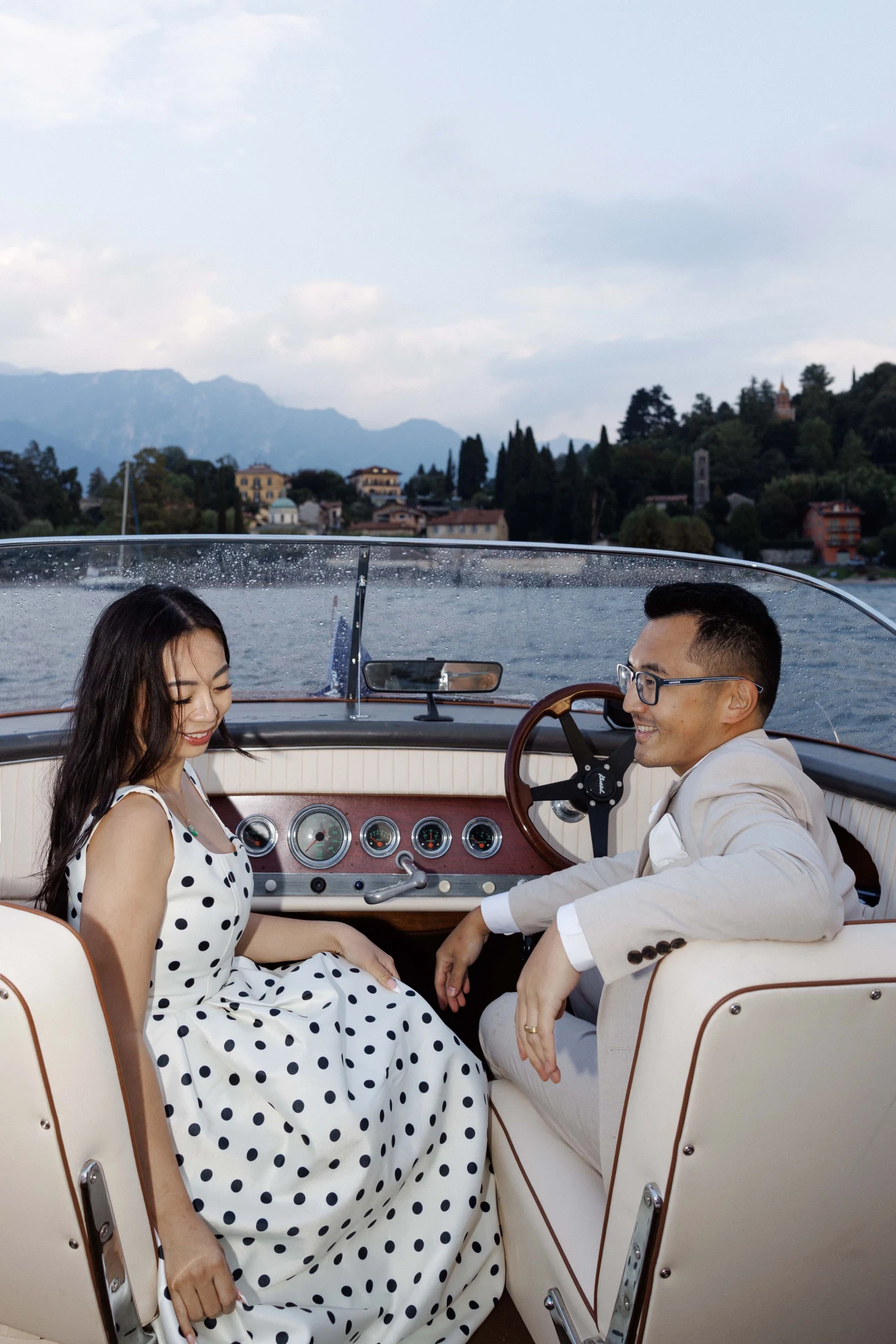
When you plan a wedding in Italy, your photographer and your planner become your main guides. Each shapes how your day unfolds: the planner manages the schedule and details, while the photographer captures every moment you will want to remember. If they coordinate well, the timeline flows, the light is just right, and you can be present with your guests, knowing that everything is under control. This is especially true with weddings in places like Tuscany or along the Amalfi Coast, where timing and logistics can be more demanding than you expect.
But smooth teamwork between your photographer and planner does not happen by chance. Over the years, working with planners from Lake Como to Puglia, I have seen how clear communication and a shared workflow make all the difference. If you want your photos to feel natural and your day to feel relaxed, it pays to coordinate your wedding photographer and planner in Italy from the very start. In this article, you will find practical steps to help your photographer and planner work as a team, so your vision is respected and nothing is missed.
1. Why Coordination Matters: Photographer and Planner Roles Explained
Planner vs. Photographer: Who Does What?
Your wedding planner and photographer each have specific jobs, but their work often overlaps in ways that can affect your whole day. A planner takes care of logistics: creating the timeline, booking and managing vendors, arranging transport, designing the flow of events, and making sure your guests are comfortable. They are your go-to person for everything from seating charts to ensuring the band arrives on time.
Your photographer, on the other hand, is focused on capturing the story of your day. This means documenting real moments, guiding you gently for portraits, watching the light, and making sure group photos run smoothly. In Italy, where locations are often breathtaking but schedules can be tight, your photographer is also paying attention to timing, backgrounds, and the mood of each setting. The current trend in Italy is towards candid, authentic images with emotional impact, rather than stiff, posed shots.
Where Collaboration Is Essential
Planners and photographers must work together during several key moments. One of the biggest is scheduling: the planner sets the overall timeline, but your photographer needs enough time for group shots, couple portraits, and details at the best light. If these are rushed, you risk missing images you will want later.
Location scouting is another area where teamwork matters. Your planner may recommend spots for the ceremony or dinner, but your photographer knows where the light will be best at a given hour. Together, they can find a balance between logistical ease and photographic beauty.
Managing family and group photos also calls for collaboration. Planners help gather the right people and keep things moving, while your photographer organizes the shots efficiently. If roles are not clear, group photos can eat into your cocktail hour or even delay dinner.
Weather is a final point where teamwork is crucial. A sudden rain shower in Florence or strong sea breeze in Capri can mean changing plans fast. When your planner and photographer communicate well, they can adjust the timeline or location quickly, protecting both your experience and your photos.
When these roles are not aligned, misunderstandings can lead to missed moments, rushed photos, or added stress. Setting the expectation that your planner and photographer should work as a team, right from the start, will give you the best chance for a relaxed, beautiful wedding day. At Image Studio, we always encourage couples to introduce us to their planner early, so everyone is on the same page and your vision remains at the center of every decision.
2. Building a Shared Workflow: Steps for Seamless Communication
When to Connect Your Teams
The best time to introduce your photographer and wedding planner is before you make a final booking with either one. If you already have one vendor in place, loop in the other as soon as possible. Early introductions help both teams understand your priorities and working styles. For destination weddings in Italy, this is especially important: planners and photographers may have different approaches depending on the region, venue rules, or local customs.
Bringing your planner and photographer together early means they can clarify roles, discuss logistics, and flag any special considerations, like tight access hours in a historic villa or limited light at a countryside venue. At Image Studio, we find that early group calls or emails prevent last-minute surprises. Even a short video call with everyone present can set a positive, collaborative tone.
What to Discuss in Joint Meetings
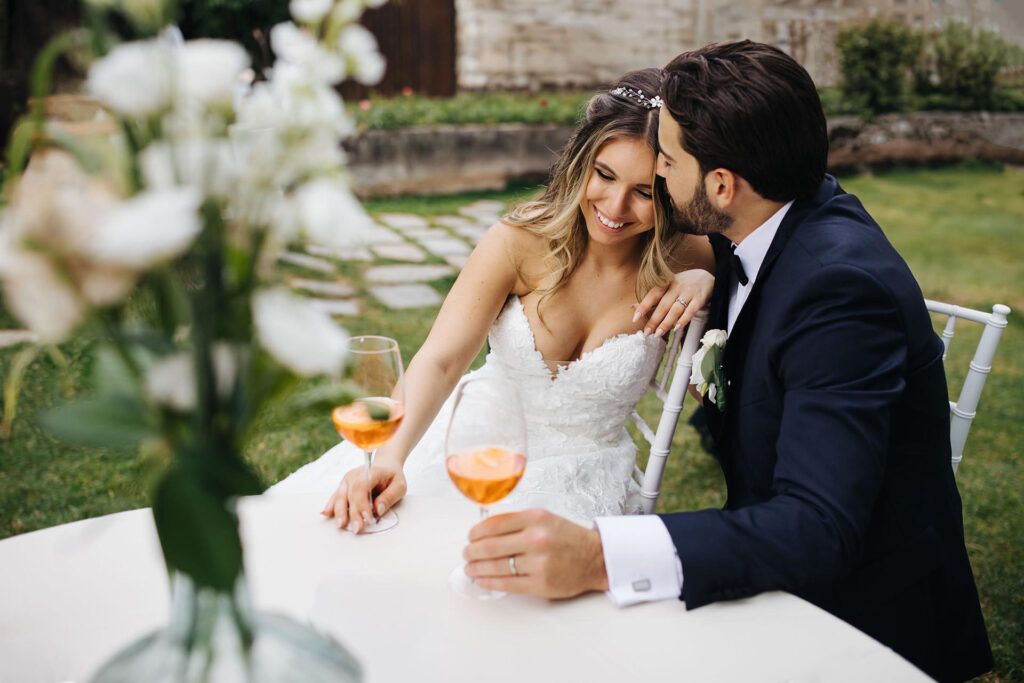
Your vision and priorities: Share your must-have moments (like a sunset kiss in Positano or a candid family toast) and any particular style you love. Authentic and storytelling-focused photos are trending in Italy, so let both teams know if you prefer candid moments or a mix of posed and spontaneous shots.
Timeline and logistics: Go through a rough schedule together. Discuss when you want group portraits, couple photos, or documentary-style coverage. Your planner can highlight when events like the cake cutting or first dance will happen, while your photographer can suggest the best time for natural light.
Must-have shot list and family dynamics: Some couples have complex family arrangements or specific groups to prioritize. Sharing this openly helps prevent awkward moments and ensures no one is missed.
Backup plans: Jointly agree on what happens if weather or local conditions change (for example, in Venice or Lake Como). This avoids confusion if plans need to shift quickly.
Language and cultural differences: If you’re planning from abroad, ask if your teams are comfortable in your language or need a translator. Many Italian wedding professionals speak English, but clarifying this early prevents miscommunication.
Practical tools: Use shared Google Docs for timelines and lists. WhatsApp or other messaging groups keep everyone in touch for quick updates. Visual moodboards (Pinterest or PDF slides) help your photographer and planner understand your style at a glance.
Setting up these systems early keeps everyone informed and focused on your wishes. With clear communication, your photographer and planner will work together smoothly, letting you relax and enjoy your Italian wedding.
3. Timeline, Shot List, and Realistic Expectations: The Essentials
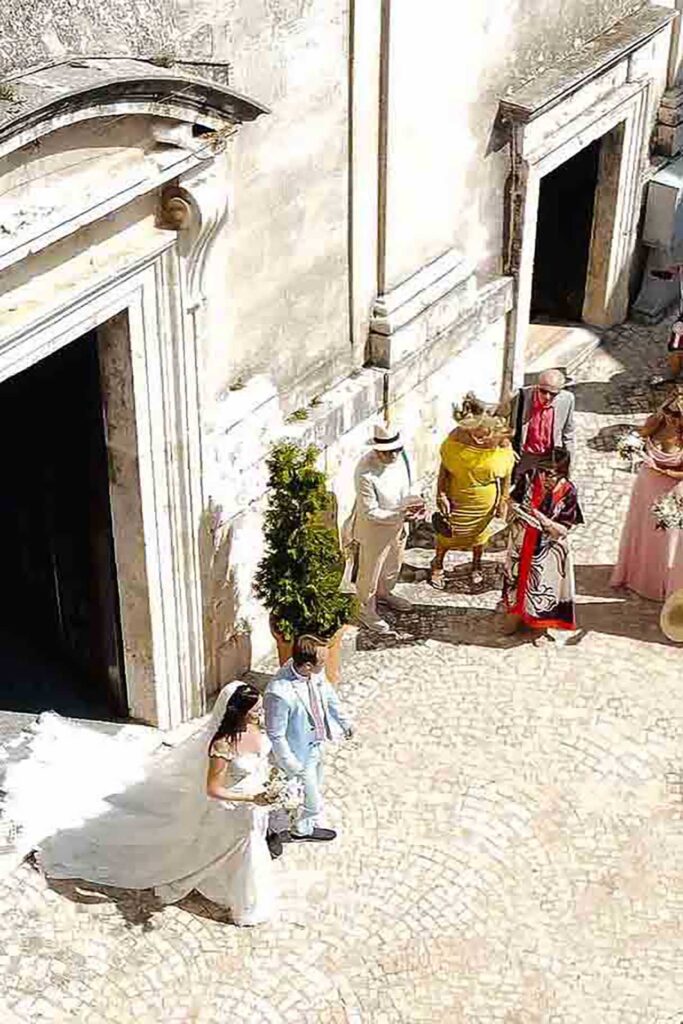
The timeline is the backbone for both your Italian wedding planner and your photographer. It shapes the entire day: when hair and makeup begin, when to gather family for portraits, how long you have to enjoy the sunset, and when the party kicks off. Both teams need to agree on start times, travel between venues (think of a ceremony in Florence and a dinner at a villa outside the city), and how much time you actually want to spend posing for photos versus mingling with your guests.
Timeline Pitfalls to Avoid
One of the biggest pain points I see is overpacking the schedule. If the planner sets tight transitions, your photographer may have only a few rushed minutes for important group shots or couple portraits. Always factor in things like walking time between locations, traffic (especially in cities like Rome or along Amalfi Coast roads), and moments to breathe. If you want sunset photos, check the exact time the sun sets on your date and build in a buffer for delays.
Making the Most of Golden Hour
Golden hour, the hour before sunset, offers the softest, most flattering light for portraits. Let your planner and photographer work together to block this time for you, even if it means stepping away from dinner for 10 to 20 minutes. A little flexibility here gives you some of the most memorable images of the day.
Shot lists keep everyone on the same page. A good list covers your must-have moments and people, but avoid making it too long. If you’re not sure where to start, this guide explains what a wedding photography shot list is and how to create one. In Italy, the trend is toward natural, storytelling images, candid laughter, teary hugs, real joy, rather than stiff poses. If you love this style, tell your planner and photographer so they can prioritize these moments and keep formal photos efficient.
Key Moment
How the Planner Sees It
What the Photographer Needs
Getting Ready
Hair, makeup, dress timing, room setup
Clean space, natural light, 45 minutes for candid and detail shots
Ceremony
Seating, processional order, music cues
Unobstructed aisle, clear view of couple’s faces, 5 to 10 minutes after for couple exit
Group Photos
Family list, location, keeping schedule tight
List of key people, 20 to 40 minutes, quiet spot with good light
Couple Session
Drinks, canapés for guests, timing before dinner
15 to 30 minutes, best light, privacy, flexibility if running late
Reception
Meal service, speeches, cake cutting, party
Access to speech givers, dance floor lighting, time for candid moments
When your planner and photographer share the same understanding of these moments, the day flows smoothly and you get the images you truly want, whether you prefer a mix of modern candid shots, classic posed portraits, or a blend of photo and video storytelling.
4. Handling Challenges: Weather, Delays, and Last-Minute Changes
Weather: What Can Go Wrong?
Rain: Sudden showers can disrupt even the best-laid outdoor plans, especially in places like Lake Como or Tuscany where weather can change fast.
Heat: Italian summers get very hot, making midday outdoor shoots tough on you and your guests.
Wind: Strong gusts can be an issue in coastal towns or on hilltop venues, affecting hair, veils, and décor.
Here’s how your planner and photographer can adapt together:
Scout indoor alternatives: Your planner should have backup spaces ready (a villa’s loggia, a frescoed hall, or a shaded garden pavilion). As a photographer, I always check lighting and backgrounds in these spots before the big day.
Umbrellas: Coordinated, neutral umbrellas work much better in photos than random mismatched ones. A planner can have these on standby, and your photographer will know how to use them creatively for romantic rainy portraits.
Heat strategies: Adjust the timeline to avoid harsh midday sun, shoot group photos in shade, and keep cold drinks available. Quick communication between planner and photographer helps shuffle the schedule if needed.
At a recent wedding in Florence, a sudden thunderstorm hit just before the couple session. The planner quickly opened up a historic library for us, and we made some of the most atmospheric portraits of the day, without missing a beat.
Dealing with Unexpected Delays
Traffic and late arrivals: Italian towns can have unpredictable traffic or road closures. Planners track vendor arrivals and guest transport, while photographers adjust the shot list if group portraits need to be moved or condensed.
Vendor delays: If the florist runs late, your planner updates the photographer so we can swap the order of events or start with couple portraits first.
Extra time buffers: Build in 10 to 20 minutes of flexibility between key moments. This prevents stress and gives space for genuine, unhurried photos even if things run late.
Trust your team’s experience and flexibility. I have seen planners and photographers work side by side to keep the mood calm and the day on track, even when the unexpected happens. At Image Studio, we always prioritize clear communication, your planner and your photo team are your safety net for a beautiful, stress-free wedding in Italy.
5. Budget and Contracts: Aligning Services and Avoiding Surprises
Budget Breakdown: What to Expect
When you coordinate a wedding photographer and planner in Italy, understanding the price landscape helps you avoid unwelcome surprises. For Italian wedding photography, expect to pay between €1,000 and €3,500 for basic coverage. If you want a destination specialist or extended storytelling, typical rates rise to €3,500 to €8,000 per day, and some high-demand photographers charge €8,000 to €15,000 or more. For a mid-range wedding with around 30 guests, €2,500 to €5,000 is common for photography, while larger celebrations (like 80 guests) often fall in the €3,500 to €8,000 bracket.
Your wedding planner’s fees will depend on the level of service. For full-service planning, Italian planners usually charge 7% to 15% of your total budget, or a flat fee around €8,000 to €18,000 for 60 to 80 guests. On-the-day coordination can range from €1,500 to €4,000, with luxury and partial planning packages going up to €30,000 or more. Don’t forget to factor in extra support staff, which can add €250 per team member.
Contract Essentials for Both Teams
A clear contract is the single best tool to protect your vision and reduce stress. For your photographer, check the hours of coverage (is it 8, 10, or more?), what happens if you need overtime, and exactly what you’ll receive: the number of edited images, delivery timeline, and whether high-resolution downloads are included. Read the cancellation policy and understand the deposit and refund terms. For your planner, confirm what is included in their package (vendor selection, on-site coordination, rehearsal dinner support), the number of staff present on the day, and contingency procedures if your point of contact becomes unavailable.
Discuss with both teams how they will communicate with each other, especially for timeline updates or last-minute changes. Open dialogue here means fewer missed moments and a smoother day.
You can negotiate some details without losing out on quality. For example, if your budget is tight, ask your photographer about shorter coverage or fewer deliverables, rather than compromising on their style. Some planners offer partial planning or month-of services that give you professional support without the full-service price tag.
When expectations are set in writing, everyone can focus on your celebration instead of sorting out confusion. If you’re beginning to plan your Italian wedding, start by listing your priorities and then discuss them with your planner and photographer. At Image Studio, I am always happy to walk you through the practicalities to make sure your team is aligned from the very start.
Should I hire my photographer or planner first for an Italian wedding?
Ideally, connect your planner and photographer as early as possible, even before making a final booking with either one. This way, both can understand your vision and work together from the start, especially since logistics and style choices in Italy often overlap.
How do I make sure my photographer understands my style if I’m planning from abroad?
Share visual moodboards, sample images, and a clear list of your must-have moments with your photographer. Early video calls or emails help you explain your preferences, whether you want candid, storytelling photos or a mix of posed and spontaneous shots, so your photographer can plan accordingly.
Can my planner recommend photographers, or should I choose independently?
Many planners have trusted photographers they work well with and can suggest options that fit your style and budget. However, you can also choose your own photographer and simply ask your planner to coordinate with them, as long as both teams are introduced early and communicate openly.
What if my planner and photographer have different opinions on the timeline?
Bring both together for a joint discussion about your priorities and the flow of the day. Let your planner explain the logistics and your photographer highlight the best times for light and photos, so you can find a compromise that respects both the schedule and your vision.
How can I include Italian traditions in my wedding photos?
Talk to your planner and photographer about any Italian customs you want to include, such as a confetti toss, traditional dances, or a classic aperitivo. Sharing these details ahead of time ensures your photographer is ready to capture these moments as they happen.