What Is a Wedding Photography Shot List and Should You Make One?
November 5, 2026
A wedding photography shot list can help you get the photos you care about most, but it can also limit spontaneity. Here’s how to decide if you need one, and how to make it work for you.
If you’re planning a wedding in Italy, chances are you’ve heard about the wedding photography shot list. Some guides make it sound essential, while others warn it can be a distraction. So what actually is a shot list? Is it just a checklist of family groupings, or can it shape the mood and flow of your wedding day?
As a photographer at Image Studio, I have worked with couples who arrive with carefully typed lists, as well as those who simply want to enjoy the moment and let us do the rest. Both approaches can work, but the best results come from understanding what a shot list really does, and what it can’t do. Your decisions will shape not only which photos you get, but also how your day feels and flows, especially in Italy where local customs, legal photo permits, and unique venues add extra layers to the planning.
In this article, I’ll walk you through what a wedding photography shot list is, when it helps, and how you can make one that supports your vision without turning your celebration into a marathon of posed photos. Whether your dream is a relaxed countryside gathering, a grand city event, or something in between, you’ll find practical, Italy-specific advice here to guide your choices.
What Is a Wedding Photography Shot List?
A wedding photography shot list is a simple, practical tool: a written list of the photos you want your photographer to capture on your wedding day. It is your way of sharing your priorities and must-have moments, so nothing important slips through the cracks. The shot list can be as short as a handful of groupings or as detailed as a breakdown of every key event. It is not a rulebook that locks your photographer into only one way of working. Instead, it helps us, as professionals, understand what matters most to you and who you want to see in your final gallery.
Shot List vs. Timeline: What’s the Difference?
It’s easy to mix up the shot list with the wedding timeline or a style guide. A timeline outlines when each part of your day happens: when you get ready, the ceremony, portraits, dinner, and dancing. It helps us know how much time to allow for each set of photos. A style guide, on the other hand, is about the look and feel you want, classic, documentary, editorial, or candid. The shot list is focused on specific images: who is in them, and what is happening. For example, “bride with her grandmother” or “first kiss after the vows” are shot list items. The timeline tells us when these will happen, and the style guide sets the mood for how we shoot them.
What’s Usually on a Shot List?
Most shot lists include formal group portraits, such as the couple with parents, siblings, and grandparents. They also highlight moments you do not want missed: the first look, walking down the aisle, exchanging rings, the first kiss, and cake cutting. Some couples have unique requests, such as a photo with a beloved pet or a specific friend group. In my experience at Image Studio, the best shot lists balance these essentials with enough space for spontaneous, candid moments. A shot list is not a script, it is a conversation starter, a way to make sure your photographer knows what you truly care about, while still allowing for the real, unplanned beauty of your wedding day to unfold.
When Does a Shot List Help: and When Can It Hurt?
When a Shot List Is Essential
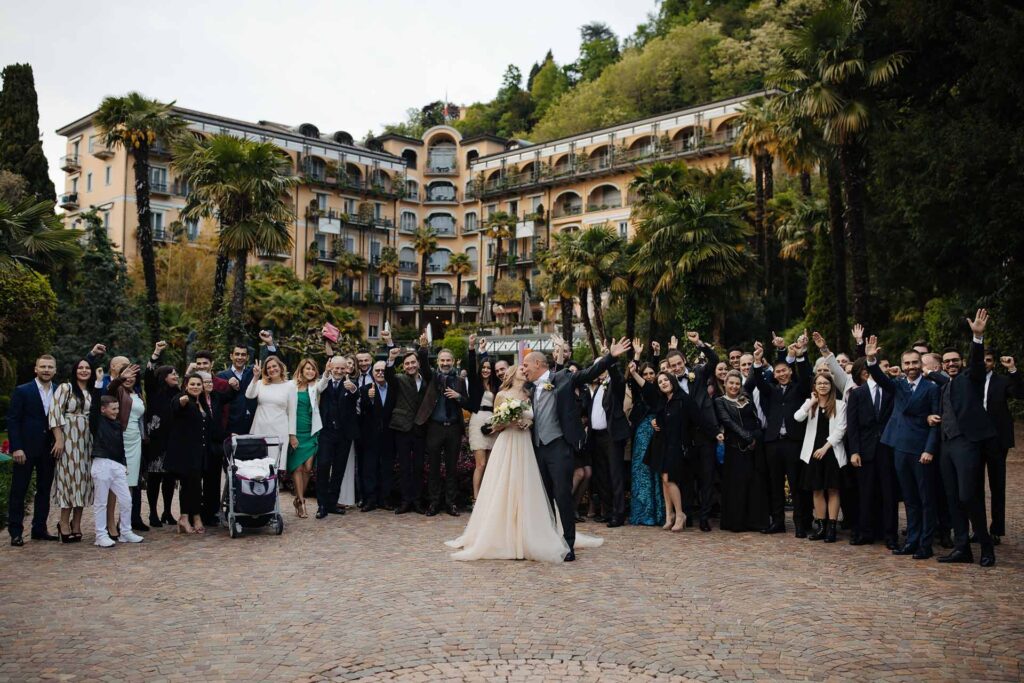
If your wedding brings together a large or blended family, a shot list is more than helpful, it is almost necessary. Italian weddings often include extended relatives, step-siblings, and friends who have become family over the years. Keeping track of who needs to be in each photo can quickly get complicated. A carefully crafted list ensures that no one is forgotten and that sensitive relationships are respected. The same goes for special traditions or rare groupings you may only have one chance to capture: for example, a four-generation portrait, a photo with a lifelong friend visiting from abroad, or a blessing ritual specific to your culture.
Time is another factor. Family formals alone usually mean 10 to 15 groupings, which take about 30 to 45 minutes. If you need to fit these into a tight schedule, say, you have only 6 hours of photography and want to enjoy every minute of your reception, a shot list helps keep things moving. Your photographer can call out each group, check names off, and focus on the photos that matter most to you. This means fewer delays and more time for you to celebrate.
When to Let Go of the List
On the other hand, a shot list that tries to cover every single moment or pose can start to work against you. I have seen lists that run several pages long, with dozens of Pinterest-inspired setups or minute-by-minute instructions. This can slow down your entire day and make group photos feel stiff or rushed. If your photographer is glued to a checklist, it becomes harder to capture those real, unscripted moments: a grandparent’s laugh, a friend wiping away tears, or kids caught mid-dance.
Some of my favorite images from weddings in Rome and Florence came when couples trusted us with a priorities-based list. They highlighted must-have family shots and one or two unique requests, then let us move freely. This gave us space to notice the way the light caught the bride’s veil in the courtyard or to catch an unplanned embrace in the middle of a bustling piazza. A flexible list is a guide, not a script. At Image Studio, we always recommend sharing what really matters to you, then giving your photographer room to document the energy and emotion that make each Italian wedding unforgettable.
How to Make a Shot List That Works for You (and Your Photographer)
Step 1: List Your Must-Have Group Photos
Begin by noting the family and group portraits that matter most. Think about immediate family, grandparents, siblings, and close friends. A typical formal session includes 10 to 15 groupings, which takes about 30 to 45 minutes to photograph. This is often the most structured part of the day, so it helps to write down names and relationships to avoid confusion and save time. If you need help deciding who to include, see this guide: Wedding Family Photo List: Who to Include.
Step 2: Identify Key Moments
Make a list of the “can’t miss” moments. These are usually things like your first look, walking down the aisle, the exchange of rings, first kiss, and the confetti toss. For the reception, you may want coverage of speeches, cake cutting, and your first dance. These moments usually fall into predictable timeline blocks: 1 to 2 hours for getting ready, 45 minutes to 1 hour for couple portraits, about 30 minutes for wedding party photos, and 30 minutes for close-family formals. Add in a short buffer of 5 minutes between each segment to keep everything on track.
Step 3: Add Personal Touches
Every wedding has its unique details. Maybe you have a special heirloom, a pet you want in a few photos, or a custom cocktail hour in the olive groves outside your villa. Note any special requests clearly, but keep the list focused. Instead of scripting every shot, highlight what’s most meaningful to you, this lets your photographer stay alert for genuine, unscripted moments that tell your story.
Step 4: Share Context, Not Just Names
Tell your photographer about any sensitive family situations or important dynamics. For example, if parents are separated, or if there are guests who should or shouldn’t be grouped together, let us know in advance. This context helps us plan the flow, avoid awkward moments, and keep everyone comfortable. The more you share about your priorities and the atmosphere you hope for, the better we can anticipate and capture images that truly reflect your day.
A good wedding photography shot list balances structure and flexibility. Start with the must-haves, sprinkle in the personal touches, and trust your photographer to fill in the spaces with the real, candid moments that make your Italian wedding uniquely yours.
Shot List or No Shot List? A Practical Comparison
Detailed Shot List
Priorities-Only List
No List
What is it?
Every desired shot spelled out: from each family grouping, decor detail, to every event moment.
A short list of “must-have” people, groupings, or moments. Usually 10 to 20 top priorities.
Photographer works freely, guided by experience and the feel of your day, without any checklist.
Efficiency
Keeps photography on a tight schedule. Group photos and formal setups tend to run smoothly, especially for large or complex families.
Streamlines the day with focus on what matters most. Leaves room for the photographer to manage time efficiently.
Maximum flexibility. The timeline can flow more organically, but may require the photographer to make quick decisions on the fly.
Stress Level
Can increase stress for couples and photographers, especially if the list is long or rigid. Risk of feeling rushed or missing unplanned moments.
Lower stress. The essentials are covered, so you can relax and enjoy the experience, trusting the photographer to fill in the rest.
Lowest preparation stress, but can lead to anxiety during or after the wedding if you worry about missing something important.
Candid Moments
Less space for spontaneous shots, since the schedule can be tight. Candid moments may get squeezed out by the checklist.
Good balance: must-have formals and space for real, emotional moments. Photographer can move between planned and natural scenes.
Full freedom for candid storytelling. Your gallery will reflect the flow and atmosphere of the day, but key formals might be missed.
Risk of Missing Key Photos
Very low risk for formal shots or special requests. High chance to capture every grouping, detail, or tradition on your list.
Low risk if you communicate priorities clearly. Some minor details may be missed, but all important moments are covered.
Higher risk, especially for large families or complex events. Some groupings or traditions could be forgotten in the moment.
Best For
Couples who want total control, have specific family needs, or value tradition above all. Ideal for large, formal weddings.
Couples who want the essentials, natural storytelling, and trust their photographer’s eye. Works well for most Italian weddings.
Couples who are relaxed, flexible, and want documentary-style coverage. Best for small, intimate weddings or elopements.
If you are detail-oriented and have family dynamics to navigate, a detailed shot list will give you peace of mind, but be ready for a more structured day. Most couples find a priorities-only list strikes the right balance: your photographer knows what truly matters, and you both have the freedom to enjoy the genuine, unscripted moments that Italian weddings are known for. If you prefer to let things unfold naturally and trust in the experience of your photographer, skipping the list can lead to a very real, documentary-style story, just make sure you are comfortable with the small chance that some traditional groupings might be missed. At Image Studio, we often work with couples to find this sweet spot, allowing you to relax and immerse yourself in the beauty of your celebration.
Making Your Shot List Work in Italy: Local Tips and Legal Details
Permits and Permissions in Italian Cities
Check permit requirements early: For public venues in cities like Milan, you need to apply for photo permits at least 6 working days in advance. Cinematic filming requires a 30-day notice. This is especially important if you dream of group photos at sites like Piazza del Duomo or historic gardens.
Ask about local restrictions: Some squares, parks, and even municipal buildings may limit professional photography, especially during tourist season or local festivals. Always confirm with your venue.
Respect portrait rights: Italy does not grant “freedom of panorama.” You can photograph in most public spaces, but you must avoid including strangers without their explicit permission. Be extra careful if children are present: Italian law strongly protects minors’ images.
Include time for logistics: If your shot list includes multiple public locations, account for permit checks and walking times between sites. Sometimes, a little extra planning avoids last-minute stress.
Have a rainy-day backup: Italian weather can surprise you, even in summer. Add a few indoor or sheltered groupings to your shot list, or ask your photographer for locations nearby with cover.
Stay flexible for timing: If your ceremony or dinner runs late, work with your photographer to prioritize the most important people and moments. A good shot list helps you adjust quickly.
Respect local customs and staff: Some churches and historic venues have strict rules about flash, movement, or where group photos can happen. Discuss these in advance so your list fits the setting.
Trust your team: At Image Studio, we help couples adapt on the day, moving groupings, finding new backdrops, or reworking your list if needed. Your peace of mind is our priority.
The best next step? Start your list with your must-have people and moments, check your venues’ requirements, and talk to your photographer about how to keep your plan stress-free and beautiful. If you want expert support with Italian logistics and adapting your shot list, you can always reach out to Image Studio.
How many photos will we actually receive from our wedding photographer?
For a full-day wedding, you can expect to receive between 400 and 800 edited photos. This usually works out to about 50 to 80 images for each hour of coverage.
Should we make a separate shot list for our videographer?
You do not need a separate shot list for your videographer. Sharing your main photography shot list and priorities with both your photographer and videographer is usually enough, since both teams work together to cover the key moments and people that matter most to you.
What if we forget to include someone important in our shot list?
If you realize someone important is missing from your shot list, let your photographer know as soon as possible, even on the day itself. We understand that things change and can usually adjust quickly to make sure everyone special to you is included.
Can we change our shot list after we’ve given it to the photographer?
Yes, you can update your shot list after sharing it with your photographer. Just try to communicate any changes before the wedding day or early in the schedule, so we can plan the timing and groupings smoothly.
Do we need a shot list if we want mostly candid photos?
If you prefer mostly candid photos, a detailed shot list is not necessary. It still helps to share a short list of must-have groupings or moments, so nothing truly important is missed, but then you can trust your photographer to focus on capturing the real, spontaneous atmosphere of your day.