Fashion Campaign Photography in Italy: Step-by-Step Production Guide
October 29, 2026
Learn how fashion campaign photography in Italy works, from creative direction and casting to production, licensing, and final image delivery.
Booking a model for a campaign shoot in Italy involves more than just a daily fee. For example, usage rights for images can add 50 to 300 percent to the base cost, and for national campaigns, the total spend per model or lead actor often reaches two to four times the original rate. These figures underline how important it is to see fashion campaign photography in Italy as a detailed, multi-stage process, not just a creative day on set.
If you are a brand manager, creative director, or fashion marketer planning your first campaign here, you need a clear map from the initial brief right through to image delivery. This guide gives you a step-by-step overview: how creative direction is set, how casting and locations are chosen, the nuts and bolts of styling and set design, who does what on production day, and the practicalities of licensing, selection, and handover. You will find examples from real productions across Italy, not just Milan, so you can brief your team confidently, manage budgets, and avoid the problems that catch out first-time campaign leads.
1. Creative Direction and Campaign Planning: Where It Starts
What to Put in Your Brief
Every campaign begins with a clear and detailed brief. This document is not just for your internal team, it sets direction for everyone, from your agency to the photographer, stylist, and production crew. Good briefs in Italy always include the campaign’s core objectives, the desired mood or story, and specifics on usage: what images or videos are needed, for which channels, in what formats, and with what licensing duration. List your main deliverables (for example, hero images for print, social cut-downs, behind-the-scenes content). Set a realistic budget range and flag any must-have locations, faces, or styling points. If you have references, past campaigns, moodboards, or brand films, attach those too. The more visual and practical your brief, the faster your team can align on creative direction.
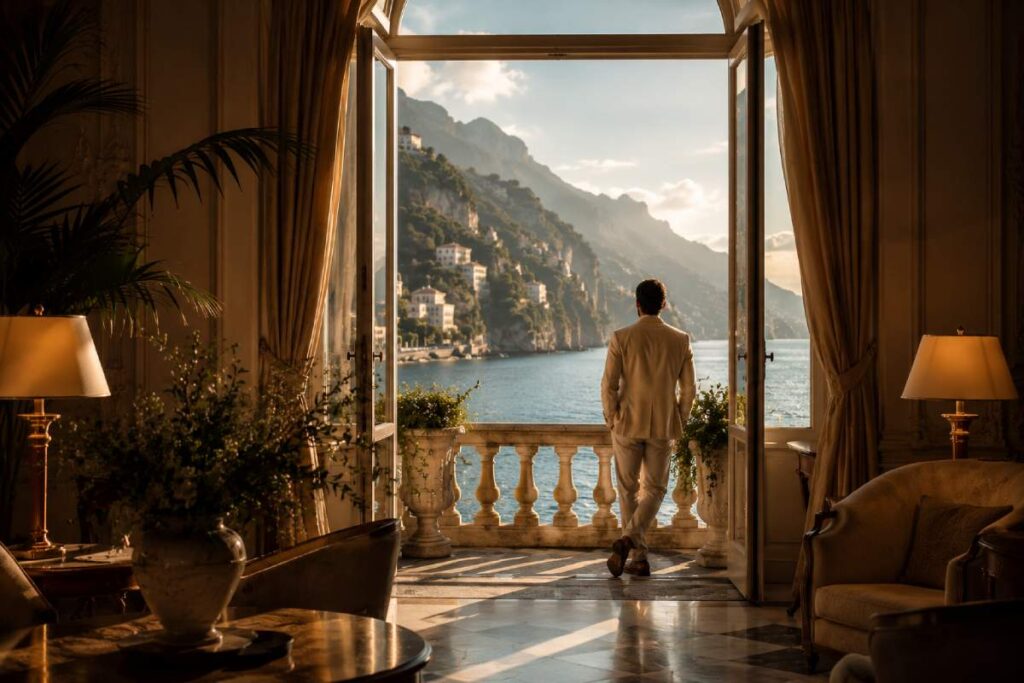
Creative direction in Italy usually starts with moodboards and visual references. These boards show the color palette, atmosphere, and storytelling style you are after. At Image Studio, we often see brands bring moodboards that combine Italian locations, like the Villa del Balbianello on Lake Como, with specific lighting examples (hard midday sun, or golden hour). The creative director and photographer will break down the brief into a shot list, mapping out each image or film sequence needed. This is where your campaign starts to become concrete: you translate abstract ideas into practical setups, shot by shot.
Timeline Benchmarks for Italy
The standard timeline for a fashion campaign in Italy runs from 6 to 12 weeks, depending on complexity and scale. For smaller shoots, you can move from brief to delivery in about six weeks. A typical week-by-week structure looks like this:
Week 1: Brief and budget approval
Weeks 2 to 3: Concept development, art direction, initial moodboards
Weeks 3 to 4: Casting, crew hiring, and location booking
Weeks 4 to 5: Shot list, contracts, permits
Weeks 5 to 6: Pre-production, styling, set design
Week 6: Production shoot
Weeks 7 to 8: Selection, editing, retouching, and delivery
For larger, multi-day or multi-location campaigns, you may need 10 to 12 weeks, especially if you are securing in-demand models or unique venues.
At this stage, your key roles are the brand or client (you), the agency or producer, the creative director, the photographer, and often a project manager. Producers in Italy tend to charge €300 to €500 per day, or a percentage of the total budget, once a shoot grows beyond a small scale.
Budgeting is straightforward if you know the benchmarks: small-scale shoots start from €10,000; full campaigns with multiple days, locations, and high-profile talent can run from €60,000 to €200,000 or more. For a detailed breakdown of Milan’s production scene, see our Fashion Photography Milan: A Brand & Creative Guide.
2. Casting, Crew, and Location: Building Your Team and Setting
Casting Costs and Usage Rights
Choose your casting method: In Italy, you can book models through agencies, platform-based services like FastCasting, or conduct street casting. Agencies handle logistics but add fees; FastCasting lets you post for free, with payment going directly to the selected talent. Street casting works for authentic, real-life looks but takes more time.
Understand model rates: Campaign model rates vary by shoot type and profile. For extras, expect €80 to €150 per day. Catalogue or e-commerce models are typically €250 to €500 per day. Lookbook and showroom work falls in the €300 to €700 range. High-profile campaign models can range from €500 up to several thousand euros per day.
Factor in image usage rights: Usage rights are a crucial cost. For campaigns, image licensing can add 50% to 300% of the base fee, depending on how and where the images will be used (social only, print, national, etc.). For lead models or actors, the final fee (including usage) can reach 2 to 4 times the base daily rate.
Confirm contracts and deliverables: Always clarify image usage, exclusivity periods, and deliverables before booking. For inspiration on campaign imagery and potential usage scenarios, review 8 Editorial Photography Examples to Inspire Your Campaign.
Location Scouting in Italy
Scout diverse settings: Italy offers a huge range of options: city studios in Milan or Rome, stately villas around Lake Como or Florence, coastal backdrops in Puglia or Amalfi, and industrial spaces for urban looks.
Check permits and access: Many locations, especially historic villas or public spaces, require advance permits. These can take from a few days up to several weeks to secure, depending on the municipality or venue.
Budget for location costs: Studio and location fees can vary widely, so get quotes early. Don’t forget to budget for transportation and catering, especially for remote or multi-day shoots.
Confirm your crew: You typically need a producer (or project manager), photographer, first and second assistants, stylist, makeup artist (MUA), set designer, and digital operator. Producers charge €300 to €500 per day, stylists and MUAs typically range from €250 to €600 per day, and set designers vary by scope.
Checklist before booking talent and locations:
Have you locked the concept and shot list?
Are usage rights and deliverables for all talent and crew clear?
Have you confirmed shoot dates with all team members?
Are contracts, permits, and insurance in place for every location?
Is your budget aligned with the rates and fees above?
3. Styling, Set Design, and Pre-Production: Bringing the Vision to Life
Styling and Set Design Workflow
Styling and set design translate your campaign’s concept into real environments, looks, and moods. The stylist works closely with you and the creative director to select clothing, accessories, and the right fit for each model, ensuring every look matches the brand’s story and visual goals. Expect multiple fittings, these are usually scheduled in the week before the shoot, letting the stylist make real-time adjustments and test combinations under studio or natural light.
Set designers handle everything from mood boards and sketches to sourcing props and materials. For a studio shoot, this may be simple: backdrop color, a few props, controlled lighting. On a large-scale location campaign, set designers build and dress spaces, sometimes working with local artisans or vendors to create custom elements. This phase involves tech scouts, where production heads visit each location with the stylist, set designer, and photographer to plan lighting, movement, and logistics.
Pre-Production: Scheduling and Logistics
Pre-production is where details come together. Your producer organizes fittings, prop pickups, and set builds, and they distribute call sheets listing timings, addresses, and contact details for every crew member. Catering is arranged for shoot days, especially if the team is on location or working long hours. At Image Studio, we find that a clear workflow and detailed call sheets keep shoots on time and teams focused.
Allow at least one to two weeks for pre-production on a small studio shoot, and up to four weeks or more for complex, multi-location campaigns. Typical steps: confirm team and cast, schedule fittings and set builds, run tech scouts, finalize logistics, and prepare backup plans for weather or travel delays.
Studio vs. Location Campaigns
Small-Scale Studio Shoot
Large Location Campaign
Team Size
6 to 10 (photographer, producer, stylist, MUA, assistant, model(s))
12 to 30+ (add set designer, builder, multiple stylists, larger cast, transport crew)
Prep Time
1 to 2 weeks
3 to 4 weeks (or more for custom sets and large teams)
Styling & Set Design
Simple backdrops, minimal props, 1 to 2 looks per model
From €2,970 for a single day (model, MUA, studio, catering, post)
€60,000 to €200,000 for multi-day, location, and crew-intensive campaigns
Logistics
Simple call sheets, in-studio catering, minimal transport
Complex call sheets, location permits, travel, catering for large teams
Whether you are planning a streamlined studio shoot or a multi-location campaign across Italy, investing time in styling, set design, and pre-production smooths the path to a successful shoot day.
4. Production Day: Roles, Workflow, and On-Set Decisions
On-Set Roles Explained
A typical fashion campaign shoot in Italy brings together several core roles, each with a clear job:
Photographer: Leads the vision on set, directs lighting, framing, and works closely with models and stylists to capture the right mood for the brand.
Director (if shooting both film and stills): Ensures the campaign’s story flows across all content, coordinates with the photographer and client to keep messaging consistent.
Producer or Project Manager: Handles logistics on the day, from call times to catering and ensuring everyone is where they need to be. For Italian productions, this can be a dedicated producer or someone working as a percentage of the project budget.
Assistants: Support the photographer with lighting, gear changes, and set adjustments. They help the day run smoothly and solve technical issues quickly.
Digital Tech: Manages image capture and immediate back-up, ensuring files are safely stored and previews are available for client review.
Stylist: Prepares wardrobe and accessories, dresses models, and makes sure each look is camera-ready.
Makeup Artist (MUA) and Hair Stylist: Handle beauty prep and quick changes between looks, adapting to weather and light as needed.
Client or Brand Rep: Reviews images throughout the day, requests adjustments, and approves looks before moving to the next setup.
A Shoot Day in Practice
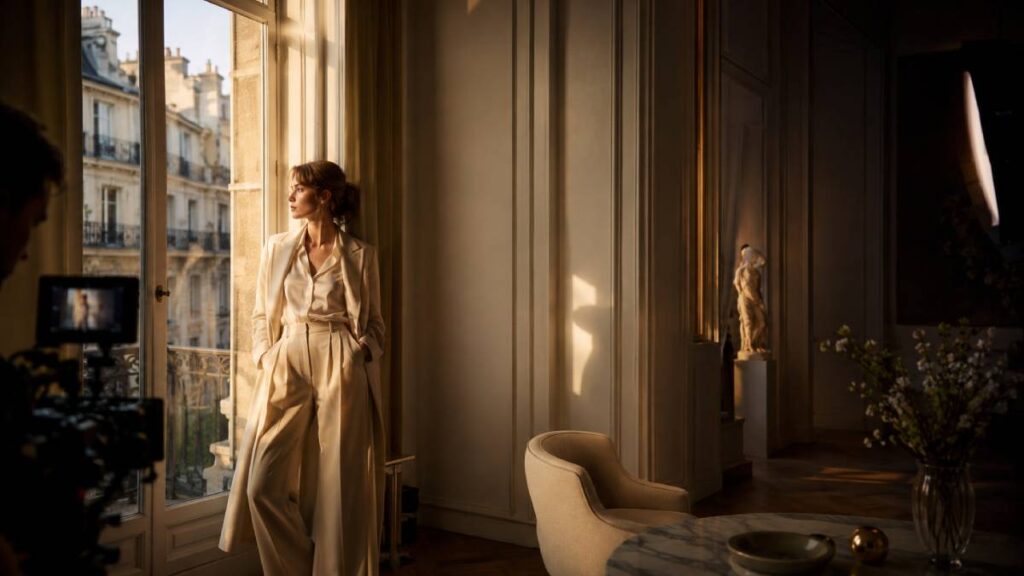
Most Italian fashion shoots start early. Crew and talent arrive for hair, makeup, and wardrobe. The producer checks the schedule, and the photographer leads a technical walk-through. Assistants set up lights and gear, often taking advantage of Italy’s morning light or prepping indoor lighting (see practical advice in Fashion Photography Lighting Techniques That Work).
Test shots kick off the day, letting the client see the setup, approve the first looks, and adjust styling or lighting. Throughout the shoot, the digital tech streams images to a nearby monitor for instant review. The client can give feedback on poses, expressions, and styling, making changes on the fly to match the campaign’s goals.
Italian locations bring unique considerations. Outdoor shoots require watching the weather, especially in spring and autumn, and respecting local access rules. Light changes quickly, so keep your workflow agile: have backup locations or flexible indoor options ready. A good producer will anticipate breaks for espresso or lunch, which are part of Italian work culture and keep morale high.
Wrap-up comes after a final review of key images. The photographer checks that all client notes have been addressed before packing down. The producer confirms that all gear is accounted for, files are backed up, and the day’s work matches the shot list.
5. Image Selection, Licensing, and Deliverables: Wrapping Up
Image Selection and Retouching
After the shoot, the first step is to sort and select images. Your photographer will create a shortlist, filtering out the strongest frames that fit your brief and the campaign’s mood. Typically, you receive a contact sheet or a gallery of these preselected images within a few days. The client (often you, the brand manager or art director) reviews the gallery and makes initial picks. For a standard campaign, expect to review 100 to 300 proofs for a final selection of 15 to 30 images, though the numbers can vary.
Once you confirm your choices, the selected images go into retouching. This process covers color correction, skin work, background cleanup, and any special requests made during pre-production. There are usually one or two rounds of review, where you can request tweaks to meet brand standards. For a deeper look at what is involved at this stage, see Retouching in Professional Photography: What Pro Shooters Need.
Timing is key here. For a mid-size campaign, expect the full selection and retouching process to take one to two weeks, depending on how quickly you give feedback and the complexity of the edits. Build this into your overall timeline to avoid last-minute stress.
Licensing and Final Files
Licensing is a critical step in Italian fashion campaign photography. Image usage rights are negotiated based on where and how long the images will be used: think print, online, social, out-of-home, regional or global. In Italy, licensing fees for models and talent are typically 50 to 300 percent of their base fee, depending on the campaign’s exposure. For lead models or actors, the total cost with usage rights can reach two to four times their daily fee. Agencies or production studios will document all rights in writing, including talent, photographer, and location permissions.
Your deliverables usually include high-resolution retouched images (often TIFF or JPEG), web-ready versions, and a folder of raw files if agreed in advance. You will also receive all licensing paperwork and a summary of usage rights for each asset. Campaigns often wrap with a formal delivery email or cloud link, with files organized by platform or usage need.
To keep delivery smooth, agree on a file naming convention and folder structure early. Assign one person on your team to check that all files match the shot list and that rights documents are in order. Back up your assets in multiple locations as soon as they arrive.
At Image Studio, we guide you through each step, from the first shortlist to final file delivery, making sure every image is ready to use and legally covered. If you have specific requirements or want to discuss your next fashion campaign in Italy, reach out for a tailored pre-production consultation.
How do I choose between shooting in a studio or on location in Italy?
Think about your campaign’s story, the look you want, and your budget. Studio shoots are more controlled, cost-effective (a single-day e-commerce shoot can be around €2,970), and simpler to manage, while location shoots across Italy offer unique backdrops but require more planning, permits, and higher budgets, especially for multi-day or multi-location campaigns that can run from €60,000 to €200,000 or more.
What are the common pitfalls for international brands producing in Italy?
The main issues are underestimating the time needed for permits, not budgeting for image usage rights (which can add 50 to 300 percent to model fees), and overlooking local work culture like midday breaks. It’s also easy to misjudge logistics when moving crews between regions, so always allow extra time and confirm all contracts and insurance before production.
How do Italian image usage rights differ from other countries?
In Italy, image usage rights are often negotiated separately from the model’s daily fee and can add 50 to 300 percent to the base cost, depending on how and where the images will be used. For national campaigns, the total spend per model or lead actor can reach two to four times the original rate, which is higher than in some other markets where usage is bundled or less strictly enforced.
What happens if weather disrupts a planned outdoor shoot?
Weather is a real factor, especially in spring and autumn. Always have a backup indoor location or flexible shoot plan ready, and build extra days into your schedule if possible. Producers in Italy are used to these challenges and can help you adapt quickly, but last-minute changes may affect costs and logistics.
How can I keep a campaign on budget without sacrificing quality?
Start with a detailed brief and a realistic production timeline of six to twelve weeks, depending on scale. Prioritize your must-have shots, use clear contracts for image rights, and work with experienced local producers who know how to optimize crew, casting, and locations. Even on a smaller budget, careful planning and transparent communication help you get the best results without surprises.