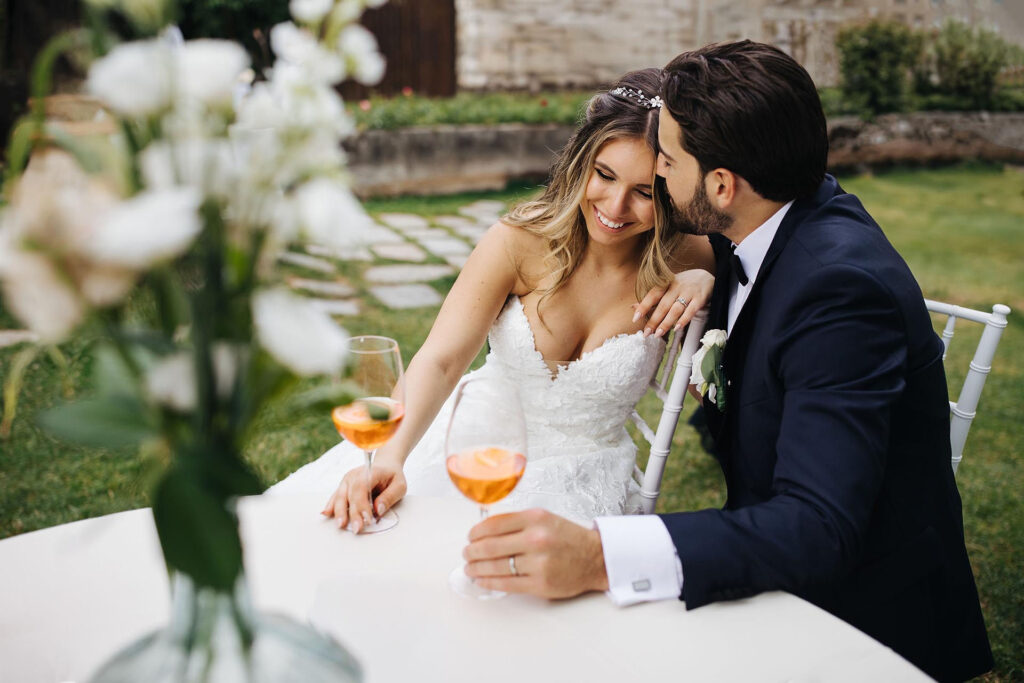
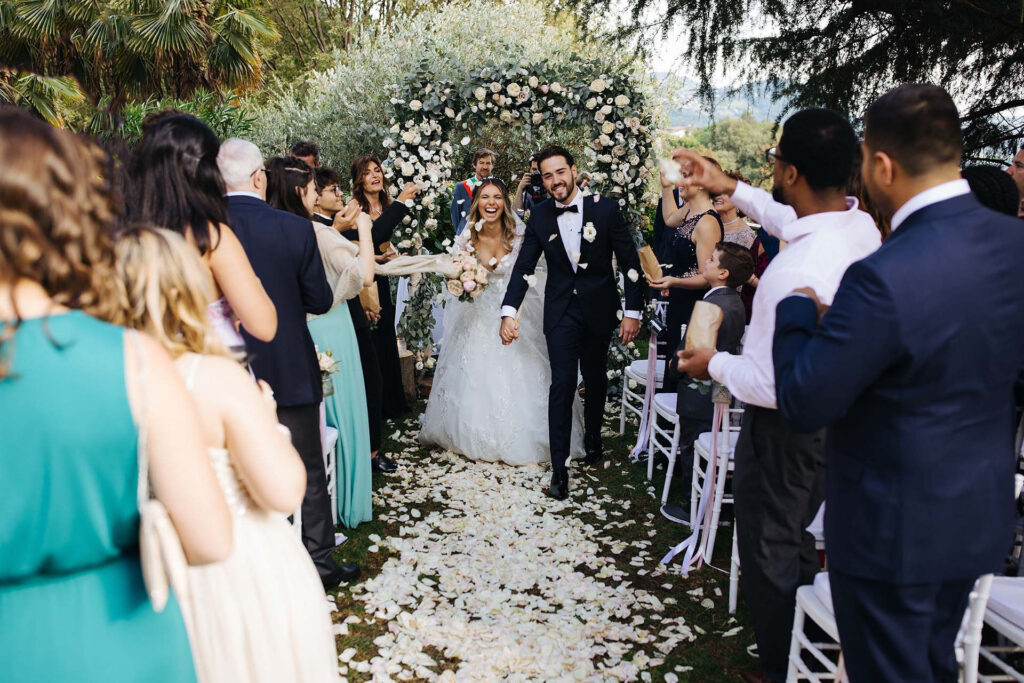
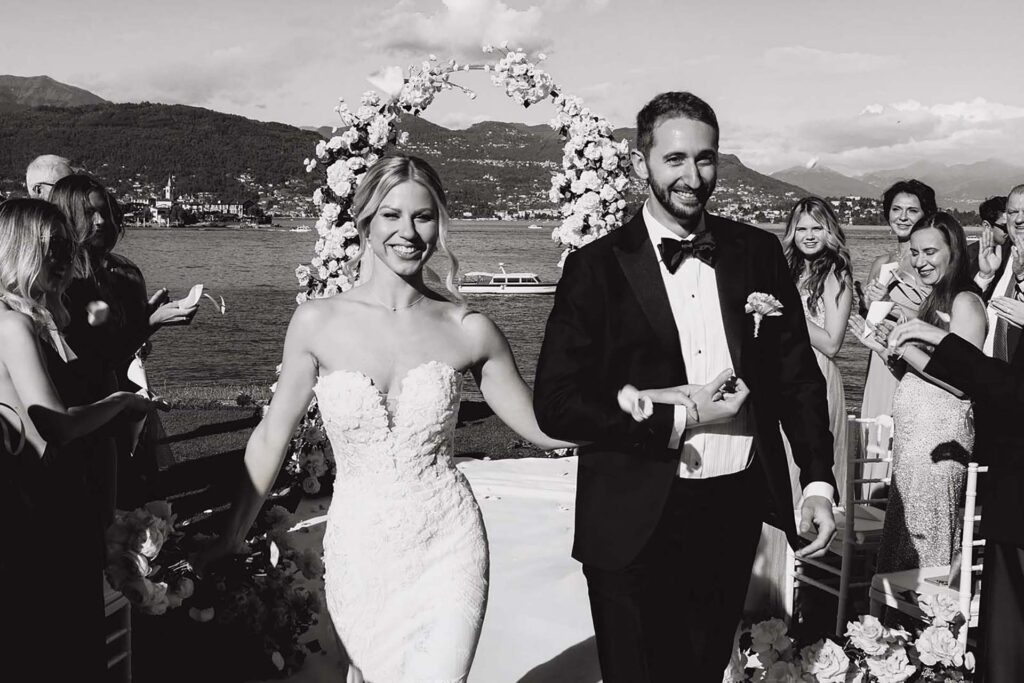
An immersive look at how a three-day celebration at Villa Balbiano can unfold through arrival, ceremony, atmosphere, photography, film and the final morning.
← Back to Editorial
The teams should not compete to capture identical material. The strongest coverage comes from clear roles, communication and shared respect for the guest experience.
← Back to Editorial
Three Days at Villa Balbiano: A Lake Como Wedding Story
August 24, 2026
IMAGE STUDIO STORIES
Three Days at Villa Balbiano:
Behind One Extraordinary Celebration
A story-led framework for how a multi-day Lake Como celebration can unfold – from arrival to the final morning.
| EDITORIAL NOTE This is an immersive three-day celebration framework, not a claim that Image Studio documented one specific three-day Villa Balbiano wedding. Verified venue history is separated from editorial planning and visual interpretation. |
1.The Story Begins Before the Wedding Day
A three-day wedding changes the meaning of coverage. The ceremony remains important, but it no longer has to carry the entire memory of the celebration. Guests arrive before the formalities. Families meet over drinks. Friends find their rhythm. The landscape becomes familiar. By the time the vows begin, the story already has a history.
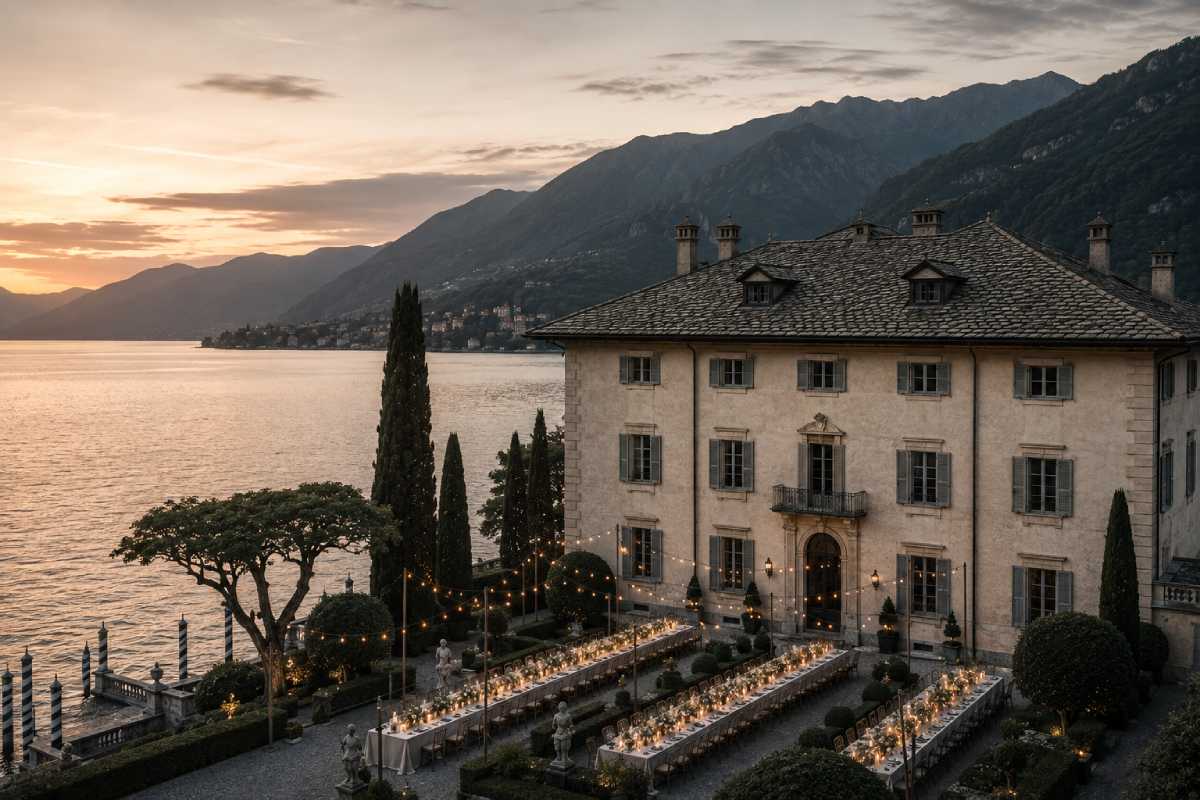
At Villa Balbiano, that idea feels especially natural. The property is not simply a backdrop facing Lake Como; it is a sequence of approaches, gardens, rooms, water, architecture and changing light. A multi-day celebration gives those layers time to reveal themselves rather than compressing everything into one afternoon.
For couples still understanding the destination itself, continue with our Lake Como wedding photography guide.
| KEY INSIGHT A multi-day wedding is not automatically a better story because it is longer. It becomes richer only when each day has a distinct emotional purpose. |
2.Villa Balbiano: The Historical Stage
The modern wedding identity of Villa Balbiano sits on centuries of history. The Municipality of Tremezzina describes it as one of the Lario’s oldest and most fascinating residences. The complex was acquired by Cardinal Tolomeo Gallio in 1597; reconstruction under Marco Gallio began in 1637, with later work adding gardens, stucco and fresco decoration. In 1787 Cardinal Angelo Maria Durini acquired the villa and expanded its architectural and social life.
That history matters visually because Balbiano is not a neutral luxury venue. Its Italian garden, lake-facing architecture, historic interiors and relationship with the water create several visual languages inside one property. A multi-day celebration can reveal them progressively rather than showing everything at once.
| THE DETAIL Historical sources connect Cardinal Durini’s Balbiano with literary gatherings and the poet Giuseppe Parini. Its identity as a place of hospitality and culture therefore predates its contemporary wedding role. |
3.Three Days, Three Different Jobs
| Chapter | Emotional role | Visual role |
| Day One – Arrival | Belonging | Establish people, place and anticipation |
| Day Two – Celebration | Intensity | Build the central narrative around ceremony, portraits, guests and night |
| Day Three – Afterglow | Memory | Release formality and preserve the final shared hours |
4.DAY ONE – Arrival: Let the Lake Become Part of the Story
The first day should not feel like a smaller version of the wedding. Its strength is looseness. Guests have travelled, the formal programme has not yet taken over, and conversations happen without the pressure of a ceremony timeline.
The visual objective: establish context
Arrival coverage can answer questions the wedding day often has no time to answer: Where are we? Who has travelled here? Which relationships matter? How does the couple move among their guests when nobody is waiting for a processional?
Wide frames can introduce the lake and architecture. Medium-distance photographs can show groups beginning to form. Close observations can preserve gestures, embraces, glasses being raised, wind moving through clothing and the first evening light across the water.
| FIELD NOTE Do not spend the welcome event manufacturing a second portrait session. The strongest first-day photographs often come from allowing guests to forget that the visual team has arrived. |
What Day One can include
Guest arrivals and reunions
An aperitivo or informal welcome dinner
A short portrait sequence before sunset
Establishing photographs of the villa, lake and details
Natural conversations between families and friends
Selective vertical social-first moments without turning the evening into content production
When fast, informal coverage is part of the plan, our guide to a wedding content creator in Italy explains how that role can complement photography and film.
5.DAY TWO – The Celebration: From Observation to Intention
The second day carries the greatest narrative weight. It is also where a rigid commitment to one photographic style becomes limiting. Preparations may need quiet observation. Portraits may need direction. A ceremony asks for anticipation. Dinner requires awareness of design and people simultaneously. The party demands speed, proximity and technical control.
| KEY INSIGHT The visual language should change with the event. Consistency does not mean photographing every chapter in the same way. |
Morning: restraint before spectacle
The early hours can be visually quieter than the architecture suggests. Clothing, letters, family members and preparation details establish intimacy before the scale of the venue takes over.
Ceremony: protect what cannot be repeated
During a ceremony, the priority shifts from construction to anticipation. Expressions happen once. Guests react independently. The photographer’s job is to understand relationships and position before the moment arrives, not to recreate it afterwards.
Portraits: use Balbiano without letting Balbiano use the couple
A famous venue creates a temptation to reproduce familiar compositions. The better question is how the architecture can support this particular couple. Gardens, façades, interior geometry and the lake can each produce a different portrait language. The goal is not to collect every recognisable corner; it is to choose the spaces that belong to the story.
| FIELD NOTE A concise portrait window often creates stronger work than a long tour of the property. Fewer locations, used with greater intention, can protect both the photographs and the couple’s experience. |
Dinner and night: the story becomes social
As daylight disappears, the emphasis moves toward tables, speeches, reactions and movement. Artificial light can become part of the visual language rather than a technical compromise. Direct flash, ambient light and slower shutter techniques can all have a place when they support the atmosphere rather than becoming effects for their own sake.
For the wider question of photographic approach, see Editorial or Documentary? Discovering the Photography Style That Reflects Your Story.
6.The Lake Is Not Background — It Is Movement
Lake Como weddings are experienced through movement: road, gate, garden, dock, boat, terrace and room. That movement can become narrative material. A boat is not valuable merely because it produces a recognisable Lake Como photograph. It changes pace, perspective and the way guests experience the landscape.
For visual teams, transitions are where continuity is built. The frame that shows people leaving one environment can be as important as the hero portrait waiting at the next.
| GOOD TO KNOW When boats, transfers or off-site events are involved, build realistic movement time into the schedule. A beautiful transition loses its value if the entire celebration begins running late. |
7.DAY THREE – The Afterglow: Photograph What Formality Hid
The final morning has a different emotional temperature. Formal clothing may be gone. Timelines loosen. Guests who were separated by seating plans now share breakfast. The visual story can become simpler and more human.
This is also where multi-day coverage proves its value. On the wedding day, the couple is at the centre of nearly everything. On the third day, the wider community can come forward. The photographs may be less spectacular in isolation, yet more important inside the complete archive.
What Day Three can reveal
The relationships formed across the weekend
Unhurried portraits with family and friends
The lake in softer morning conditions
Children, parents and grandparents outside formal moments
Departures and final embraces
A visual ending rather than an abrupt stop after the dance floor
| THE DETAIL A story needs an ending. Departure photographs can give a multi-day gallery something a single wedding-day collection often lacks: resolution. |
8.How the Visual Team Should Change Across Three Days
| Role | Day One | Day Two | Day Three |
| Photography | Context + relationships | Full narrative + portraits + reactions | Intimacy + closure |
| Film | Atmosphere + establishing motion | Sound + movement + narrative peak | Quiet sequences + ending |
| Content creation | Arrival energy + informal verticals | Fast social moments + BTS | Relaxed recap material |
9.What a Three-Day Celebration Changes for Storytelling
| One-day mindset | Three-day mindset |
| The wedding starts with getting ready | The story begins with arrival |
| Portraits carry much of the visual identity | Place and relationships accumulate gradually |
| Guests appear mainly around ceremony and reception | Guests become recurring characters |
| The party is often the ending | The following morning can provide resolution |
| Coverage prioritises key events | Coverage can include transitions and atmosphere |
10.A Practical Three-Day Story Framework
| Question | What to decide |
| What is each day for? | Give arrival, celebration and afterglow different emotional functions. |
| Where should photography lead? | Reserve direction for moments that benefit from it; observe the rest. |
| Where should film lead? | Prioritise motion, sound, speeches and transitions that gain meaning over time. |
| Where should content lead? | Use immediate vertical coverage for informal energy and fast sharing. |
| What should remain private? | Agree in advance on moments where fewer cameras create a better experience. |
| What is the ending? | Plan coverage beyond the final dance if the third day matters to the story. |
11.What This Article Is – and Is Not
This feature is a narrative and production framework inspired by Villa Balbiano’s verified setting, history and role as a wedding location. It does not present invented names, schedules, guest counts, budgets, vendor credits or firsthand Image Studio experiences as facts.
When Image Studio publishes a specific real wedding, the editorial approach should change: names, timings, design decisions, weather, creative choices and observations should come from the actual event, with appropriate client permission.
| TRUST NOTE Specificity is powerful only when it is true. A real case study should become more detailed than this framework, not more embellished. |
12.Frequently Asked Questions
Is Villa Balbiano a wedding venue?
Yes. The Municipality of Tremezzina identifies Villa Balbiano in Ossuccio as a wedding location. Current costs and access conditions should be confirmed directly with the property.
Where is Villa Balbiano?
Villa Balbiano is in Ossuccio, within the Municipality of Tremezzina on the western shore of Lake Como.
Does a three-day Lake Como wedding need three full days of photography?
Not necessarily. Coverage can be weighted according to the programme: shorter welcome and farewell coverage with a full wedding day is often more efficient than treating every day identically.
Should the welcome event look different from the wedding day?
Usually, yes. A different dress code, setting, pace or visual mood gives the overall story progression and avoids making the first night feel like a rehearsal of the wedding.
Is documentary or editorial photography better for a multi-day wedding?
A flexible combination is often more useful. Documentary observation protects spontaneous relationships, while selective editorial direction can elevate portraits, fashion and architecture.
How should photographers, filmmakers and content creators work together?
They should agree on roles, sightlines, portrait windows and moments requiring audio or vertical coverage before the event. Coordination should reduce camera pressure on guests, not multiply it.
13.Three Days, One Memory
The real luxury of a multi-day celebration is not simply having more events. It is having more time for meaning to accumulate. The first evening introduces the world. The wedding day gives it intensity. The final morning allows it to breathe. Architecture becomes familiar. Guests stop being background. The lake changes with the light. Small interactions begin to connect.
That is where visual storytelling becomes more than a collection of beautiful images. The photographs, film and social content begin to describe not only how the celebration looked, but how it moved and what it felt like to be there.
Explore Image Studio Weddings or contact Image Studio to discuss photography, filmmaking and wedding content for a destination celebration in Italy.