Fine art wedding photography is an intentional, story-driven approach that combines controlled light, refined composition, and cohesive editing to create timeless, gallery-worthy wedding images that go beyond simple event documentation.
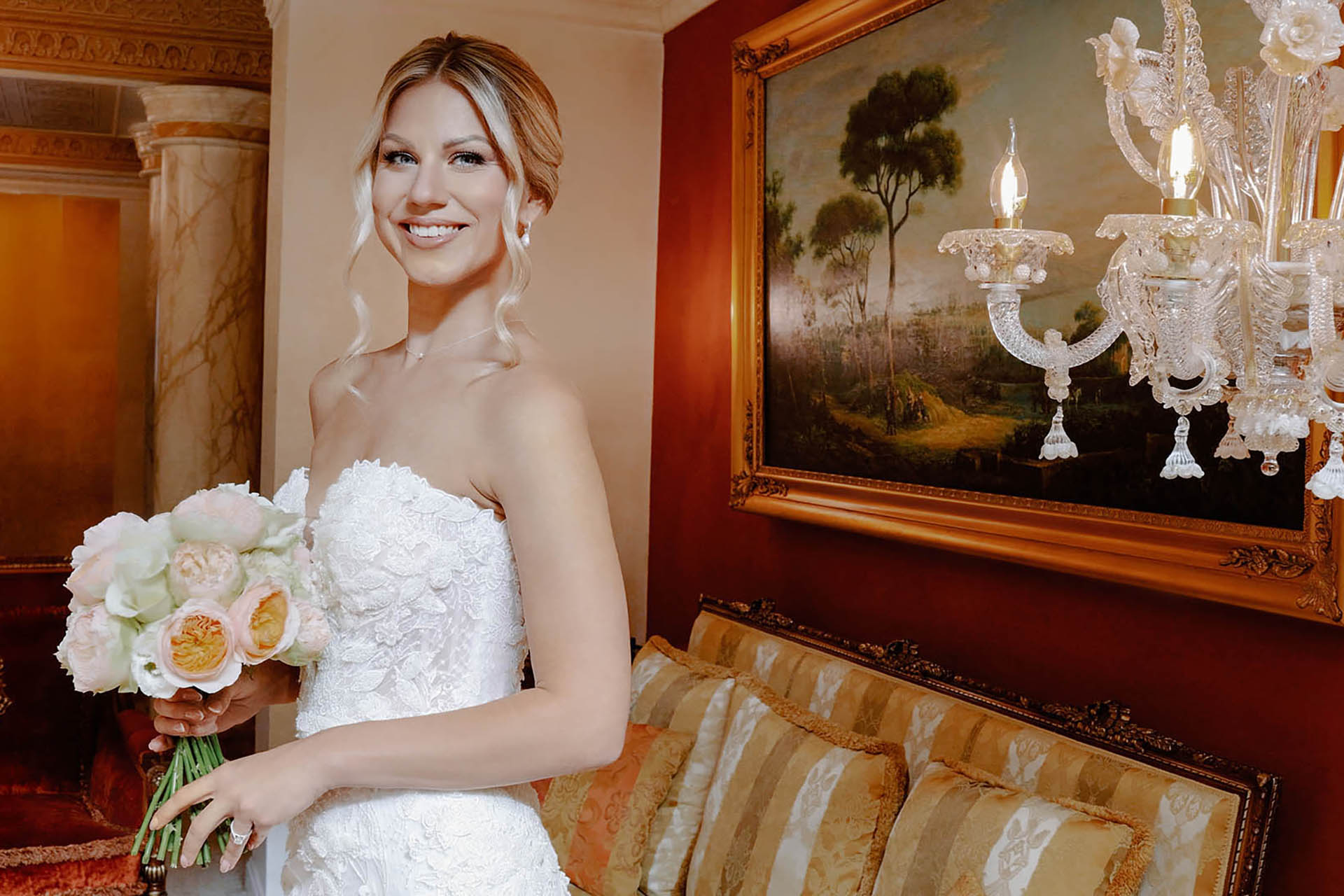
Fine art wedding photography is defined as a curated, intentional approach to capturing a wedding day, where every image prioritizes composition, controlled light, and cohesive storytelling over simple event documentation. The industry term is “fine art wedding photography,” and it sits in a distinct category apart from traditional, documentary, or photojournalistic wedding styles. Understanding what does fine art photography mean for weddings helps you make a smarter, more personal choice when hiring your photographer. Studios like Imagestudio and photographers such as Lauren Jonas have shaped how this style is recognized globally, treating each wedding as a visual art project rather than a photo checklist.
How does fine art wedding photography differ from other styles?
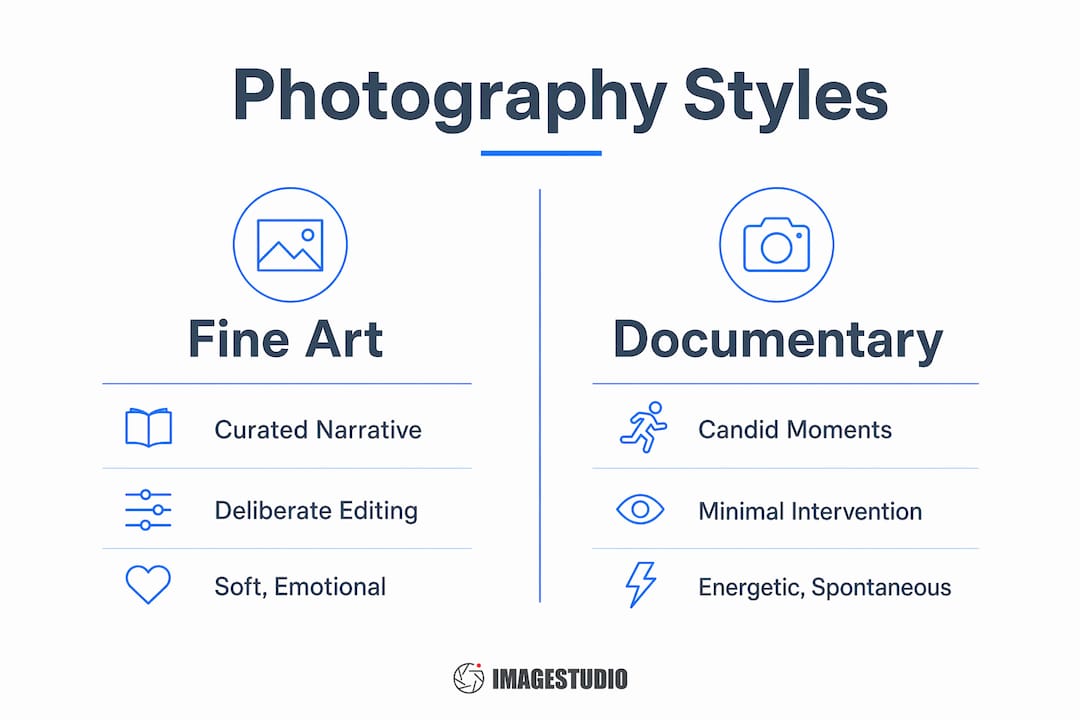
The fundamental difference between fine art and standard wedding photography is intention. A traditional wedding photographer aims to document every moment. A fine art photographer aims to build a cohesive visual narrative, selecting and shaping moments rather than collecting them.
Here is how the major wedding photography styles compare:
Style
Primary goal
Editing approach
Emotional tone
Fine art
Curated visual narrative
Restrained, tonal cohesion
Refined elegance
Traditional
Complete event record
Bright, corrected
Warm, inclusive
Documentary
Candid truth-telling
Minimal, natural
Raw, spontaneous
Editorial
Fashion-forward storytelling
High contrast or stylized
Dramatic, posed
Fine art borrows from all of these but answers to none of them entirely. It blends documentary and editorial styles to create timeless, personal stories. That blend requires trust and split-second decisions about what is worth capturing.
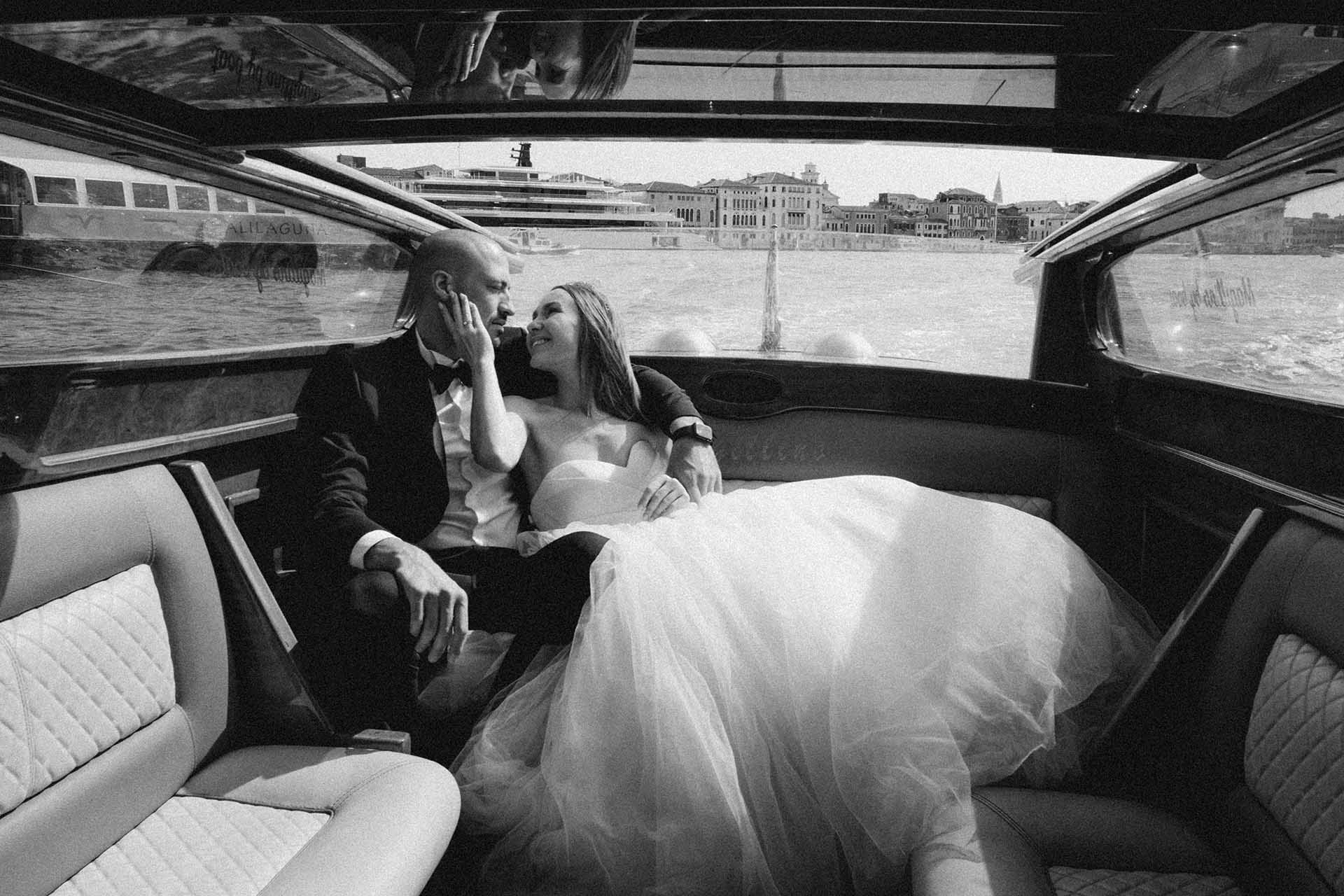
An intimate black and white wedding moment aboard a classic Venetian water taxi on the Grand Canal
The emotional tone is the clearest differentiator. Documentary photography celebrates chaos and spontaneity. Fine art photography finds the quiet, composed moments within that chaos and frames them with care. The result feels less like a news report and more like a short film.
What are the key elements that define fine art wedding photography?
Fine art wedding photography rests on four technical and artistic pillars. Each one separates a true fine art photographer from someone using the label as a marketing tag.
Light-first methodology. Fine art photographers actively manage light rather than accept whatever exists. They may move subjects, rotate ceremony positions, or wait for the right window of natural light. Light is not a background condition. It is the primary creative tool.
Composition with restraint. Balance, negative space, and minimal distractions define the frame. A fine art image does not try to include everything. It deliberately excludes what does not serve the story. Clean backgrounds, thoughtful framing, and a clear subject hierarchy are non-negotiable.
Editing discipline. Fine art editing is about consistency and tonal cohesion, not trendy presets. True fine art images can be bright, neutral, or moody but are always refined and repeatable across an entire gallery. Over-editing or heavy filters break the timeless quality that defines the style.
Purposeful posing. Direction is subtle but deliberate. A fine art photographer guides couples into positions that feel natural and look elegant. The goal is genuine emotion within a composed frame, not stiff formal portraits or purely reactive candids.
The film vs. digital question
Film use often supports the fine art philosophy by enforcing selectivity and discipline in lighting, composition, and framing choices. Some photographers shoot 300–400 images on film across an entire wedding to maintain quality and mood. That constraint forces intentionality. But film alone does not make a photographer a fine art artist. Digital photographers who apply the same discipline produce equally compelling fine art work.
Pro Tip:When reviewing a photographer’s portfolio, look for consistency across an entire wedding gallery, not just the hero shots. If the light, tone, and composition feel cohesive from ceremony to reception, that is a sign of genuine fine art discipline.
What experience can couples expect with a fine art photographer?
Working with a fine art wedding photographer feels different from the start. The process is collaborative, personal, and built on trust long before the wedding day arrives.
Here is what the experience typically looks like:
Pre-wedding rapport building. Building personal trust before the wedding enables natural posing and authentic expressions. Many photographers schedule engagement sessions or informal meetings so couples feel relaxed in front of the lens. Vulnerability and ease show up directly in the final images.
Quality over volume. Fine art photographers make artistic choices prioritizing quality over quantity. You will receive fewer images than a volume-based photographer delivers, but each one is crafted to stand alone as a piece of art.
Calm, unobtrusive presence. On the wedding day, a fine art photographer moves quietly and observes carefully. They are not directing traffic or calling for group shots every ten minutes. Their presence feels more like a guest with a camera than a production crew.
Subtle but purposeful direction. When direction happens, it is gentle. A hand placement, a suggested walk, a quiet moment requested. The goal is always genuine emotion within a composed frame.
The payoff for this investment is heirloom-quality images. These are photographs you frame and hang on a wall, not just files you scroll through once and store in a folder. The collaborative experience focused on genuine emotion produces editorial-quality images that hold meaning for decades.
Pro Tip:Ask your photographer how they handle low-light receptions or overcast outdoor ceremonies. Their answer reveals whether they truly practice a light-first methodology or simply rely on post-processing to fix problems.
The role of pre-wedding shoots in this process cannot be overstated. A single session before the wedding day transforms how a couple carries themselves in front of the camera.
Common misconceptions about fine art wedding photography
The phrase “fine art” gets applied loosely, and that creates real confusion for couples trying to make an informed choice. Knowing what fine art photography is not protects you from paying a premium for something that does not deliver.
“Fine art is not a synonym for light and airy nor film-only photography. It requires consistent light control and refined editing for images that remain timeless and gallery-worthy.” — Photo-Logica
The most common misconceptions include:
“Fine art means light and airy.” Soft pastel tones are a stylistic choice, not a definition. A fine art image can be rich, moody, or deeply saturated. The defining quality is refinement and cohesion, not a specific color palette.
“Film automatically means fine art.” Film is a tool that encourages discipline. A photographer who shoots film without understanding light and composition still produces mediocre work.
“More editing equals more artistry.” Heavy presets, skin smoothing, and over-processed skies are the opposite of fine art. Restraint is the mark of mastery.
“Any photographer can offer fine art.” The label requires a defined visual voice and repeatable process. Without those, it is just a marketing term.
To identify an authentic fine art photographer, ask these questions. Does their portfolio show consistent light and tone across full wedding galleries? Can they describe their editing philosophy without mentioning specific presets? Do they limit the number of weddings they take each year to maintain their standard? Some studios limit weddings specifically to preserve this high-end curated artistic standard. That selectivity is itself a signal of genuine commitment to the craft.
Fine art wedding photography is defined by intentional light control, compositional restraint, and cohesive editing, not by film use, soft tones, or volume of images delivered.
Point
Details
Intention over documentation
Fine art photographers build a visual narrative, not a complete event record.
Light is the primary tool
Photographers actively manage and shape light rather than accept existing conditions.
Editing means restraint
Consistent, refined editing across a full gallery signals genuine fine art discipline.
Trust enables authenticity
Pre-wedding rapport building produces natural, emotionally genuine portraits.
“Fine art” is not a preset
Soft tones and film use alone do not define the style. Cohesion and process do.
Why fine art wedding photography is worth the investment
I have spent years working alongside photographers and filmmakers who treat every frame as a deliberate choice, and fine art wedding photography represents that philosophy at its most personal. What strikes me most is how couples underestimate the long-term value of this approach. The wedding day passes in hours. The images last a lifetime.
The photographers who do this well share one quality: they are editors before they are shooters. They know what to leave out. That discipline is rare, and it is exactly what separates a gallery of 800 forgettable images from 300 photographs you would genuinely display in your home.
My honest observation after working on high-end visual projects is that couples often focus too much on price and not enough on process. Ask a photographer how they handle a ceremony with terrible overhead fluorescent lighting. Ask them what they do when the timeline runs late and golden hour disappears. Their answers tell you everything about whether they are truly practicing fine art or just calling it that.
The trend toward volume-based wedding photography, where photographers deliver 1,000+ images, is the opposite of fine art. More is not better. Better is better. Couples who choose a fine art photographer are choosing a collaborator who cares as much about the final image as they do about the moment itself.
— Image Studio
Discover fine art wedding photography with Imagestudio
Imagestudio brings over 14 years of experience in high-end visual storytelling to every wedding project. The team’s approach mirrors the fine art philosophy directly: light-first thinking, compositional discipline, and editing that creates cohesive, gallery-worthy galleries rather than overwhelming image dumps.
Whether you are planning a destination wedding in Italy or a local celebration, Imagestudio’s luxury wedding photography services are built for couples who want images worth framing. With 250+ projects and over 150 million views across their body of work, the studio brings cinematic precision to every frame. Explore the full range of wedding photography and film services and find the right creative partner for your day.
FAQ
What does fine art photography mean for a wedding?
Fine art wedding photography means capturing your wedding day with artistic intention, prioritizing controlled light, deliberate composition, and a cohesive visual story. The goal is images that function as timeless art, not just event records.
How is fine art wedding photography different from documentary style?
Documentary photography captures candid moments as they happen with minimal intervention. Fine art photography shapes and selects those moments with a defined visual voice, blending editorial refinement with genuine emotion.
Does fine art wedding photography always use film?
Film is a tool that supports fine art discipline by enforcing selectivity, but it does not define the style. Digital photographers who apply the same light-first methodology and editing restraint produce equally authentic fine art work.
How many photos does a fine art wedding photographer deliver?
Fine art photographers prioritize quality over volume, typically delivering fewer images than standard photographers. Each image is crafted to stand alone, so a smaller, cohesive gallery is a feature of the style, not a limitation.
How do I know if a photographer is truly a fine art photographer?
Review their full wedding galleries, not just highlight images. Consistent light, tonal cohesion, and compositional restraint across an entire event signal genuine fine art practice. Ask about their process and editing philosophy before booking.