
Audio transforms wedding cinematography from beautiful footage into an emotional memory, preserving vows, speeches, laughter, and the atmosphere of the day.
← Back to Editorial
← Back to Editorial
Audio in Wedding Cinematography: A Couples Guide
June 15, 2026
The role of audio in wedding cinematography is to transform raw footage into an emotional memory you will return to for decades. Sound captures the trembling voice during vows, the laughter that erupts during a toast, and the quiet rustle of a dress before the first look. These are the moments that make a wedding film feel alive. Audio quality contributes approximately 45% to the cinematic impact and viewer engagement of wedding films. That single number reframes everything about how you should think about your wedding video.
Why the role of audio in wedding cinematography outweighs visuals
Most couples focus on camera angles, drone shots, and color grading when choosing a videographer. The research tells a different story. Films with excellent audio are rewatched 3.9x more after three years compared to films with poor audio, even when the video quality is high. That gap is not small. It means the sound of your partner’s voice saying “I do” is what keeps you pressing play again and again.
The science behind this is grounded in neuroscience. Sound bypasses logic and connects directly to long-term memory, serving as an anchor for autobiographical recall. Clear vows trigger emotional memory intensity in a way that muffled audio simply cannot replicate. A beautiful wide shot of the altar means far less if the words spoken there are buried under reverb.
The numbers on dissatisfaction are equally striking. Audio issues account for 41% of negative reviews in wedding film feedback, nearly double the complaints about missing key visual moments. That analysis covered 1,800 negative wedding film reviews. The takeaway is direct: couples forgive a shaky camera far more readily than they forgive inaudible vows.
“80% of emotional resonance in wedding films comes from clear audio of vows and speeches. The visuals set the scene. The sound makes you feel it.”
Professional studies also confirm that audio quality is the top factor in perceived film professionalism and a couple’s intent to hire or recommend a videographer. When you watch a wedding film and feel like you are truly there, that sensation is driven by what you hear as much as what you see. Understanding this shapes every decision you make about your wedding video.
What audio equipment and techniques do professionals use?
Professional wedding cinematography, sometimes called wedding filmmaking in the industry, relies on a multi-source audio setup rather than a single microphone. A professional setup typically includes three or more redundant sources to avoid dropouts and interference. Each source serves a specific purpose in the final mix.
Here is what a well-equipped wedding cinematographer typically deploys:
- Lavalier microphones (also called lapel mics) clipped discreetly to the groom, the officiant, and sometimes the bride. These capture intimate, close-range audio of vows with minimal background noise.
- Direct soundboard feeds from the DJ or venue’s PA system, which deliver clean audio of speeches and toasts without room echo or crowd noise bleeding in.
- Ambient microphones placed at key positions in the room to capture natural sound, crowd reactions, and room tone that give the film its sense of place.
- Camera-mounted backup audio as a last resort, used primarily for syncing and reference rather than final output.
Professional cinematographers rarely rely on camera on-board mics alone. Layering redundant wireless lavaliers with direct board feeds is what separates professional work from amateur recordings. If one source fails due to interference or battery issues, the others carry the moment.
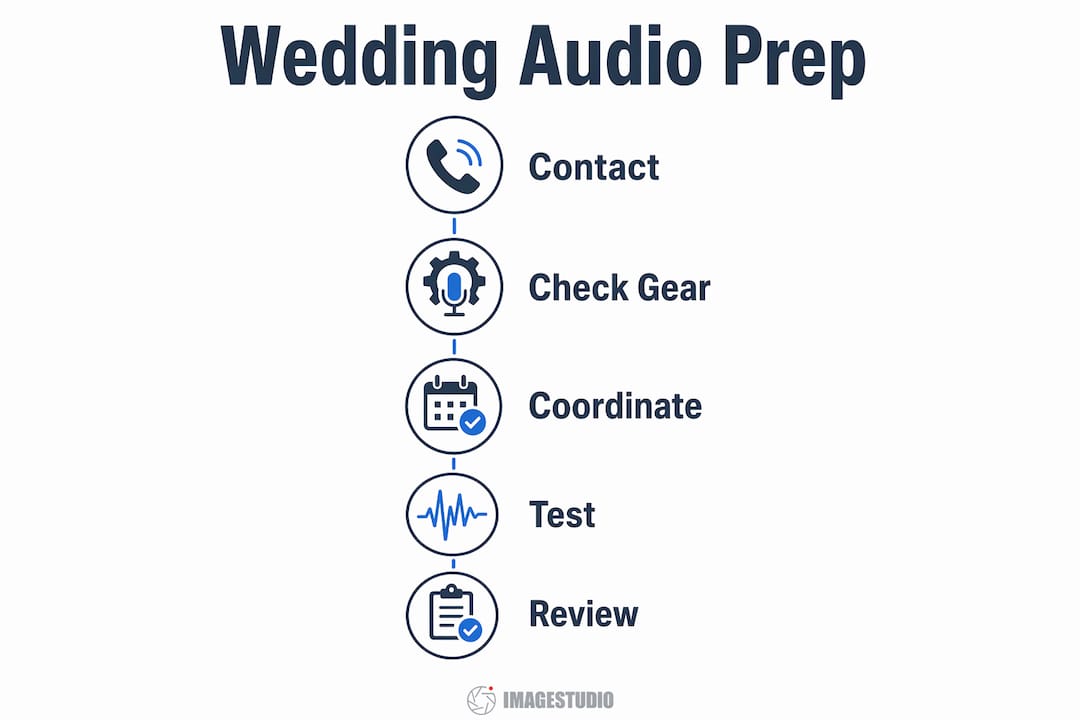
Coordination with your DJ and venue is not optional. Reaching out 30–60 days before the wedding gives your videographer time to confirm soundboard access, test wireless frequencies, and plan mic placement with the officiant. This is one of the most overlooked steps in wedding planning, and it costs nothing to do.
Pro Tip: Ask your videographer directly: “How many audio sources will you use during the ceremony?” If the answer is one, that is a red flag worth addressing before you sign a contract.
How sound design turns raw audio into a cinematic experience
Capturing clean audio on the day is only half the work. The other half happens in post-production, where a skilled editor layers, balances, and shapes that audio into something that feels cinematic. This process is called sound design, and great sound design is invisible. You never notice it. You just feel more present in the film.
The layering process blends several elements together:
- Dialogue clarity: The vows and speeches sit at the front of the mix, clean and warm, so every word lands.
- Room tone: The subtle hum of a venue, the ambient murmur of guests, and natural reverb that makes the space feel real.
- Ambient textures: The rustle of a dress, a stifled laugh, the clink of glasses. These natural sounds create documentary-style intimacy that no background music track can replicate.
- Music: Chosen carefully to support emotion without overwhelming the natural sounds that make your film uniquely yours.
Mixing audio layers involves balancing dialogue clarity, room tone, gentle compression, EQ, and crossfading to produce a natural, cinematic soundscape. Expert editors synchronize emotional beats in audio and visuals so the film flows without feeling constructed.
One of the most powerful tools in a sound designer’s kit is silence. Intentional silence focuses viewer attention on expressions and emotional cues, preventing audio overload and letting the weight of a moment breathe. A pause before “I do” hits harder when the music drops away. That is not an accident. It is a craft decision.
Pro Tip: When reviewing a videographer’s portfolio, watch a two-minute clip with your eyes closed. If the audio alone makes you feel something, that team understands sound design.
How can couples prepare for great wedding audio?
You do not need to be a sound engineer to protect your wedding audio. A few deliberate steps before the day make a significant difference in what your film sounds like years from now.
- Discuss mic placement with your officiant early. Many officiants are unfamiliar with lavalier mics or may resist wearing one. Looping them into the conversation weeks ahead avoids awkward negotiations on the morning of the ceremony.
- Confirm soundboard access with your DJ or venue. A direct feed from the DJ’s soundboard captures speeches and toasts with pristine clarity. Without it, your videographer is recording from across the room. Coordination with the DJ and venue is recommended 30–60 days before the wedding.
- Ask about acoustic challenges at your venue. Stone churches and large halls cause echo and reverb that can delay audio by 2–4 seconds. Professionals manage this with directional mics, pre-ceremony sound tests, and strategic speaker positioning. Ask your videographer if they have worked in your venue before.
- Plan for outdoor wind noise. Wind noise is reduced using low-profile lavaliers with windscreens and by positioning speakers away from gusts. If your ceremony is outdoors, confirm your videographer uses windscreens and actively monitors audio in real time.
- Ask about contingency plans. What happens if a lavalier battery dies mid-ceremony? What is the backup? A professional team has a clear answer. A team without one is a risk you do not want to take on your wedding day.
Pro Tip: Request a wedding audio checklist from your videographer before the event. Any experienced team will have one, and reviewing it together takes less than 15 minutes.
Key takeaways
Audio quality is the single most important factor in whether a wedding film becomes a treasured memory or a forgotten file on a hard drive.
| Point | Details |
|---|---|
| Audio drives emotional impact | Sound accounts for approximately 45% of cinematic impact and 80% of emotional resonance in wedding films. |
| Poor audio is the top complaint | Audio issues cause 41% of negative wedding film reviews, nearly double complaints about missing visual moments. |
| Multi-source recording is standard | Professional setups use lavaliers, soundboard feeds, and ambient mics together to guarantee clean audio. |
| Sound design shapes the final film | Post-production layering of dialogue, room tone, and silence creates the immersive feel couples remember. |
| Preparation prevents problems | Coordinating with your DJ, officiant, and venue 30–60 days out protects your audio before the day arrives. |
Why i think couples underestimate audio every single time
I have watched couples spend weeks agonizing over floral arrangements and seating charts, then spend about ten minutes choosing a videographer based on a highlight reel. That highlight reel, almost always, is set to a carefully chosen song that masks whatever the original audio sounded like. The visuals look gorgeous. The sound is invisible. And that invisibility is exactly the trap.
What I have seen firsthand, across years of working on cinematic wedding films, is that the couples who cry watching their film back are not crying because of the slow-motion shots. They are crying because they can hear their partner’s voice crack. They can hear their father’s laugh during the speech. They can hear the room go quiet right before the first kiss. That is what sound does to memory. It does not just remind you of the day. It puts you back inside it.
The couples who are disappointed with their films almost always point to audio first. Muffled vows. A speech that sounds like it was recorded through a wall. Moments that should have been intimate but feel distant because the sound was not there to anchor them. No amount of color grading fixes that in post.
My honest advice: treat audio as a non-negotiable, not an afterthought. Ask your videographer about their specific audio setup before you ask about their camera gear. Look at your wedding videography budget and make sure it reflects the value of professional sound capture. A wedding film is an emotional memory, not just a visual record. The sound is what makes it real.
— Image Studio
How Imagestudio captures the sound of your wedding day
Imagestudio builds every wedding film around professional multi-source audio recording, because the team knows that sound is what makes couples return to their film again and again. Every ceremony setup includes wireless lavalier mics, direct soundboard coordination with your DJ, and ambient recording to capture the full texture of your day.
With over 14 years of experience and 250+ projects, Imagestudio coordinates with your venue and vendors weeks in advance to protect your audio before the day even begins. The result is a cinematic wedding film where every vow, every laugh, and every quiet moment is preserved with the clarity it deserves. If you want a wedding film that genuinely sounds as good as it looks, connect with Imagestudio to talk through your vision.
FAQ
Why does audio matter more than video quality in wedding films?
Films with excellent audio are rewatched 3.9x more than films with poor audio, even when video quality is high. Sound connects directly to emotional memory, making clear vows and speeches the core of a film’s long-term value.
What microphones do wedding videographers typically use?
Professional wedding videographers use lavalier mics on the couple and officiant, direct soundboard feeds from the DJ for speeches, and ambient mics for room tone. Three or more redundant audio sources are standard practice to prevent any single point of failure.
How do i prepare for good audio at an outdoor wedding?
Ask your videographer to use low-profile lavaliers with windscreens and confirm they will actively monitor audio during the ceremony. Wind noise is significantly reduced by combining windscreen protection with strategic speaker and mic placement away from gusts.
What is sound design in a wedding film?
Sound design is the post-production process of layering dialogue, room tone, ambient textures, and music to create an immersive cinematic experience. Great sound design is invisible, meaning you feel more present in the film without noticing the technical craft behind it.
How early should i coordinate audio details with my videographer?
Coordinate with your videographer, DJ, and venue at least 30–60 days before the wedding. This window allows time for soundboard access confirmation, wireless frequency testing, and mic placement planning with your officiant.
