Learn how preparing for your wedding videography day with a well-planned timeline, clear communication, coordinated vendors, and thoughtful storytelling ensures a cinematic wedding film that captures every meaningful moment.
Preparing for your wedding videography day means building a thoughtful timeline, communicating your creative vision clearly, and coordinating logistics so your videographer can capture every authentic, emotional moment on film. Wedding videography, the professional practice of documenting your wedding day through cinematic storytelling, requires more than simply booking a talented crew. An 8-hour filming day is considered the practical minimum for comprehensive coverage. That means your preparation decisions, from timeline buffers to audio setups, directly shape the quality of the film you will watch for decades.
How to prepare for your wedding videography day with a smart timeline
A video-friendly timeline is the single most powerful tool you have before the wedding day. Couples who build flexibility into their schedule give their videographer room to capture unscripted, emotional moments instead of rushing between locations.
Adding 10–15 minute buffers around key events protects against the delays that happen at every wedding. Hair and makeup running long, a family member arriving late, or a quick wardrobe fix can eat into your ceremony prep time fast. Buffers absorb those delays without sacrificing footage.
Schedule portraits during golden hour
Golden hour portraits produce the most cinematic footage of the entire day. Even 5–10 minutes of that warm, directional light can transform a standard portrait session into something that looks like a feature film. Plan your timeline so portraits fall within 30–60 minutes of sunset.
The getting-ready segment, the first look, and travel between venues are the three moments most likely to run over schedule. Each one deserves its own buffer. A cramped schedule forces your videographer to choose between shots rather than capturing all of them.
Timeline segment
Recommended buffer
Why it matters
Getting ready
15 minutes
Hair and makeup delays are the most common cause of timeline collapse
First look
10 minutes
Emotional reactions take time; rushing kills authenticity
Venue travel
15 minutes
Traffic and parking are unpredictable
Ceremony start
10 minutes
Guests arriving late can delay the processional
Golden hour portraits
20 minutes
Light fades fast; extra time protects the best shots
Pro Tip:Share your timeline with your videographer at least two weeks before the wedding. Ask them to flag any segment that looks too tight. They have seen hundreds of timelines and will spot problems you cannot.
What should you tell your videographer before the wedding?
Clear communication before the wedding day is what separates a good film from a great one. Your videographer needs to understand your style preferences, your priorities, and your technical requirements before they ever pick up a camera.
Wedding videography falls into three main styles: cinematic, documentary, and hybrid. Cinematic films prioritize visual beauty and emotional narrative, often using music and voiceover. Documentary films capture events as they unfold with minimal staging. Hybrid films blend both approaches. Knowing which style fits you helps your videographer make real-time decisions that match your vision.
Pre-wedding interviews recorded days before the wedding give editors powerful raw material. Couples who sit down for a short conversation about their relationship, their vows, or what the day means to them give their videographer emotional content that no camera angle can manufacture. The story and emotional depth of a wedding film matter more than any camera movement.
Build a prioritized shot list
A well-built shot list tells your videographer which moments are non-negotiable and which are nice-to-have. Keep it focused. A list of 50 shots is not a guide; it is a burden. Prioritize the moments that carry the most emotional weight for you as a couple.
Audio preparation is where most couples underinvest. Wireless lavalier microphones on the officiant and groom can raise usable vows audio from 12% to 71%. That number is not a minor improvement. It is the difference between a ceremony you can hear and one you can barely make out over ambient noise.
Key communication points to cover with your videographer before the wedding:
Your preferred videography style (cinematic, documentary, or hybrid)
A prioritized shot list with names of key people and special moments
Audio plan: lavalier placement, DJ mic feed access, and backup recording options
Venue restrictions on equipment, movement, and drone use
Delivery timeline and number of revision rounds included in your package
Whether you want a pre-wedding shoot for emotional storytelling content
Contact details for your coordinator, photographer, and DJ
Confirm delivery schedules in writing before signing any contract. Standard delivery for highlight films runs 6–12 weeks post-wedding. Feature-length edits take longer. Knowing this upfront prevents frustration and sets realistic expectations.
Pro Tip:Ask your videographer to show you a full-length wedding film, not just a highlight reel. Highlight reels can mask inconsistent coverage and audio problems that only show up in the full edit.
How does venue coordination affect your wedding video?
Vendor coordination is the logistics layer that most couples overlook until the day itself. Your videographer works alongside your photographer, DJ, coordinator, and venue staff. When those relationships are not aligned, coverage gaps appear.
Sharing your timeline and venue restrictions with all vendors early prevents conflicts on the day. Your photographer and videographer need to know each other’s shooting positions for the ceremony. Overlapping angles create competition for the same moments. A quick pre-wedding call between your photo and video teams solves this before it becomes a problem.
Venue type shapes the camera setup your videographer will recommend. Matching videography scale to venue size improves coverage quality. A ballroom reception with 200 guests benefits from multiple camera operators covering different angles simultaneously. An intimate garden ceremony with 30 guests is better served by a single skilled operator using a documentary approach.
Venue type
Recommended setup
Key consideration
Large ballroom
Two cameras, two operators
Wide and close-up angles simultaneously
Outdoor garden
One to two cameras
Wind audio management is critical
Historic church
Two cameras, fixed positions
Movement restrictions are common
Intimate venue
One camera, documentary style
Proximity allows emotional close-ups
Rooftop or terrace
One camera plus drone
Drone permits and wind conditions apply
Outdoor ceremonies create audio challenges that indoor venues do not. Wind noise on lavalier microphones is the most common problem. Ask your videographer about windscreen covers and backup recording options. A guide to wedding audio covers the technical options in detail, but the short answer is: always have a backup.
Pro Tip:Ask your venue coordinator directly whether drones, additional lighting rigs, or camera movement in the aisle are permitted. Some venues have restrictions that are not in the standard contract.
What are the most common wedding videography challenges?
Even the best-prepared couples face unexpected challenges on their wedding day. Knowing what to expect and how to respond keeps the film on track without adding stress to an already full day.
Poor lighting, audio problems, and tight schedules are the three most common issues. Each one has a practical solution when you plan for it in advance. The goal is not to eliminate every variable. The goal is to reduce the impact of the ones you cannot control.
Here are four steps for quick problem-solving on the wedding day:
Stay calm and communicate. If something goes wrong, tell your videographer immediately. They adapt faster when they know about a problem early rather than discovering it mid-ceremony.
Trust the backup plan. Professional videographers carry redundant equipment. A camera malfunction or dead battery is not a crisis if your crew has a second body ready.
Protect the audio. If outdoor wind picks up, move the lavalier microphone to a more sheltered position. Your coordinator can help facilitate this quickly.
Protect the golden hour window. If the reception runs long, ask your coordinator to carve out 10 minutes for portraits before the light disappears. Ten minutes of golden hour footage is worth the brief pause.
The couples who get the best wedding films are not the ones with the biggest budgets. They are the ones who stay present, communicate openly with their crew, and give their videographer the space to find the real moments. Flexibility on the day is the most underrated preparation tool you have.
Clear communication about priorities shapes efficient planning and better coverage. Experienced videographers explain trade-offs and help you prioritize so the schedule does not get overpacked. Lean on that expertise. You hired them for a reason.
Key Takeaways
Preparing for your wedding videography day requires a video-friendly timeline, clear creative communication, coordinated vendor logistics, and a calm, flexible mindset on the day itself.
Point
Details
Build buffer time
Add 10–15 minutes around key events to protect coverage and reduce schedule pressure.
Prioritize audio
Wireless lavalier microphones on the officiant and groom dramatically increase usable vows audio.
Share a shot list
Give your videographer a focused, prioritized list so they know which moments are non-negotiable.
Coordinate vendors early
Share your timeline with your photographer, DJ, and coordinator weeks before the wedding.
Choose emotional storytelling
Pre-wedding interviews and a clear style preference produce films with lasting impact.
What I have learned from watching couples prepare for their wedding films
Couples almost always focus their energy in the wrong place. They spend hours debating drone shots and color grading styles, then forget to ask whether their venue allows microphones near the altar. The technical details matter, but they are not where the film lives.
The films that hold up over time are the ones built on emotional truth. A couple who did a pre-wedding storytelling session and talked honestly about what the day meant to them gave their editor something no camera movement can replicate. That raw material is what makes a film worth rewatching.
Trend-chasing ages wedding films faster than anything else. The slow-motion whip pan that looks current today will feel dated in five years. Timeless emotional storytelling does not age. Choose a style that reflects who you actually are as a couple, not what looked good in someone else’s highlight reel.
The other mistake I see regularly is couples who micromanage their videographer on the day. You hired a professional. Give them the shot list, share the timeline, and then let them work. The best candid moments happen when the crew is invisible and the couple is fully present. Your job on the wedding day is to be in it, not to direct it.
— Image Studio
Imagestudio’s approach to cinematic wedding films
Imagestudio brings over 14 years of film production experience to every wedding project, with a portfolio of 250+ productions that have reached more than 150 million views worldwide.
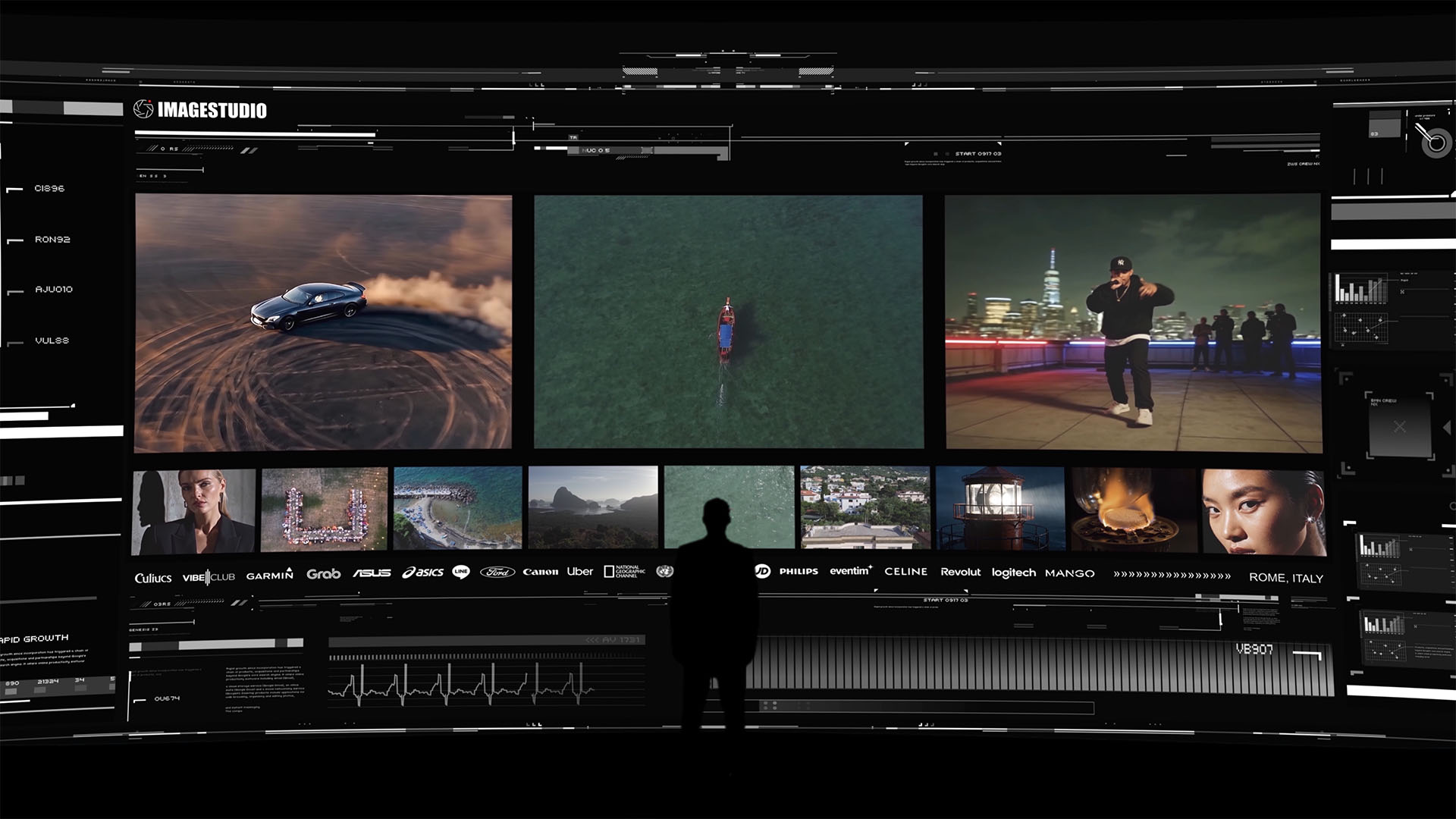
A high-end cinematic portfolio experience by Image Studio featuring automotive visuals, aerial cinematography, urban storytelling, and premium brand collaborations.
Every Imagestudio wedding film starts with a tailored consultation that covers timeline planning, style preferences, audio setup, and shot priorities. The team works with multi-camera configurations and professional wireless audio systems to protect every key moment. Whether you are planning an intimate ceremony or a large-scale celebration, Imagestudio’s cinematic wedding film production services are built to capture the emotional story behind your day. Reach out to discuss your vision and get expert guidance on building a video-ready plan.
FAQ
How long should a wedding videography day be?
An 8-hour filming day is the practical minimum for comprehensive wedding coverage. Shorter packages risk missing key moments during transitions between venues or events.
What is the standard delivery time for a wedding highlight film?
Most videographers deliver highlight films within 6–12 weeks after the wedding. Feature-length edits typically take longer, so confirm the timeline in writing before signing your contract.
Why does audio matter so much in wedding videos?
Audio quality is the single greatest factor in long-term satisfaction with wedding films. Professional wireless lavalier microphones can raise usable ceremony audio from 12% to 71%, making vows clearly audible in the final edit.
What should a wedding day video checklist include?
A solid wedding day video checklist covers your preferred filming style, a prioritized shot list, audio setup details, vendor contact information, venue restrictions, and confirmed delivery timelines with your videographer.
How many camera operators do you need for a wedding?
Venue size and guest count determine the right number. Large ballrooms benefit from two operators covering wide and close-up angles simultaneously, while intimate settings are often better served by one skilled operator using a documentary approach.