What Does a Wedding Film Director Do? Complete Guide for Couples
May 30, 2026
Discover what a wedding film director does, from pre-wedding planning and storytelling to filming, editing and creating cinematic wedding films that preserve every moment.
A wedding film director is the creative and logistical leader responsible for transforming your wedding day into a cinematic story you can relive for decades. This role goes far beyond pointing a camera at the altar. The industry term most professionals use is “wedding filmmaker,” though “wedding film director” captures the full scope of what the job actually demands. Understanding what does a wedding film director do helps you make smarter hiring decisions, set realistic expectations, and get a film that genuinely reflects who you are as a couple.
What does a wedding film director do before your big day?
The work starts weeks or even months before you say “I do.” A skilled director schedules in-depth consultations to learn your story, your priorities, and the emotional moments that matter most to you. They ask specific questions: Which speech will make your grandmother cry? Do you want the film to feel like a music video or a quiet documentary? What moments are non-negotiable?
This pre-wedding phase is where timeline alignment happens. The director coordinates with vendors to make sure the filming schedule fits naturally within the wedding day flow, rather than fighting against it. They connect with your planner, photographer, and officiant to understand room layouts, lighting conditions, and any venue restrictions.
Audio logistics are a big part of this planning stage. A pivotal and often overlooked duty is coordinating microphone setups pre-ceremony to avoid unusable vows or speeches due to poor mic placement or venue sound challenges. The director maps out where wireless lavalier mics will go, whether the venue sound system needs a feed, and how to handle outdoor wind interference.
Here is what a director typically covers in pre-wedding consultations:
Your preferred film style (cinematic, documentary, editorial, or a blend)
Key moments you want prioritized, from the first look to the last dance
Names and roles of key people the camera should find naturally
Venue walk-through details and any lighting challenges
Music preferences and emotional tone for the final film
For destination weddings in Italy, particularly across Lake Como, Tuscany and the Amalfi Coast, wedding film directors often face unique challenges related to historic venues, changing light conditions and multi-day celebrations.
Pro Tip:Send your director a “people map” before the wedding. A simple list with names, photos, and relationships helps them find your grandmother, your college roommate, and your emotional aunt without asking anyone mid-ceremony.
On-the-day responsibilities: what the director actually does
The wedding day is where all that planning pays off. Experienced directors arrive early to test audio and lighting, aiming to capture reality without asking couples to perform. That early arrival is not just logistical. It sets the emotional tone for the whole crew.
Here is a typical sequence of wedding videographer duties on the day:
Arrive 60 to 90 minutes early to test microphones, check lighting in the ceremony space, and confirm positions with the photographer.
Film preparations including getting-ready moments, detail shots of the dress, rings, and flowers, and candid conversations between the couple and their closest people.
Set up audio with multiple microphones for vows, speeches, and ambient sound, because clear audio is the backbone of any emotionally resonant film.
Capture the ceremony from multiple angles, making continuous micro-decisions about timing and positioning to catch natural reactions without disrupting the moment.
Collect B-roll footage throughout the day, including venue details, guests laughing, and quiet in-between moments that give the final film texture and depth.
Film the reception covering first dances, toasts, and the energy of the party while staying unobtrusive.
Coordinate discreetly with the photographer and planner to avoid blocking shots or missing transitions.
The tasks of a wedding cinematographer on the day are less about staging and more about anticipating moments and capturing them as they naturally unfold. That distinction is what separates a director from someone who simply records events.
Pro Tip:Tell your director about any spontaneous traditions your family has, like a specific song everyone dances to or a toast that always turns into a roast. Those unscripted moments make the best films.
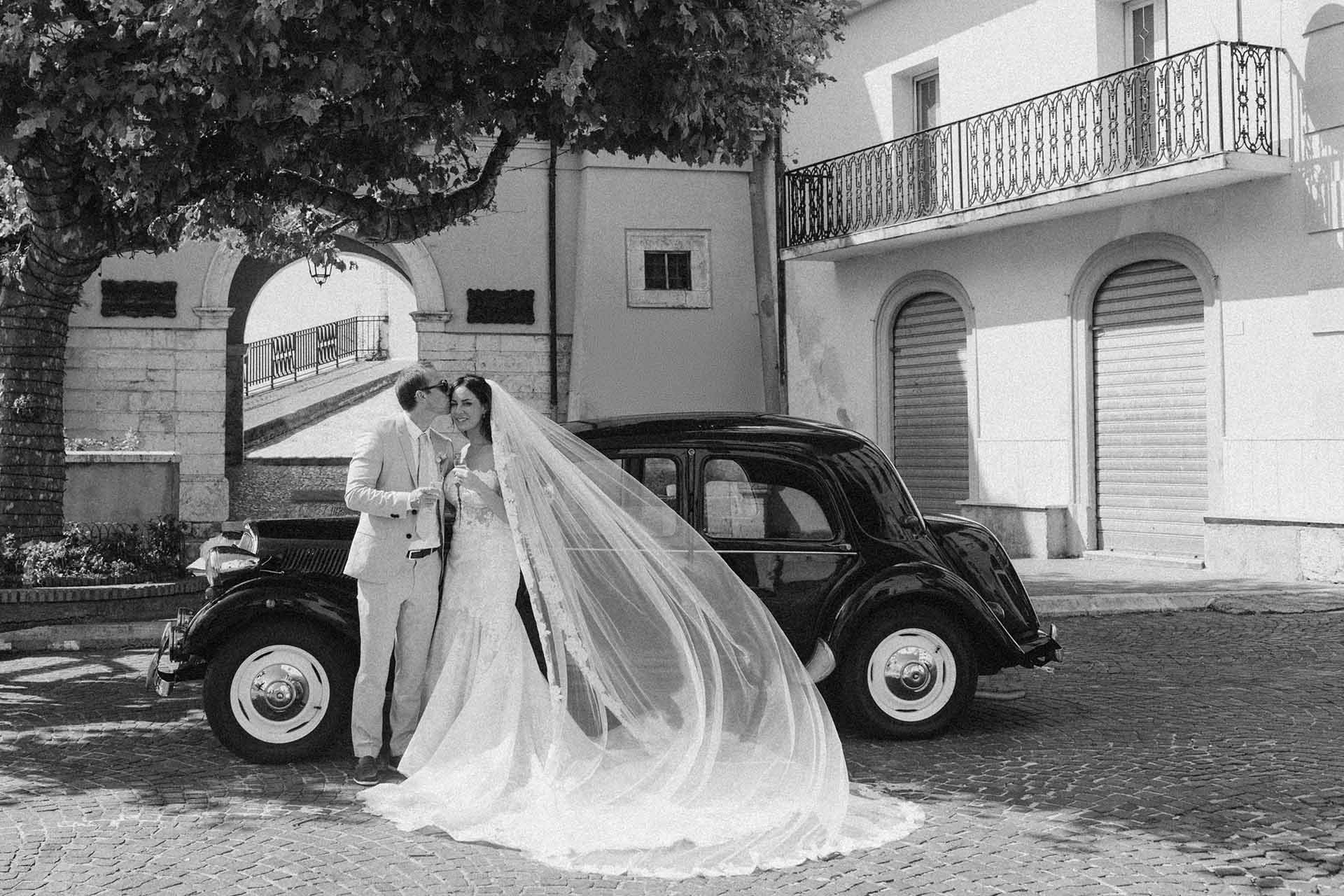
A timeless portrait after the ceremony.
How the post-wedding film production process works
Raw footage from a wedding day can easily run six to twelve hours. The director’s job in post-production is to shape that footage into a story with deliberate narrative timing, balancing rhythm, silence, and music to evoke emotion and a cohesive arc. This is where the real creative work happens.
The wedding video production process in post-production typically includes:
Logging and selecting footage to identify the strongest emotional moments, reactions, and audio clips
Building the narrative structure around vows, speeches, and key visual moments as the storytelling foundation
Sound design and audio syncing to blend ceremony audio, ambient sound, and music into a seamless mix
Color grading to give the film a consistent, cinematic visual tone that matches your style preferences
Couple review and revisions so you can give feedback before the final version is delivered
Narrative wedding films use real audio from vows and speeches as the storytelling foundation rather than relying purely on visuals. That choice is what makes a wedding film feel like a short documentary rather than a slideshow set to music.
Here is a look at typical deliverables and timelines:
Deliverable
Typical Timeline
Sneak peek clip (60 to 90 seconds)
2 to 3 weeks after the wedding
Highlight film (3 to 10 minutes)
4 to 6 weeks after the wedding
Full ceremony edit
6 to 10 weeks after the wedding
Speeches and toasts edit
Delivered with full ceremony or separately
Typical deliverables vary by package, but most couples receive at least a highlight film and a full ceremony edit. Knowing this upfront helps you plan when to share the film with family.
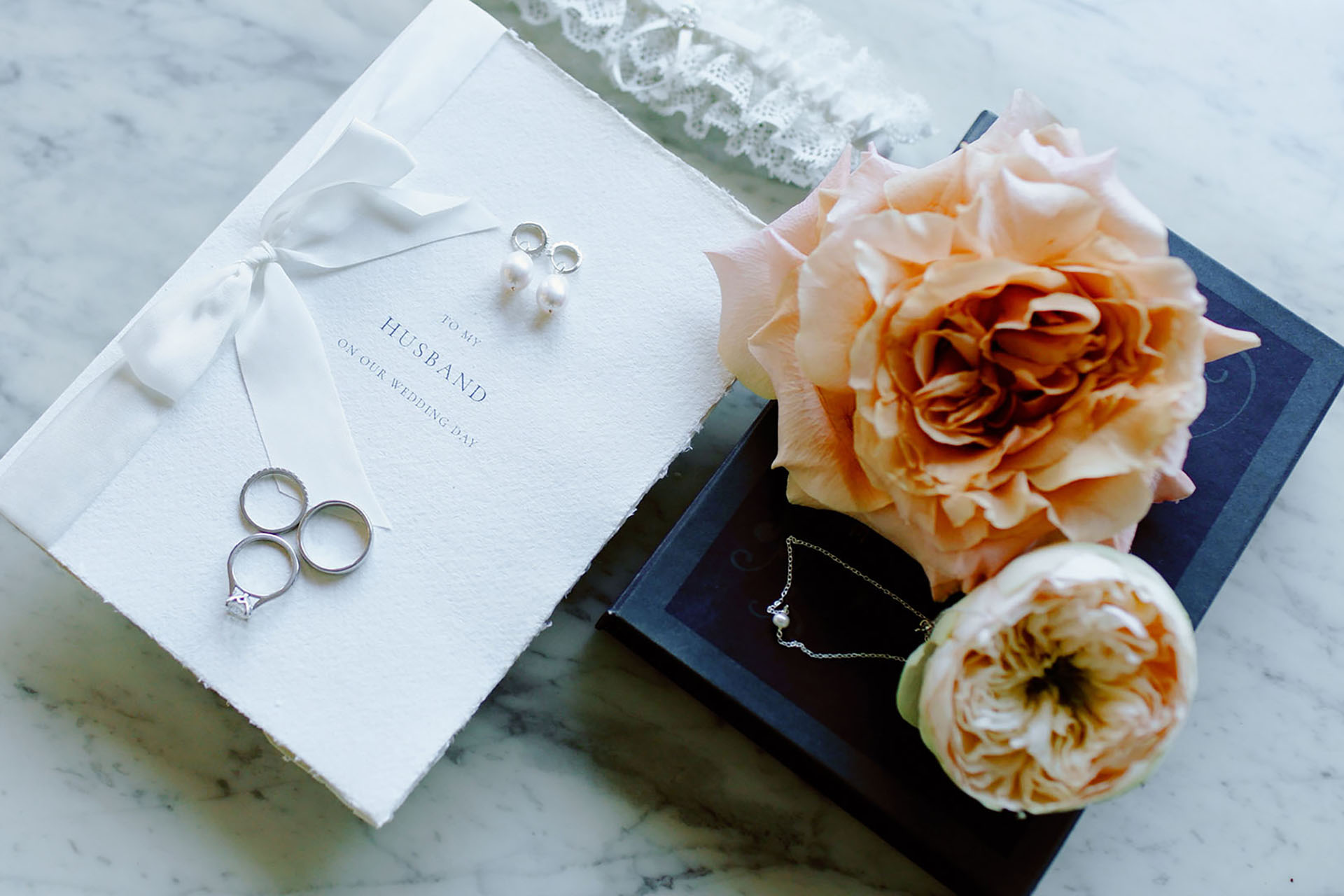
Refined wedding details set the tone for Victoria and Matteo’s elegant celebration on Lake Maggiore.
How a wedding film director differs from a videographer or content creator
These three roles get confused constantly, and the difference matters when you are budgeting and planning your coverage. Here is a clear breakdown:
Wedding film directors differ from social media content creators who focus on short-form, fast-turnaround videos for social platforms. Directors focus on long-form narrative documentary-style coverage with audio emphasis. A content creator gives you shareable moments for Instagram. A director gives you a film you will watch on your anniversary every year.
The roles of a wedding filmmaker also differ from a standard videographer in terms of creative leadership. A videographer captures what happens. A director shapes how it is told. That editorial control, as described by industry professionals, starts with timeline choices during editing and extends to every decision about pacing, music, and structure.
How to choose a wedding director who fits your vision
Knowing what to expect from a wedding film director is one thing. Finding the right one for your wedding is another. The fit between you and your director shapes everything from the filming experience to the final film.
Start by reviewing full-length films, not just highlight reels. Highlight reels are designed to impress. Full-length ceremony edits show you how a director handles quiet moments, imperfect audio, and the natural messiness of a real wedding day. Look for cinematic storytelling that feels authentic rather than overly produced.
Ask these questions when meeting potential directors:
Can you walk me through your typical wedding day workflow?
How do you handle unexpected changes to the timeline or lighting?
What does your communication process look like between booking and the wedding day?
How many weddings do you film per year, and will you personally direct mine?
What happens if you have an equipment failure on the day?
Budget considerations matter too. Directors who offer full narrative films, multiple camera setups, and professional equipment typically charge more than those offering basic coverage. That price difference reflects hours of editing, specialized gear, and the creative expertise required to build a story from raw footage.
Rapport is underrated. You will spend your entire wedding day with this person nearby. If the initial consultation feels stiff or one-sided, that energy will show up in how comfortable you feel on camera.
Pro Tip:Ask to see a film from a venue or lighting condition similar to yours. A director who has filmed in low-light churches or outdoor evening receptions will handle those challenges far more confidently than one who has not.
Key takeaways
A wedding film director’s value lies in the full arc of their work: planning before the day, creative decisions during it, and narrative shaping after it.
Point
Details
Pre-wedding planning is critical
Directors align with vendors, plan audio, and learn your story before filming begins.
On-the-day role is creative and logistical
Directors make continuous decisions about angles, audio, and timing while staying unobtrusive.
Post-production builds the story
Editing, sound design, and color grading transform raw footage into a cinematic narrative.
Directors differ from videographers
Directors lead the storytelling; videographers capture footage without the same editorial control.
Choosing the right fit matters
Review full-length films, ask workflow questions, and prioritize rapport alongside portfolio quality.
Why the director’s creative instinct is the part couples underestimate
Here is something I have seen over and over: couples spend months choosing flowers and five minutes choosing their filmmaker. Then they wonder why the film feels generic.
The most powerful thing a wedding film director brings is not the camera. It is the ability to read a room and know which moment is about to happen before it does. That instinct, built over years of filming real people in high-emotion situations, is what separates a film you watch once from one you return to every year.
I also think there is a common misconception that “directing” means telling people what to do. At a wedding, the opposite is true. The best directors are almost invisible. They position themselves to catch the father of the bride tearing up during the first dance without anyone noticing the camera was there. That kind of authentic capture only happens when the director has done the preparation work and then gets out of the way.
My advice to couples: trust the process, share everything you care about upfront, and then let your director work. The couples who get the most stunning films are the ones who communicate clearly before the day and then forget the camera exists on it.
— Image Studio
Wedding Film Direction in Italy by Image Studio
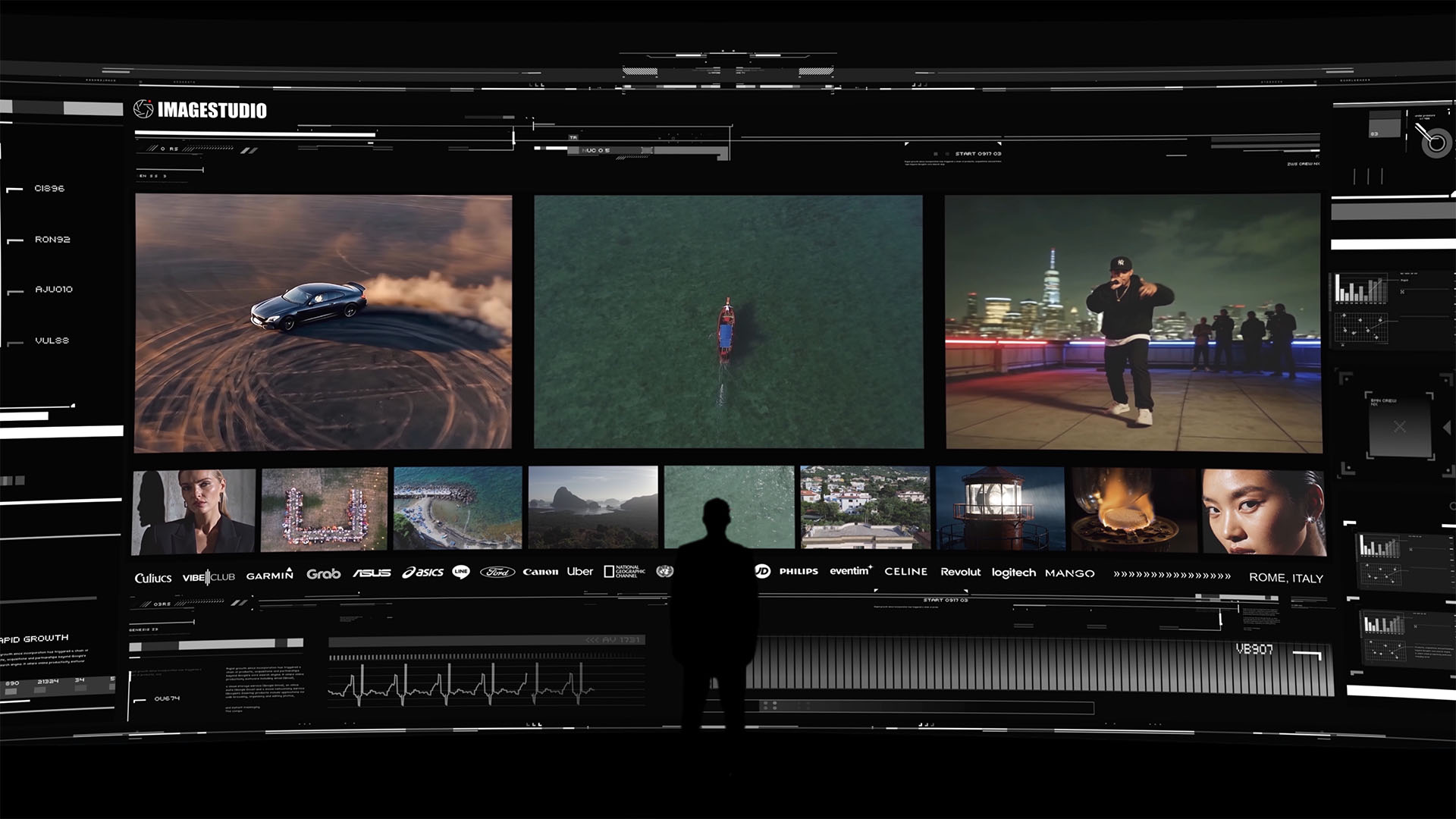
A high-end cinematic portfolio experience by Image Studio featuring automotive visuals, aerial cinematography, urban storytelling, and premium brand collaborations.
Imagestudio brings over 14 years of cinematic storytelling experience to every wedding film, with a portfolio of 250+ projects that have reached more than 150 million views worldwide. The team approaches each wedding as a short film with its own emotional arc, not a recording of an event. From pre-wedding consultations through final delivery, Imagestudio handles every stage of the wedding film production process with the same attention to detail that has earned recognition from National Geographic and prestigious international film festivals. Photography and film direction work together seamlessly under one creative vision, so your visual story stays consistent across every format. Explore Imagestudio’s wedding services and reach out to start the conversation about your film.
FAQ
What does a wedding film director do differently than a videographer?
A wedding film director leads the creative and editorial process, shaping raw footage into a narrative film with deliberate pacing, sound design, and color grading. A videographer primarily captures footage without the same level of storytelling control or post-production involvement.
How early does a wedding film director start working with couples?
Most directors begin with consultations weeks or months before the wedding to understand the couple’s story, priorities, and timeline. This pre-wedding planning phase is where vendor coordination and audio logistics are also mapped out.
What deliverables should I expect from a wedding film director?
Standard deliverables include a sneak peek clip within two to three weeks, a highlight film of three to ten minutes, and a full ceremony edit, typically delivered within four to ten weeks after the wedding.
How do I know if a wedding film director is the right fit for my wedding?
Review full-length films rather than just highlight reels, ask about their on-the-day workflow, and pay attention to how well they listen during your first consultation. Rapport and communication style are as important as portfolio quality.
Do I need both a wedding film director and a photographer?
Yes, the two roles capture your wedding in fundamentally different ways. A wedding photographer delivers still images that freeze individual moments, while a film director captures the movement, audio, and emotional flow that still images cannot convey.