How to Capture Night Wedding Photography in Italy: Pro Guide
November 13, 2026
Discover how to get beautiful, atmospheric night wedding photos in Italy. Practical advice on lighting, timing, permits, and creative collaboration.
There is a reason couples dream of night wedding photography in Italy. Imagine walking out into a softly lit piazza in Florence, or sharing a quiet first dance beneath lanterns in a Lake Como villa. The Italian night brings gentle shadows and warm, golden glows that turn every moment into a memory worth keeping. Yet the beauty of these scenes comes with its own set of challenges for both couples and photographers, especially when it comes to lighting, timing, and the practical realities of shooting after dark.
If you are planning your wedding in Italy, or if you are a photographer preparing for a destination shoot, you will want to understand how to capture this magic without losing the realness and emotion of the evening. This article is built from years of working at Italian weddings: you will find clear advice on permits, creative lighting, the best timing for night shots, and how to work together for photos that feel as vivid as the night itself. Whether your celebration is in a Tuscan courtyard or on the shores of Lake Como, you will leave with the tools to make your night wedding photography in Italy both beautiful and true to your story.
Understanding Night Wedding Photography in Italy
What Makes Italian Nights Unique?
Photographing weddings at night in Italy is a different experience from anywhere else. The architecture, think honey-lit stone villas, marble piazzas, and lakeside terraces, shapes every image. You work with both the built environment and the surrounding landscape. In cities and villages, the glow from ancient street lamps and the pattern of narrow alleys add character to every frame. On Lake Como, the water reflects distant lights and the silhouettes of mountains, but these same ridges can cause sunset to end much earlier than expected. In Tuscany’s hill towns, the evening light lingers, wrapping guests in a golden haze before the sky turns deep blue.
Italian venues don’t just provide a background, they define the mood. A night shoot in a villa’s courtyard, with candles flickering against old stone, feels intimate and timeless. A grand piazza, empty except for your celebration, offers space for dramatic compositions. On the lakeside, the subtle shift from dusk to darkness changes the palette of every photo. Each setting demands a different approach, from how you use available light to the way you guide couples and guests.
Current Trends in Night Wedding Photos
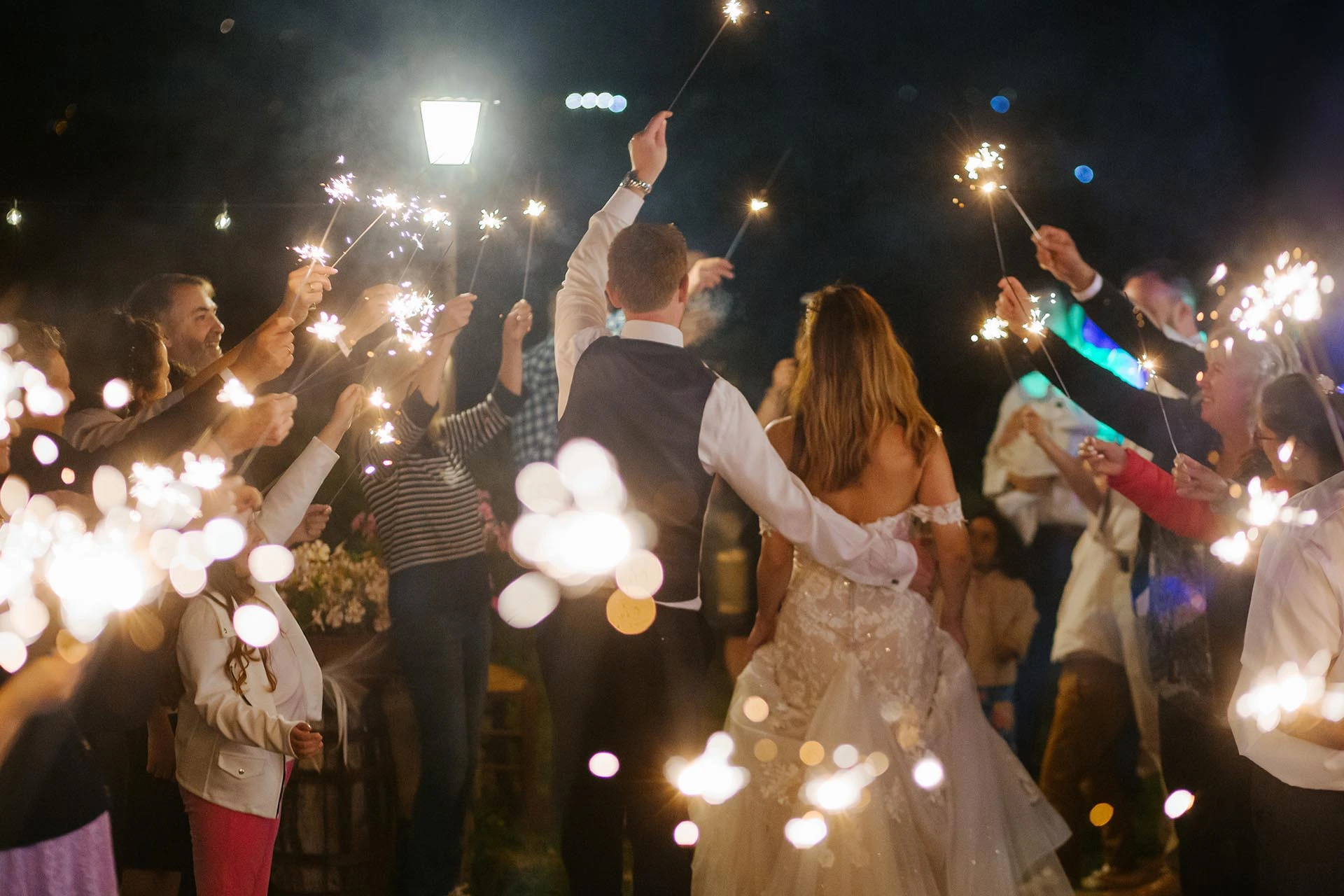
For 2026, couples are moving away from polished, staged night shots. The visual trend is toward film-inspired color, with warmth and softness replacing sharp digital perfection. Candid moments, friends laughing under string lights, a quiet embrace away from the party, are valued more than poses. Intentional imperfection is in: images with motion blur, uneven lighting, or unexpected reflections can feel more authentic and atmospheric. This approach fits perfectly with Italy’s evening ambiance, where the mix of historic textures and gentle light invites a more relaxed, real style.
Budget-wise, Italian couples spend an average of €1,850 for wedding photography, but destination weddings, especially at well-known venues like Lake Como, often see packages from €3,500 to €8,000 for a full day. Top-end studios may charge between €8,000 and €15,000 for elaborate, multi-day coverage. Nighttime photography is usually part of these packages, though it often requires extra planning in terms of lighting and logistics. If you are comparing studios, ask how they approach night shoots and what is included. Your investment is not just for the photos, it is for experience with Italy’s unique settings after dark.
Planning and Permits: Legal and Logistical Essentials
Permit Costs and Timelines
Public spaces: Shooting in city streets, piazzas, or public gardens at night usually requires a permit. Typical fees range from €150 to €500 per location. Approval is not instant, allow 15 to 30 days for processing.
Private villas and historic venues: Many private venues, especially historic villas, require extra fees for evening or night filming. These often add €800 to €1,500 to your venue costs, on top of any general site rental.
Drone use: Nighttime drone shots need special permits and a certified operator. Fees for drone permits are typically €300 to €600. Check early if your location allows drones after dark, as some areas have strict night-flight bans.
Permit lead time: Start planning well before your date. Each location’s rules differ, and approval can take a few weeks, especially for high-profile places in Rome, Florence, or at lakeside villas.
Special Rules for Tripods and Drones
Tripods in cities: In Italian cities like Rome, using a tripod in public spaces, even at night, often requires a permit. Each city’s rules are different, so confirm local requirements before your shoot.
Drones: Italian law is strict about drone use, especially at night. Only certified operators can fly drones, and you need both venue permission and national approval. Your photographer or videographer should handle these details, but you are responsible for making sure the right permissions are in place.
If you are planning a multi-day wedding photography experience, permit coordination is even more important. Each location may need its own paperwork and schedule.
Checklist: What to Confirm Before Your Night Shoot
Which locations will be used for your night shoot? Are they public, private, or both?
Who is in charge of obtaining each permit, your planner, venue, or photographer?
What are the exact fees and approval times for each location?
Are there any restrictions on lighting, equipment, or timing at your chosen venue?
Is tripod or drone use allowed? Who will operate the drone, and are they certified?
Do you need to adjust your timeline if a permit is delayed?
Coordinating these details early with your photographer and planner saves stress and avoids last-minute surprises. At Image Studio, we guide couples through these logistics so you can focus on enjoying the night itself, knowing every shot is both magical and permitted.
Lighting Night Wedding Photos: Tools and Techniques
Available Light vs. Added Light
Italian nights offer some of the most romantic atmospheres for wedding photography. The right lighting shapes how your story feels. Many venues, especially in Tuscany or on Lake Como, feature beautiful string lights, lanterns, or candles already in place for dinner and dancing. These create a soft glow that flatters skin and brings out the warm tones in stone walls or olive trees. City weddings, think Florence or Rome, benefit from ambient street lamps, piazza lights, and even the bounce of neon signs. This “available light” is beautiful, but it changes quickly and can be unpredictable. For example, candlelight flickers, and string lights may be dimmer than you expect in photos.
Sometimes available light is enough, especially if you want that authentic, moody look that’s popular in recent Italian wedding trends. Other times, a little extra help is needed. Added light, such as portable flashes or LEDs, lets your photographer control the mood and ensure faces are visible even when the night gets truly dark. The key is subtlety: the best added light blends in, mimicking the warmth and direction of candles or overhead bulbs. We often diffuse flashes to soften them, or bounce them off ceilings and walls to avoid harsh shadows. This approach keeps the atmosphere natural, never looking staged or over-lit.
Equipment Tips for Italian Venues
Night weddings in Italy call for specific gear. Cameras with strong low-light performance are essential. We use full-frame bodies with fast lenses (f/1.2 to f/2.0) to capture clean images without too much noise. A 35mm or 50mm prime lens is ideal for candid scenes at dinner tables or on the dance floor. Wide apertures let in more of the gentle glow from lanterns or city lights, preserving the atmosphere.
Portable LED panels are a favorite for moving quickly between locations, especially in historic villas or outdoor gardens where power outlets are scarce. Battery-powered flashes with modifiers (like softboxes or bounce cards) let us adjust the look for each scene. For creative effects, we sometimes use small fairy lights, glass prisms, or even a candle held near the lens to add dreamy flares. In tight city streets or piazzas, a tripod is helpful, but always confirm the local rules about tripod use, as some cities require a permit for this equipment.
Every venue has its quirks. The best results come from balancing what is already there with the right professional tools, always respecting the spirit of the place and your vision for the night.
Timing Night Photos: Sunset, Blue Hour, and True Night
Sunset and Blue Hour in Different Regions
Timing is everything for night wedding photography in Italy. The golden hour, blue hour, and true night each create a unique mood, but the specific look and timing depend on your location. Inland areas like Tuscany and lakeside venues such as Lake Como have distinct light patterns that affect your photo schedule.
Location
Sunset Light Duration
Blue Hour Start
Notes for Photographers
Inland Tuscany (e.g., Val d’Orcia)
About 40 minutes of extended golden light
Right after sunset, lasting around 20 to 30 minutes
Wide views and rolling hills mean slow, even fading light. Plenty of time for soft, romantic portraits and candid group shots before darkness.
Lake Como
Shadowing cuts sunset 40 to 70 minutes earlier than the printed time
Can begin before official sunset due to surrounding mountains
Sun dips behind ridges fast. Plan for earlier portraits and adjust the timeline for sudden changes in natural light. Blue hour may appear cooler and more dramatic near the water.
City Venues (e.g., Rome, Florence)
Sunset is often blocked by buildings, causing patchy light
City lights mix with twilight, creating a moody, cinematic effect
Coordinate with your photographer to use streetlights or piazza lighting for creative effects. Confirm tripod permit requirements in advance.
Sample Night Photography Timeline
Here is a typical evening timeline for night wedding photography in Italy. Adjustments are made for location and season, but these stages help you plan for the full range of looks:
30 to 45 minutes before sunset: Couple and group portraits in golden light (especially in Tuscany).
At sunset: Capture silhouettes and backlit moments as the sun dips. On Lake Como, start earlier to catch the last warm rays.
Blue hour (right after sunset): Most romantic, atmospheric images. The sky glows deep blue, and soft ambient light flatters skin tones.
True night (about 30 to 60 minutes after sunset): Use creative lighting, fairy lights, candles, or off-camera flash, for dramatic or intimate scenes. Perfect for first dances, cake cutting, or outdoor dinners.
Discuss your vision and priorities with your photographer early on. At Image Studio, we always help couples map out the evening, making the most of each light stage for unforgettable night wedding photography in Italy.
Collaborating for Memorable Night Photos: Couples and Photographers
Sharing Inspiration and Setting Expectations
Night wedding photography in Italy is as much about teamwork as it is about technical skill. Before your wedding, talk openly with your photographer about the atmosphere you want after dark. Are you drawn to images that feel candid and full of movement, or do you prefer portraits with a classic, softly-lit style? Sharing a mood board or a few favorite images can help your photographer understand your taste. Do not be afraid to mention if you are camera-shy or have strong feelings about certain poses. At Image Studio, we always encourage couples to talk through their comfort zones, especially for nighttime, when the mood is more intimate and light is less forgiving.
If you have particular moments you want captured, such as your first dance under string lights or a night walk through the gardens, let your photographer know. It is also wise to discuss any must-have group shots or family photos after dark. Night scenes take extra setup time, and having a simple list makes things run smoothly.
Getting Comfortable in Low Light
Moving naturally in low light can feel unfamiliar at first, but it leads to more genuine photographs. If you are worried about posing, ask your photographer for gentle direction or simple prompts, like walking hand-in-hand, sharing a laugh, or swaying together. These moments look natural and authentic, especially with Italy’s glowing evening ambiance. For more on how to feel at ease, see our guide to candid wedding photography in Italy.
Nighttime group shots or family portraits may require guests to gather quickly and stay in well-lit areas. A few helpers (like your planner or a trusted friend) can guide people into place. Make sure everyone knows when and where night photos will happen. This saves time and keeps the mood joyful.
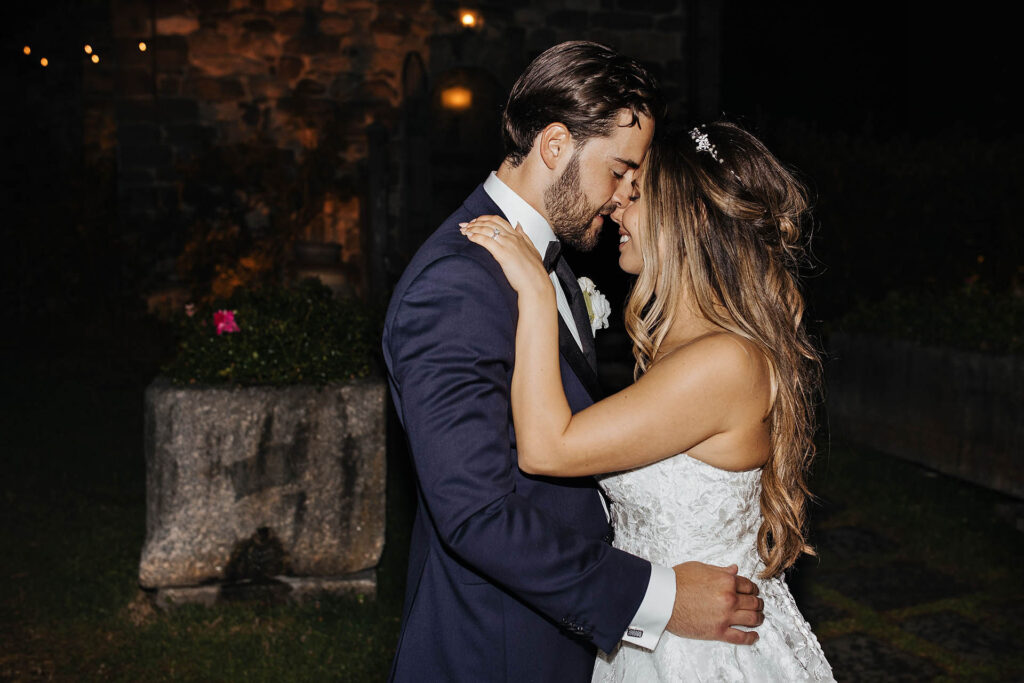
Candid moments, friends laughing by candlelight, a toast on the terrace, or a quiet embrace, often become favorite images. Trust your photographer to anticipate these and capture the essence of your celebration. You can also review the best times of day for wedding photos in Italy to make the most of evening light transitions.
Your next step: Start a conversation with your photographer about what feels true to you. If you want experienced guidance in planning memorable night wedding photography in Italy, reach out to Image Studio for a tailored approach that honors both your vision and the unique Italian night.
What if it rains on the night of our wedding in Italy?
Rain can actually add a beautiful, cinematic quality to night wedding photos in Italy, with reflections and glistening surfaces. We always plan for backup indoor or covered spots at your venue, and bring weatherproof gear so we can keep shooting safely and creatively, no matter the weather.
Can we do night photos in multiple locations on the same evening?
Yes, you can plan night photos in more than one location, but each site may require its own permit and extra travel time. Make sure to confirm permit rules and timing with your photographer early, especially if you want photos in both public spaces and private venues.
How do you avoid harsh flash or unflattering lighting at night?
We use diffused flashes, bounce light off nearby surfaces, and often blend added light with the venue’s own lanterns or candles. The goal is always to keep the light soft and natural, so your photos feel warm and true to the atmosphere without looking staged or over-lit.
Are there extra costs for night photography compared to daytime?
Night photography in Italy often comes with extra costs, such as permits for public spaces (€150 to €500 per location), added fees for private villas (€800 to €1,500), and possible drone permit charges (€300 to €600). These are on top of your general photography package, so it is important to budget for them in advance.
How long does a typical night photo session last during an Italian wedding?
A night photo session usually lasts from 30 to 60 minutes, often timed around blue hour and true night. The exact length depends on your venue, the season, and the moments you want to capture, but we always plan to make the most of each stage of evening light.