Best Time of Day for Wedding Photos in Italy: A Photographer’s Guide
November 2, 2026
Wondering when your wedding photos will look their best in Italy? Here’s how light, season, and location shape the perfect photography timeline.
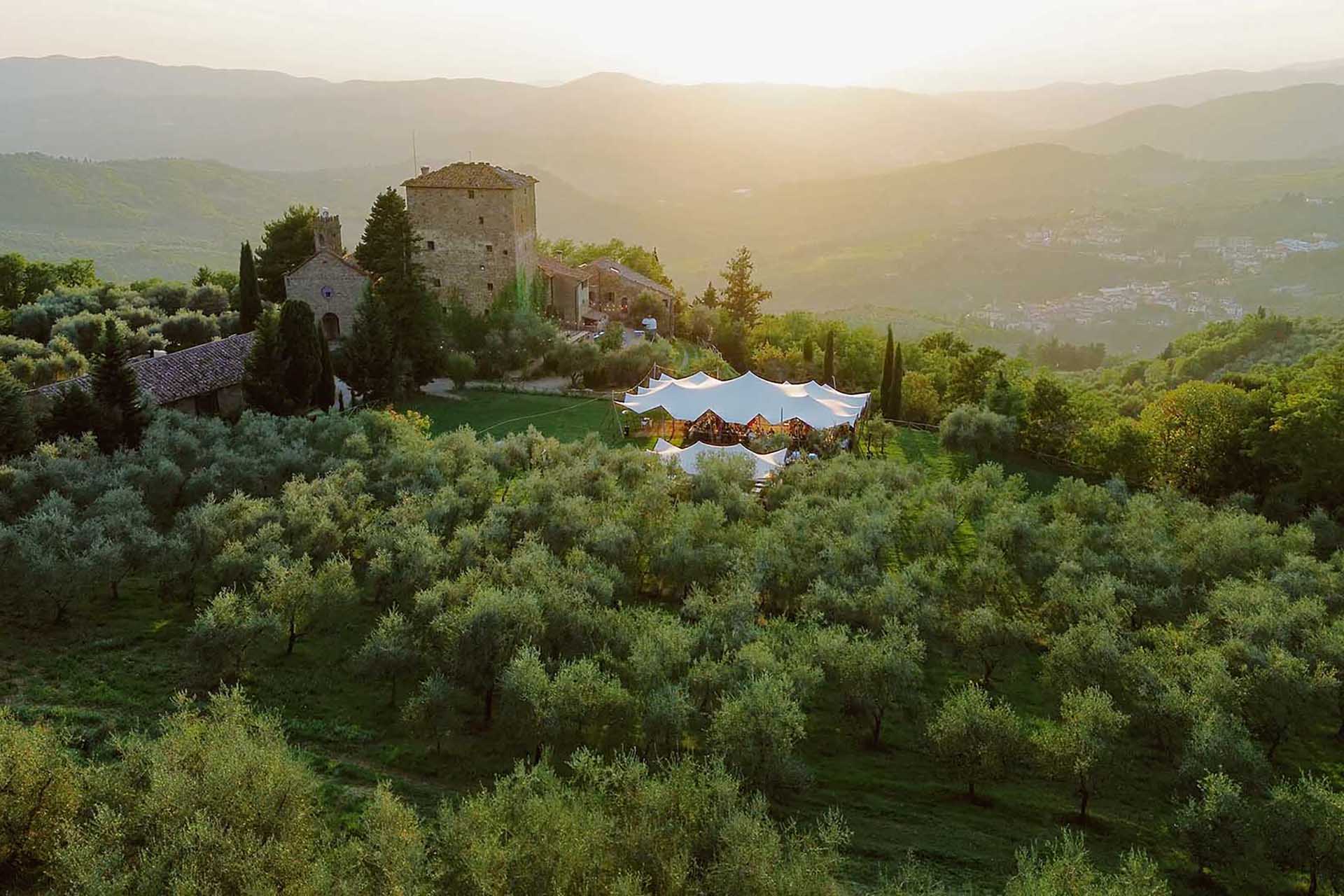
If you’re planning a wedding in Italy, you’ve probably pictured yourself in those golden portraits, standing among olive trees, beside a lake, or in a Tuscan courtyard as the sun sets. The truth is, the best time of day for wedding photos in Italy isn’t just about catching a beautiful view. It’s about light: how it changes with the season, the landscape, and even the city you choose. The right timing can make your photos glow or, if you miss it, leave them looking flat or shadowed.
Working as a photographer and director at Image Studio, I’ve followed couples from Lake Como to the Amalfi Coast, and learned firsthand how a difference of thirty minutes can transform not just the mood, but the entire feel of a wedding album. If you want timeless, natural images that capture the full beauty of Italy, it pays to know how Italian light works. In this guide, I’ll share practical advice on when to schedule portraits and ceremonies, what to expect in each region, and how to adapt when the weather or terrain throws you a curveball. My goal is simple: help you plan for the kind of light that makes Italy unforgettable, no matter where or when you say “I do.”
Understanding Italian Light: Why Timing Matters
Golden Hour vs. Midday: What’s the Difference?
Italian sunlight has a reputation for romance, but if you’ve ever visited Florence or the Amalfi Coast at noon, you know just how harsh midday can be. The sun sits high, casting strong shadows and flattening colors. Skin tones lose their warmth, and people squint into the lens. For portraits, this is the trickiest time: the light is unforgiving, especially in open spaces or city piazzas.
Golden hour is what photographers in Italy dream of. This is the window about 20 to 40 minutes before sunset (and after sunrise), when sunlight softens, warms, and spreads evenly. Shadows stretch long and gentle, the landscape glows, and every photo seems to tell a story. In Florence, for instance, golden hour in mid-May begins around 19:52 and lasts to just after 20:50. Rome, Venice, and Naples follow a similar pattern, shifting a little earlier or later as the season changes.
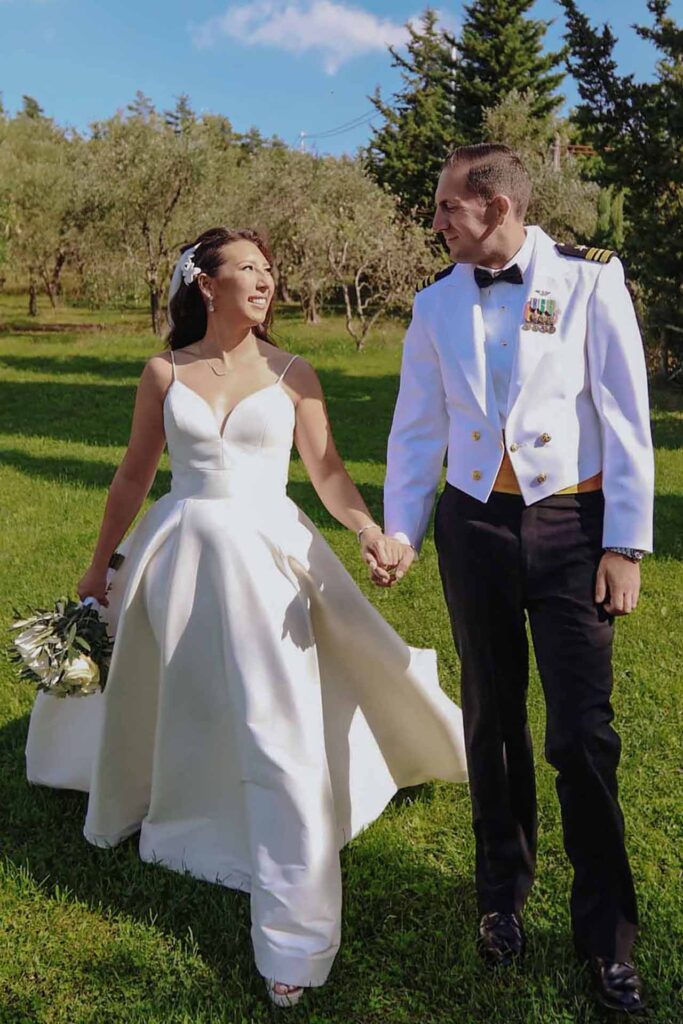
The difference is less about the clock and more about quality of light. At golden hour, you’ll see deeper colors in the sky and landscape, and skin takes on a luminous, flattering look. This isn’t just a photographer’s preference, it’s the reason so many couples schedule portraits or even their ceremony to catch this glow.
Seasonal Shifts: May to October in Focus
The most popular Italian wedding months, May, June, September, and October, offer comfortable temperatures and fewer rainy days. In Florence, you can expect around 23.7 °C in May and about 26.7 °C in September, with only 6 to 8 days of rain per month. These months are favorites not just for the weather, but because daylight lingers into the evening, giving you more flexibility to plan for golden hour portraits.
Summer sunsets in Italy can be late: in mid-June, Lake Como may see sun down after 21:15, while Rome and Florence are closer to 21:00. Further south, the sun sets earlier, sometimes before 20:30. This means the same schedule can look very different depending on where you are. In autumn, golden hour shifts earlier, and the light becomes softer and more golden as atmospheric haze increases.
Understanding these subtle shifts lets you plan your timeline with intention. At Image Studio, we always work with the season and location, helping couples avoid the flat midday and make the most of golden hour’s magic, whatever the region.
Golden Hour Timings Across Italy: A Region-by-Region Guide
How to Check Golden Hour for Your Date and Place
Golden hour, the time when sunlight is warm, low, and soft, is prized for wedding portraits in Italy. It usually starts about 20 to 40 minutes before sunset, but exactly when it happens depends on both the season and your location. In Florence, for example, golden hour on May 15 starts around 19:52 and runs to 20:53. In Lake Como, it may be even later in June, with the sun dipping behind the hills after 21:15. Southern destinations such as Naples see earlier sunsets, often before 20:30 in summer.
Terrain is just as important as latitude. In Lake Como, the western ridge can block sunlight 40 to 70 minutes before official sunset, shortening your window for that golden glow. In cities like Venice and Florence, buildings may cast long shadows that change the feel of your photos. This is why at Image Studio, we always scout your venue in advance, and recommend reading our best Italy wedding venues for stunning photos for examples of locations with the most beautiful light.
Table: Golden Hour Timings in Key Italian Destinations
Region/City
May 15 Golden Hour
June 15 Golden Hour
September 15 Golden Hour
Terrain Effect
Florence
19:52 to 20:53
20:21 to 21:00
18:59 to 19:45
City rooftops, gentle hills, long evening light
Rome
19:56 to 20:55
20:15 to 20:50
19:02 to 19:44
Urban skyline, some hills, fairly open light
Venice
19:55 to 20:52
20:23 to 21:01
18:57 to 19:44
Canals reflect light, low skyline, open western horizon
Naples
19:48 to 20:36
20:00 to 20:28
18:46 to 19:23
Hills and bay, sun sets earlier behind Vesuvius
Lake Como
19:59 to 20:59
20:35 to 21:15
19:05 to 19:55
Mountains block sun 40 to 70 min before sunset
If you want to be sure of your golden hour, use a sun-tracking app, and always check how hills or buildings might steal the light early. When planning your wedding in Italy, this attention to detail makes all the difference for truly luminous portraits.
Building Your Wedding Day Timeline for the Best Light
Sample Timeline for a Classic Italian Wedding
To make the most of Italy’s golden light, start with the 3 to 3.5 hour rule. Plan your outdoor ceremony to begin about three to three and a half hours before sunset. This gives you a smooth flow: ceremony, group photos, drinks, and then your couple’s portrait session right at golden hour. For example, if sunset is at 20:45 (as it is in Rome in mid-June), aim to start your ceremony around 17:15 to 17:45. Here is a step-by-step approach:
Prep and First Look (2 to 3 hours before ceremony): Begin with getting ready shots and, if you want, a first look. This captures emotion and relieves pressure later.
Ceremony (3 to 3.5 hours before sunset): An outdoor ceremony at this time avoids harsh midday sun and ensures everyone is comfortable.
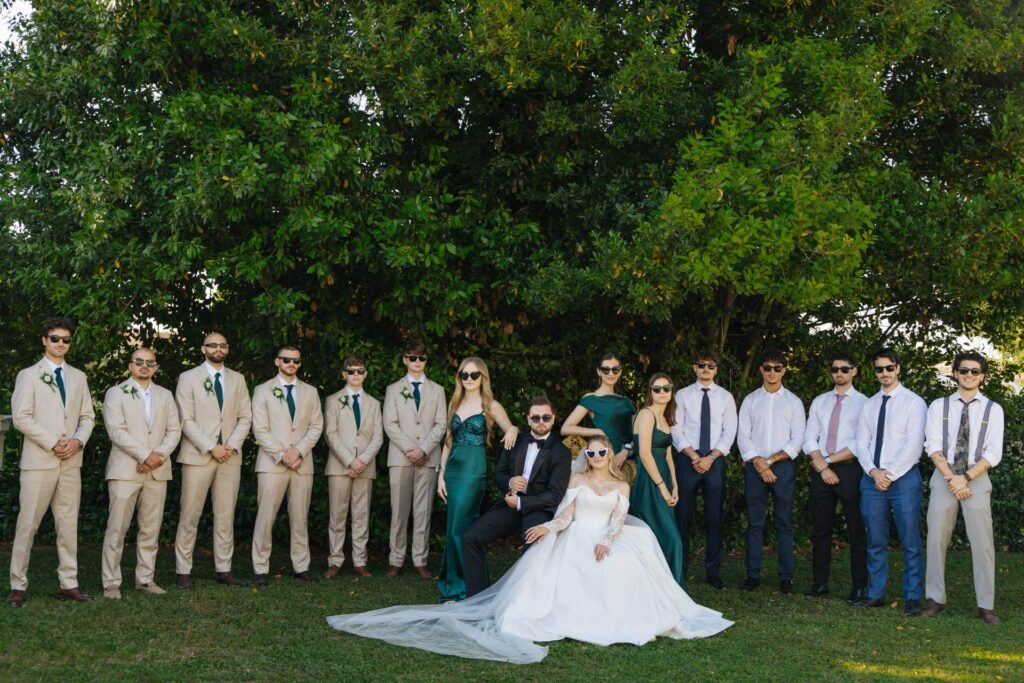
Group Photos and Drinks (immediately after ceremony): Allow 30 to 40 minutes for group shots and a relaxed drinks hour. Choose a spot with even shade if the sun is still high.
Couple Portraits (start at golden hour): Move into your couple’s session as golden hour begins, about 20 to 40 minutes before sunset. This is the sweet spot for soft, flattering light.
Reception (after sunset): Once portraits are finished, join your guests for dinner and dancing as the lights come on.
If your venue is by Lake Como, in the Dolomites, or in a city with tall historic buildings, sunlight may disappear 40 to 70 minutes before the official sunset. Always check the landscape: a mountain ridge or a city skyline can cut your golden hour short. Shift your ceremony and portrait session earlier if you know the sun will set behind a ridge or building before the posted time.
For multi-day weddings or if you want both midday and golden hour looks, split your photo sessions. You might schedule a morning shoot for soft early light and a second session for sunset. This approach is popular for destination weddings, giving you a variety of moods and settings across your celebration.
Building your timeline around the best light ensures your wedding photos capture the real beauty of Italy. It is always worth asking your photographer for input, especially if they know your chosen region well.
Season, Weather, and Practicalities: What to Expect
Choose the classic wedding months for the most reliable conditions.
May, June, September, and October are favorites for a reason. Expect comfortable temperatures (Florence averages 23.7 °C in May and 26.7 °C in September), while rainfall is usually limited to 6 to 8 days in the month. The earlier sunset in May and October can help you finish portraits before dinner, while June and September let you enjoy longer evenings outdoors.
These months offer a balance of soft light, mild weather, and fewer tourist crowds compared to peak summer. Your guests will thank you, and your photos will benefit from calm, flattering light.
Rainy Day Contingency Plans
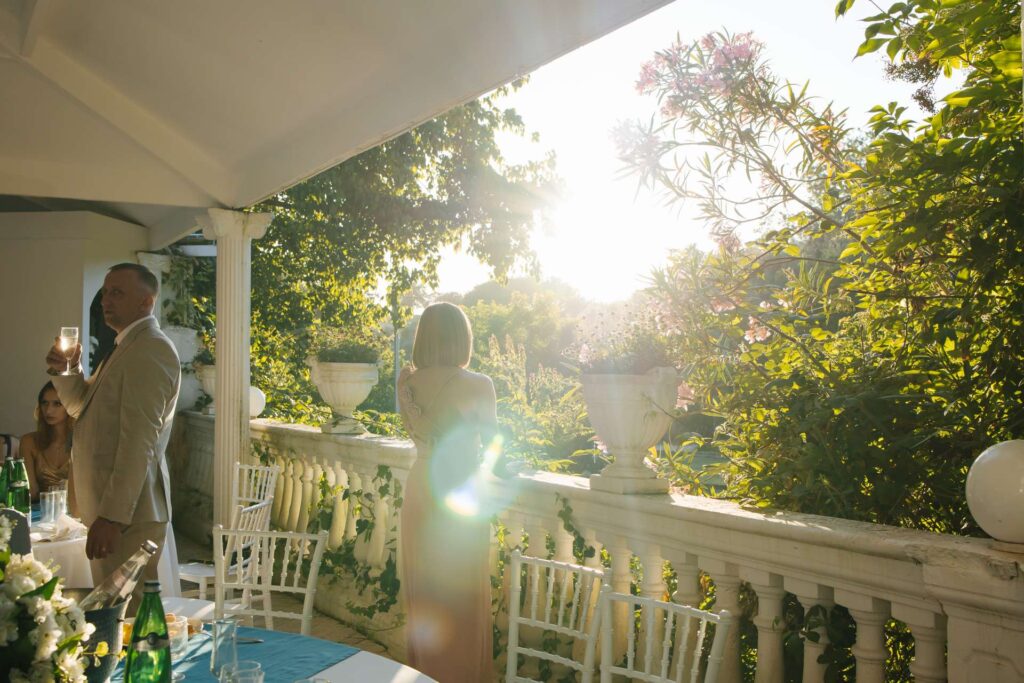
Some rain or heavy cloud is always possible, especially in spring and autumn. Build a backup plan with your venue and photographer. Covered terraces, porticos, or elegant indoor spaces can save the day for portraits and group shots.
Cloudy skies can actually soften the light, making skin tones smooth and colors richer. If a storm passes quickly, you might catch dramatic skies or a rainbow for unforgettable portraits.
If your photographer is coming from another region, expect a travel fee of €500 to €1,500, often including one or two hotel nights. This cost covers their time and ensures they arrive rested and ready.
Always share your timeline and location as early as possible. If you are marrying at Lake Como, for example, an early ceremony might require your photographer to arrive the night before to catch the morning light or sunrise session.
How much golden hour coverage do you need?
For elopements with only ceremony and portraits, most photographers recommend booking at least 3 hours. If you want full coverage, including getting ready, first look, ceremony, and golden hour, 6 hours is typical.
Golden hour itself usually lasts 20 to 40 minutes, so plan your portrait session to start at the beginning of this window. The rest of your coverage should fit naturally around ceremony and celebrations.
It helps to work with studios like Image Studio, who can help you build a timeline tailored to both your story and the unique light of your chosen region.
Quick Answers: Your Best Time of Day Questions
At a Glance: Photo Moments and Ideal Timing
Photo Moment
Best Time (Italy, Spring to Autumn)
Notes
First Look
1 to 2 hours before ceremony
Choose shaded areas or soft indoor light for privacy and comfort
Ceremony
3 to 3½ hours before sunset
Ensures enough daylight for group photos and leads into golden hour
Group Shots
Immediately after ceremony
Good light, everyone is gathered and relaxed
Couple Portraits
Start at golden hour (20 to 40 minutes before sunset)
Soft, warm, flattering light in every region
How to Get Precise Timing
Italy’s light shifts by location and by season. For example, sunset in Florence in May happens around 20:53, while on Lake Como in June it can be after 21:15. Mountains or ridges can hide the sun even sooner, on Como’s western shore, you might lose direct light up to 70 minutes before official sunset. To get it exactly right, ask your photographer to check the sunset for your date and venue. Many professionals use apps like PhotoPills, which calculate golden hour based on your precise spot and event date.
If you are planning in advance and want to double-check, you can also use online sunrise and sunset calculators. But nothing replaces a local photographer’s eye and real-world experience. At Image Studio, we always factor in terrain and weather to suggest the best slot for each photo moment, especially for iconic locations where the light can change quickly.
Key Takeaways for Stress-Free Planning
Book your ceremony so that group shots and portraits lead naturally into golden hour.
Expect to start couple portraits 20 to 40 minutes before sunset, adjusting for terrain and season.
Trust your photographer to advise on the quirks of local light and to adjust the plan if clouds or weather change.
Factor in travel time between locations, especially in regions with hills or lakes, as the best light can slip away fast.
The best approach: set your major moments around the sun, not the other way around. If you want a timeline tailored exactly to your venue and season, reach out to your photographer early. If you need help designing a day that brings out the best of Italy’s scenery and light, you can always contact Image Studio to talk through your ideas and get a custom timeline.
What if the weather is cloudy or rainy on my wedding day in Italy?
Cloudy skies can actually soften the light, making skin tones look smooth and colors richer in your photos. If it rains, having a backup plan with your venue and photographer, like covered terraces or elegant indoor spaces, means you can still get beautiful portraits. Sometimes, a passing storm can even bring dramatic skies or a rainbow for truly memorable shots.
How early should I book my photographer to secure the best light?
Book your photographer as soon as you have your date and venue, especially if you want someone familiar with Italian light and timing. Experienced studios like Image Studio can help you plan your timeline around golden hour, which is key for the best portraits. Early booking also allows time to coordinate travel if your photographer is coming from another region.
Can we do both sunrise and sunset photos on the same day?
Yes, you can schedule both sunrise and sunset sessions if you want a variety of moods in your album. Sunrise offers soft, quiet light and fewer crowds, while sunset (golden hour) brings warm, glowing tones. This is a popular choice for destination weddings and works well if you have a multi-day celebration or want different backdrops.
Do Italian venues allow flexibility with ceremony times for golden hour?
Most Italian venues are used to working with couples who want to time their ceremony for the best light. It is common to start outdoor ceremonies about 3 to 3.5 hours before sunset, which leads smoothly into golden hour for portraits. Always confirm with your venue, but flexibility is usually possible, especially in the classic wedding months.
Is golden hour different in the mountains versus the coast?
Yes, golden hour can be shorter in the mountains because ridges or peaks may block sunlight before the official sunset. For example, at Lake Como, the western ridge can hide the sun 40 to 70 minutes early. On the coast, you often get a longer, more open golden hour, but always check how the local landscape affects the timing at your venue.