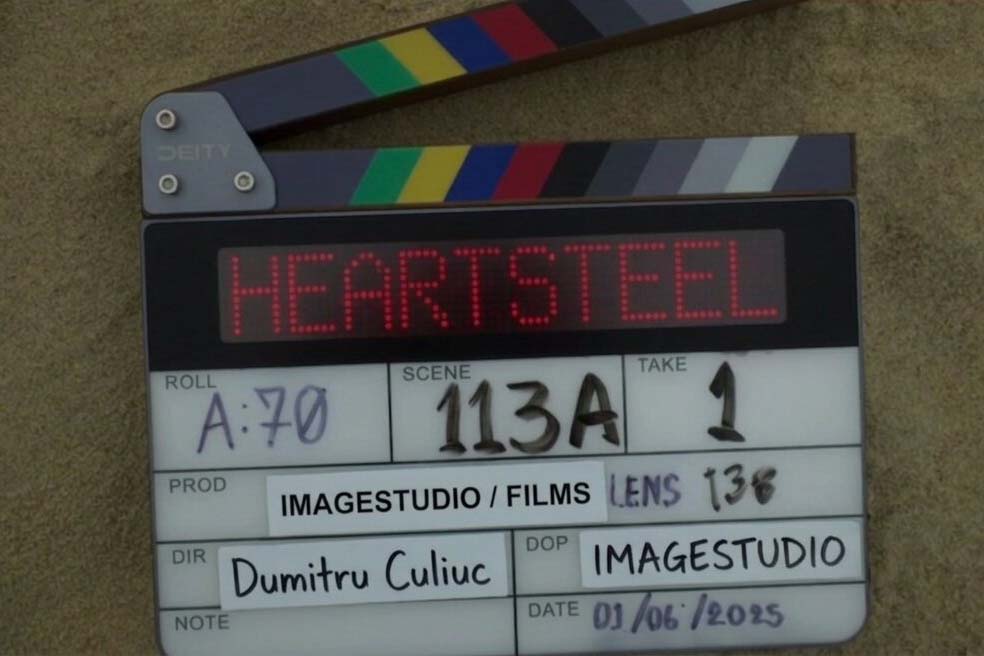
Discover what a commercial cinematographer does, from developing the visual concept and leading the camera department to supervising lighting, color grading, and multi-platform delivery. Learn how a Director of Photography shapes commercial campaigns through creative vision, technical expertise, and end-to-end production leadership
A cinematographer, or director of photography (DoP), is the visual lead on a commercial production, responsible for designing and executing every image from the first concept meeting through final color approval. On a commercial shoot, that means translating a brand’s identity into frames that work emotionally, technically, and across every platform the campaign will run on.
Here’s what a DoP actually handles on a commercial job:
Visual concept and look development — translating the director’s and agency’s creative brief into a concrete lighting style, color palette, and camera language
Camera department leadership — selecting and managing the camera operator, focus puller, DIT, and grip/electric crew
Lighting design and execution — building lighting setups that serve both the brand aesthetic and the shooting schedule
Shot composition and camera movement — choosing lenses, framing, and movement to carry the story and reinforce brand tone
Image delivery and technical specs — defining codecs, color spaces, resolution, and frame rates to match platform requirements
Post-production handoff — supervising color grading, delivering look LUTs, and reviewing final deliverables
Studios like Imagestudio, professional bodies like the American Society of Cinematographers (ASC), and institutions like the American Film Institute (AFI) all define the DoP’s role the same way: creative and technical authority over the image, from storyboard to screen.
Table of Contents
What does a cinematographer actually do on a commercial shoot?
How the cinematographer’s workflow spans pre-production to post
Creative skills vs. technical tools: what separates a great commercial DoP
Who the cinematographer works with and how decisions get made
What deliverables and technical specs should clients expect?
How cinematography shapes your budget
Questions to ask when hiring a cinematographer for a commercial
How Imagestudio approaches commercial cinematography end-to-end
Legal and licensing considerations for commercial cinematography assets
Key Takeaways
What makes commercial cinematography worth the investment
Imagestudio brings cinematic production to your next commercial campaign
Useful sources and further reading
What does a cinematographer actually do on a commercial shoot?
The DoP’s responsibilities on a commercial production are broader than most clients expect. They are not simply the person who points the camera. According to the AFI, a cinematographer is responsible for achieving the visual look and feel of a commercial from both technical and creative standpoints, including choosing cameras and lenses, lighting each scene, coordinating with production design, and overseeing color grading.
Visual concept and look development
Before a single light is rigged, the DoP works with the director and agency creative lead to define the visual language of the campaign. That means mood boards, reference reels, and a concrete lighting and color strategy tied to the brand’s identity. Cinematic video for brands lives or dies on this early alignment.
Camera department leadership
The DoP hires and leads the camera department: camera operator, first and second assistant camera, DIT, and often the gaffer and key grip. On a commercial shoot with a tight schedule, that leadership directly affects how fast the crew moves through setups and how consistently the look holds across a full shooting day.
Lighting design and execution
Lighting is where the DoP’s creative vision becomes physical. They design the lighting plan, work with the gaffer to execute it, and make real-time adjustments on set. Modern commercial DPs frequently use LED panels, practicals, and naturalistic sources to create the kind of authentic, lifestyle-driven imagery that resonates with contemporary audiences.
Shot composition and movement
Camera placement, lens choice, shot size, aspect ratio, and movement are all DoP decisions made in collaboration with the director. Anamorphic lenses, for example, produce a distinctive cinematic bokeh and horizontal lens flares that many brands specifically request for high-end spots.
In-camera effects and practicals
Commercial shoots are increasingly where DPs experiment with in-camera VFX, LED volumes, FPV drones, and motion-control rigs. These tools create dynamic motion and visual effects that would cost far more in post.
Pro Tip:Pre-lighting a location the day before the shoot is one of the most effective ways a DoP protects the aesthetic on a fast commercial schedule. It removes the guesswork on shoot day and lets the crew focus on performance and coverage.
How the cinematographer’s workflow spans pre-production to post
The DoP’s involvement should begin well before the shoot day and extend past the wrap. Producers who bring the DoP in late consistently lose time and money on set.
Pre-production checklist
Attend concept and creative brief meetings with the director and agency
Develop shot lists and review storyboards
Conduct camera and lens tests to confirm the look before committing to a rental package
Lead tech scouts at all locations to assess natural light, power availability, and rigging options
Build the lighting plan and crew list
Set up the DIT and post pipeline: codecs, color space, proxy workflow, and dailies delivery
Production checklist
Execute the shot list while adapting to on-set realities (weather, talent, schedule changes)
Lead the camera and lighting crew through each setup efficiently
Coordinate with the production designer on practical elements and set dressing that affect the image
Review dailies with the director and agency rep to catch any issues before they compound
Manage safety protocols for specialty rigs, drones, and high-speed cameras
Post-production checklist
Attend the color timing session with the colorist and director
Deliver look LUTs and written color notes
Review final deliverables against the agreed technical specifications
Sign off on the post pipeline handoff, including metadata, archiving, and media backup
Branded content cinematographers specifically need platform adaptation built into the workflow from day one. Quick-turnaround dailies and a solid DIT setup are not optional extras; they are what keep a multi-platform campaign on schedule.
Creative skills vs. technical tools: what separates a great commercial DoP
The best commercial cinematographers hold two things simultaneously: a strong visual storytelling instinct and a deep technical vocabulary. Clients who understand the difference can brief and evaluate candidates far more accurately.
Creative skills
Visual storytelling — designing images that communicate brand identity and emotion within seconds
Composition — using framing, negative space, and depth to guide the viewer’s eye
Color sense — building a palette that reinforces brand tone and translates across formats
Camera movement — choosing between static, handheld, gimbal, or motion-control based on the emotional register of the spot
Directing the image — collaborating with the director on how each shot advances the narrative
Technical skills and tools
Commercial sets today use a wide range of specialized equipment. Common tools include:
Camera bodies and codecs — ARRI Alexa, RED, Sony Venice, and Blackmagic for different resolution and color science needs
Lens choices — spherical primes, anamorphic sets (Cooke, Leica, Hawk), and zoom lenses for flexibility
Lighting — LED panels (ARRI SkyPanel, Litepanels), HMIs, tungsten practicals, and LED volumes for in-camera VFX
Motion tools — gimbals (DJI Ronin), motion-control rigs, FPV and standard drones, and camera cars
High-speed cameras — Phantom and similar cameras for slow-motion product and action shots
DIT workflow — on-set data management, color management, and proxy generation for same-day editorial
Pro Tip:Camera codec and DIT workflow choices have a direct impact on post turnaround. Shooting in a camera-native RAW format gives the colorist maximum latitude but requires more storage and processing time. Agreeing on a codec and proxy workflow before the shoot prevents expensive surprises in post.
Who the cinematographer works with and how decisions get made
On a commercial production, the DoP sits at the center of a web of collaborators. Understanding those relationships helps clients know exactly who to call for which decisions.
Core collaborators and the DoP’s role with each:
Director — the DoP’s primary creative partner; they align on look, shot list, and on-set priorities together
Agency creative lead — the DoP often presents lighting and camera references directly to the agency for approval before the shoot
Producer — the DoP works with the producer on crew size, equipment budget, and schedule; every creative choice has a cost implication
Production designer — set design, color palette, and practical lighting elements are coordinated closely with the DoP
Gaffer — executes the lighting plan under the DoP’s direction; a trusted gaffer is one of the DoP’s most important relationships
Key grip — manages camera support, dollies, cranes, and rigging; critical for any camera movement work
Camera operator — executes camera moves on set; on smaller commercials, the DoP often operates themselves
DIT — manages on-set data, color management, and dailies; the DoP’s technical right hand in post pipeline setup
Colorist — the DoP supervises the color grade and delivers LUTs and notes to maintain the look established on set
Editor — the DoP’s shot list and coverage decisions directly shape what the editor has to work with
Decision workflows on commercial shoots typically follow this pattern: the director and DoP lock the look together, the agency creative lead approves it, the producer signs off on the budget implications, and any on-set changes go through the director first. Clients who try to redirect the DoP directly, bypassing the director, create confusion and slow the shoot down.
What deliverables and technical specs should clients expect?
Ambiguity in deliverables is one of the most common sources of conflict between clients and production teams. Getting these specs into the contract before the shoot starts saves everyone time and money.
Standard deliverables from a commercial cinematography package:
Camera originals (RAW or high-bitrate files) with full backup on redundant drives
Proxy files for editorial (typically H.264 or H.265 at a lower resolution)
Color-graded broadcast or digital master files
Look LUTs and color notes from the DoP
EDL or AAF for editorial handoff
Platform-specific deliverables: 16:9 broadcast master, 1:1 square, 9:16 vertical for social
Unit stills (if a stills photographer is on set)
Metadata documentation and archiving notes
Technical specs clients must confirm before the shoot:
Resolution (4K, 6K, 8K depending on platform and future-proofing needs)
Frame rate (24fps for cinematic feel, 30fps for broadcast, higher for slow-motion)
Codec and color space (ProRes, ARRIRAW, REDcode; Rec.709, Rec.2020, ACES)
Aspect ratios and safe areas for each platform
Audio sync requirements if the DoP’s team is handling sound
Closed caption and metadata inclusion for broadcast compliance
Platform requirements change the deliverable list significantly. A campaign running on broadcast television and Instagram Reels needs at minimum two separate masters with different aspect ratios, and ideally the DoP has planned the framing to accommodate both during the shoot rather than cropping in post. Vertical video production for commercial campaigns requires that kind of platform-first thinking from day one.
How cinematography shapes your budget
Cinematography is one of the largest line items on a commercial production budget, and the DoP’s creative choices ripple through almost every other cost. Understanding the rate structures and cost drivers helps producers build realistic budgets from the start.
Common rate structures
Day rate — the standard for freelance commercial DoPs; rates vary widely based on experience, market, and project scale
Week rate — typically 3–4x the day rate for longer campaigns or multi-day shoots
Flat project fee — common for smaller branded content jobs where the scope is clearly defined
Creative fee — some senior DoPs charge a separate creative development fee for concept and look development work in pre-production
According to Indeed, the average U.S. cinematographer salary provides a labor-market signal useful for budgeting and expectations. That figure reflects salaried positions at production companies and broadcasters; freelance commercial day rates for experienced DoPs in major markets like New York and Los Angeles run considerably higher.
Main cost drivers
Crew size — camera, lighting, and grip crew scale with the complexity of the lighting plan and the number of camera setups
Equipment rentals — camera bodies, lens packages, lighting, and motion rigs are typically rented per day; specialty items like LED volumes and motion-control systems add significant cost
Specialty crew — licensed drone pilots, FPV operators, and LED volume technicians are line items beyond the standard camera department
Prep and tech test days — camera tests and tech scouts are billable days that pay for themselves by preventing on-set problems
DIT and color timing — on-set DIT support and post color supervision are often underbudgeted
Pro Tip:One of the most effective places to save budget without hurting the look is consolidating the camera package. A single camera body with a well-chosen lens set almost always outperforms a multi-camera setup that fragments the DoP’s attention. Fewer cameras, better lighting, and a tighter shot list consistently produce stronger results.
Questions to ask when hiring a cinematographer for a commercial
A strong reel is necessary but not sufficient. These questions help you evaluate whether a DoP is the right fit for a brand-driven commercial project.
What commercial work have you shot, and for which brands or agencies? Look for experience with work similar in tone and scale to your project.
How do you approach a new brand’s visual identity? A strong DoP should describe a process: reference gathering, look development, and creative alignment with the director and agency.
What camera and lens package would you recommend for this project, and why? Their answer reveals both technical knowledge and whether they’re thinking about your specific needs.
How do you handle platform adaptation — specifically vertical and square formats? If they don’t mention planning for it during the shoot, that’s a gap.
Who do you typically bring as your gaffer and camera operator? Experienced DoPs have trusted collaborators; a DoP who hasn’t thought about their crew is a risk on a tight commercial schedule.
What’s your DIT and post pipeline setup? They should be able to describe their codec preferences, proxy workflow, and how they handle dailies delivery.
How do you manage on-set changes when the schedule slips? This reveals how they prioritize coverage and protect the look under pressure.
Portfolio checklist:
Does the reel show visual diversity across different brand categories and lighting conditions?
Is there evidence of platform-specific thinking (vertical cuts, square formats)?
Are there technical credits listing camera formats and lens packages?
Does the work hold a consistent aesthetic within each project while varying across projects?
How Imagestudio approaches commercial cinematography end-to-end
Imagestudio’s approach to commercial cinematography is built around one principle: the DoP is a creative partner from brief to delivery, not a day-of hire. On a recent campaign for a global lifestyle brand, the DoP joined the project three weeks before the shoot, attending creative brief sessions with the agency, conducting camera and lens tests to establish the look, and leading a full tech scout across four locations.
The technical setup for that project used an ARRI Alexa camera with a set of Cooke anamorphic lenses to achieve the brand’s signature cinematic quality, combined with a naturalistic LED lighting approach that kept the imagery feeling authentic rather than over-produced. A dedicated DIT managed the on-set data pipeline, generating same-day proxies for the agency’s editorial team and maintaining a color-managed workflow that fed directly into the post color session.
Challenges on that shoot included a compressed schedule across multiple locations and a client request for both broadcast and social vertical deliverables. The DoP solved the aspect-ratio challenge by building all compositions with a protected center frame, allowing the 16:9 master to crop cleanly to 9:16 without losing the key visual elements.
The campaign reached over 40 million views across platforms, a result Imagestudio attributes directly to the visual consistency maintained from the first concept meeting through the final color grade.
Imagestudio’s credentials include:
14+ years of commercial and editorial production experience
250+ projects with over 150 million combined views
Collaborations with clients including National Geographic
Recognition from prestigious film festivals
Pro Tip:On long campaigns with multiple shoot days or phases, Imagestudio builds a look bible: a documented reference of lighting setups, lens choices, and color notes that any crew member can reference. It’s the single most effective tool for maintaining visual consistency when the schedule or crew changes between phases.
Legal and licensing considerations for commercial cinematography assets
Clearing rights for a commercial production is a shared responsibility, but the DoP’s choices directly affect what needs to be cleared and how much it costs.
Music sync licensing is the most common legal consideration. If music plays on set during filming, even as a reference track, it may need to be licensed for the final cut. The DoP should flag any on-set audio that could create sync issues, and the producer should confirm with a music supervisor or entertainment attorney before the shoot.
Image rights and talent releases cover anyone who appears on camera, including background performers. The DoP’s framing choices can inadvertently include people or property that require additional releases. Shooting in public spaces in the U.S. generally allows filming of people in public view, but using those images in paid advertising requires model releases for identifiable individuals.
Location releases and property rights apply to any privately owned location, including buildings, artwork, and branded signage visible in frame. The DoP and production designer should flag any potentially protected visual elements during the tech scout.
Drone footage in the U.S. requires FAA Part 107 certification for the pilot and, in many locations, prior airspace authorization through the FAA’s LAANC system. The DoP should confirm the drone operator’s certification status before scheduling aerial work.
Archival and stock footage integrated into a commercial spot requires separate licensing, typically through the stock library or rights holder. The DoP’s post pipeline documentation should clearly separate original camera footage from any third-party material.
This article is general information, not legal advice. Confirm current licensing requirements with a qualified entertainment attorney for your specific production.
Key Takeaways
A cinematographer’s role in commercial projects spans creative vision, technical execution, and post-production supervision, making early involvement and clear deliverable specs the two highest-leverage decisions a producer can make.
Point
Details
Involve the DoP in pre-production
Camera tests, tech scouts, and look development before the shoot prevent costly on-set problems.
Define deliverable specs upfront
Confirm resolution, codec, color space, and platform formats in the contract before the shoot begins.
Budget for the full scope
Crew, equipment, DIT, prep days, and color timing are all DoP-driven line items that affect the final look.
Verify platform adaptation capability
A strong commercial DoP plans vertical and square framing during the shoot, not in post.
Imagestudio as your production partner
With 14+ years of experience and 250+ projects, Imagestudio provides end-to-end commercial cinematography from brief to final delivery.
What makes commercial cinematography worth the investment
The conventional wisdom in commercial production is that you hire the DoP after the director is locked. That’s backwards, and it costs clients money every time. The director and DoP need to develop the visual language together, before the storyboards are finalized, because every storyboard decision has a lighting and camera implication. When the DoP sees a storyboard for the first time on the tech scout, you’ve already lost a week of creative development.
There’s also a persistent misunderstanding that cinematography in advertising is primarily technical. The ASC’s own coverage of commercial work pushes back on this directly: the best commercial DPs are visual storytellers first. The technical vocabulary is in service of an emotional idea. A brand that briefs its DoP purely on specs and schedule, without a genuine creative conversation about what the campaign is trying to make the viewer feel, will get technically correct footage that doesn’t move anyone.
The other thing clients consistently underestimate is the value of the DoP’s post-production involvement. Color grading is not a finishing step; it’s where the look the DoP designed on set either gets realized or gets lost. A DoP who attends the color session and delivers precise LUTs and notes is protecting the investment the brand made in the shoot. One who hands off and disappears is leaving the most important creative decision to someone who wasn’t there.
Imagestudio brings cinematic production to your next commercial campaign
High-end commercial cinematography, full production management, DIT and color supervision, and multi-platform deliverables: Imagestudio handles the complete production pipeline so your brand gets a consistent, campaign-ready look from brief to final file. With many years of experience and a track record of numerous projects with a large combined audience, the studio brings both creative depth and technical precision to every commercial engagement.
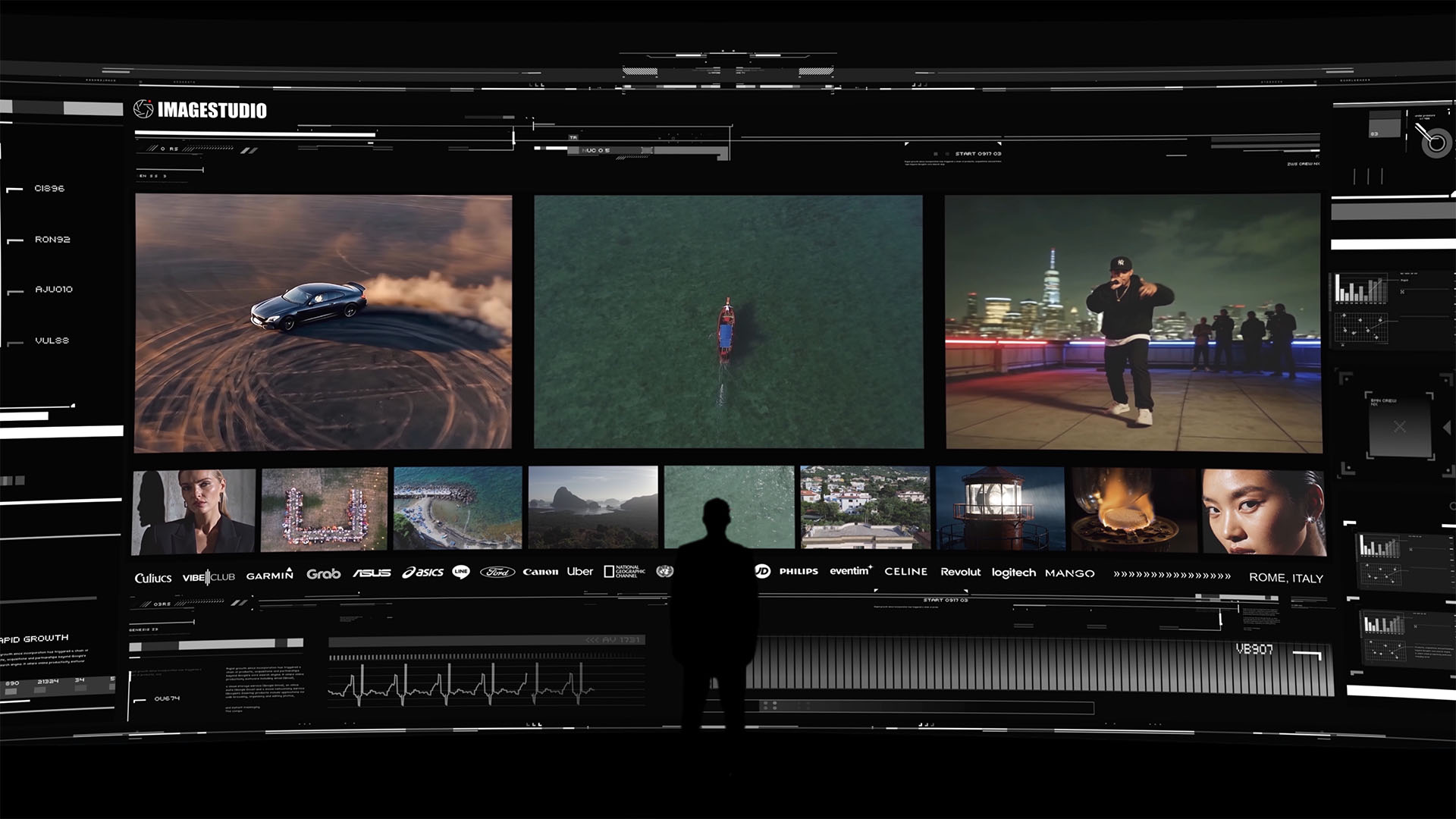
A high-end cinematic portfolio experience by Image Studio featuring automotive visuals, aerial cinematography, urban storytelling, and premium brand collaborations.
Whether you need a single hero spot or a full multi-platform campaign with broadcast, digital, and social vertical deliverables, Imagestudio’s commercial film production team is ready to bring your brand’s vision to life. Get in touch to discuss your project and receive a custom production proposal.
Useful sources and further reading
The sources below informed this article and offer deeper context on specific aspects of commercial cinematography.
Source
Focus Area
AFI — What is Cinematography?
Core definition of the DoP role, responsibilities, and creative/technical scope
ASC — Shot Craft: The Art of the Ad
Commercial cinematography techniques, tools, and professional perspectives
StudioBinder — What Does a Cinematographer Do?
Practical breakdown of camera, lens, composition, and movement decisions
No Film School — 3 Things Cinematographers Need for Branded Content
Platform adaptation, DIT workflow, and branded content-specific production needs
Indeed — Cinematographer Salary in the United States
U.S. labor market data; average salary as a budgeting signal
Elyts Advertising — Cinematography in Ad Films
How color, framing, and movement serve brand identity and audience engagement
Recommended reading for producers and clients:
The ASC’s Shot Craft series covers current commercial cinematography techniques, including LED volumes, FPV drones, and naturalistic lighting trends
The AFI’s cinematography resources provide foundational definitions and role clarity useful for briefing documents and contracts
No Film School’s branded content coverage addresses the practical DIT and platform workflow questions that come up most often in commercial production