From the final touches of hair and makeup to getting dressed, family reactions and leaving for the ceremony, discover which wedding morning photographs are worth capturing and how to make them feel natural.
The wedding morning has its own atmosphere. A dress is waiting near the window, somebody is finishing their makeup, and the people closest to you are moving between excitement, nervousness and the familiar conversations that make the hours feel personal.
It can also be surprisingly busy. Hair appointments overlap, someone is searching for an accessory, and the ceremony seems to approach faster than anyone expected.
In the middle of all this, your photographer is creating the opening chapter of your wedding story.
The best wedding getting ready photos capture more than beautiful clothing and carefully arranged details. They preserve the people, anticipation and small moments that make the morning yours.
You don’t need an elaborate production or a room filled with photographers. You need a little preparation, enough time to feel comfortable and an understanding of which photographs will matter most.
At Image Studio, we combine editorial composition with documentary observation. Some photographs benefit from gentle direction, while others are meaningful precisely because nobody arranged them.
This guide brings those approaches together, with twelve getting-ready photographs worth considering, a realistic photography timeline and practical advice from a destination wedding perspective in Italy.
12 Wedding Getting Ready Photos Worth Capturing
A thoughtful wedding getting ready photo checklist should cover three things: the atmosphere of the morning, the process of getting dressed and the people sharing those hours with you.
Not every photograph needs to be planned individually, and you certainly don’t need to recreate twelve elaborate scenes. Think of these as opportunities your photographer should be aware of, then decide which ones are personally important.
1. The preparation location before everything begins
A wide photograph of the room, an architectural detail or the view outside can establish where your wedding day started.
This is particularly meaningful at a destination wedding, where the location is part of the experience. A historic villa in Tuscany, a lakeside suite or a countryside property near Rome may have a character that deserves to be remembered.
The image doesn’t need people in it. Its purpose is to establish the setting before the story becomes more intimate.
2. Your wedding dress, suit or ceremony outfit
The clothing you’ve chosen deserves a photograph before you put it on.
That might mean a gown hanging in a beautiful doorway, a suit arranged near the window or a close-up that reveals the craftsmanship of the fabric.
The photograph should suit the outfit and the space. There’s no reason to move an expensive dress through several locations for the sake of a dramatic background, particularly if doing so risks damaging or creasing it.
Sometimes an understated composition communicates elegance better than an elaborate arrangement.
3. The personal details that belong to your story
Jewelry, rings, shoes, perfume, cufflinks and handwritten stationery can help connect the preparation photographs to the ceremony and the rest of the celebration.
But not everything needs its own photograph.
If you’re wearing a necklace that belonged to your grandmother, that detail may be much more important than photographing every cosmetic product on the dressing table.
Give your photographer the meaning behind a few important objects, not a demand to photograph every possession in the room.
For couples interested in styling and composition, our separate guide to wedding photography details explores that subject in greater depth.
4. The final touches of hair and makeup
A hand applying lipstick, a stylist adjusting a hairstyle or a quiet glance into the mirror can create beautiful preparation photographs.
These images work particularly well when the photographer observes the finishing touches rather than trying to document every hour of the beauty appointments.
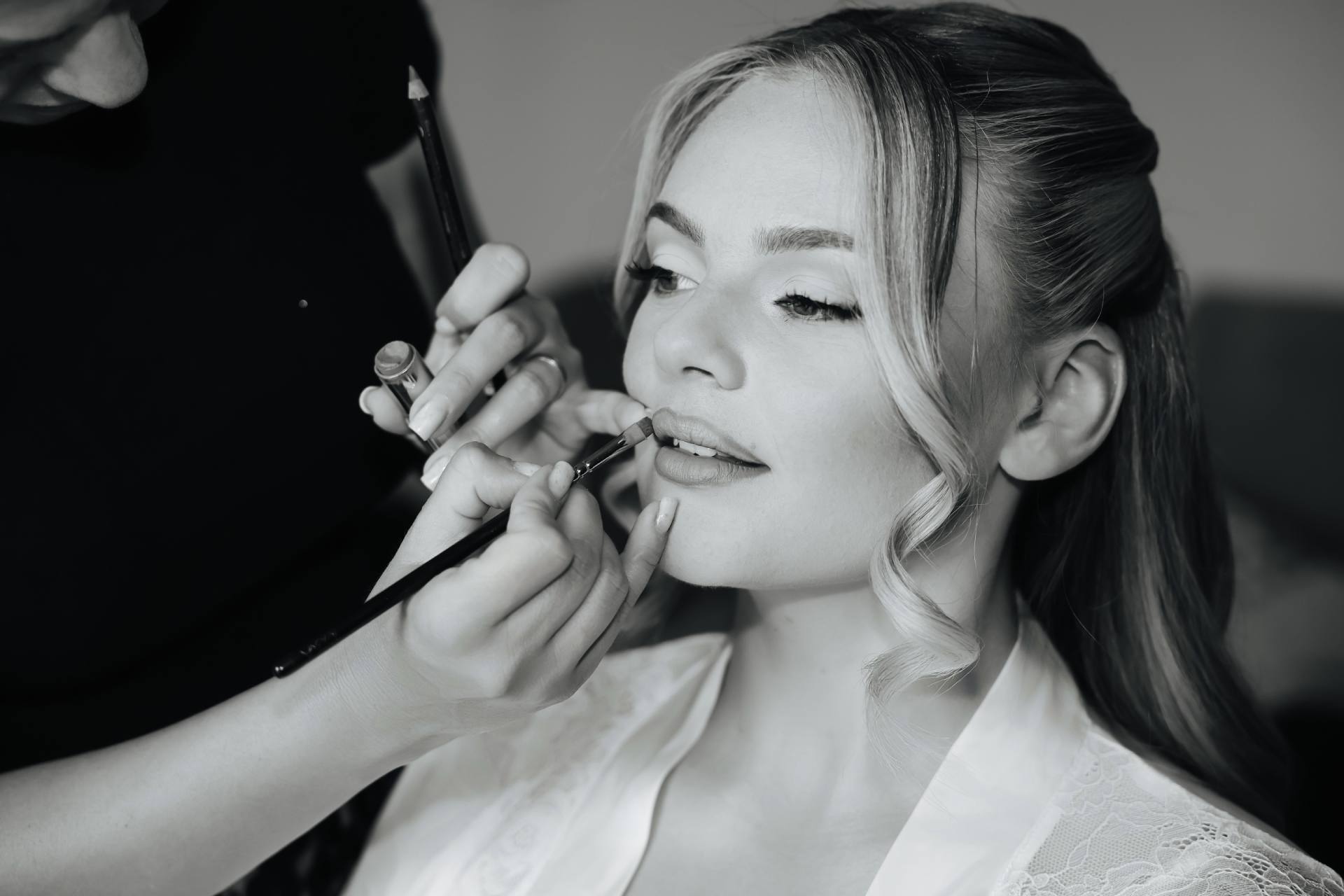
Makeup artist applying lipstick to bride Julia during wedding preparations near Rome
You don’t need to pause the process for the camera. A skilled photographer can work around the makeup artist, identify a flattering angle and capture a moment that already belongs to the morning.
If you prefer not to be photographed during hair and makeup, that’s equally reasonable. Your coverage can begin later.
5. The people getting ready alongside you
Friends and family bring warmth and personality to the preparation photographs.
One group may spend the morning laughing and talking over coffee. Another may be quieter, with only a parent or sibling present.
Neither atmosphere is better.
A relaxed photograph of people sharing the room often reveals more about the day than a perfectly arranged group portrait. A little laughter, a familiar gesture or somebody unexpectedly becoming emotional can communicate the relationship without requiring an elaborate pose.
If you also want a formal photograph together, allow a few minutes once everyone is dressed.
6. Getting into the wedding dress or putting on the suit
The transition from preparation clothes into the wedding outfit is one of the most visually important parts of the morning.
For a bride, this may involve someone fastening buttons, adjusting a corset or helping arrange the train. For a groom, it might be putting on a jacket, fastening the shirt or completing the final details of the outfit.
These photographs should always respect personal comfort.
There’s no obligation to have a photographer present while you’re changing. You can invite them into the room only when you’re ready for the final adjustments.
The hands helping you, the concentration of the people involved and the small expressions during the process often tell the story beautifully without photographing anything private.
7. The final accessories
Putting on earrings, fastening a bracelet, adjusting a watch or arranging a veil creates a natural opportunity for more intimate photographs.
These actions are particularly interesting because they involve movement and small details rather than a fixed pose.
A photograph of someone helping with a necklace can also preserve a relationship, not just an accessory.
If there is one important detail you’d love remembered, mention it beforehand. Otherwise, allow your photographer to notice what happens naturally.
8. The groom with his closest people
Groom getting ready photography deserves the same consideration as bridal preparations.
The atmosphere may be completely different. Friends might be adjusting jackets, talking outside or sharing a quiet moment before leaving for the ceremony.
A photograph of the groom with his siblings, friends or father can become an important part of the final gallery. So can a composed individual portrait once he is fully dressed.
What matters is avoiding the assumption that groom preparations are merely a few obligatory photographs of a tie and cufflinks.
Both partners deserve a beginning to their wedding story.
9. A genuine reaction from someone important
Sometimes the most meaningful photograph happens when someone sees you fully dressed for the first time.
It may be a parent, grandparent, sibling or close friend. Their reaction might be emotional, quietly affectionate or unexpectedly funny.
You can arrange for that person to enter the room at a particular time if you’d like the meeting photographed. But once it happens, there’s no need to direct the reaction.
Not everyone cries, and there should never be pressure to produce tears for the camera.
A sincere smile or a few seconds of silence can be just as beautiful.
10. A quiet portrait once you’re ready
Before leaving for the ceremony, allow a few minutes for individual photographs.
This is an opportunity for the photographer to work more deliberately with composition, clothing and light.
A portrait beside a window might emphasize the texture of the dress. A photograph in a simple doorway could introduce architectural framing. Outdoors, a shaded garden may provide a calmer setting than a terrace exposed to direct sun.
You don’t need a long editorial session. A few thoughtful portraits can be enough, especially if the couple portraits will happen later.
11. A private exchange or meaningful message
Some couples exchange handwritten letters, gifts or personal messages before the ceremony.
If you’re planning something similar, let your photographer know whether you’d like it documented.
A letter being opened, a familiar handwritten signature or a quiet reaction can become part of the wedding story without requiring a full photographic sequence.
But there’s no requirement to invent such a moment.
If you’re not exchanging gifts or letters, don’t add the tradition simply because it appears on wedding photography checklists.
12. The final moments before leaving
The last photographs of preparations can be surprisingly powerful.
Someone checks the veil one final time. The groom walks toward the car with his friends. The bride gathers her dress before stepping outside, or a family member holds the door while everyone prepares to leave.
These moments connect the private atmosphere of the morning to the ceremony.
They also provide a natural visual conclusion to the preparation story, rather than ending abruptly with a portrait in front of a mirror.
If you remember only one thing from this checklist, make it this: choose the photographs that reflect your relationships and your experience, not the ones you’ve simply seen most often online.
How to Make Getting Ready Photos Look Natural
Most couples want their preparation photographs to feel relaxed, but they may worry that everything will become staged as soon as the photographer arrives.
The difference often comes down to the amount of direction involved.
During spontaneous interactions, we prefer to work discreetly. Conversations, genuine reactions and the small gestures between family members are usually more meaningful when they aren’t interrupted.
For individual portraits, a little direction may help. We might suggest standing near a window, turning slightly toward the light or moving away from a distracting background.
These adjustments improve the photograph without changing the experience itself.
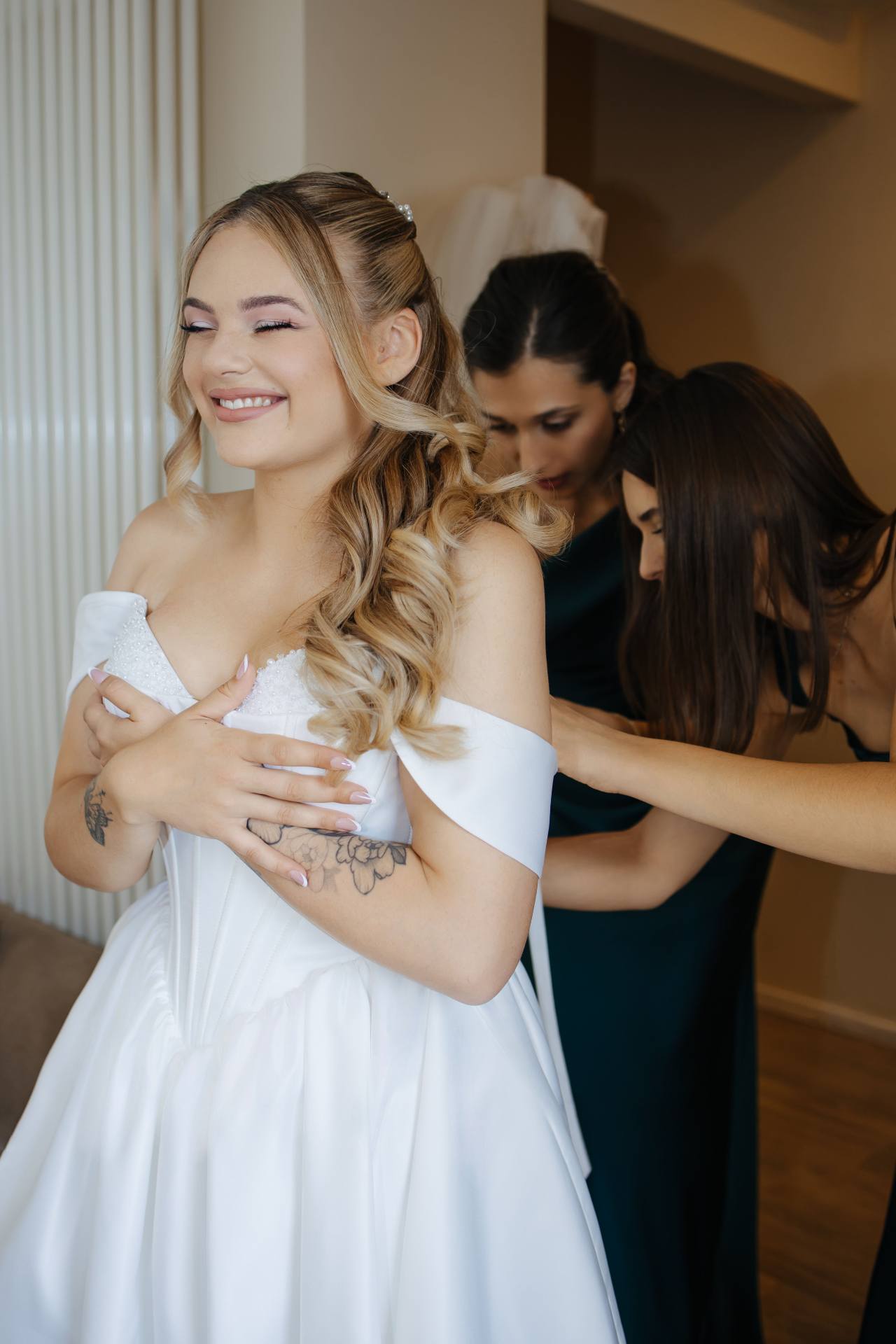
Julia smiling while bridesmaids help fasten her wedding dress during preparations in Rome
Don’t repeat important moments unnecessarily
There’s a difference between asking someone to adjust a sleeve for a portrait and asking them to recreate an emotional reaction that already happened.
If a parent becomes emotional while seeing the wedding outfit, the photographer should be prepared to document it as it unfolds.
Recreating that moment afterward may produce a technically useful image, but it won’t carry quite the same authenticity.
Good preparation allows the photographer to anticipate these interactions rather than constantly asking people to repeat them.
Allow the morning to have its own rhythm
You don’t need to spend every minute standing in beautiful light or looking toward the camera.
Eat breakfast, talk to your friends, take a little time alone if you need it and continue getting ready.
A photographer who understands documentary storytelling can find meaningful compositions within those ordinary activities.
Preparing Your Getting Ready Room for Beautiful Photographs
The best preparation room is not necessarily the most luxurious one.
Beautiful furniture and impressive views can certainly contribute to the photographs, but natural light, usable space and comfort are often more important.
Imagine two hotel rooms. One is richly decorated but has limited daylight and very little space around the dressing area. The other is simpler, with a large window and enough room for several people to move comfortably.
For getting ready photography, the second room may be the more practical choice.
Give natural light some room
A window with soft, indirect daylight can provide beautiful illumination for portraits, makeup details and the texture of wedding clothing.
If possible, leave enough space nearby for the person being photographed and anyone helping them.
The photographer may use the window as a principal light source, but that doesn’t mean the entire preparation process needs to take place in one corner.
Hair and makeup professionals also have their own lighting requirements. Their workspace should remain functional rather than being reorganized purely for photography.
Clear distractions, not personality
Before the photographer arrives, choose somewhere to store suitcases, shopping bags, chargers and packaging that won’t be needed during the morning.
You don’t need to remove every personal item.
A handwritten letter, a family photograph, a favorite perfume or another meaningful object can give the images character.
The objective is to reduce visual distractions while preserving the atmosphere of the actual space.
A good getting ready room should feel comfortable to spend time in, not like a temporary photography studio.
Think about the people who will be present
A room that feels spacious with two people can become crowded once several stylists, family members, friends and photographers are inside.
If the room is small, consider having only the people directly involved in preparations present, then inviting others for a few photographs after everyone is ready.
This is especially useful when someone needs assistance with a complicated dress or when a private moment is planned.
When Should Your Wedding Photographer Arrive?
One of the most important distinctions in wedding planning is the difference between the entire getting ready process and the time needed for getting ready photography.
Hair and makeup can take several hours, especially when multiple people have appointments.
That doesn’t mean the photographer needs to document every minute.
For many celebrations, arranging for photography to begin approximately 60 to 90 minutes before you’re expected to be fully dressed provides a useful starting point. This can cover details, final hair and makeup, dressing and some natural interactions.
However, that period isn’t automatically sufficient for two distant preparation locations, a large wedding party, extensive portraits or a first look.
A good schedule is built around the actual ceremony time, travel requirements and the complexity of the preparations.
Example: Getting ready photography for a 4:00 PM ceremony
The following example assumes one principal preparation location, a relatively straightforward schedule, approximately fifteen minutes of travel and no first look before the ceremony.
Time
What happens
10:30 AM–1:45 PM
Hair and makeup appointments underway; photography coverage has not necessarily started
1:45 PM
Photographer arrives; room atmosphere, clothing and meaningful details
2:00 PM
Final hair and makeup, natural interactions and preparation moments
2:20 PM
Dressing, jewelry and final accessories
2:45 PM
Individual portraits and a few photographs with close family or friends
3:05 PM
Final checks, packing essentials and a small schedule buffer
3:15 PM
Departure for the ceremony
3:30 PM
Arrival near the ceremony location
4:00 PM
Ceremony begins
This is an illustrative schedule, not a universal recommendation. More complicated dressing, longer journeys, venue restrictions or a different ceremony time will require adjustments.
The photographer and planner should agree on when you need to be dressed, when you need to leave and how much preparation coverage is important to you.
What changes if you’re planning a first look?
If you want to see your partner privately before the ceremony, you’ll normally need to finish getting ready earlier.
The first look itself requires time, and you may also want couple portraits before guests arrive.
That means the entire preparation schedule may need to move forward rather than simply inserting another appointment into the final hour.
The first look should make your experience more enjoyable, not leave you feeling that you need to rush through getting ready.
Should Both Partners Have Getting Ready Photos?
Ideally, both preparation stories should be represented if that matters to the couple.
One partner may be surrounded by family and friends in a busy suite, while the other is getting dressed in a quieter room with only a few people present.
The contrast between those settings can add depth to the wedding gallery.
It also allows both partners to see moments from the morning they didn’t experience together.
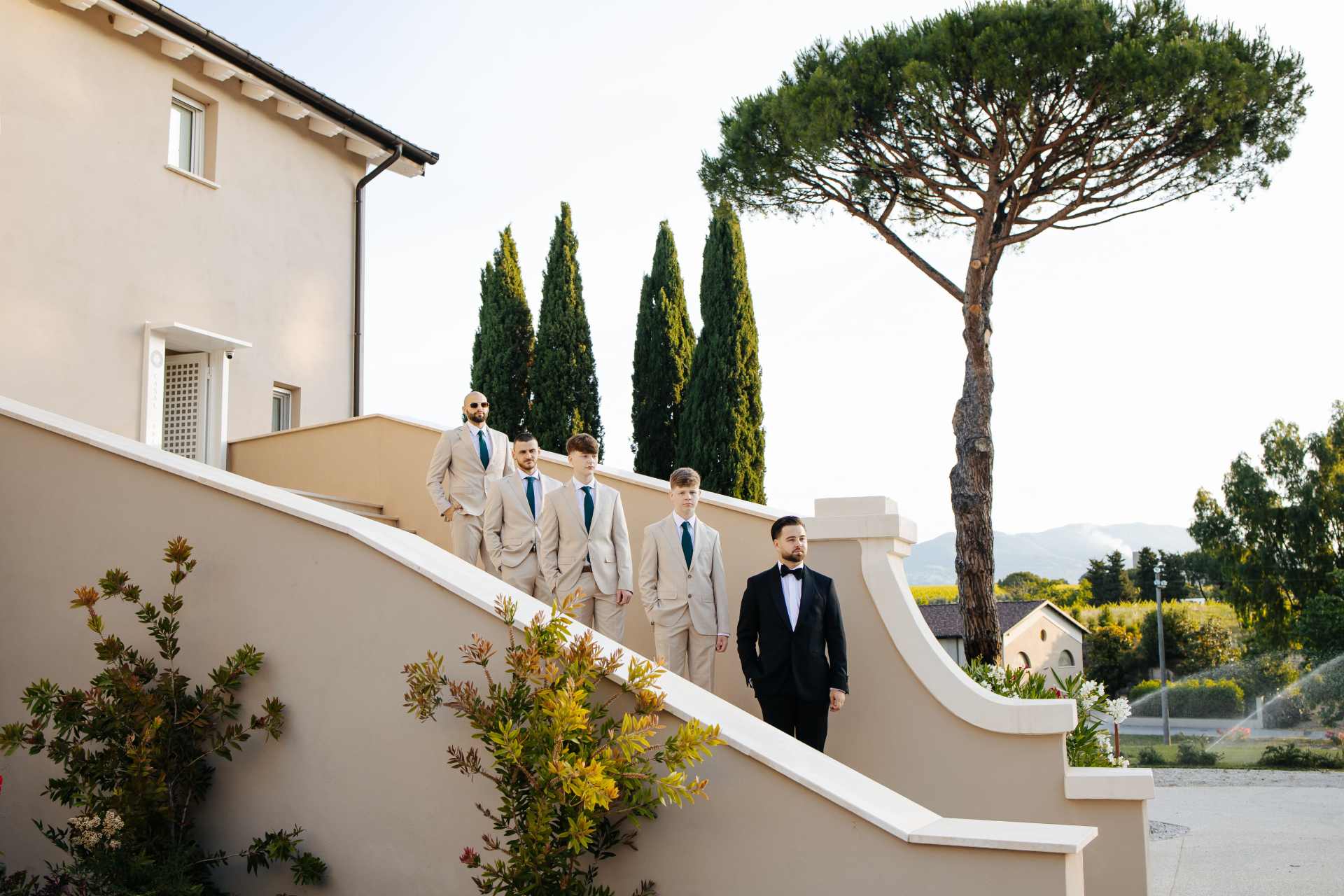
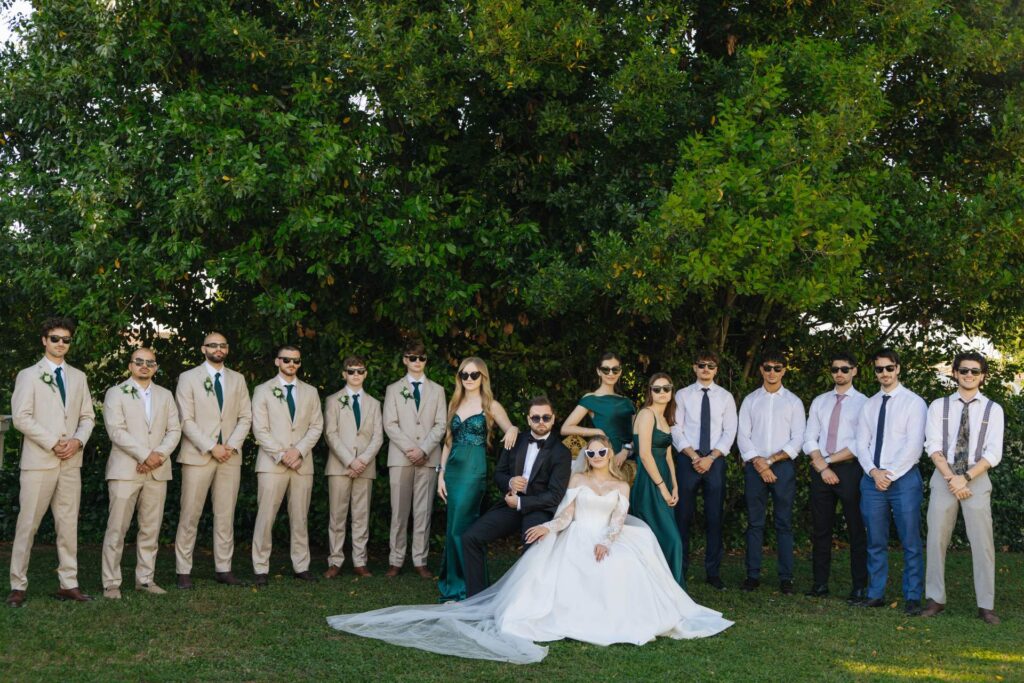
Groom Mihail walking with his groomsmen outside Agriturismo Il Casale degli Ulivi near Rome
One photographer or two?
A single photographer may be able to cover both partners when their preparation locations are close and their schedules allow enough time to move between them.
If the locations are far apart, or both partners are getting dressed at the same time, a second photographer may be the more practical solution.
Otherwise, coverage needs clear priorities.
For example, one partner might receive fuller documentary preparation coverage while the other has a shorter session focused on final dressing, portraits and departure.
Neither approach is inherently wrong, but it should be agreed on before the wedding.
The number of photographers should reflect the actual logistics, not simply the size or appearance of the wedding.
Family Reactions and Private Moments: What Matters Most
The preparation photographs that become most valuable over time aren’t always the most visually elaborate ones.
A parent adjusting the outfit, a friend offering reassurance or a sibling making someone laugh can carry more personal meaning than an accessory arranged in perfect light.
It’s worth thinking about who you genuinely want around you during those final moments.
That doesn’t mean inviting the entire family into the preparation room. Some couples feel most comfortable with one or two trusted people, while others love the energy of a larger group.
If you’d like a photograph with a grandparent or another important relative, communicate that preference in advance. Accessibility, timing and comfort may make it easier to arrange the image at another point during the day.
Your preparation photographs should complement the formal family portraits, not replace them. For larger groupings, our wedding family photo list explains how to organize everyone without losing valuable time at the reception.
If an emotional moment happens, allow it to belong to the people involved first.
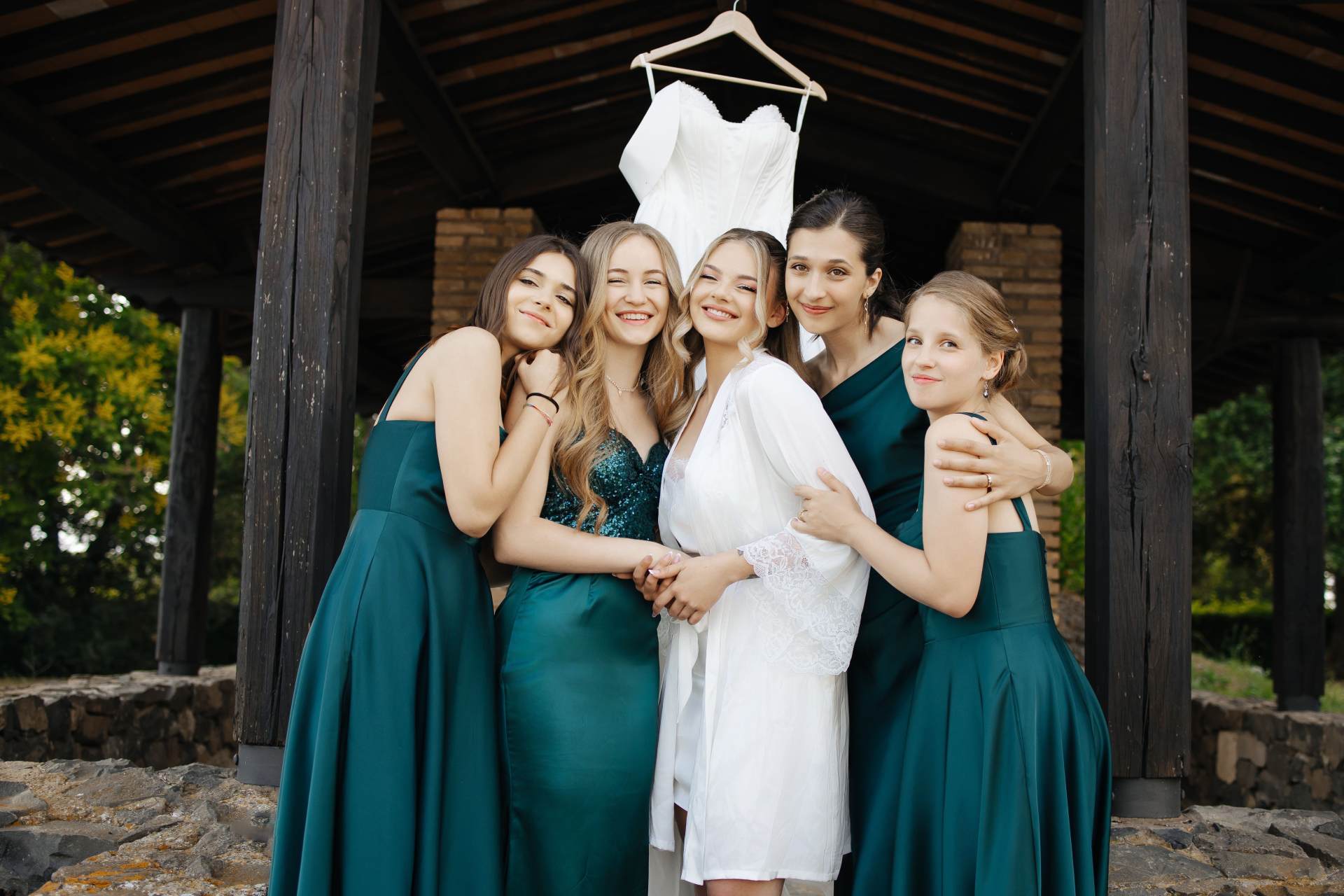
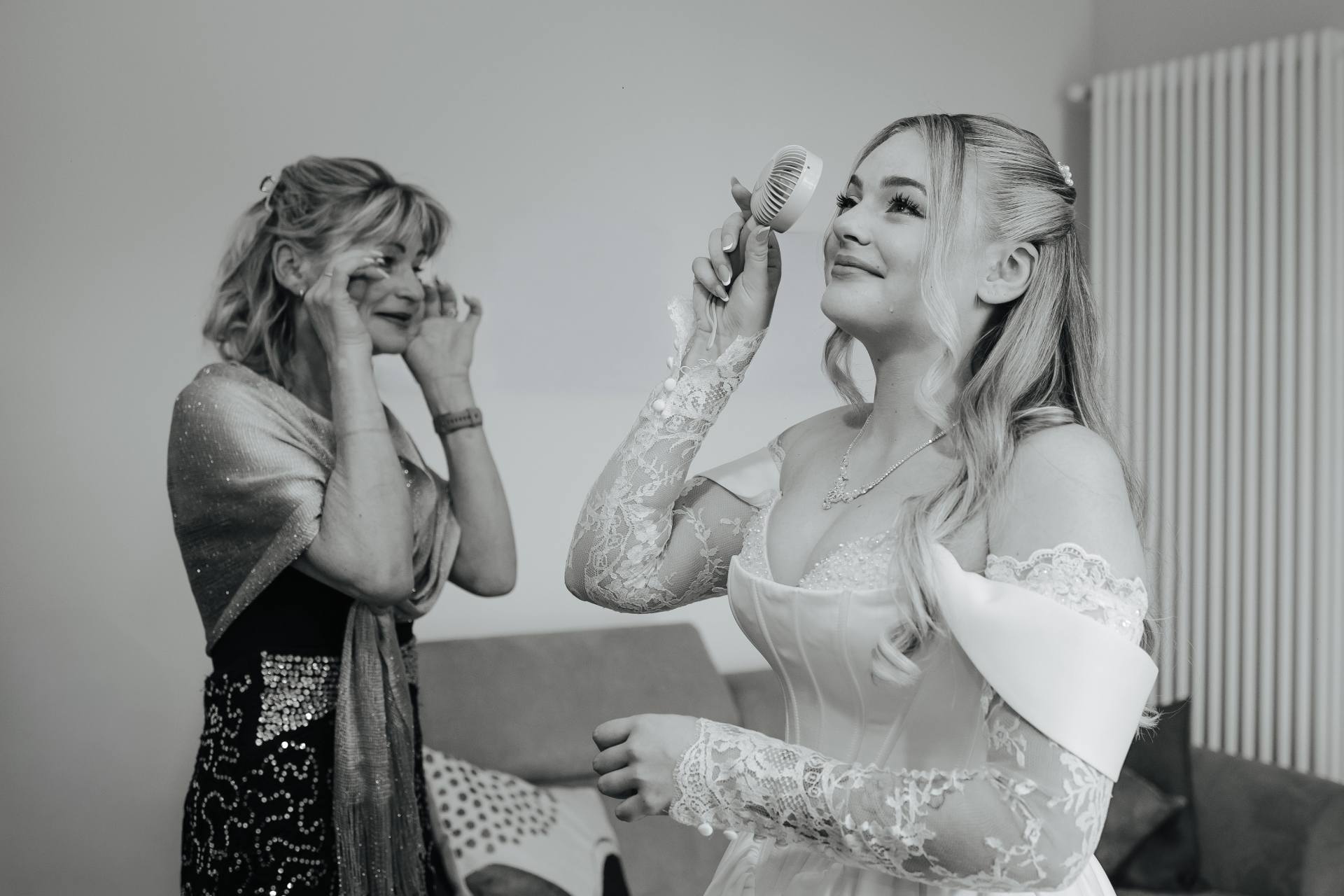
Bride Julia sharing an emotional wedding morning moment with a guest near Rome
A good photographer should understand when to document discreetly and when to give someone privacy.
A Real Wedding Morning: Julia and Mihail Near Rome
One of the clearest examples in our portfolio comes from Julia and Mihail’s wedding, which began at Agriturismo Il Casale degli Ulivi before continuing to the ceremony and reception at Villa Il Lago dei Cigni.
The Roman countryside provided a very different visual atmosphere from the architecture of the reception venue.
During the morning, the photographs documented Julia’s preparation, including the finishing touches of makeup, the dress before she put it on and the assistance of the people getting ready with her.
There are close portraits that concentrate on expression and detail, alongside wider photographs where the setting becomes part of the composition.
Mihail’s preparation story had its own character. Photographs with his friends, coordinated outfits and the exterior of the countryside property introduced another perspective on the same morning.
The contrast is useful.
One part of the gallery feels intimate and concentrated on small gestures. The other introduces movement, architecture and the atmosphere of a group preparing to leave together.
The photographs don’t require every moment to look alike.
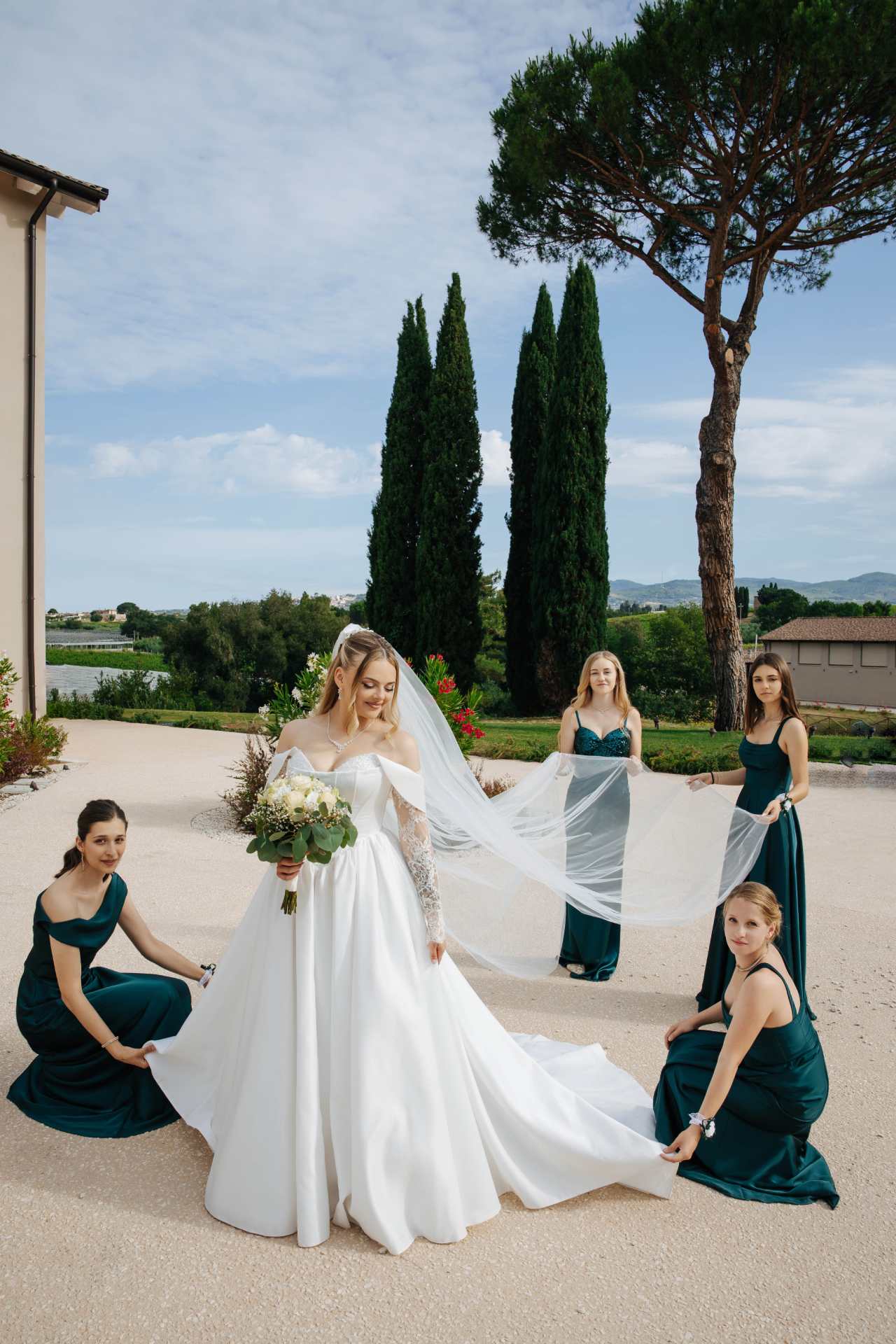
Julia holding her bouquet while bridesmaids arrange her veil and wedding gown in the Roman countryside
They move between careful composition and genuine interaction, helping the day feel like a continuous story rather than a sequence of unrelated portraits.
For couples considering a destination wedding in Italy, this is the kind of preparation coverage worth discussing: not simply how many photographs will be taken, but which moments will make the final gallery feel personal.
Getting Ready at an Italian Destination Wedding
Preparing at a beautiful Italian venue can offer extraordinary photographic opportunities, but a destination wedding often involves additional practical decisions.
Lake Como: Light, privacy and transfers
A lakeside hotel may offer beautiful views, but the room with the best panorama isn’t always the room with the most useful light.
Consider whether the preparation area has enough privacy from arriving guests and whether the photographer can move comfortably between rooms or terraces.
If the ceremony takes place at another villa or requires a boat transfer, that journey needs to be included in the schedule. The preparations should finish early enough that nobody has to sacrifice the final photographs to make the boat departure.
Tuscany: Historic rooms and countryside settings
Tuscan estates often provide a mixture of interior spaces, courtyards and gardens.
An elegant photograph might begin in a softly lit room, then move outdoors for a few portraits once everyone is dressed.
However, historic properties can have uneven lighting, stairs or rooms separated by a considerable distance.
Choosing a preparation location should involve both visual and practical considerations, particularly when elderly family members or several suppliers need access.
Rome: Allow time for moving between locations
Rome weddings may involve a preparation property, a church or another ceremony setting, and a reception venue elsewhere.
Traffic, transport arrangements and parking can affect the schedule.
If the ceremony is in a different part of the city, plan the departure time first and work backward to decide when the photographer should arrive.
Beautiful preparation portraits are worthwhile, but not if creating them puts unnecessary pressure on the arrival at the ceremony.
What to Tell Your Photographer Before the Wedding Morning
You don’t need a long document describing every photograph you expect.
The most useful preparation information is practical and personal.
Send the addresses of both getting ready locations, the approximate hair and makeup schedule, the time you need to be dressed and the ceremony departure time.
Explain who will be present, particularly if there are family members or friends you’d love photographed.
Mention meaningful objects, planned letters or gifts, and any moments you would prefer to keep entirely private.
If you’re working with a wedding planner, hair and makeup team, photographer and filmmaker, make sure they share the same version of the schedule.
This avoids the problem of one professional expecting preparations to finish at a different time from everyone else.
Most importantly, explain what you value.
You may care deeply about natural family interactions and only want a few arranged detail photographs. Another couple may place greater importance on elegant fashion portraits once they’re fully dressed.
The photographer can then shape the coverage around your priorities without turning the morning into a rigid shot list.
Four Mistakes That Can Weaken Getting Ready Photos
Starting coverage too late
If the photographer arrives when everyone is already dressed and ready to leave, the preparation story may be reduced to a few portraits and a hurried departure.
Work backward from your ready time, not just the ceremony time, when choosing the coverage start.
Keeping important details in different places
Rings may be with the best man, flowers may arrive at the last minute and personal accessories may still be inside suitcases.
There’s no need to assemble everything that exists, but gathering the available meaningful objects makes the process easier and avoids unnecessary searching.
Trying to fit too many people into one room
A crowded preparation space can make dressing more difficult and reduce the opportunities for relaxed interaction.
Prioritize the people whose presence matters most, then arrange additional photographs once you’re ready if necessary.
Recreating every photograph you’ve saved online
Inspiration can help communicate a preference for elegant, natural or fashion-inspired photographs.
But copying every pose and reaction can make the morning feel less personal.
The most meaningful images are often the ones that reflect your actual relationships and surroundings, rather than reproducing another couple’s wedding.
Beautiful Getting Ready Photos Begin With a Good Experience
You may not remember every detail of your wedding morning.
The timing of the makeup appointments, the order in which everyone arrived or the precise moment the flowers were delivered may eventually become a blur.
But you’ll remember the people who were there. The anticipation before leaving for the ceremony. The familiar voices in the room and the small gestures that made those hours feel different from any other morning.
That’s what preparation photography should preserve.
At Image Studio, our approach to wedding photography in Italy combines refined editorial composition with an appreciation for documentary moments that cannot be repeated.
We believe an elegant photograph can be carefully considered without asking anyone to behave unnaturally.
The best getting ready photographs aren’t created by making every minute look perfect. They come from protecting enough time and space for the wedding morning to feel like your own.
Planning Your Wedding in Italy?
Whether your celebration begins at a villa in Tuscany, a hotel on Lake Como or a countryside estate near Rome, we’d love to hear about the experience you’re creating.
What wedding getting ready photos should we include?
The most useful photographs generally include your outfit, meaningful accessories, final hair and makeup, dressing, close friends or family, personal reactions, individual portraits and the moments before leaving for the ceremony. Choose the images that reflect your experience rather than treating every idea as compulsory.
When should the photographer arrive for getting ready photos?
For many weddings, approximately 60 to 90 minutes before you expect to be fully dressed is a useful starting point for preparation coverage. More time may be necessary for two locations, large wedding parties, extensive portraits or a first look. The photographer should calculate this from the actual ready and departure times.
How long does getting ready photography take?
Photography coverage and the entire preparation process are different things. Hair and makeup may take several hours, while a focused photographic session can concentrate on the final stages. The appropriate duration depends on what you want documented and how complicated your schedule is.
Should both partners have getting ready photographs?
Yes, if both preparation stories are important to you. A photographer may cover both when locations and timings allow it, while a second photographer can help when the preparations overlap or take place far apart.
Do I need a large, luxurious room for getting ready photographs?
No. Comfortable space, good window light and a manageable background are often more valuable than elaborate decoration. A simple room can produce beautiful results when the photographer uses its light and composition thoughtfully.
Can wedding getting ready photos be natural rather than posed?
Absolutely. Preparation coverage works particularly well with a combination of documentary observation and a few gently directed portraits. You can discuss which moments should remain private and how much guidance feels comfortable before the wedding.