What Is a Wedding Documentary Film? Your 2026 Guide
June 14, 2026
A wedding documentary film preserves your wedding day exactly as it happened, combining real audio, candid moments, and full chronological coverage into a lasting family keepsake.
A wedding documentary film is a chronological, candid recording of your entire wedding day, capturing real moments as they naturally unfold with minimal staging or direction. Unlike a cinematic highlight reel, this format preserves the full emotional arc of your day, from the nervous energy of getting ready to the last dance of the night. You get real audio, real reactions, and a faithful record of how everything actually happened. If you’ve ever wondered what is a wedding documentary film and whether it’s right for you, the short answer is this: it’s the closest thing to reliving your wedding day exactly as it was.
What is a wedding documentary film vs. other wedding video styles?
A wedding documentary film adopts a journalistic, observer mindset rather than a director’s approach. The videographer is present throughout the day but stays out of the way, letting events unfold without turning your wedding into a film set. This is the core principle that separates documentary style from cinematic or traditional wedding videos.
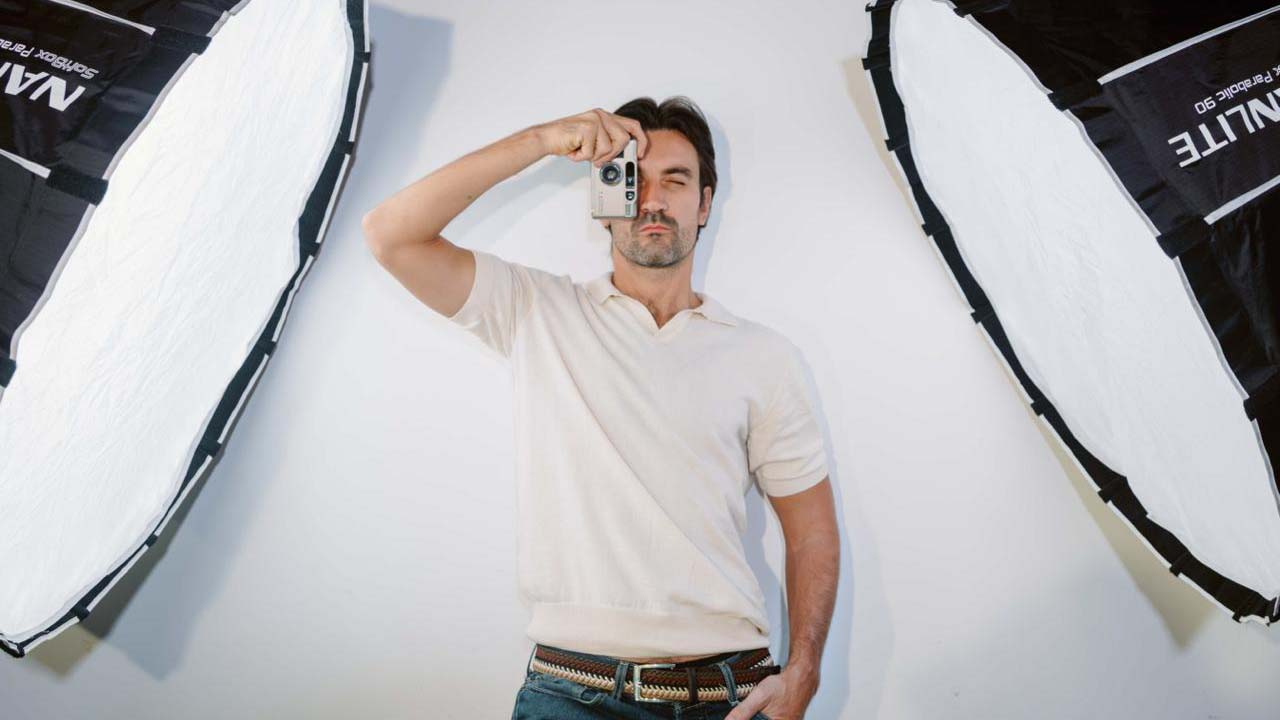
Editorial portrait of Dumitru Culiuc during a professional photography and film production studio session.
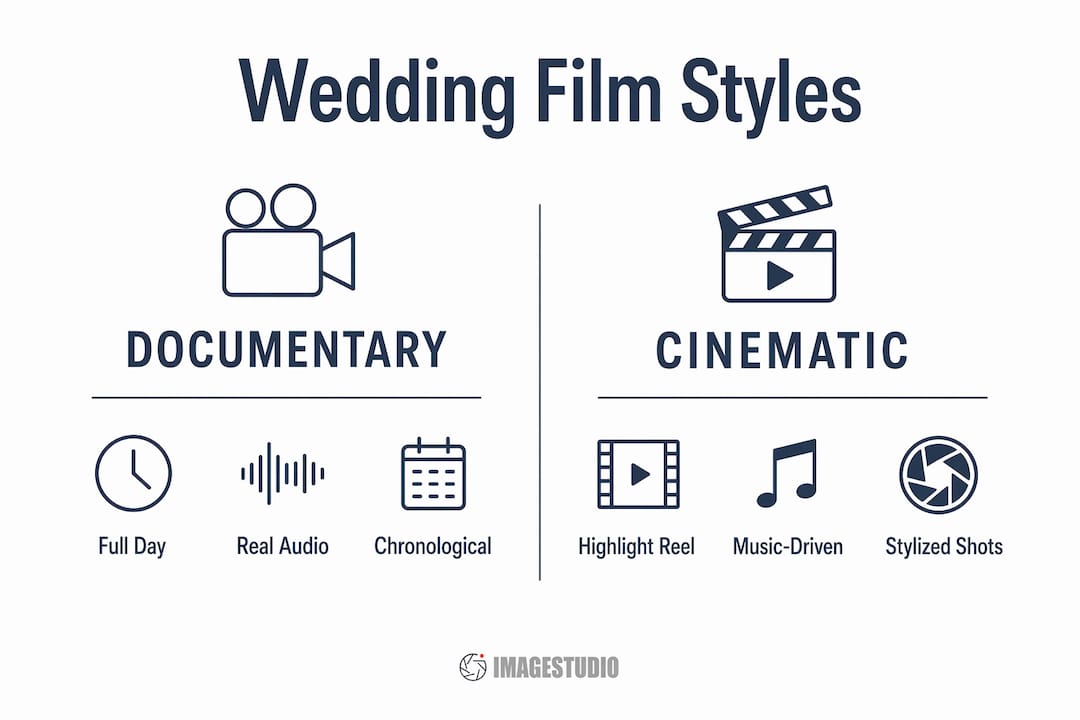
Cinematic wedding films focus on emotional story arcs shaped by music, color grading, and stylized editing. They are beautiful, but they reshape the story. A documentary film preserves chronology and real audio instead of reconstructing the narrative in post-production. Think of it this way: a cinematic film is a painting inspired by your day, while a documentary film is a photograph of it.
Here is how the styles compare at a glance:
Documentary style: Chronological, full-length, real audio, minimal staging, journalistic approach
Traditional style: Scripted moments, posed sequences, formal coverage, structured format
Highlight reel: 4–8 minutes, best-of moments, music-driven, no full speeches or vows
One common misconception is that documentary videography means zero interaction. That is not accurate. Light guidance is part of the process, but the videographer knows when to step in briefly without turning the day into a performance. The goal is balance: authentic capture with just enough direction to keep things moving naturally.
Pro Tip:Ask potential videographers to show you a full documentary film, not just a highlight reel. A three-minute showreel tells you nothing about how they handle an hour of real wedding footage.
How long are wedding documentary films?
Documentary wedding films typically run 45–90 minutes, covering the full day from preparation through reception. That runtime reflects the actual events of your wedding, not an arbitrary editing target. Compare that to a highlight reel, which usually runs 4–8 minutes and captures only the most visually striking moments.
Format
Typical Runtime
Coverage
Audio
Documentary Film
45–90 minutes
Full day, chronological
Real, unedited
Cinematic Film
10–20 minutes
Curated moments
Music-led
Highlight Reel
4–8 minutes
Best-of moments
Music only
Same-Day Edit
3–5 minutes
Morning to ceremony
Mixed
The longer runtime is a feature, not a flaw. Full speeches, complete vows, candid conversations between guests, and the quiet moments between events are all preserved. Years from now, hearing your grandmother laugh during the toast or your partner’s voice crack during the vows will matter far more than a perfectly graded sunset shot.
Pro Tip:Request a chapter-based edit from your videographer. Breaking the documentary into sections like “Getting Ready,” “Ceremony,” and “Reception” makes it easy to revisit specific moments without watching the entire film every time.
What should couples consider when choosing a wedding documentary videographer?
Choosing the right videographer for a documentary-style wedding film is a different process than hiring someone for a cinematic highlight reel. Here is a practical framework for making that decision well.
Review full-length work, not just trailers. Any videographer can cut a beautiful three-minute trailer. Ask to watch a complete documentary film from a recent wedding. Look for consistent audio quality, smooth transitions between events, and natural behavior from guests who seem unaware of the camera.
Ask about their filming philosophy. A documentary videographer should describe themselves as an observer first. If they talk primarily about lighting setups, drone shots, and cinematic color grades, they are likely more comfortable with a cinematic approach. Neither is wrong, but you need to know what you are getting.
Understand the hybrid option. Many couples want a hybrid approach that combines documentary authenticity with cinematic polish for a shorter emotional highlights package. This balance captures natural moments while adding storytelling techniques that make the film more engaging. You can have both: a full documentary film and a shorter cinematic edit from the same footage.
Discuss the editing timeline. Documentary films take longer to edit than highlight reels because of the sheer volume of footage. A realistic turnaround is 8–16 weeks. Be cautious of any videographer promising a full documentary in under six weeks without a large team.
Clarify audio expectations. Real audio is the backbone of documentary wedding videography. Ask how they capture speeches, vows, and ambient sound. A good documentary videographer uses lapel microphones on the officiant and couple, plus ambient room microphones to capture the full atmosphere.
Check their unobtrusiveness. The best documentary videographers fade into the background so guests stop performing for the camera. Ask past clients whether they noticed the videographer during the day. If the answer is “barely,” that is a strong sign.
For couples also thinking about how drone footage can complement documentary coverage, aerial shots can add visual context to a venue without disrupting the candid flow of the day.
How does documentary filming capture emotion differently?
Documentary videography captures the emotional flow and atmosphere of your wedding day, including the quiet moments and spontaneous interactions that no one planned. That is what makes these films personally meaningful and why they age so well.
A cinematic film is designed to make you feel something the moment you watch it. A documentary film is designed to make you remember something every time you watch it. Those are genuinely different goals, and they produce genuinely different results.
Consider the difference between a beautifully graded slow-motion shot of the first dance set to a popular song, versus the actual audio of your partner whispering something in your ear mid-dance while your guests cheer in the background. Both are moving. But only one is irreplaceable.
“The biggest value of documentary wedding videography is preserving emotion and conversation naturally, without directing the day.” — Nocturne Wedding Films
The observer mindset in documentary filmmaking produces a faithful record of events rather than a stylized interpretation. This matters most in the moments you cannot recreate: your father seeing you in your dress for the first time, your best friend’s unrehearsed toast, the spontaneous group hug after the ceremony. These are the moments that define a wedding, and they only happen once.
Effective documentary coverage also includes brief, minimally directed portraits to keep naturalness without repeated posing. A skilled videographer knows the difference between a quick, relaxed portrait session and an hour of staged shots that drain the energy from the day.
You can also explore what a wedding film director actually does on the day to understand how professional guidance and documentary authenticity can coexist without conflict.
Key takeaways
A wedding documentary film is the most complete and emotionally authentic way to preserve your wedding day, capturing real audio, real reactions, and the full chronological story from start to finish.
Point
Details
Documentary vs. cinematic
Documentary films preserve real audio and chronology; cinematic films reshape the story with music and color grading.
Typical runtime
Expect 45–90 minutes of full-day coverage, far longer than a 4–8 minute highlight reel.
Unobtrusiveness matters
The best documentary videographers fade into the background so guests behave naturally and moments are captured unguarded.
Hybrid styles work
Combining documentary coverage with a shorter cinematic edit gives you authenticity and emotional pacing in one package.
Audio is the backbone
Real vows, speeches, and ambient sound are what make documentary films irreplaceable years after the wedding.
Why documentary films are worth every minute of runtime
I have worked on wedding films long enough to know that couples almost always underestimate how much they will want the full story later. In the weeks after a wedding, the highlight reel gets shared on Instagram and watched on repeat. But five years later, it is the full documentary that gets pulled up on a quiet anniversary evening.
The trend I see most in 2026 is couples requesting hybrid packages: a full documentary film plus a three to five minute cinematic edit from the same shoot. That combination makes sense. You get the shareable, emotionally punchy version for social media and family WhatsApp groups, and you get the real, complete record for yourself.
The one mistake I see couples make is chasing cinematic movie editing too aggressively, which risks losing the authentic real audio and the sense of how the day unfolded. A heavily stylized film can be gorgeous and still feel like it belongs to someone else’s wedding. The documentary approach keeps it yours.
My honest advice: do not let budget pressure push you toward a highlight reel only. If you can afford one upgrade in your wedding video package, make it the full documentary. You will not regret having too much of your wedding day on film. You might regret having too little.
— Image Studio
How Imagestudio captures your wedding story on film
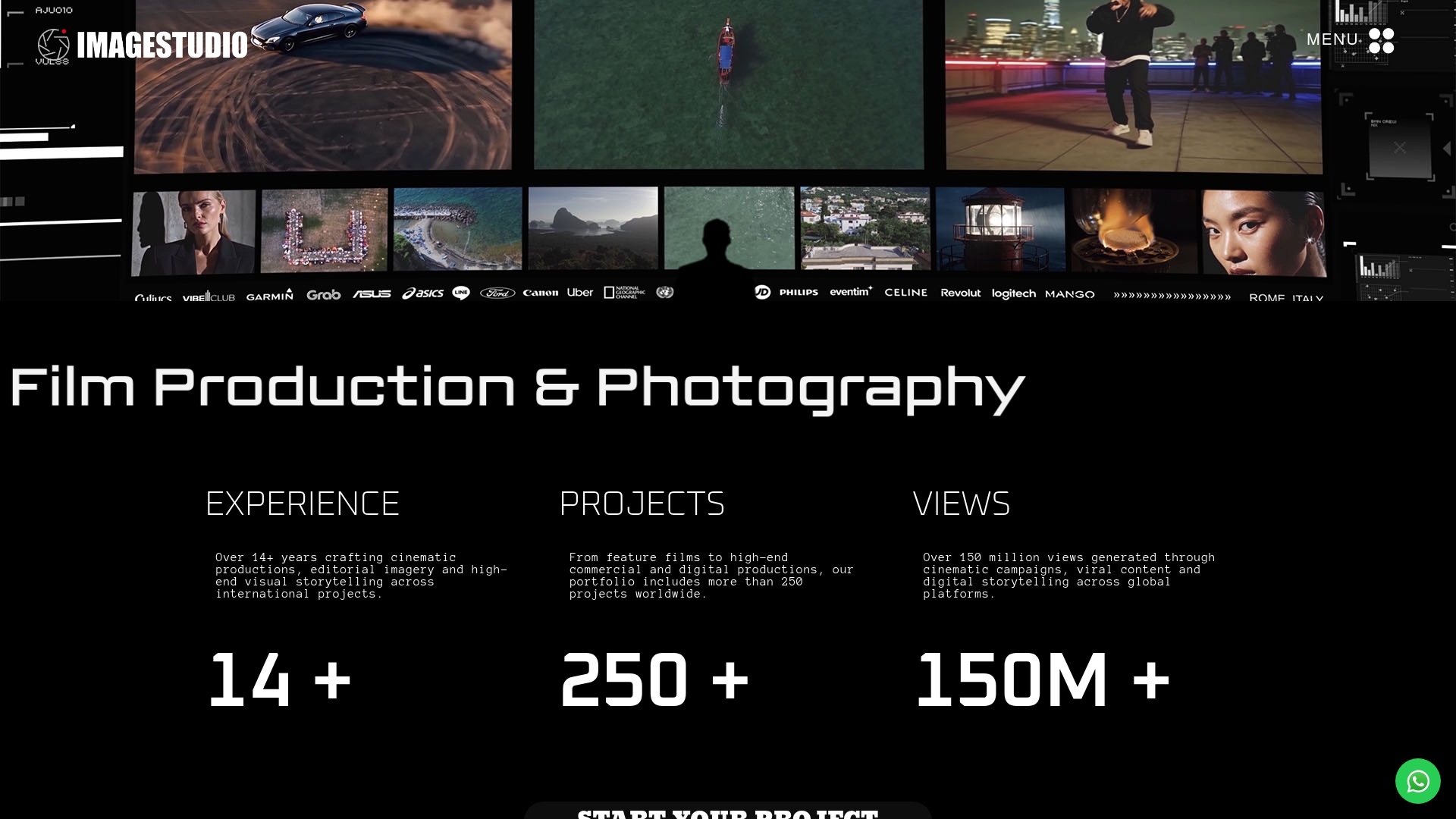
Imagestudio brings over 14 years of film production expertise to every wedding project, with a portfolio of 250+ productions that have reached over 150 million views globally. The team specializes in blending documentary authenticity with cinematic quality, so you get a film that is both real and beautiful.
Whether you want a full documentary film, a cinematic highlight reel, or a hybrid package that delivers both, Imagestudio builds each project around your day and your story. With award-winning work recognized at prestigious film festivals and collaborations with clients like National Geographic, the studio brings that same level of craft to wedding videography in Italy and beyond. Reach out to Imagestudio to discuss your vision and find the right documentary approach for your wedding.
FAQ
What is a wedding documentary film in simple terms?
A wedding documentary film is a full-length, chronological video of your wedding day that captures real moments, real audio, and real emotions with minimal staging. It typically runs 45–90 minutes and covers everything from getting ready to the reception.
How is a documentary wedding film different from a highlight reel?
A highlight reel runs 4–8 minutes and features the best visual moments set to music, while a documentary film runs 45–90 minutes and preserves the complete story including full speeches, vows, and candid interactions.
Do documentary videographers direct couples at all?
Documentary videographers use light guidance without heavy staging. They may briefly direct a portrait moment but spend most of the day as an observer, letting events unfold naturally.
Can you get both a documentary film and a cinematic highlight reel?
Yes. Many couples choose a hybrid wedding video package that includes a full documentary film and a shorter cinematic edit from the same footage, giving them both formats from one shoot.
How do i find a good documentary wedding videographer?
Ask to watch a complete documentary film from a recent wedding, not just a trailer. Look for consistent audio quality, natural guest behavior, and a videographer who describes their role as an observer. You can also review documentary wedding photography portfolios to understand the candid style before committing.