Discover how slow motion wedding videography enhances emotion, reveals meaningful details, and creates timeless cinematic wedding films through professional frame rates, intentional storytelling, and expert filmmaking techniques.
Slow motion in wedding cinematography is the technique of recording footage at higher frame rates and playing it back at standard cinematic speed to stretch time, amplify emotion, and reveal details invisible to the naked eye. Understanding what slow motion adds to wedding films helps you make smarter decisions when planning your video coverage. The effect feels polished and elegant, and couples often sense it even when they cannot explain why. Technically, it works by shooting at 60fps or higher and playing back at 24fps, which produces smooth, graceful footage that transforms fleeting moments into lasting memories.
What does slow motion add to wedding films emotionally?
Slow motion captures emotional nuances that normal-speed footage simply rushes past. A joyful tear rolling down a cheek, a nervous smile breaking into laughter, a parent’s expression during the first dance. These are the moments you will want to relive most. Slowed footage lets viewers savor micro-expressions and reactions that disappear in a blink at real speed. That extra time on screen turns a fleeting glance into a genuinely moving scene.
The moments best suited for slow motion include:
The first look. Your partner’s face when they see you for the first time deserves more than a split second.
Vow reactions. Tears, smiles, and trembling lips carry enormous weight when stretched across a few extra frames.
Parent reactions. A mother covering her mouth, a father wiping his eye. These are gold in slow motion.
The first kiss. Slowing this down adds a cinematic tenderness that real-time footage rarely achieves.
Crowd reactions. Cheers, applause, and laughter from guests feel celebratory and warm at reduced speed.
Pro Tip:Reserve slow motion for genuine emotional peaks. If every scene runs at half speed, nothing feels special. Use it selectively so each slow-motion moment lands with real impact.
How slow motion highlights the details that tell your story
Wedding films are built on small, meaningful details, and slow motion is the best tool for making those details visible. Emphasizing micro-moments like a ring sliding onto a finger, flower petals falling, or confetti bursting into the air creates a sensory richness that normal-speed footage cannot match. These are the details you spent months choosing, and slow motion gives them the screen time they deserve.
The details that translate beautifully into slow motion include:
Ring exchanges. The ring sliding onto the finger is one of the most symbolic moments of the day. Slow motion makes it cinematic.
Confetti and flower tosses. Petals and paper suspended mid-air create a painterly, almost dreamlike visual.
Dress movement. The fabric of a gown catching the wind or swirling during a spin looks stunning at reduced speed.
Champagne pops. The burst of bubbles and foam becomes a dramatic, celebratory image.
Candle lighting and bouquet handling. Quiet, deliberate actions gain weight and intention when slowed down.
These moments are part of timeless wedding storytelling. Slow motion does not just record them. It frames them as the meaningful acts they are, giving your film a layered, textured quality that holds up beautifully on every rewatch.
The technical side of high-quality slow-motion footage
Great slow motion does not happen by accident. It requires deliberate camera settings and a clear understanding of how frame rate and shutter speed interact. Shooting at 60fps and playing back at 24fps produces roughly 40% speed slow motion with smooth, natural clarity. That ratio is the standard starting point for most wedding videographers.
Frame rate
Playback speed
Best use
Trade-off
60fps
~40% of normal
Emotional moments, reactions
Moderate file size
120fps
~20% of normal
High-energy shots, confetti
Requires more light
240fps
~10% of normal
Extreme drama, champagne pops
Large files, low light issues
The 180-degree shutter rule is the other critical factor. Your shutter speed must be double your frame rate. At 60fps, that means a shutter speed of 1/120s. Deviating from this produces footage that looks either choppy or unnaturally blurry. Neither is what you want in a wedding film.
Lighting adds another layer of complexity. Outdoors, ND filters are often necessary to maintain the correct shutter speed without overexposing the image. Indoors, low light can make high frame rates tricky, which is why extreme frame rates like 120fps or higher are reserved for high-impact shots like bouquet tosses or champagne pops rather than used throughout the day.
Pro Tip:Ask your videographer whether they use a dual-camera setup or fast menu toggles to switch between 24fps and 60fps. Switching between frame rates on the fly is how experienced cinematographers avoid missing emotional micro-expressions while still capturing standard footage.
Common mistakes couples and videographers make with slow motion
Slow motion is powerful, but overuse is the most common mistake in wedding films. Excessive slow motion removes immediacy from moments that depend on energy and spontaneity, like speeches, toasts, and dancing. When everything is slowed down, nothing feels urgent or alive.
The moments where slow motion works against you include:
Speeches and toasts. The humor and timing of a best man’s speech collapse at half speed.
First dance in its entirety. A few slow-motion cuts work beautifully. An entire dance in slow motion feels tedious.
Ceremony processional. Walking down the aisle has natural pacing and rhythm. Slowing it too much can feel awkward rather than elegant.
Pairing slow motion with the right music matters just as much as choosing the right moment. Slow-motion footage cut to an upbeat track creates a jarring disconnect. The best wedding films use slow motion during musical swells or quieter, more reflective passages. This is where creative storytelling in video becomes the real differentiator between a film that moves people and one that simply documents the day.
Pro Tip:Watch the sample reels of any videographer you are considering and count how often they use slow motion. A skilled cinematographer uses it as punctuation, not as the default sentence structure.
Practical tips for couples planning their wedding film
Getting the slow motion you want starts with a clear conversation before the wedding day. Most couples assume their videographer will handle everything instinctively, but the best results come from a genuine creative collaboration.
Ask specifically about frame rates. A videographer who can explain the difference between 60fps and 120fps and when they use each is one who thinks technically and artistically.
Share a list of priority moments. Tell them which moments matter most to you. The ring exchange, the first look, your grandmother’s reaction. Specific guidance helps them plan their camera positions and settings in advance.
Request sample slow-motion footage. Ask to see examples from past weddings, not just highlight reels. You want to see how they handle slow motion across different lighting conditions and moments.
Discuss music and pacing. Ask how they pair slow-motion segments with the film’s soundtrack. The emotional payoff of slow motion is inseparable from the music it sits under.
Ask about their post-production editing process. Slow motion shot well in camera still needs skilled editing to flow naturally within the full film.
Understanding cinematic wedding videography as a craft, not just a service, helps you ask better questions and get a film that genuinely reflects your day.
Key takeaways
Slow motion is the single most effective technique for turning wedding footage into a film that couples return to again and again, because it captures what real-time recording misses.
Point
Details
Emotional amplification
Slow motion reveals micro-expressions and reactions that disappear at normal speed.
Detail storytelling
Ring exchanges, confetti, and fabric movement gain cinematic weight when slowed down.
Technical precision
The 180-degree shutter rule and correct frame rates are non-negotiable for smooth footage.
Selective use
Overusing slow motion drains energy from speeches, dancing, and spontaneous moments.
Creative collaboration
Sharing priority moments with your videographer before the day produces the best results.
Why slow motion is the most underrated conversation to have with your videographer
I have watched a lot of wedding films, and the ones that genuinely move people almost always share one quality: they use slow motion with restraint and intention. Not as a default setting, but as a deliberate choice made at specific moments. The first look. The ring. The parent who did not expect to cry but did anyway.
What surprises most couples is how much the technical setup shapes the emotional outcome. A videographer who understands the 180-degree shutter rule and knows when to reach for 120fps versus 60fps is not just being technical. They are making artistic decisions that determine whether your film feels alive or flat. That knowledge is worth asking about directly.
The couples I see most satisfied with their wedding films are the ones who treated the slow-motion conversation as seriously as they treated the shot list. They came with specific moments in mind, watched sample footage critically, and asked how their videographer planned to balance slow motion with real-time energy. That preparation shows up on screen every time.
Slow motion is not a filter you apply in post-production to make footage look cinematic. It is a choice made in the moment, with the right camera settings, in the right light, at the right emotional beat. When it works, it does not just document your wedding. It preserves the feeling of it.
— Image Studio
How Imagestudio brings slow motion to life in wedding films
Imagestudio has spent over 14 years crafting cinematic wedding films that couples and their families return to for decades. With more than 250 projects and over 150 million views, the team knows exactly when slow motion earns its place in a film and when real-time energy tells the story better.
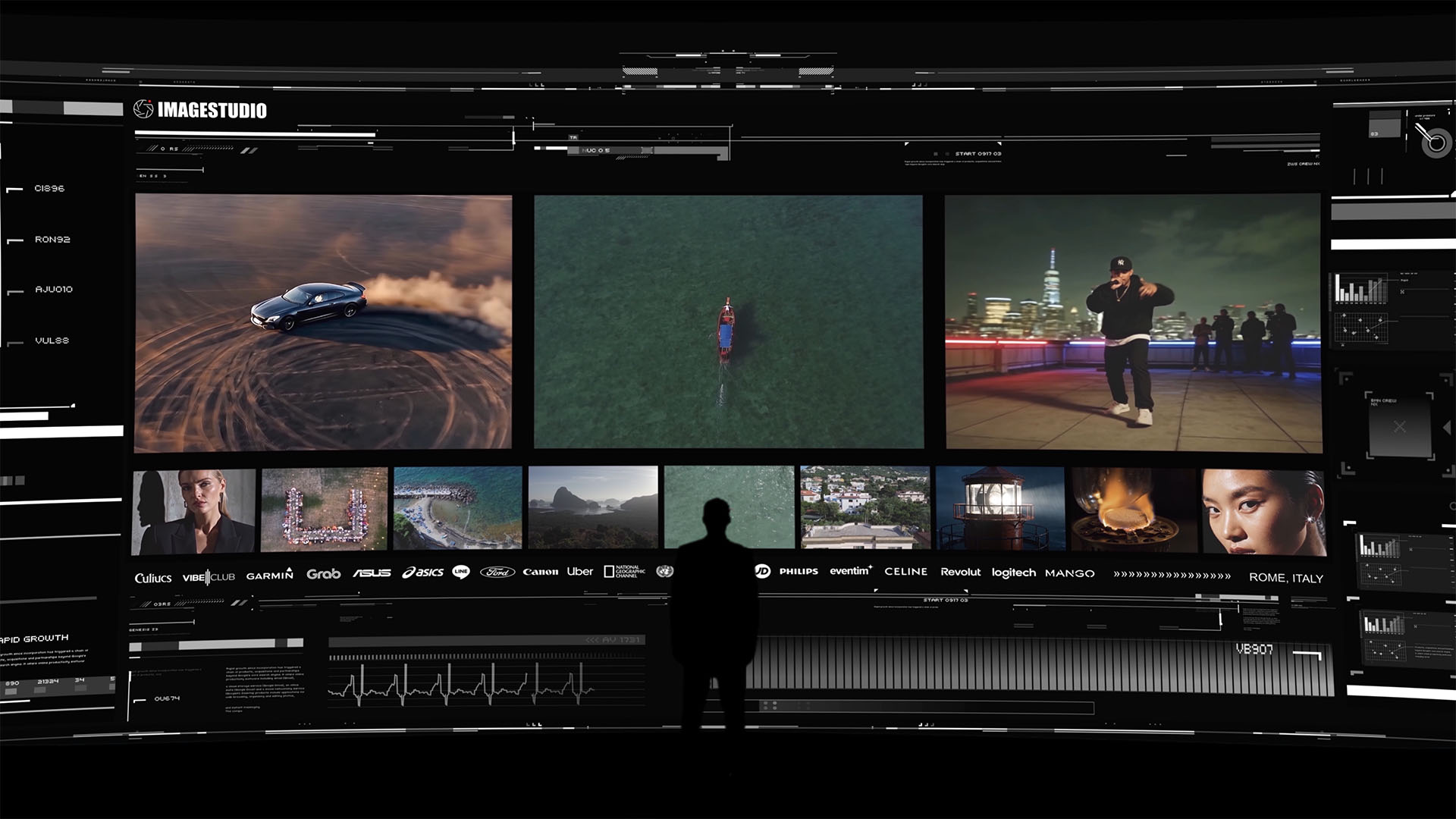
A high-end cinematic portfolio experience by Image Studio featuring automotive visuals, aerial cinematography, urban storytelling, and premium brand collaborations.
Every Imagestudio wedding film is built around deliberate creative choices, from frame rate selection on the day to the editing decisions that shape the final cut. If you want a wedding film where slow motion feels earned rather than automatic, the Imagestudio team is ready to talk through your vision and bring it to the screen.
FAQ
What frame rate produces the best slow motion for weddings?
Shooting at 60fps and playing back at 24fps produces smooth, natural slow motion at roughly 40% of normal speed. This is the most common standard for wedding videography.
Can slow motion be added in editing if it was not shot at a high frame rate?
No. Genuine slow motion requires footage shot at a higher frame rate than the playback rate. Artificially slowing standard 24fps footage in post-production produces choppy, degraded results.
Which wedding moments benefit most from slow motion?
The first look, vow reactions, ring exchange, confetti tosses, and parent reactions are the moments that gain the most from slow motion. These are brief, emotionally dense scenes that benefit from extra screen time.
Does slow motion work in low-light wedding venues?
High frame rates require more light, so extreme slow motion at 120fps or above is harder to achieve indoors. Skilled videographers use ND filters outdoors and adjust frame rates based on available light to maintain quality.
How do I know if my videographer uses slow motion well?
Ask to see full wedding films, not just highlight reels, and pay attention to how often slow motion appears and whether it matches the emotional tone of the music. Selective, purposeful use is the mark of a skilled wedding cinematographer.