
Learn how cinematic social media content creation combines strategic planning, visual storytelling, professional production, and platform-specific optimization to build memorable brand experiences that drive engagement and long-term growth.
← Back to Editorial
← Back to Editorial
Social Media Content Creation: Elevate Your Brand’s
July 7, 2026
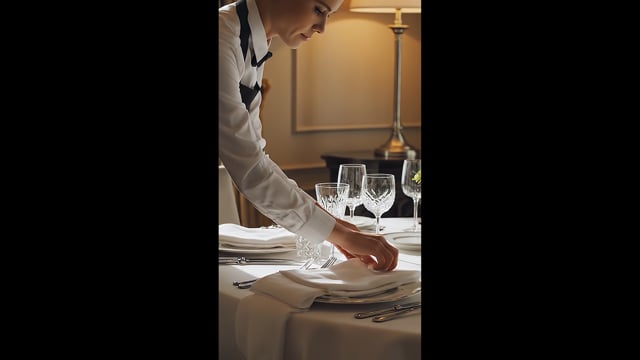
A hotel brand once showed me a feed full of polished posts that felt expensive and forgettable at the same time. The problem wasn’t effort. The problem was that every post looked like content, and none of it felt like cinema.
Table of Contents
- Beyond the Noise What Cinematic Content Creation Means Today
- When content looks finished but says nothing
- What cinematic means on social
- The Foundation Strategic Content Planning
- Start with the audience you want to move
- Build a cinematic brief before you build a shot list
- Choose channels by behavior not habit
- From Idea to Vision Cinematic Creative Development
- A reel still needs a story
- Mood boards are not decoration
- Camera language changes emotion
- The Production Workflow From Pre-Production to Post
- Pre-production removes chaos
- Production is where intent becomes footage
- Post is where rhythm becomes meaning
- Platform Optimization Mastering Reels Shorts and Stories
- One master asset many native versions
- Pacing captions and sound are platform decisions
- What changes by format
- Distribution Measurement and AI Enhancement
- Distribution is part of the creative plan
- Measure behavior not vanity
- AI belongs in the workflow not in the director chair
- Conclusion Bringing It All Together
- A cinematic system beats a content treadmill
- The brand people remember is the brand that feels intentional
Beyond the Noise What Cinematic Content Creation Means Today
A luxury brand can post every day and still feel absent. You see it often: clean product shots, acceptable lighting, captions written by committee, and a sequence of posts that never builds pressure, memory, or desire. The feed is active, but the brand has no pulse.
When content looks finished but says nothing
That’s the central failure in a lot of social media content creation. Teams confuse output with presence. They fill calendars, resize assets, add trending audio, and still end up with work that doesn’t stay with the viewer because nothing in it creates emotional consequence. A cinematic approach changes that. It asks different questions. What is the point of view? Where does tension enter? What detail makes the viewer feel texture, status, intimacy, movement, risk, or calm?
Content that performs over time usually gives the viewer a feeling before it gives them information.
Cinematic doesn’t mean slow, pretentious, or expensive. It means intentional. It means each frame has a job. A hand on a silk robe, a corridor before guests arrive, a glass catching first light, a close-up that withholds the full reveal for one beat longer than expected. Those choices create mood, and mood is often what brands are missing.
What cinematic means on social
On social platforms, cinematic storytelling has to survive speed. It must hold attention in a vertical frame, often without sound at first, and still deliver identity fast. That’s why film grammar matters more than many marketing guides admit. Shot selection, contrast, movement, negative space, and rhythm shape whether a viewer keeps watching or leaves. If your team wants a sharper eye for visual language, it helps to learn cinematic video techniques from people who think in scenes, not just posts. The strongest short-form work borrows from film direction, then adapts that discipline to the realities of platform behavior. There’s also a branding payoff. Cinematic content doesn’t just make a single post look better. It gives the audience a consistent emotional world to enter each time they see you. That’s especially important for brands that rely on atmosphere, trust, and aspiration. A useful companion idea appears in this perspective on cinematic campaign production benefits for marketers, where the visual system matters as much as the message.
The Foundation Strategic Content Planning
Most weak content starts long before the shoot. The problem usually isn’t the editor or the camera. It’s the absence of a strategic spine.
Start with the audience you want to move
A demographic profile isn’t enough. “Women interested in fashion” or “travelers with high intent” won’t guide a cinematic decision. You need to know what that audience desires, what they mistrust, what visual codes they already respond to, and what emotional register fits them. That matters because attention is fragmented at scale. As of April 2026, there are 5.79 billion social media user identities worldwide, and the typical user actively engages with an average of 6.5 different platforms monthly, according to DataReportal’s social media users report. When people move across that many environments, generic messaging gets diluted quickly. A useful audience persona includes:
- Emotional trigger: What makes them pause. Aspiration, insider access, elegance, speed, warmth, exclusivity, transformation.
- Visual tolerance: Do they prefer polished editorial imagery, raw behind-the-scenes intimacy, or a blend of both?
- Decision context: Are they browsing casually, comparing options, or already close to action?
- Platform behavior: Do they save ideas, share inspiration, observe, or respond to direct voice-led storytelling?
Build a cinematic brief before you build a shot list
A cinematic brief is tighter than a generic marketing brief and more useful on set. It defines the brand’s emotional world before anyone debates lenses or transitions. Keep it practical. Include tone references, color direction, texture, motion style, soundtrack direction, wardrobe logic, and one sentence on what the audience should feel by the end. If the brief can’t answer that last part, the concept isn’t ready. Here’s a simple working structure:
| Element | What to define |
|---|---|
| Brand emotion | The feeling the content should leave behind |
| Narrative premise | The simplest story engine behind the asset |
| Visual language | Framing, movement, contrast, environment, texture |
| Performance style | Natural, poised, playful, intimate, restrained |
| Platform intent | Discovery, trust-building, consideration, response |
Practical rule: If your brief only lists deliverables and deadlines, you’re planning production, not meaning.
Choose channels by behavior not habit
A lot of teams choose channels because they already have them. That’s backward. Choose based on how the story lives best. If the concept depends on sensory immersion and visual reveal, short-form video platforms will usually carry it more effectively than static-first placements. If the idea depends on recurring narrative episodes, a sequence matters more than a single hero asset. If the audience needs reassurance before action, you may need a mix of cinematic reels and simpler proof-driven edits. Channel selection should answer three things:
- Where does the audience already accept this tone?
- Which format preserves the emotional quality of the concept?
- What version of the asset belongs natively on that platform?
Scattergun posting feels productive. Strategic selection creates identity.
From Idea to Vision Cinematic Creative Development
The best-performing social work rarely starts with a camera trick. It starts with a point of view sharp enough to shape every decision after it.
A reel still needs a story
Even a short-form asset needs a beginning, middle, and shift. Not a complicated plot. A movement. A strong micro-story might begin with curiosity, move into texture or tension, and end with emotional release. In hospitality, that could be arrival, atmosphere, then private reward. In fashion, it might be detail, silhouette, then attitude. In beauty, ritual, transformation, then confidence. If the sequence doesn’t change state, it often feels decorative instead of memorable. Many brands go wrong, collecting pretty shots and calling that narrative. But editing beautiful fragments together doesn’t automatically produce meaning. The viewer needs progression.
Mood boards are not decoration
A serious mood board doesn’t exist to impress the client. It exists to prevent drift. It aligns everyone around color temperature, material feel, composition density, pace, and references that shape the final piece. The board should answer questions like these:
- What surfaces dominate? Stone, silk, chrome, linen, skin, water.
- How does light behave? Hard and sculptural, soft and diffused, warm and late-day, cool and urban.
- How close does the camera get? Detached observation creates one feeling. Intimate proximity creates another.
- What is the rhythm? Breathless, suspended, poised, restless.
Without that alignment, social media content creation becomes reactive. The team improvises too much, the footage loses coherence, and post-production turns into repair work.
A good mood board saves time because it stops the wrong footage from being shot in the first place.
Camera language changes emotion
This is the part most tactical guides skip. Camera choice isn’t just visual polish. It’s emotional engineering. Specific cinematic camera angles such as POV and shot-reverse-shot can boost viewer retention by up to 20% in short-form reels, based on the insight referenced in this TikTok creator example on cinematic framing. The larger point matters even more than the metric: varied visuals and cinematic framing outperform static phone-shot content because they create perceptual movement and emotional depth. That has direct implications for concept development. If your idea depends on intimacy, POV can place the audience inside the scene. If it depends on connection, shot-reverse-shot creates relational energy. If it depends on status or drama, low angles and controlled push-ins can increase scale. If it depends on vulnerability, a close-up with held eye line often lands harder than a wide establishing shot. A useful way to pressure-test a concept is to ask whether it can generate five distinct visual beats without changing the core idea. If it can’t, the concept may be too thin for short-form storytelling. Consider this comparison:
| Weak concept | Strong concept |
|---|---|
| “Show the product” | “Follow the ritual around the product” |
| “Film the room” | “Reveal the room as a private reward” |
| “Capture the event” | “Build anticipation before the first entrance” |
The device matters less than the direction. Great short-form doesn’t come from owning better gear. It comes from knowing why one shot belongs before another.
The Production Workflow From Pre-Production to Post
A cinematic result depends on discipline. Brands often want spontaneity on screen, but spontaneity is easier to capture when the production is tightly prepared.
Pre-production removes chaos
Pre-production is where expensive confusion gets prevented. The strongest teams lock the treatment, shot priorities, movement logic, talent expectations, wardrobe considerations, and location timings before the first battery is charged. A practical pre-production checklist usually includes:
- Location logic: Visit or review the space with timing in mind. Light at midday tells a different story than light at dusk.
- Shot map: Define must-have hero shots, connective details, and optional textures.
- Talent direction notes: Decide whether the performance should feel observed, interactive, or fully staged.
- Gear fit: Match tools to movement. A gimbal, tripod, handheld rig, or slider each changes the emotional feel of the footage.
- Audio plan: Even for short-form, ambient sound and captured texture matter later in the edit.
Most rushed shoots don’t fail because the team lacks talent. They fail because nobody decided what absolutely had to be captured.
Production is where intent becomes footage
On set, the job is to protect the concept. That means directing for behavior, not just appearance. A subject walking too quickly, glancing at camera without purpose, or repeating the same action for coverage can flatten the scene. The camera team should work with three layers in mind:
- Anchor shots that define the scene.
- Emotional shots that carry expression, gesture, or reaction.
- Texture shots that make the edit feel tactile and lived-in.
For luxury and fashion, the technical bar is higher. 4K resolution, film-grade color grading through tools such as DaVinci Resolve, and dynamic pacing aligned with editorial aesthetics can yield 2.5x higher engagement than standard smartphone footage, according to Neptune Web’s platform optimization guidance. The takeaway isn’t that every brand needs excess. It’s that premium positioning collapses quickly when the image quality doesn’t support the promise.
The camera should never wander just because the subject is beautiful. It still needs motivation.
Post is where rhythm becomes meaning
Editing is not assembly. It’s authorship. The cut decides what the viewer feels first, what they notice next, and what remains after the video ends. A disciplined post workflow starts with the narrative spine, then builds pace, sound, text, and grade around it. In practical terms, post-production should handle:
- Selects with intent: Choose takes based on feeling, not just technical cleanliness.
- Rhythm pass: Build energy before adding polish.
- Sound design: Room tone, fabric movement, footstep texture, glass, breath, and environmental detail all add cinematic weight.
- Color work: Use grading to unify mixed lighting and reinforce the emotional register.
- Versioning prep: Keep clean timelines and organized layers so platform-specific cuts don’t become a mess later.
Bad post tries to rescue weak footage. Good post reveals the logic already embedded in the material.
Platform Optimization Mastering Reels Shorts and Stories
A well-shot scene can lose its force the moment it enters the wrong feed. Social platforms do not merely display footage. They recut its meaning through screen shape, viewing habits, interface clutter, and audience expectation.
One master asset many native versions
A strong social system starts with one clear dramatic idea and one polished master. Then it branches into native cuts. An effective six-step platform-specific workflow starts with one central concept, followed by a single high-quality master asset that gets resized and customized for each platform. Brands that adapt rather than copy-paste can see up to 40% higher interaction rates, according to this platform-specific workflow breakdown on YouTube. That adaptation changes more than framing. Opening imagery, subtitle placement, shot duration, safe zones, and call-to-action timing all shift by platform. A vertical video that feels composed on Reels can feel delayed on Shorts. A refined brand cut can fail in Stories if it leaves no room for stickers, polls, or direct replies. For teams refining vertical output, these vertical video production tips for businesses in 2026 are useful as a craft reference, especially when the goal is to preserve polish inside a native mobile format. Here’s the video version of that principle in action:
Pacing captions and sound are platform decisions
Short-form platforms reward momentum. Momentum comes from controlled release of information. Editors working in vertical often cut more aggressively than they would for brand film or YouTube long-form because the thumb is always near the exit. Buffer’s guide to social media video specs notes that platform-native video standards and viewing behavior should shape the edit itself, not just the export settings. In practice, that means trimming any shot that repeats the same idea after the viewer has already understood it. A separate performance-first guide adds two useful thresholds. You have 1.3 seconds to stop the scroll, and if completion rates remain above 35%, the algorithm continues pushing the content to new audiences, according to ZAF Digital’s video strategy guide. Those metrics explain why the first frame carries so much weight. If the opening image lacks tension, scale, intimacy, or surprise, the rest of the sequence may never get a chance. The opening frame usually needs one job:
- A visual anomaly: something too precise, beautiful, strange, or charged to ignore
- A withheld reveal: enough information to create curiosity, not enough to satisfy it
- A decisive gesture: motion with purpose, not ambient movement
What changes by format
Each format asks for a different kind of viewer attention. The edit should answer that behavior.
| Format | Creative priority | Common mistake |
|---|---|---|
| Reels | Discovery with a strong visual signature | Filling the frame with text that competes with the image |
| Shorts | Immediate story clarity | Spending too long on setup before the point arrives |
| Stories | Direct response and immediacy | Posting polished footage without any native interaction layer |
Captions carry more than accessibility here. They shape rhythm, protect comprehension in silent autoplay, and let the image stay visually clean by moving exposition into text. Sound has a strategic split. Trend-driven audio can widen reach, while a designed sound bed can build memory and premium feel. The trade-off is simple. One option helps distribution faster. The other builds a stronger brand impression. Teams balancing speed with scale often pair hand-crafted editing with a workflow for AI-driven social media publishing so cutdowns, caption variants, and platform versions move faster without flattening the original creative intent. Platform optimization decides whether a cinematic idea survives contact with the feed.
Distribution Measurement and AI Enhancement
A cinematic asset isn’t finished when export is done. It becomes valuable when the right people see it, respond to it, and move somewhere because of it.
Distribution is part of the creative plan
Distribution should be designed while the content is still being developed. If the team knows a piece will need organic rollout, paid amplification, creator collaboration, and follow-up cutdowns, the production can capture what each path requires. That matters because the commercial opportunity is large. The global social media content creation market is projected to grow from $16.92 billion in 2024 to $47.2 billion by 2034, with video holding the largest share at 45%, according to Global Insight Services’ social media content creation market report. More money in the category doesn’t guarantee better work. It does mean the difference between average content and directed content has higher stakes. A grounded distribution mix usually includes:
- Organic sequencing: Release hero content, then supporting cuts that expand the same idea from different angles.
- Paid support: Put budget behind assets that already show strong hold and share behavior.
- Partner amplification: Give collaborators pre-built versions they can publish natively without degrading the concept.
- Library thinking: Build a system of clips, stills, alternate hooks, and cutdowns instead of betting everything on one post.
Measure behavior not vanity
Likes can be useful as a surface signal, but they don’t tell the full story. The better questions are simpler and harder. Did people keep watching? Did they share it? Did they save it? Did the piece create qualified action after attention? A practical review stack often includes:
| Metric type | What it tells you |
|---|---|
| Watch behavior | Whether the opening and pacing worked |
| Completion quality | Whether the narrative held through the ending |
| Share and save behavior | Whether the asset had utility, emotion, or status value |
| Conversion events | Whether attention translated into business movement |
For a video-led brand strategy, this broader view of why video content dominates social media algorithms is worth considering because it connects format decisions to distribution logic.
If a video looks beautiful but nobody watches past the opening beat, the craft didn’t fail. The structure did.
AI belongs in the workflow not in the director chair
AI works best as an assistant inside a disciplined process. It can accelerate transcription, caption drafts, shot logging, rough cut suggestions, asset tagging, and publishing coordination. It can also help teams repurpose one master asset into multiple usable variants without losing track of files, formats, and posting windows. For teams building that operational layer, this workflow for AI-driven social media publishing is a useful model. The value isn’t replacing taste. The value is reducing friction around repetitive tasks so more human energy stays focused on concept, performance, and edit decisions. AI can speed the machine. It can’t supply the point of view.
Conclusion Bringing It All Together
The strongest social media content creation doesn’t come from posting more. It comes from building a repeatable cinematic system that turns brand intent into scenes people remember.
A cinematic system beats a content treadmill
Think back to the hotel brand from the beginning. The shift wasn’t dramatic in the superficial sense. They didn’t need louder edits, more posts, or random trend participation. They needed a clearer emotional world. The content started to work when the team stopped documenting spaces and started directing experiences. Arrival became a sequence. Light became a character. Details stopped functioning as filler and began functioning as signals of taste, privacy, and care. Short-form assets felt cohesive because they were built from one visual philosophy, then adapted intelligently. That’s the broader lesson. Strong social content is both art and systems thinking. It needs strategic planning, a defensible idea, disciplined production, careful post, and native adaptation. Miss one of those, and the final piece usually weakens.
The brand people remember is the brand that feels intentional
Cinematic storytelling gives brands something more durable than a spike. It gives them recognizability. People may not consciously describe your framing, your grade, your edit cadence, or your use of detail. They feel it anyway. They register whether the work carries confidence or compromise, whether it has atmosphere or noise, whether it was built with a point of view or assembled out of obligation. That’s why the bar for social media content creation has changed. The feed is crowded, attention is expensive, and the viewer decides fast. A disposable post disappears into the stream. A directed piece creates memory. The practical move is simple. Start with one idea worth filming. Build a brief with emotional clarity. Develop a visual world before production begins. Shoot with purpose. Edit for rhythm. Then version the work for the platforms where it will live. That’s how short-form stops feeling like output and starts functioning like brand cinema.
If your brand needs social media content creation with film-level direction, editorial polish, and platform-ready delivery, Image Studio can help turn campaigns, reels, and digital assets into cinematic stories people remember.
