How to Choose the Best Italy Wedding Venues for Stunning Photos
October 30, 2026
Choosing your Italian wedding venue shapes your photos. Here’s a photographer’s honest guide to finding the best locations for unforgettable images.
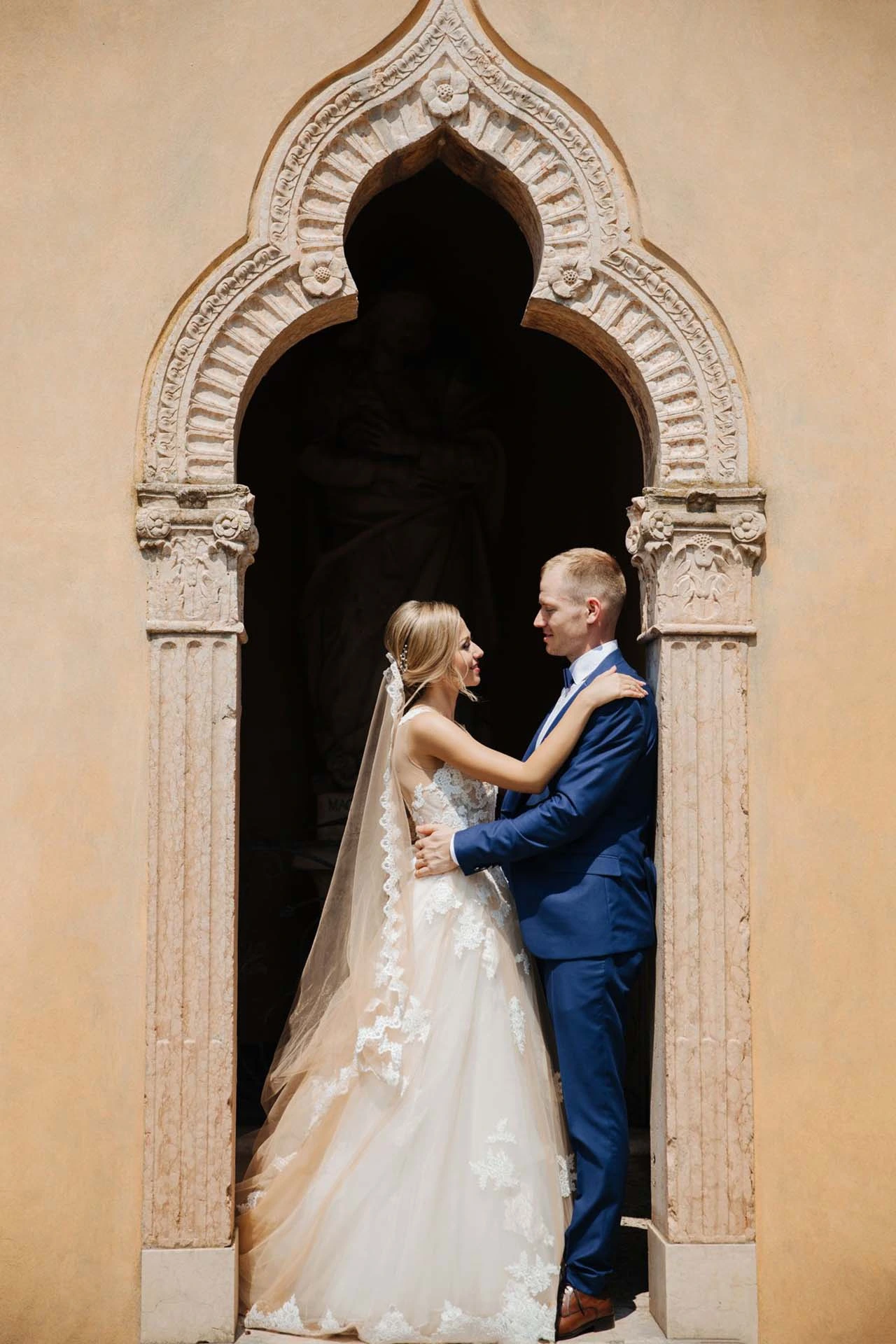
Your choice of venue in Italy is the single biggest influence on how your wedding photos will look. I see it every season: the same couple, the same dress, but a different backdrop and quality of light, and the photographs tell a completely new story. Whether you dream of Lake Como’s soft reflections, Tuscany’s golden hills, or a Puglian masseria’s whitewashed walls, it’s the venue that sets the stage for every image and emotion.
As photographers at Image Studio, we know that beauty isn’t just about a stunning view. The best Italy wedding venues for photos offer flattering natural light, easy portrait routes, and freedom from strict photography rules. In this guide, you’ll get practical advice based on real weddings across the country. We’ll show you how to spot the details that matter, from the direction of the sunset to hidden permit costs, so you can make choices with confidence and enjoy wedding photos that feel as magical as your memories.
What Makes a Wedding Venue Photogenic in Italy?
Light and Orientation
Light is the single most important ingredient in any wedding photo. Italian venues each interact with light in their own way. A villa set on a Tuscan hilltop faces the sun from dawn to dusk, bathing terraces in golden rays during the late afternoon. On the Amalfi Coast, venues with open sea views often keep warm, glowing light well into the evening, which flatters skin tones and creates a soft, romantic mood. In contrast, mountain locations like Lake Como or the Dolomites lose sunlight earlier as the sun dips behind peaks, making timing for portraits more limited. When you tour a venue, note where the sun rises and sets, and ask about shaded spots for midday portraits. A well-oriented venue gives you variety: gentle light for ceremonies, vibrant color at sunset, and covered options if the weather turns.
Backdrop Variety
A photogenic venue offers more than just one great view. In Italy, you’ll find an incredible range: frescoed ballrooms in historic villas, wild olive groves at Puglian masserie, grand castle courtyards, lakeside docks, and cliffside terraces. Each space tells a different story in your gallery. For example, at a Lake Como hotel, you might start with portraits on the water’s edge, then move to manicured gardens framed by mountains, and finish with sunset on a private balcony. In a masseria, white stone walls and rural textures give your photos warmth and authenticity. Backdrop variety not only gives your photographer creative freedom but also helps you avoid repetition, so every set of images feels fresh and personal.
Indoor vs. Outdoor Options
Italy’s weather is famously unpredictable in spring and autumn. Photogenic venues balance outdoor charm with reliable indoor spaces. A ballroom with tall windows lets in soft, even light, while a covered loggia or glass conservatory allows you to keep shooting during rain without sacrificing natural ambiance. The best venues also make it easy to move between spaces, so your photographer can capture candid moments without rushing or crowding guests. Always check if your chosen venue has indoor backup options that are as beautiful as the outdoor settings. This flexibility means your wedding photos will look stunning, rain or shine.
How to Assess Light and Timing for the Best Photos
Timing Your Ceremony
Understand Venue Orientation: Ask your venue which direction key spaces face. South-facing terraces get harsh midday sun. West-facing gardens offer softer late afternoon light, ideal for romantic portraits.
Golden Hour Planning: Find out exactly when the sun sets at your location. In the Dolomites and around Lake Como, mountains block the sun earlier, sometimes up to an hour before the official sunset. Coastal venues like the Amalfi Coast or Puglia get a longer golden hour, since nothing blocks the horizon. Your ceremony start time should let you enjoy this flattering light for portraits and group shots.
Midday Sun Warnings: From May to September, the Italian sun is bright and direct between 11:00 and 16:00. Photos at this time can look harsh, with deep shadows and squinting. Schedule key portraits and outdoor ceremonies for late afternoon if possible.
Ask About Ceremony Start Times: Some venues, especially those in tourist destinations, have fixed time slots due to local regulations or curfews. Confirm you can hold your ceremony when the light is best for photos.
Coordinate with Your Photographer: Show your photographer a sample timeline and venue photos. They can suggest the best window for portraits and help you avoid the harshest light. For a step-by-step approach to building your schedule, see How to Plan a Wedding Photoshoot Timeline in Italy.
Shaded and Weather-Proof Spaces
Confirm Shaded Ceremony Options: Ask if there are trees, pergolas, or covered loggias for your ceremony or cocktail hour. Shade keeps everyone comfortable and gives your photographer softer, more flattering light.
Check Indoor Spaces with Natural Light: If you need to move inside, will the spaces have large windows or glass doors? Natural light is key for beautiful indoor photos.
Portrait Locations: Is there a variety of shaded spots for portraits during the day? Shaded courtyards, arcades, or olive groves are perfect for midday or backup images.
Weather-Related Logistics: Ask how easily you can switch between outdoor and indoor spaces if weather changes. Venues with flexible layouts help keep your timeline and photos on track.
The right light and timing will shape every image. With these questions, you will know your venue is ready for stunning photos no matter what the Italian skies bring.
Comparing Italy’s Top Wedding Regions for Photographic Potential
Venue Cost and Permit Table
Region
Typical Venue Rental (Per Day)
Light Quality
Signature Backdrops
Permit & Access Notes
Tuscany
€3,000 to €15,000
Soft, golden, rolling landscape light. Glorious at sunset, strong midday sun in summer.
Most venues are private. Public beaches sometimes require local permits. Check access after dark.
Umbria
€2,000 to €10,000
Soft rolling light. Early sunsets behind hills. Misty mornings in spring and autumn.
Medieval towns, stone farmhouses, forested hills, sunflower fields in summer.
Permits needed mainly for photos in historic town centers or abbeys. Drone use varies by municipality.
Photographer’s Notes by Region
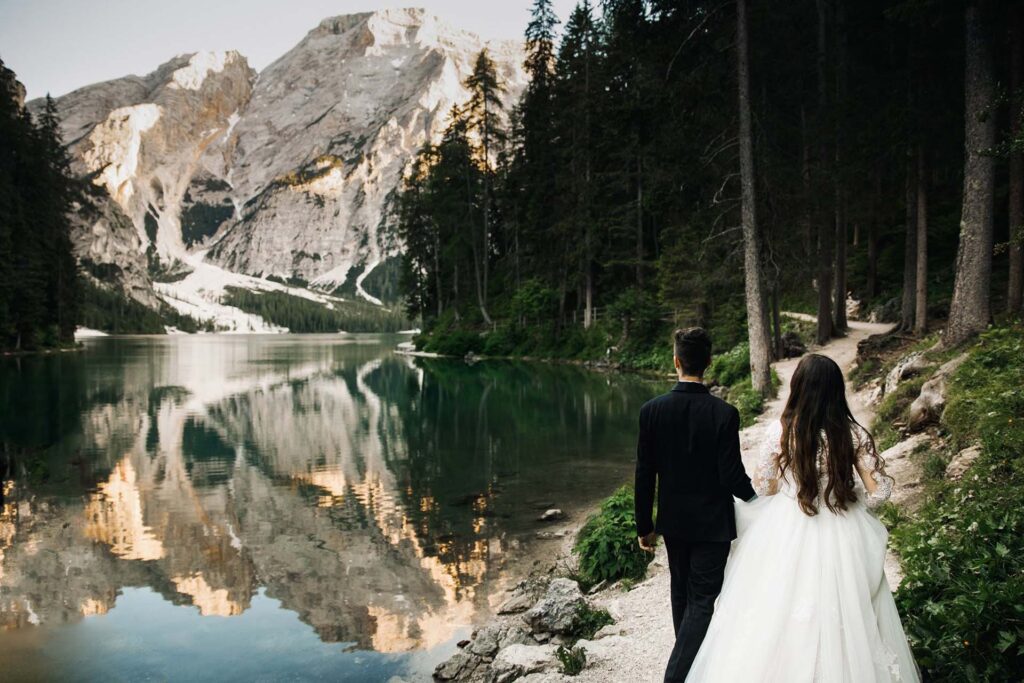
Each region brings its own visual signature. Tuscany’s layered hills and sunset glow flatter every skin tone and dress. Amalfi Coast’s endless sea and cliffside villages create cinematic drama, but plan around the fierce midday glare. On Lake Como, the blend of water and historic architecture is unique, but the sun dips early behind the peaks, early evening is essential for soft portraits. Consider a classic wooden boat session for iconic images.
Puglia’s light is reliable and bright, with white stone reflecting natural glow everywhere. The ancient olive trees and masserie offer both shade and rustic textures. Umbria’s landscapes are softer, with mists and earthy tones that suit romantic, timeless photos, especially on spring or autumn mornings.
Wherever you choose, check if your venue or nearby sites require special permits, especially for drone or evening shooting. Always ask about shaded portrait spots and backup indoor options with big windows. Each detail will shape the mood and variety of your photo story.
Essential Logistics: Permits, Access, and Photo Restrictions
Navigating Photo Permits
Italy’s most photogenic venues and landmarks often require extra planning and paperwork. At popular sites like Lago di Braies, you must book a private session if you want photos at the iconic boathouse. In peak summer (July to mid-September), a 90-minute private slot before opening hours costs €600, and drones are strictly prohibited. This rule is common in many protected landscapes, so always ask about airspace rules if aerial shots matter to you.
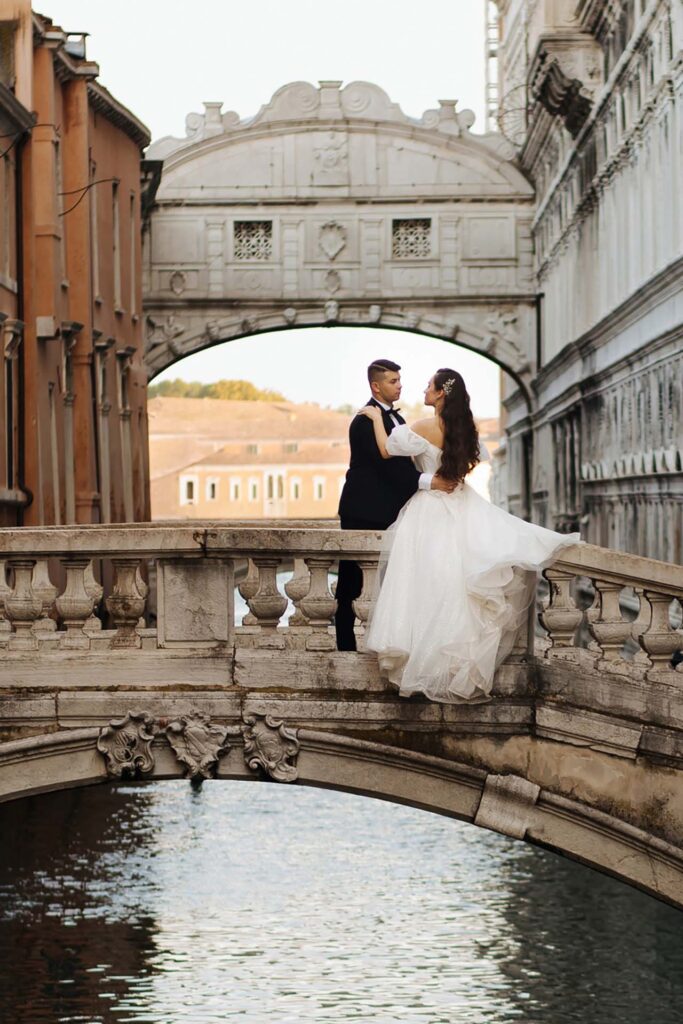
In Taormina, photographing at the Teatro Antico or Isola Bella requires a legal permit. Each site charges €300 for photography, and handheld video is €400. These fees usually cover entry for the couple, photographer, and one assistant. Permits can take time to arrange, so start early, especially if you want to shoot at more than one location or include video.
Many venues in Italy have their own policies or work with local authorities for historical or natural sites nearby. Before you fall in love with a ceremony spot, confirm what’s allowed and how long your access lasts. Some places close at dusk or allow only a short window for private photos.
Venue and Vendor Coordination
Restrictions go beyond permits: tripods, flash, and drones are often limited or banned, especially indoors or at heritage sites. Even in a private villa, outdoor drone flights may be off-limits due to local law. Always ask your venue and photographer to clarify the rules. At Image Studio, we contact the site in advance to confirm every detail, which avoids last-minute problems.
To keep your wedding day stress-free, plan the flow of portraits and group photos. Ask if there are shaded areas for midday photos, and check how far you’ll need to walk between ceremony, cocktail hour, and reception. For example, a lakeside ceremony followed by a hilltop dinner requires extra time for your photo team and guests to move and reset.
The best way to avoid surprises is to get all photo policies in writing before you book. Confirm access times, backup indoor spaces, and sunset timings for portraits. If you are working with multiple vendors, make sure everyone knows the schedule and rules. This way, you’ll spend more time enjoying the celebration and less time troubleshooting on the day.
Questions to Ask Your Venue and Photographer Before Booking
Before you commit to a venue or photographer, asking the right questions saves you time, money, and disappointment later. Here is a practical checklist to guide your conversations and help you focus on what matters most for beautiful wedding photos in Italy.
Checklist for Venues
Light and Timing: What direction do ceremony and reception spaces face? When is direct sunlight strongest, and where does it fall at different times?
Weather Plans: Is there a covered or indoor backup in case of rain? Does the alternate space have large windows or natural light for photos?
Shaded Areas: Where can portraits be taken if the sun is harsh? Are there natural or architectural features providing shade?
Access and Flow: How far are the ceremony, cocktail hour, and dinner locations from each other? Are these areas easily accessible for your photo team and guests?
Photo Restrictions: Are there any rules about flash, tripods, or drones? Are permits required for certain locations or times, and how much do they cost?
Portrait Locations: What are the best spots on the property for couple portraits, group photos, and candid moments? Is there flexibility to explore less-used areas?
Curfew and Timing: Are there time limits for photography or music due to local regulations?
Logistics: Are there restrictions on when vendors can arrive or set up? Is early morning or late evening access possible for golden-hour sessions?
Checklist for Your Photographer
Experience: Have you photographed at this venue before? If not, will you visit or do a virtual walk-through in advance?
Backup Plans: What is your plan if the weather is poor or light conditions are challenging?
Timeline Advice: How much time do you recommend for portraits, groups, and candid shots at this venue?
Permit Knowledge: Are you familiar with any permit needs or restrictions at this venue or in this region?
If you can, visit your chosen venue in person during the season and time of day you plan to marry. If travel is not possible, request a detailed video walk-through or photo tour from the venue and your photographer. This step reveals lighting, access, and hidden photo spots that online galleries often miss.
Your next step: prepare your list, ask these questions, and bring your findings to your photographer. At Image Studio, we welcome detailed planning and are happy to review your venue’s features or arrange a walk-through to make sure your day is captured perfectly.
How much does a wedding photoshoot in Italy typically cost?
For a full-day wedding, photography coverage usually ranges from €1,150 to €4,970, with the median cost around €2,760 for about 400 edited photos. Hourly sessions start at €345 to €635, and two-hour shoots are typically €520 to €1,370. Photographer day rates for weddings generally fall between €2,000 and €7,000, depending on the region and experience.
Are there Italian venues with no photo restrictions or permit fees?
Many private venues in regions like Tuscany, Puglia, and Umbria do not require special photo permits or fees, especially if you are holding your event on their property. However, historic sites, public gardens, and popular landmarks often have their own rules and may require permits, so it’s important to confirm with your venue in advance.
What happens if it rains on our wedding day in Italy?
The best Italian venues offer beautiful indoor spaces with large windows or covered areas for ceremonies and portraits, so you can still have natural light and stunning photos even if it rains. Always ask your venue about their backup options and check that these spaces are easily accessible and photogenic. At Image Studio, we always plan for weather changes and scout both indoor and outdoor locations ahead of time.
Can we use drones for aerial wedding photos at Italian venues?
Drone use is often restricted or banned, especially over historic sites, coastlines, and protected landscapes. For example, drones are not allowed at Lago di Braies, and many venues near towns or the sea have similar rules. Always check with your venue and photographer before planning drone shots, as permits and local laws vary.
How do we plan the wedding day timeline for the best light?
Ask your venue which direction key spaces face and when the sun sets at your location. In regions with mountains like Lake Como, the sun disappears earlier, while coastal areas such as the Amalfi Coast enjoy longer golden hour light. Schedule your ceremony and portraits for late afternoon to avoid harsh midday sun, and coordinate with your photographer to make the most of the softest, most flattering light.