How to Plan a Wedding Photoshoot Timeline in Italy: Step-by-Step Guide
October 23, 2026
Get practical, region-specific advice for planning your wedding photoshoot timeline in Italy—covering light, travel, and real scheduling examples.
If you’re planning a wedding in Italy, you already know the setting will be stunning. But even the most beautiful venue can only do so much if your photoshoot timeline doesn’t fit the local light, travel quirks, and rhythms of an Italian wedding day. Your wedding photos will be shaped as much by careful planning as by the scenery itself.
As photographers and directors at Image Studio, we’ve seen just how much timing matters, from the golden haze over a Tuscan vineyard to the deep shadows cast early on Lake Como’s western shore. A well-structured wedding photoshoot timeline in Italy is the key to portraits you’ll love and a relaxed, joyful experience on the day itself.
This guide gives you step-by-step advice, region-specific timing tips, and real wedding timeline examples drawn from our work across Italy. Whether your vision is golden hour portraits in Puglia or a multi-stop journey through Venice, you’ll find the practical details and honest tips that help you avoid common pitfalls and plan a schedule that truly fits your celebration.
1. Understand Italian Light: Region-by-Region Timing
Lake Como & Cinque Terre: The Hidden Sunset
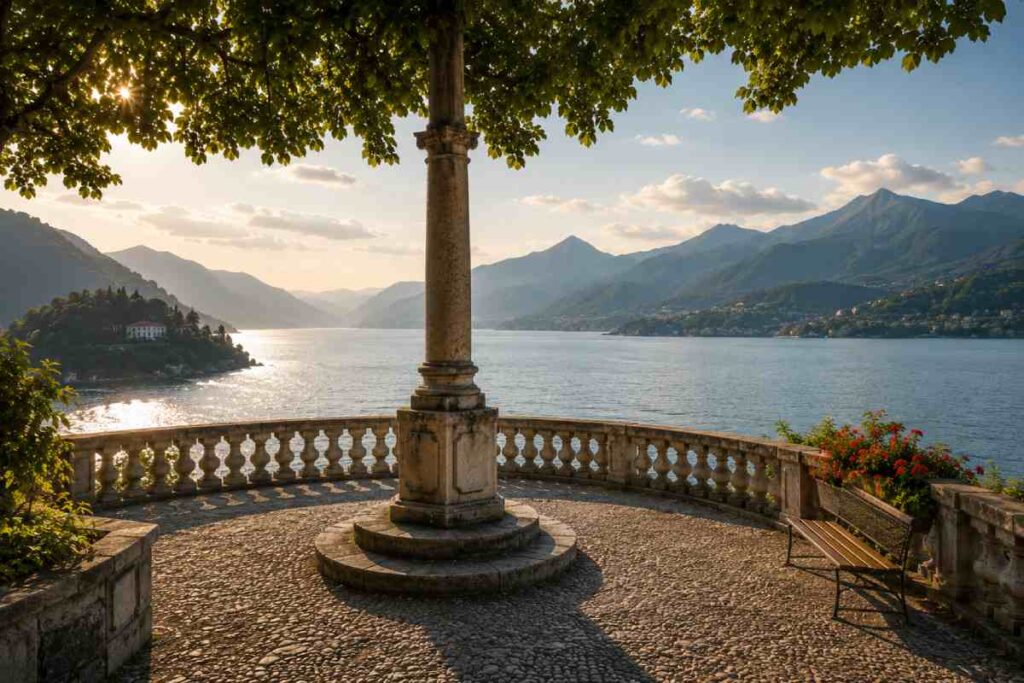
When you picture a sunset on Lake Como’s western shore or along the cliffs of Cinque Terre, it’s easy to imagine that the published sunset time will give you the last golden light for portraits. But the reality is more complex. The terrain mountains, steep hills, and dramatic cliffs-means that direct sunlight vanishes up to one hour before the official sunset. So, if you’re aiming for those dreamy, glowing couple photos, you must plan your timeline for earlier than the sunset listed online. For example, if the published sunset in Bellagio is 7:45 pm, you’ll lose direct light as early as 6:45 pm on the western shore or in Cinque Terre (Italy Love Stories). This is a common surprise for couples, so always check with your photographer about the real light conditions at your venue especially if you’re dreaming of those last golden rays.
Tuscany & Puglia: True Golden Hour
In Tuscany and Puglia, you can rely on the published sunset time for planning. The landscapes here—rolling hills, open countryside, gentle coastlines don’t block the sun as dramatically as in Lake Como or Cinque Terre. The golden hour in these regions truly begins about an hour before the official sunset and continues right up to it. If the sunset in Siena is 8:30 pm, you’ll have beautiful, soft light from 7:30 to 8:30 pm (Italy Love Stories). This gives you flexibility: you can schedule your couple’s portraits during the aperitivo or between courses, knowing the light will be reliable and flattering.
City Weddings: Timing in Rome, Venice, Turin
In cities like Rome, Venice, and Turin, the timing of natural light is more predictable but still affected by urban geography narrow alleys, tall buildings, and courtyards can shade your location before the official sunset. The best wedding months in these cities are April to June and September to October, when the light is soft and the days are long. For example, in Rome on October 15, the sun rises at about 7:21 am and sets at 6:29 pm (Toghrul Nabi). Use the official times as a guide, but walk through your venue to spot where shadows fall in the hour before sunset. If you want golden hour portraits, schedule them at least 30-45 minutes before sunset to make the most of open light, especially if you’re moving between indoor and outdoor spots.
Every region in Italy rewards careful timing. By understanding how light really works at your venue, you’ll build a photoshoot timeline that gives you both beautiful portraits and a relaxed flow to your day.
2. Step-by-Step: Building Your Wedding Photoshoot Timeline
Sample Timelines for Different Regions
Start by locking in your ceremony time, as this will anchor the whole day. In Italy, a reliable rule is to begin the ceremony 2.5 to 3 hours before sunset. This allows for post-ceremony congratulations, family photos, cocktails, and golden-hour couple portraits before dinner Pava Photos. Work backwards from the published sunset time but remember, in places like Lake Como’s western shore or Cinque Terre, the sun drops behind the mountains or cliffs up to an hour early. Check your site at the same time of year, or ask your photographer, so you don’t miss the best light Italy Love Stories.
Getting Ready: Schedule 1.5 to 2 hours for hair, makeup, and relaxed moments with friends and family.
Ceremony: Plan 30-60 minutes, depending on your tradition.
Family Photos: Immediately after the ceremony, set aside 20-30 minutes for group portraits while everyone is together Toghrul Nabi.
Couple Portraits: Reserve 20-30 minutes during golden hour, often overlapping with the aperitivo.
Reception & First Dance: After portraits, join your guests. Discuss with your photographer if you want the first dance or cake-cutting captured before their coverage ends.
If your wedding day includes several locations say, getting ready in Florence, a countryside villa for the ceremony, and a third spot for the dinner-multiply the travel time Google Maps shows by 1.5 to 2. This accounts for winding roads, traffic, and parking. Always plan for your photographer to arrive 10-20 minutes before you at each spot, so they can prepare and capture your arrival Sicilian Wedding & Event.
For each outfit change such as a second look for the reception-budget about 30 minutes. If you’re planning a pre-wedding or multi-day shoot, allow for two or three looks per half day Toghrul Nabi. More locations and outfit changes mean you’ll need longer gaps between moments, so adjust your timeline with real buffers.
A carefully built timeline like this means you get both memorable images and the freedom to enjoy your Italian wedding day as it unfolds.
3. The Essential Wedding Photography Timeline Checklist
Use this checklist to work with your photographer and planner on a wedding photoshoot timeline in Italy that’s realistic and stress-free. Each time block is based on what works at Italian venues, with built-in buffers for travel, changing, and the little surprises that always crop up.
Getting Ready
Allow 1.5 to 2 hours for hair, makeup, dressing, detail photos, and candid moments with family or friends (Toghrul Nabi).
If your rooms are in separate locations, add at least 30 minutes for your photographer to move between them or assign a second shooter.
First Look (optional)
Block 20-30 minutes for a private first look and a few relaxed portraits.
Ceremony
Schedule your ceremony start time 2.5 to 3 hours before sunset to get the best post-ceremony light (Pava Photos).
Typical ceremony lasts 30-45 minutes.
Family and Group Photos
Plan 20-30 minutes immediately after the ceremony for group and family shots (Toghrul Nabi).
Prepare a shot list ahead of time to keep things moving.
Couple Portraits
Reserve 20-30 minutes during golden hour—this is usually during the aperitivo or between courses.
If you want multiple “looks” or locations, add 30 minutes per outfit change or transfer (Toghrul Nabi).
Aperitivo (Cocktail Hour)
Block 1-1.5 hours for mingling, candid shots, and for your photographer to capture the atmosphere and details.
Dinner and Speeches
Allow 2-2.5 hours for a seated dinner with speeches and toasts throughout.
Factor in time for your photographer to move between tables and capture reactions.
Party & Dancing
Plan at least 1.5 hours for cake cutting, first dance, and dance floor photos.
Travel Buffers
For each transfer between venues, multiply the Google Maps time by 1.5 to 2 (Sicilian Wedding & Event).
Have your photographer arrive 10-20 minutes before you at each location.
Share this checklist with your planner and photographer (at Image Studio, we use a similar structure) to create a timeline that gives you both stunning photos and time to savor every part of your Italian wedding day.
4. Travel and Logistics: Italian Realities You Must Plan For
Example: Multi-Venue Day on Lake Como
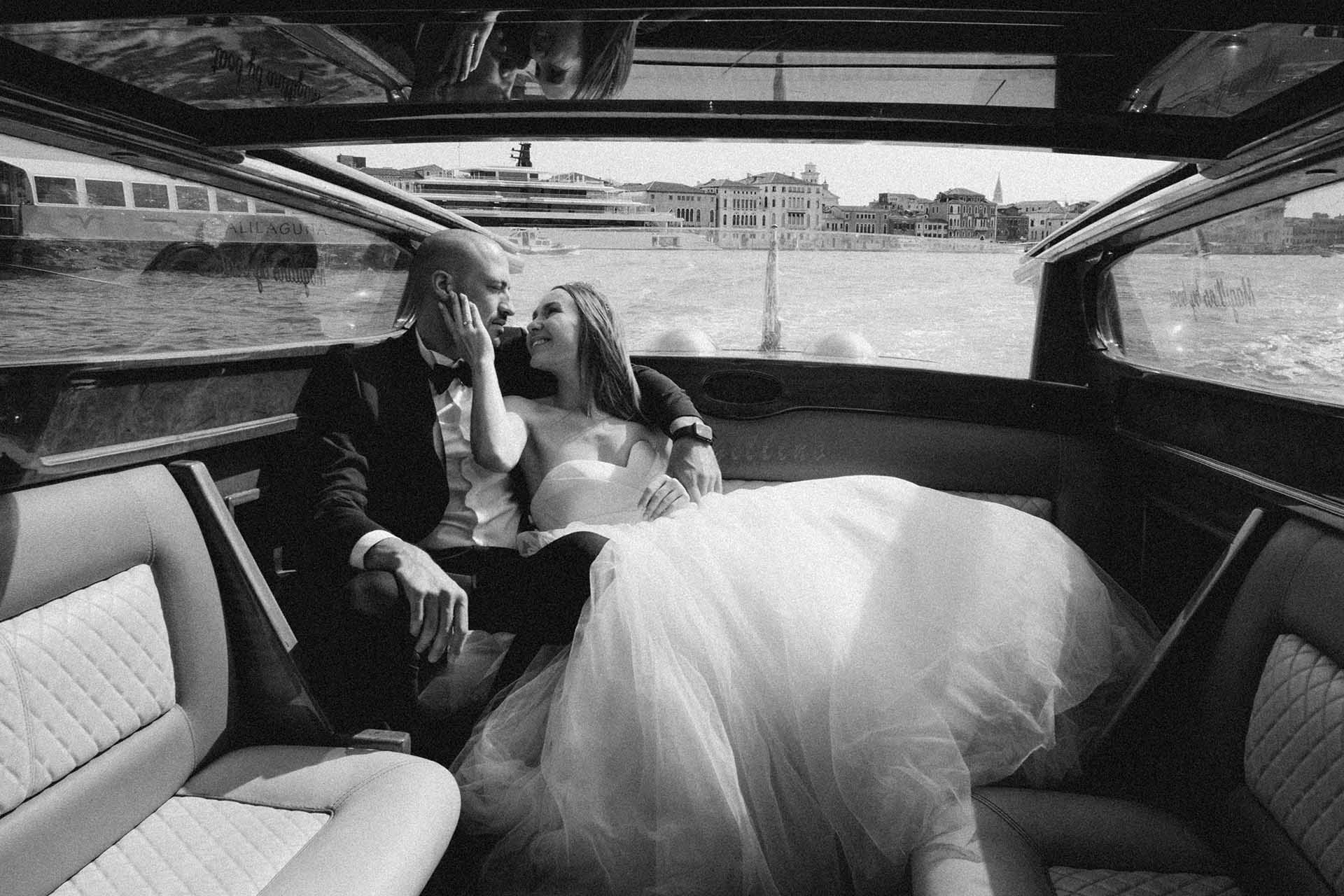
Italian weddings often feature more than one location—think a lakeside ceremony, a villa for dinner, and perhaps an evening boat ride or a party at a different spot. It’s easy to underestimate how long each transfer takes. On Lake Como, for example, the map might say it’s a 20-minute drive from your ceremony to your dinner venue, but that rarely holds true on the day. Winding lakeside roads, one-way systems, and seasonal roadworks can all cause delays. Add in boat transfers, which might run behind schedule depending on guest readiness or local traffic on the water, and you quickly see why strict adherence to the map doesn’t work.
To avoid stress and missed photo opportunities, always multiply your map-based travel time by 1.5 to 2. If Google Maps says 20 minutes, plan for 30-40 minutes instead. This buffer gives you breathing room for everything from slow-moving classic car convoys to unplanned delays at boat docks. Your guests will thank you, and so will your photographer those extra minutes often make the difference between rushed images and relaxed, natural moments.
City vs. Countryside Transfers
Italian cities like Florence, Venice, or Rome each bring their own logistical twists. In Rome, for instance, central traffic is dense and unpredictable, especially with road closures for events or processions. In Venice, everything moves at walking pace or by boat, and bridges, crowds, and tides add to the complexity. Out in the countryside—Tuscany or Puglia narrow lanes wind through vineyards and olive groves, with farm vehicles or wedding buses often slowing things down.
Transfers between venues are slower than most couples anticipate. If you’re planning portraits or family group photos in a different spot from your ceremony, those extra minutes matter. For a detailed approach to family photo planning, see our Wedding Family Photo List: Who to Include.
Finally, always arrange for your photographer to arrive 10-20 minutes before you at each new location. This allows us to scout the light, set up shots, and capture your arrival with a calm, prepared eye. We’ve seen many timelines unravel simply because the couple and photographer arrived together, with no time to settle. At Image Studio, we build these margins into your schedule, so your day flows naturally and you never feel rushed.
Building in these travel buffers isn’t just about logistics it’s about protecting the atmosphere of your wedding. When you plan for the real pace of Italy, you get to enjoy your day and trust your photographer to capture you at your best.
5. Real Italian Wedding Timeline Examples: What Works (and What Doesn’t)
Lake Como: Navigating Early Shade
On Lake Como’s western shore, one couple started their ceremony at 4:00 pm, aiming for sunset portraits at 7:00 pm. The venue boasted dramatic lake views, but the surrounding mountains blocked direct sunlight well before sunset. By 6:00 pm, the golden light was already gone leaving only cool, shaded tones for their portraits. The couple and planner had taken the published sunset time at face value, but didn’t factor in the unique geography. Despite this, the timeline succeeded in giving them a relaxed day and beautiful blue-hour shots. Their main challenge: missing that iconic golden glow by about an hour, a common pitfall on Como’s west side. If you’re planning here, ask your photographer to scout the light in advance and adjust your schedule accordingly aim to start portraits at least an hour before sunset Italy Love Stories.
Tuscany: Golden Hour Aperitivo
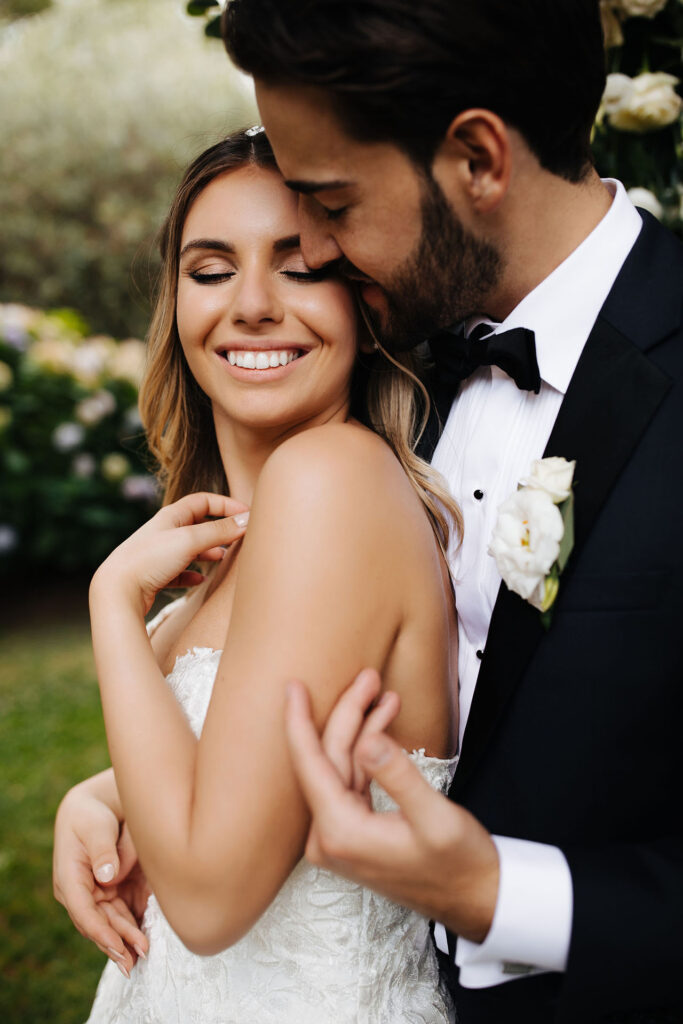
A Tuscan wedding I photographed scheduled the ceremony for 4:30 pm, with an outdoor aperitivo at 6:00 pm— right as golden hour began. Tuscany’s open hills mean the golden hour lines up closely with the published sunset, so we planned couple portraits during the aperitivo, with family photos immediately after the ceremony. This timeline worked beautifully: the couple mingled with guests, then slipped away for 25 minutes of portraits in soft light, returning to the party before dinner. The key was clear communication and a flexible plan everyone knew when portraits would happen, so no one felt rushed or missed from group shots. For this approach, build your schedule around the real sunset and brief your photographer and planner on your priorities early Italy Love Stories.
Rome: City Ceremony and Evening Portraits
In Rome, another couple held a 2:30 pm church ceremony, followed by a short drive to a rooftop aperitivo overlooking the city. The city’s traffic added unpredictability: what looked like a 15-minute transfer on paper took 30 minutes, cutting into their planned portrait time. We adapted by taking candid couple photos en route and saving formal portraits for early evening, once the city cooled and crowds thinned. The timeline worked, but only because the couple scheduled a generous buffer and trusted their team to adjust. In Rome and other cities, always multiply travel time by 1.5 to 2 and have a backup plan for portraits Sicilian Wedding & Event.
Whatever your region, the best timelines allow for flexibility and communication. Share your priorities with your photographer and planner from the start if you want golden-hour portraits, make that clear in early meetings. For more on working with your photographer, see Choosing the Right Wedding Photographer in Italy: Beyond Style, Toward Storytelling.
If you’re ready to start shaping your own wedding photoshoot timeline in Italy, gather your venue’s light and logistics details, discuss them with your planner, and reach out to a local photographer who knows the region Image Studio can help you craft a timeline that fits your vision and the real pace of your day.
How much time should we allow for couple portraits if we want multiple locations?
If you want couple portraits in multiple locations, plan for 20–30 minutes at each spot, plus about 30 minutes per outfit change or 'look.' Don’t forget to add extra time for travel—multiply the map-based travel time by 1.5 to 2 to allow for Italian roads, traffic, or boat transfers.
What happens if the weather changes and we lose golden hour?
If the weather shifts and you lose golden hour, your photographer will adapt by finding the best available light—often using shaded areas, courtyards, or interiors for soft, flattering portraits. Overcast skies can actually create gentle, even light, which works beautifully for natural, intimate photos.
Do we need special permits for photos in public spaces in Italy?
In some Italian cities, permits are required for professional photoshoots in public spaces. For example, in Milan (outside the historic center), a permit costs €103 plus VAT per six-hour slot, plus two €16 stamp duties. Always check with your planner or photographer about local rules for your chosen locations.
How do we coordinate the timeline with our videographer and content creator?
The best way is to share your full timeline with both your photographer and videographer in advance, and discuss any moments you want captured from different angles. At Image Studio, we work closely as a team to ensure everyone is prepared for key moments, so nothing is missed and the flow stays relaxed.
Is it possible to fit a pre-wedding shoot into the same day as the wedding?
It’s rare to do a full pre-wedding shoot on the wedding day itself, as the schedule is usually full and travel between locations takes longer than expected. If you want extra portraits or different looks, consider a short session early in the day or plan a separate shoot on another day for more flexibility and less stress.