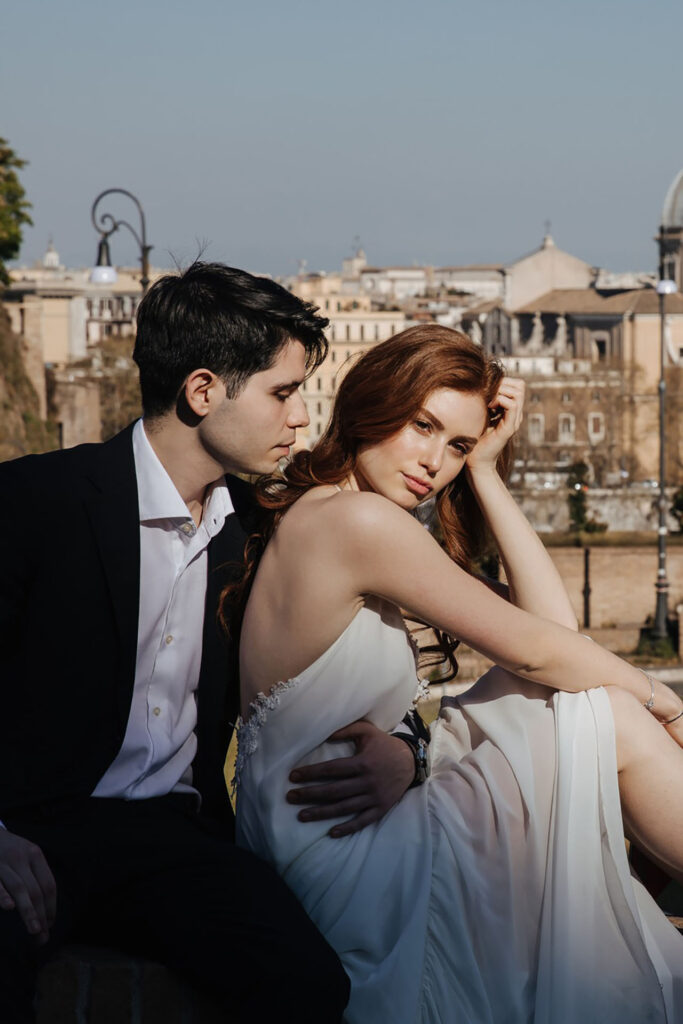
How to Choose Outfits for Engagement Photos in Italy
November 6, 2026
Get a photographer’s guide to choosing engagement photo outfits in Italy, with practical tips on style, color, and matching your look to iconic Italian locations.
Planning engagement photos in Italy is exciting, but picking outfits can feel daunting. Your clothes set the mood for the whole session: they help you feel at ease, make your photos stand out, and ensure your look feels natural against Italy’s famous backdrops. When couples ask about engagement photo outfits in Italy, I always say it’s about more than style. The right choices make a real difference in both your confidence and the final images.
Having photographed couples in Rome’s historic streets, on the cliffs of the Amalfi Coast, among the cypress lanes of Tuscany, and along Venice’s canals, I have seen how much color, fabric, and fit affect the result. Each Italian region has its own light and palette. In this guide, I share straightforward tips from years of experience: how to choose colors that flatter both you and the scenery, what to wear in different seasons, and how to coordinate as a couple without being too matchy. You will also find practical advice for session timing, packing, and permits, so you can focus on enjoying this moment together.
1. Planning Your Engagement Photo Session in Italy
Booking Timeline and Season
If you want your engagement photos in Italy during the most popular months, plan ahead. April to June and September to October are the best times for sessions, with gentle light, pleasant weather, and fewer crowds. These months book up fast, especially in iconic spots like Rome, Florence, and the Amalfi Coast. To make sure you get your preferred date and have enough time to order and tailor outfits, reserve your session 4 to 6 weeks in advance. This also gives you breathing room to coordinate travel and handle any permit requirements for private villas or famous gardens.
Session Duration and Outfit Changes
Typical engagement sessions at a single location in Italy last about 90 minutes. This timeframe allows for a relaxed pace, letting you warm up in front of the camera and explore different backdrops without feeling rushed. If you want to include an outfit change or add a second location (for example, starting at a piazza and finishing in a garden), expect your session to run closer to two hours. Outfit changes are easy to fit in, just bring your second look and a small bag to carry essentials. Many venues have a restroom or quiet corner for a quick change. Your photographer will help you plan the timing so that the transitions feel natural and you get the most out of your session.
Budgeting for Your Location
Costs for engagement sessions in Italy vary depending on the city or region. In Rome, a 60-minute couple session starts from around €380. If you choose Florence, you can expect to pay at least €500, while Venice sessions often begin at €650. Lake Como is usually from €800, and the Amalfi Coast has the highest starting price, from €1,200. These prices reflect the travel and special logistics some locations require. Outfit changes are usually included in the standard session time, so you do not need to budget extra unless you want extended coverage. When planning, factor in any permit fees for historic villas or gardens, as these are sometimes required before your photographer can start shooting.
2. Matching Outfits to Italian Locations: Color and Style Guide
Rome: Warm Neutrals and Deep Tones
Rome’s ancient stones, ochre walls, and leafy boulevards shape the palette. Cream, camel, terracotta, deep red, navy, and forest green all work beautifully in the city’s sunlit piazzas and shaded ruins. These colors create a sense of timelessness and warmth, blending naturally with the city’s historic textures.
Avoid orange, especially saturated shades, along with ochre and pure white during midday, as they can clash with Rome’s golden light or appear flat in photos. Instead, use deep hues like burgundy or a navy accent if you want a subtle pop against the city’s warm backdrop.
Amalfi Coast: Light, Airy, and a Touch of Bold
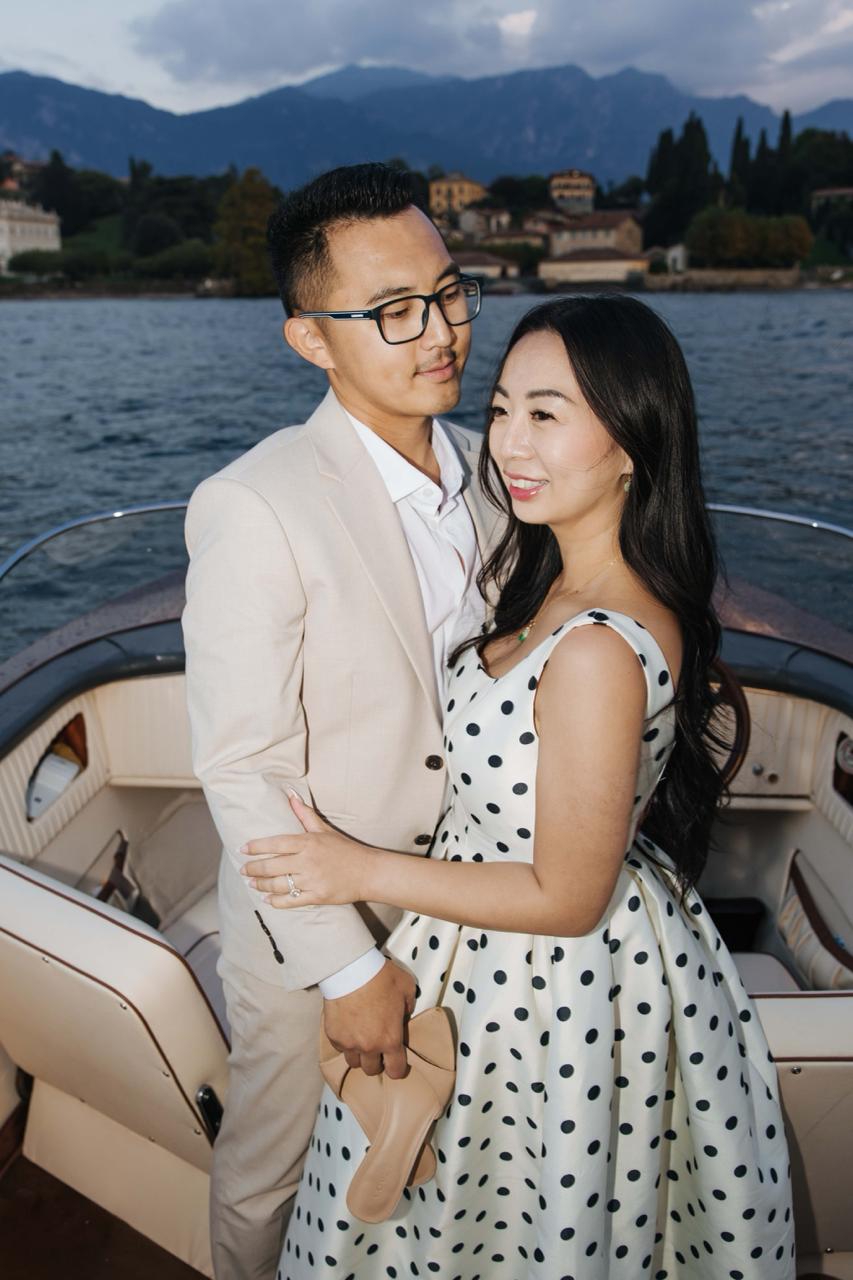
On the Amalfi Coast or Capri, the landscape is all sea blues, lemon groves, pale cliffs, and sun-washed houses. Outfits in white, blush, sky blue, and butter yellow echo the coastline’s light, breezy feel. These colors let you stand out while still feeling part of the Mediterranean scene.
For a memorable accent, a touch of red or cobalt works well, think a scarf, a pocket square, or a single accessory. Steer clear of turquoise (which can compete with the sea’s natural blue) and lemon yellow, which is often too strong and can reflect oddly on skin in bright sun.
Tuscany: Earthy and Soft
Tuscany’s rolling fields and stone villages call for soft, earthy tones. Cream, sage, rust, dusty rose, and chocolate all suit the landscape, especially in the region’s golden evening light. These shades work with both urban Florence and rural Val d’Orcia.
Avoid bright green during May, when the hills are already vibrant, and skip gold in late June, as the wheat fields turn the land a deep yellow. Soft, muted colors keep your images timeless. For more on the best time to capture Tuscany’s glow, see Best Time of Day for Wedding Photos in Italy.
Venice: Jewel Tones and Classic Elegance
Venice is about mood and contrast. Jewel tones, emerald, burgundy, sapphire, plum, and classic ivory work perfectly against the city’s canals and dark timber. These colors give your photos a sense of drama and old-world glamour.
Pale pink and light grey tend to wash out here, especially against the city’s misty light and stone. If you want to add a bold detail, a velvet accessory or statement shoe in a rich color can look striking. For more ideas on planning your shoot, including styling, visit Should You Do a Pre-Wedding Shoot in Italy? Honest Guide & Costs.
Wherever you are, neutrals and classic shades tend to age well, while a single pop of color (never too many) gives your images personality without overpowering the scene. Always avoid busy logos and tiny patterns, as they distract from your story and can create unwanted effects on camera.
3. Choosing Fabrics and Layers for Italian Seasons
Spring and Early Summer
Italy’s most popular months for engagement photos are April to June. These weeks bring soft, flattering light and mild temperatures. In the cities and countryside, mornings can feel crisp, especially before sunrise or in shaded gardens. Fabrics like linen, lightweight cotton, and soft silks breathe well and move beautifully in gentle breezes. Linen suits, cotton dresses, and silk blouses help you stay comfortable while giving your photos a classic, relaxed look.
Consider packing a light layer, such as a cashmere-blend cardigan or a tailored cotton jacket. Layering is practical, especially if you start at sunrise or finish around sunset, when temperatures can drop. For women, a wrap or shawl works well and brings a touch of elegance, while men can add a vest or light scarf for interest. These layers also allow you to change up your look between locations or poses.
Autumn and Late Season
September and October are also ideal, with warm days and cooler mornings or evenings. In places like Tuscany’s vineyards or Lake Como’s gardens, you’ll want to bring slightly heavier materials. Wool blends, brushed cottons, and velvet work well. These fabrics provide warmth and photograph with a rich texture, catching the golden light that defines Italy’s autumn.
Layering remains important. A midweight jacket, a stylish trench coat, or a textured blazer can be slipped on and off between shots. These pieces add depth and interest to your outfit without overwhelming you or hiding your shape. In cooler spots, like Venice in October, a wool wrap or structured coat keeps you comfortable and elegant.
What to Avoid: Shiny, Clingy, or Heavy Materials
Some fabrics simply do not work for Italian engagement photos. Avoid anything too shiny, like satin or high-gloss synthetics. These catch harsh light and create unwanted reflections, especially if you shoot during golden hour or in bright coastal spots. Clingy materials tend to crease and show sweat, which is a risk in warmer months or after a walk through town.
Heavy fabrics, such as thick polyester or bulky knits, can look stiff and may cause you to overheat, especially if you are moving between locations. The camera loves texture, think linen, silk, and soft wool, but not bulk. For the best results, choose materials that breathe, move with you, and pick up the soft light of Italy’s most beautiful seasons. This way, you’ll feel comfortable and look timeless in every frame.
4. Coordination, Not Matching: How Couples Can Style Together
Complementary Colors in Practice
When you plan your engagement photo outfits in Italy, the best approach is coordination, not matching. Outfits that simply match, same color, same texture, tend to flatten in photos. Instead, complementary tones create depth and visual interest. For example, if you wear sage, your partner might look great in cream or soft camel. Burgundy pairs beautifully with camel, navy with blush, or forest green with ivory. These combinations feel natural and never forced.
Avoid logos and busy prints. Large logos distract from your expressions, and busy patterns can look chaotic against Italy’s intricate backgrounds. Fine pinstripes or tight geometric prints are tricky too: high-resolution cameras can turn them into moiré, a strange wavy effect that is impossible to fix later.
Mixing textures and tones is more important than you might think. If one of you wears linen, the other could choose a silk or soft wool blend. A cotton shirt and a flowy chiffon dress, or a structured blazer with a soft knit, allow the camera to catch the light in different ways. This adds dimension to your images, especially in golden hour light. Choose tones that are harmonious, not identical: think of the colors you see together in Italian landscapes, Tuscany’s sage and rust, Venice’s emerald and ivory, Rome’s terracotta and navy.
Checklist: Final Outfit Prep
Lay out both outfits together a few days before your shoot. Do the colors flow? Does one piece stand out too much?
Check for logos, text, or bold branding. Remove or swap these out.
Examine patterns. If you must use a print, keep it large and simple, no pinstripes or tiny checks.
Test for comfort. Can you walk, sit, and move easily? Try a few poses in front of a mirror or with your phone camera.
Consider the location palette. Are you choosing colors that work with the Italian backdrop (not against it)?
Include at least one textured fabric on each person: linen, wool, silk, or cotton blends.
Plan for layers if weather might change: a shawl, light jacket, or scarf in a tone from your palette.
Pack a lint roller, stain wipes, and a small sewing kit for quick fixes on the day.
This thoughtful approach ensures you look like yourselves, together but not identical, in every image. At Image Studio, we find that couples who follow these steps feel relaxed, confident, and always love their photos.
5. Practicalities: Permits, Packing, and Getting Ready
Permits for Villas and Gardens
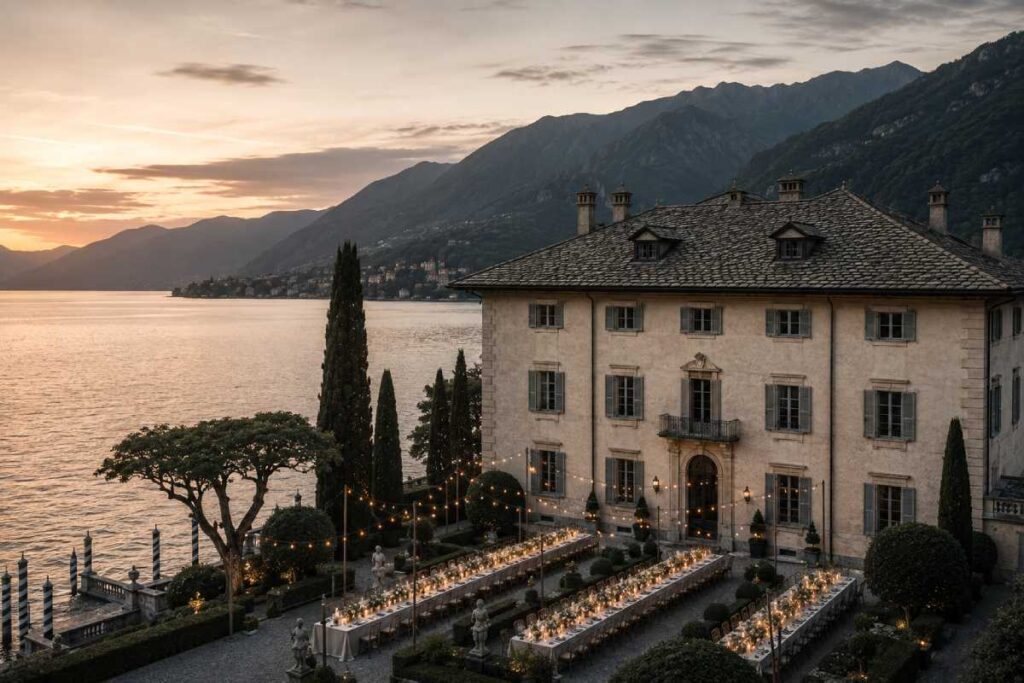
Before you settle on a location, find out if you need a photography permit. Many of Italy’s most beautiful sites, such as Boboli Gardens in Florence, Villa Carlotta at Lake Como, and Villa del Balbianello, require advance permission for any professional photo session. This is not just a formality. Without a permit, you risk having your shoot interrupted or even canceled by staff. Permits can take anywhere from a few days to several weeks to arrange, especially in peak months. Ask your photographer or planner to help with this early on, and always have the permit with you on the day. For more on timing and logistics, see How to Plan a Wedding Photoshoot Timeline in Italy: Step-by-Step Guide.
Packing and Changing Logistics
Packing for your engagement shoot in Italy means planning for both style and practicality. Use a garment bag for each outfit to keep clothes wrinkle-free during travel. If you have more than one look, keep accessories and shoes organized in labeled pouches. For shoots at multiple locations or with outfit changes, budget about two hours total. Most couples change in café restrooms, hotel lobbies, or the backseat of a car (with privacy screens or a towel for cover). If you’re unsure where to change, ask your photographer for local tips, they’ll know which piazzas have facilities nearby or which gardens allow for quick changes in a quiet corner.
On-the-Day Essentials
Carry a small tote or backpack with these essentials: lint roller, stain wipes, safety pins, a mini sewing kit, and a travel-size deodorant.
Bring makeup for quick touch-ups, oil-absorbing sheets, and a compact mirror. Matte powder helps prevent shine, especially in the Italian sun.
Comfortable shoes for walking between locations are a must, switch to heels or dress shoes for photos.
Water and a light snack keep your energy up, especially during longer sessions in warm weather.
Don’t forget a phone charger or power bank for navigation and behind-the-scenes snaps.
With permits in hand, outfits ready, and essentials packed, you can focus on enjoying the experience. If you need advice on locations, logistics, or want to book a session, reaching out to Image Studio is a great next step. Your preparation will show in every image, and you’ll remember the day for more than just the photos.
Can we wear traditional or cultural outfits for our engagement session in Italy?
Yes, you can absolutely wear traditional or cultural outfits for your engagement photos in Italy. Just make sure the colors and fabrics are comfortable for the season and location, and consider bringing a second outfit if you want both classic and cultural looks. Your photographer can help you plan how to blend your style with the Italian backdrop.
What shoes are best for walking and photos in Italian cities?
Choose comfortable shoes with good support, as many Italian cities have cobblestones and uneven streets. Neutral-toned flats, loafers, or low block heels work well and look timeless in photos. Avoid new shoes or anything that might cause discomfort during your session.
How do we coordinate outfits if we want to include pets in our shoot?
Keep your outfits in complementary tones and avoid busy patterns or logos, which can distract from your pet and the setting. If your pet will wear an accessory, like a bandana or collar, choose a color that fits your palette but does not match exactly. Make sure everyone, including your pet, is comfortable and able to move easily.
Are there outfit colors or styles that look better for black and white photos?
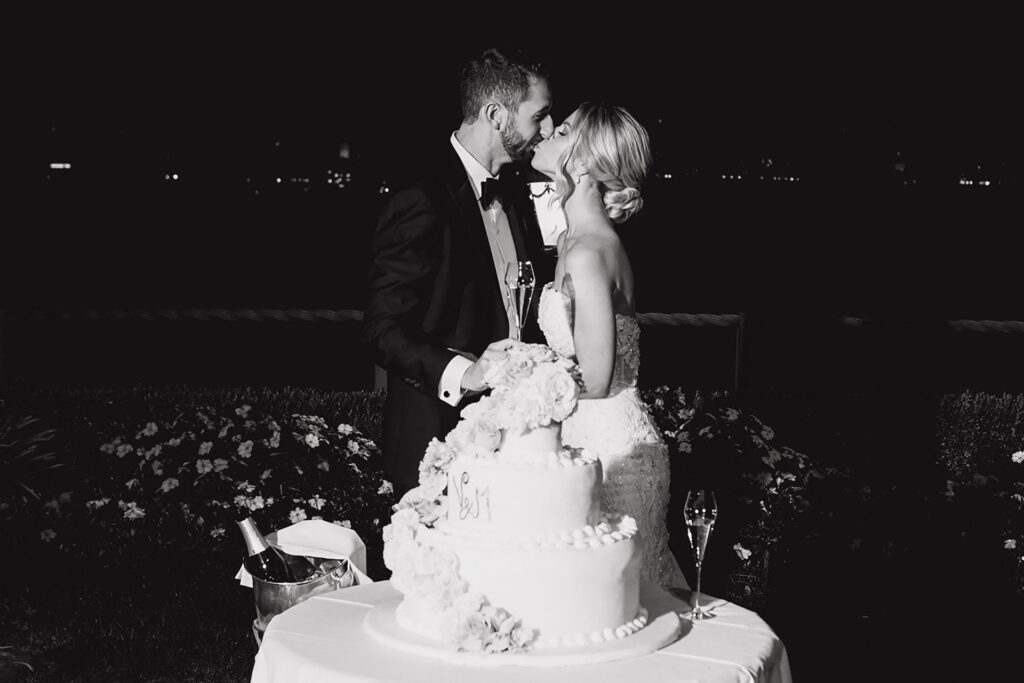
Solid, mid-tone colors and classic fabrics like linen, wool, or cotton look great in black and white photos. Avoid very bright colors or fine patterns, as these can lose detail or create odd effects when converted. Simple, timeless styles with a bit of texture will always photograph well in both color and black and white.
What should we do if the weather changes suddenly on the day of our shoot?
Bring layers such as a light jacket, shawl, or scarf in your chosen palette so you can adapt to changing weather. Pack an umbrella just in case, and choose fabrics that handle a little moisture or wind. Your photographer will help adjust the plan and make the most of the conditions, so you can still enjoy your session.