How to Choose a Photography Style for Your Creative Project
July 19, 2026
Learn how to develop your photography style by identifying your visual preferences, using creative constraints, refining your editing approach, and building a consistent visual identity that reflects your unique artistic vision.
Photography style is defined as the consistent visual language a photographer builds through repeated creative decisions about light, composition, color, and emotional narrative. When you choose a photography style for a creative project, you are not picking a filter or copying a trend. You are committing to a set of deliberate choices that, over time, become recognizable as yours. The good news? That voice develops through focused practice and honest self-reflection, not expensive gear or overnight inspiration. This guide walks you through exactly how to find, test, and refine your visual aesthetic so your work starts to feel unmistakably like you.
How to choose a photography style for your creative project
The first step is understanding what a photography style actually is. A visual identity in photography is an evolving accumulation of repeated compositional and emotional decisions. That means style is not a single filter you apply. It is the sum of how you frame a shot, how you handle light, what emotions you chase, and how you edit. Recognizing this changes everything about how you approach a new project.
Your style is also less about gear than most beginners assume. Style is a visual language defined by framing, editing, and narrative, built through repetition. A photographer shooting on a phone with a clear, consistent vision will develop a stronger aesthetic than someone with a full-frame camera and no creative direction.
What are your visual preferences and where do they come from?
The fastest way to identify your preferences is to study what you already love. Pull together a mood board from photographers you admire, films you rewatch, paintings that stop you mid-scroll, and even interior spaces or fashion editorials that feel right to you. This collection becomes your visual vault. It reveals patterns you might not consciously notice yet.
Next, look at your own photos. Scroll through your camera roll or portfolio and pick your 20 favorite images. Ask yourself:
What subjects keep appearing? People, architecture, nature, quiet interiors?
How do you handle light? Soft and diffused, or high-contrast and dramatic?
What colors repeat? Warm earth tones, cool blues, desaturated neutrals?
What mood do the images carry? Melancholic, joyful, cinematic, raw?
What compositional choices do you make instinctively? Centered subjects, negative space, tight crops?
These patterns are the raw material of your style. They reflect your personality, your surroundings, and the visual world you already inhabit. A photographer raised near the coast will often gravitate toward open horizons and soft light. Someone drawn to urban environments tends to favor geometry and contrast. Your life is already shaping your aesthetic.
Pro Tip:Build your mood board in a physical notebook, not just a Pinterest board. Printing and arranging images by hand forces you to make deliberate choices about what genuinely resonates versus what just looks popular.
Reflecting on your lifestyle and environment as sources of authentic preference is not a soft exercise. It is the foundation of a visual identity that feels genuine rather than borrowed.
How do style lanes and creative constraints build your photographic voice?
Style lanes are focused commitments to a single visual variable for a defined period. The concept is simple: restrict one element of your shooting or editing and repeat it consistently until it becomes instinctive. Photographers are advised to dedicate 30 minutes daily for 7–14 days to a style lane focusing on a single variable, such as natural light only. That concentrated repetition builds creative muscle memory faster than shooting everything and hoping something sticks.
Here are five style lane ideas you can start this week:
Natural light only. No flash, no artificial sources. Every shot relies on available light, forcing you to read and chase the light rather than create it.
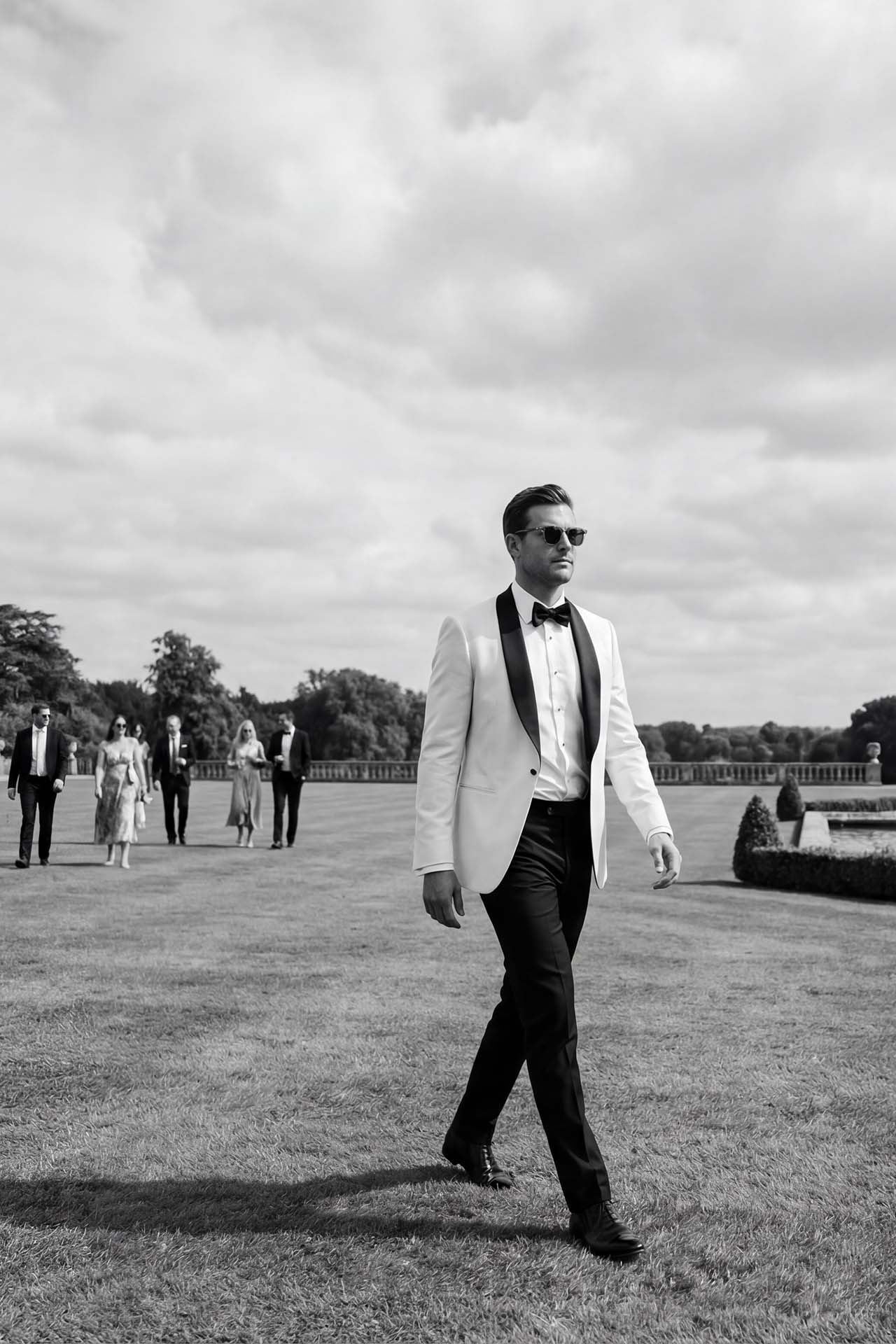
Black and white only. Removing color forces you to think in terms of tone, texture, and contrast. Shooting in black and white sharpens compositional instincts because color can no longer carry the image.
Prime lens only. A fixed focal length eliminates zoom as a crutch and trains your eye to move and reframe physically.
Fixed color palette. Choose three colors and build every image around them. This is a powerful exercise for photographers drawn to Minimalist or Cinematic styles.
Single subject, multiple days. Return to the same subject or location every day for two weeks. The repetition forces creative evolution within a tight frame.
Style lanes require restricting factors for 2–4 weeks to encourage deeper creative instincts and avoid dilution of focus. Shorter sprints can feel like a warm-up. Longer commitments are where real style signatures form.
Constraint type
Duration
Primary benefit
Natural light only
14 days
Trains light reading and timing
Black and white only
14–21 days
Strengthens tonal and compositional thinking
Prime lens only
14 days
Builds spatial awareness and framing instincts
Fixed color palette
21–30 days
Develops color consistency and mood control
Single subject
14–30 days
Forces creative depth over breadth
Pro Tip:Pair your style lane with a photography course focused on the same variable. Structured feedback during a constraint period accelerates growth significantly.
How do you evaluate and refine your style over time?
Evaluation is where style actually solidifies. Without regular review, you can shoot for months and never notice the patterns forming in your work. The most effective method is a monthly review. Experts suggest monthly reviews of 20 favorite photos compared to your mood board to track style alignment. This comparison tells you whether your shooting is moving toward your vision or drifting away from it.
When you do your review, ask these questions:
Do the images share a consistent mood or emotional tone?
Are the compositional choices repeating in a way that feels intentional?
Does the editing feel cohesive, or does each image look like it came from a different photographer?
How closely does the work match the mood board you built at the start?
One of the most useful tools for style development is what creative professionals call “creative cannibalism.” Pulling individual style components from different sources creates unique combinations that avoid pure imitation. You might love the tonal control of one photographer, the compositional boldness of another, and the emotional rawness of a third. Taking one element from each and practicing it deliberately builds something that is entirely your own.
Resist the urge to label your style too early. Professionals advise waiting until finishing at least 5–10 projects before identifying a fixed style. Premature labeling locks you into a box before you have explored enough to know what genuinely fits. Style evolves. Let it.
Good composition in visual storytelling is one of the clearest markers of a developing style. Tracking how your compositional choices shift across projects is one of the most honest indicators of growth.
What are the most common challenges when finding your photography style?
The biggest misconception is that style comes from gear. It does not. A photographer’s unique style develops through consistent creative choices, not from equipment or copying others. Buying a new camera body or a popular preset pack will not give you a style. Shooting with intention, reviewing your work honestly, and repeating the process will.
Here are the challenges most photographers face, and how to move through them:
The imitation trap. Admiring another photographer’s work is healthy. Copying their entire aesthetic is a dead end. Use their work as a reference point, not a blueprint. Take one element, not the whole package.
Inconsistency across projects. If your portfolio looks like it was shot by five different people, you have not yet committed to a style lane long enough. Return to constraints and extend the duration.
Creative blocks. Random shooting rarely breaks a block. A structured project with a clear constraint gives your brain a specific problem to solve, which is far more productive than waiting for inspiration.
Comparing progress to others. Style development is not linear and it is not a race. Deliberate practice focusing on small elements leads to automatic creative decisions over time.
“Your photography style is less about gear or tricks and more about the consistent emotional narrative and visual language created by your choices. Building a visual identity requires study, experimentation, and trusting repeated visual patterns even if they are not fully understood initially.”
Exploring landscape photography techniques is a great example of how technical constraints within a genre can sharpen your broader visual instincts, even if landscape is not your primary focus.
Key Takeaways
Choosing a photography style for a creative project requires identifying your visual preferences, committing to focused constraints, and reviewing your work consistently until a recognizable aesthetic emerges naturally.
Point
Details
Style is built, not found
Consistent creative decisions across framing, light, and editing create your visual identity.
Use style lanes
Restrict one variable for 14–30 days to build creative instincts and avoid scattered results.
Review monthly
Compare 20 favorite recent photos to your mood board to track coherence and direction.
Practice creative cannibalism
Borrow single elements from multiple influences to build a style that is genuinely your own.
Avoid premature labeling
Complete at least 5–10 projects before defining your style to allow natural growth.
Style takes longer than you think, and that is the whole point
I have watched photographers rush to define their aesthetic after two or three projects, slap a label on it, and then feel creatively stuck six months later. The label becomes a cage. When I started working on personal projects seriously, I spent almost a year convinced my style was “moody and dark.” Then I did a 30-day natural light project and realized I actually loved warmth, softness, and quiet intimacy. The constraint revealed something the label had been hiding.
The photographers whose work I find most compelling are the ones who kept experimenting long after they could have settled. Their style did not arrive fully formed. It accumulated. Each project added a layer, and the layers started to rhyme with each other in ways that felt inevitable in hindsight but were never planned.
My honest advice: do not ask “what is my style?” Ask “what am I drawn to right now?” Shoot that. Review it. Adjust. Repeat. The style will name itself eventually, and it will be more specific and more yours than anything you could have decided in advance.
— Image Studio
Bring your creative vision to life with Imagestudio
When your photography style starts to crystallize, the next step is producing work at the level your vision deserves. Imagestudio has spent over 14 years helping creators and brands translate visual ideas into cinematic, high-impact content, with 250+ projects that have reached over 150 million views globally.
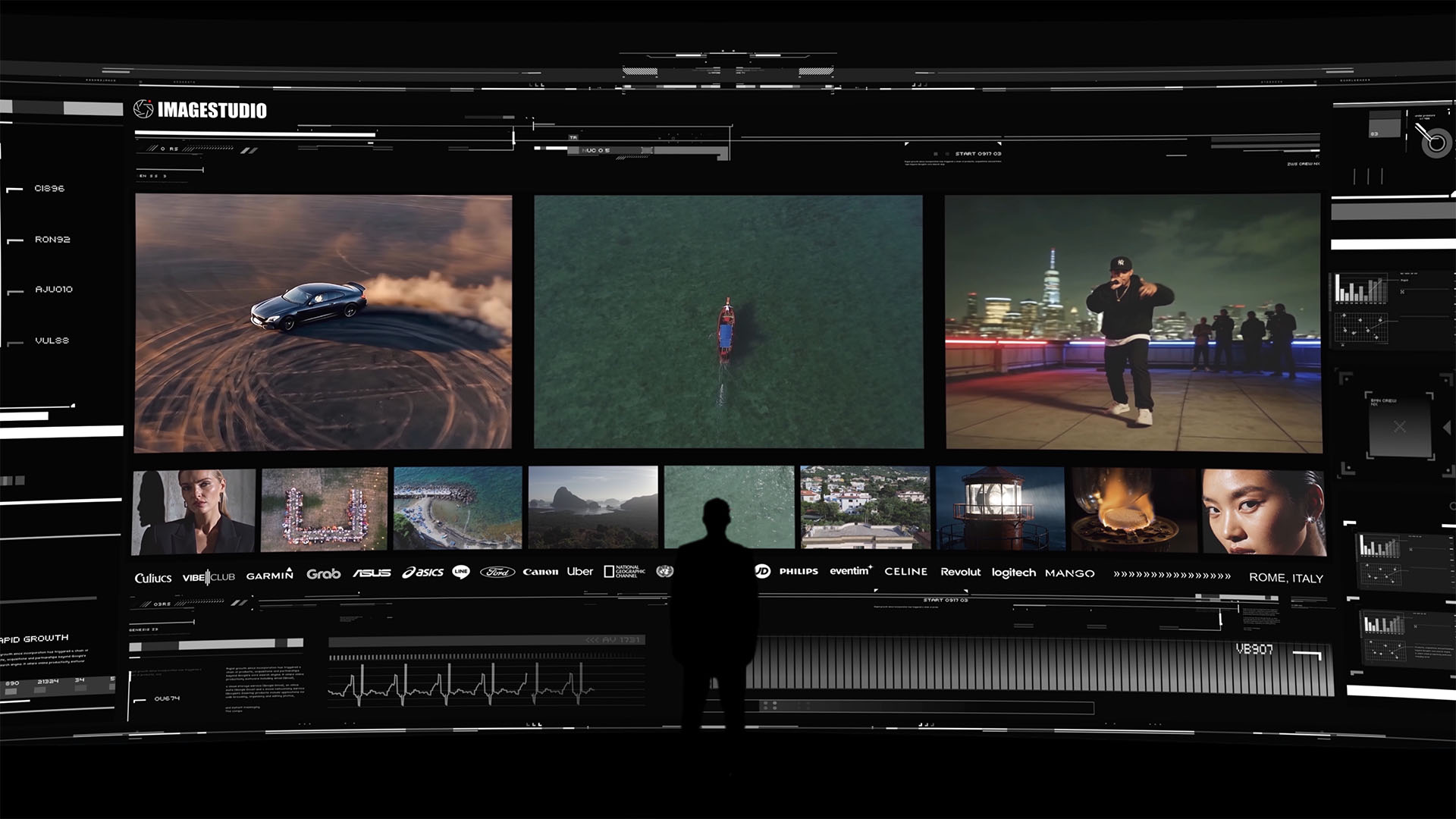
A high-end cinematic portfolio experience by Image Studio featuring automotive visuals, aerial cinematography, urban storytelling, and premium brand collaborations.
Whether you are developing a personal photography project or building a visual identity for a brand, Imagestudio’s cinematic video production team brings the technical depth and creative instinct to match your ambition. From concept to final delivery, the work is built to resonate. If you are ready to move from exploration to execution, Imagestudio is the creative partner that takes your vision seriously.
FAQ
What is a photography style?
Photography style is the consistent visual language a photographer builds through repeated decisions about light, composition, color, and emotional tone. It develops over time through deliberate practice, not through gear or preset choices.
How long does it take to develop a photography style?
Most photographers begin to recognize a consistent style after completing 5–10 focused projects. Style lanes of 14–30 days accelerate the process by building creative habits around specific visual constraints.
What is a style lane in photography?
A style lane is a focused creative constraint, such as shooting in natural light only or black and white only, practiced daily for 7–30 days. It builds instinctive creative decisions and prevents scattered, inconsistent results.
How do I know if my photography style is developing?
Monthly reviews comparing your 20 favorite recent photos to your original mood board reveal whether your work is becoming more cohesive. Consistent patterns in mood, composition, and color are clear signs of style development.
Can I have more than one photography style?
Most photographers develop a primary aesthetic over time, but elements from multiple styles can coexist. The key is intentionality. Using creative cannibalism to blend specific elements from different influences creates a unique style rather than an inconsistent one.