What Is Editorial Photography Style: A Visual Guide
June 7, 2026
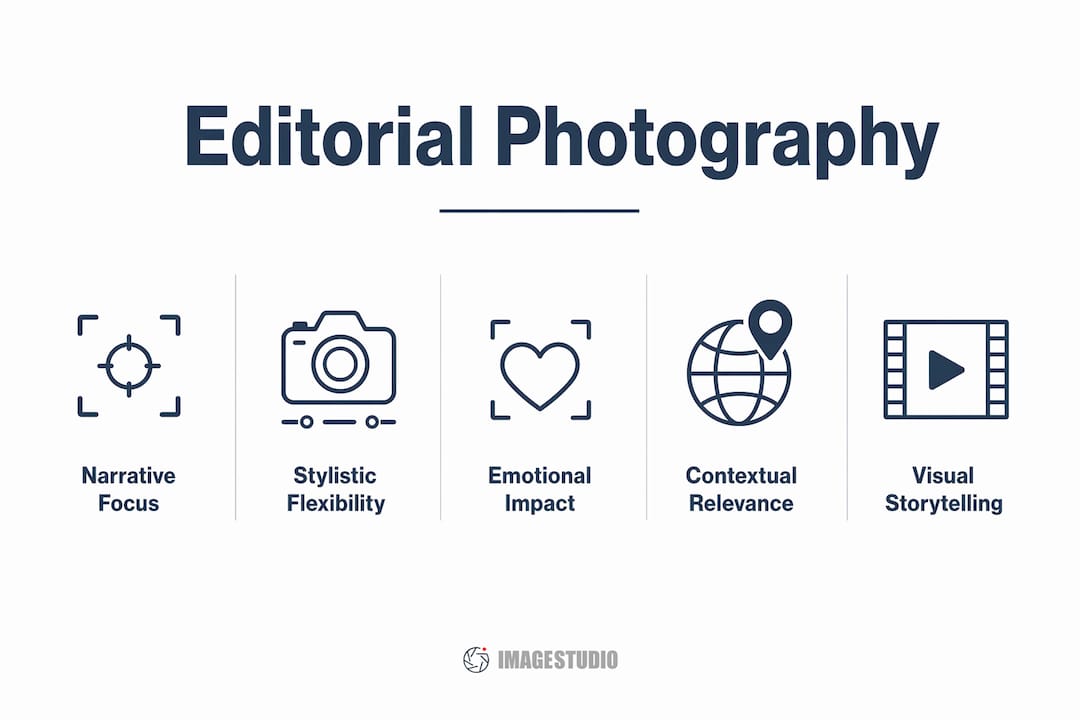
Editorial photography is a narrative-driven approach to image-making where composition, lighting, styling, and emotion work together to tell a story. Inspired by magazines, fashion publications, and cinematic storytelling, editorial imagery creates photographs that feel intentional, immersive, and visually distinctive.
Editorial photography style is defined as a narrative-driven approach to image-making where every compositional choice, lighting decision, and styling element exists to support a story rather than sell a product. The industry term you’ll encounter in publications like Vogue, National Geographic, and Time is simply “editorial photography,” and understanding it changes how you approach every shoot. Unlike commercial or stock work, editorial images support storytelling by illustrating context and meaning for accompanying text. This guide breaks down the definition, characteristics, techniques, and genres so you can shoot with genuine narrative intent.
What is editorial photography style, exactly?
Editorial photography style is a creative approach where images are built around a story’s needs rather than a preset visual formula. The defining purpose is narrative communication, not product promotion or generic aesthetics. A photograph becomes editorial primarily through its context: when it appears alongside editorial text in a magazine, newspaper, or online publication, it earns that label.
This is the most misunderstood aspect of the style. Many photographers chase a “moody editorial look” through film grain presets or desaturated tones, but editorial style derives from assignment context and image editing decisions rather than preset visual filters. A brightly lit, high-contrast image shot for a New York Times feature is just as editorial as a dark, cinematic frame from a Vogue Italia spread.
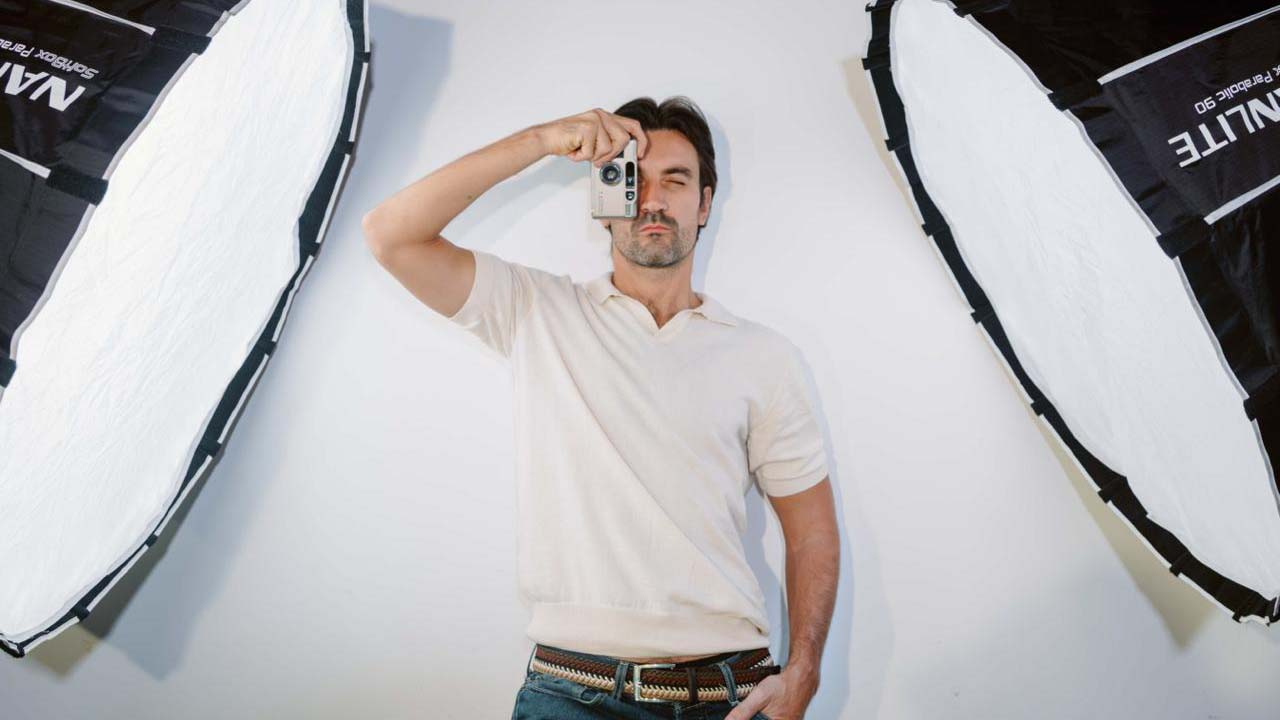
Editorial portrait of Dumitru Culiuc during a professional photography and film production studio session.
The practical implication is freeing. You are not locked into one visual signature. Your job is to read the story, understand the publication’s voice, and build images that make the text more powerful. That is the editorial photography definition in its most honest form.
How does editorial photography differ from commercial and documentary?
Understanding editorial style means knowing what it is not. These three photography types share technical skills but diverge completely in intent and execution.
Type
Primary Intent
Staging Level
Relationship to Text
Editorial
Support a story or narrative
Intentional but authentic
Directly tied to publication context
Commercial
Sell a product or brand
Highly controlled
Independent of editorial text
Documentary
Record real events
Minimal to none
May accompany journalism but captures reality
The distinction between editorial and commercial photography changes the entire creative approach. Editorial photography communicates narrative alongside text, while commercial photography drives sales. A fashion editorial for Harper’s Bazaar might feature a model in a specific dress, but the goal is to evoke a mood or tell a seasonal story, not to generate a direct purchase.
Documentary photography sits on the opposite end of the staging spectrum. It captures events as they unfold with minimal intervention. Editorial photography, by contrast, can be authentic or staged to varying degrees depending on story needs. The defining requirement is that images visually support the story’s mood and meaning.
Key distinctions at a glance:
Editorial gives photographers creative freedom to experiment with lighting, composition, and styling in service of a narrative
Commercial prioritizes brand guidelines, product visibility, and conversion-oriented aesthetics
Documentary prioritizes unmanipulated truth over visual polish or narrative framing
What are the core characteristics of editorial photography style?
Every strong editorial photo implies something beyond its literal subject, connecting to themes, ideas, or messages through styling, composition, and lighting. That layered meaning is the hallmark of the style. Here are the visual and conceptual elements that consistently define it:
Mood-driven composition. Framing, negative space, and depth of field are chosen to reinforce emotional tone, not just to capture a subject clearly.
Intentional styling. Clothing, props, color palette, and location create a visual language that supports the narrative before a single caption is read.
Authentic expression. Subjects feel real and present, even in staged scenarios. Forced or overly polished poses break the storytelling spell.
Lighting that serves the story. Harsh midday light might be perfect for a gritty urban feature; soft window light suits an intimate profile piece. Neither is inherently “more editorial.”
Consistency across a series. A single editorial image rarely stands alone. The full set must maintain visual coherence so the story reads as a unified experience.
Pro Tip:Before you pick up your camera, write one sentence describing the emotional feeling your images should leave with the reader. Every lighting and composition decision should serve that sentence.
There is no single fixed aesthetic in editorial photography. The style adapts entirely to story requirements. A travel editorial for Condé Nast Traveler demands wide, atmospheric establishing shots. A celebrity profile for Rolling Stone calls for intimate, character-revealing close-ups. Both are editorial. Both require the same underlying discipline: subordinating your personal visual preferences to the story’s needs.
How to shoot editorial photography: techniques and workflow
Shooting editorial photography well starts long before you touch a camera. The editorial workflow begins with researching the story’s angle, then planning shot types that address narrative requirements, balancing establishing shots with intimate character moments. Here is a practical sequence that works across genres:
Read the brief or story deeply. Understand the publication’s voice, the article’s argument, and the emotional arc the writer is building. Your images should feel like visual paragraphs from the same piece.
Plan a shot list by narrative function. Include establishing shots (context and location), mid-range character shots (relationship and action), and detail shots (props, textures, expressions). Think like a film director building a scene.
Scout locations with story logic. The background is not decoration. A peeling wall, a crowded market, or a spare white room each tells a different story about your subject.
Direct subjects toward authentic moments. Give people something to do or think about rather than just asking them to pose. A chef actually tasting food reads more truthfully than one holding a spoon for the camera.
Select images for narrative arc. Including captions and introductory text enhances storytelling impact. When editing your take, choose images that together build a sequence with a beginning, middle, and end.
Maintain stylistic consistency in post-processing. Color grading and retouching should serve the story’s mood, not showcase your editing skills.
Pro Tip:Shoot more than you think you need, but edit ruthlessly. The strongest editorial sets are often built from 8 to 12 images that each carry distinct narrative weight, not 50 similar frames.
Editorial photographers have creative freedom to experiment with style, lighting, and composition, but that freedom is always in service of the story. The moment your personal aesthetic overrides the narrative need, you have crossed from editorial into fine art. Both are valid. Only one serves a publication.
What are the main types of editorial photography?
Different editorial genres adapt style elements such as mood, styling, and composition to fit specific narrative goals. The table below maps how style shifts across the most common editorial photography types:
Genre
Typical Mood
Styling Approach
Key Narrative Goal
Fashion editorial
Aspirational, cinematic
Highly curated wardrobe and set design
Communicate a seasonal story or designer vision
Lifestyle editorial
Warm, relatable
Natural settings, candid-feeling moments
Show how real people live with products or ideas
Wedding editorial
Romantic, emotional
Intentional but authentic to the couple
Capture the story of a specific day and relationship
Travel editorial
Expansive, atmospheric
Minimal intervention, location-led
Transport the reader to a place and culture
Food editorial
Sensory, textural
Precise prop styling and lighting control
Evoke appetite and cultural context
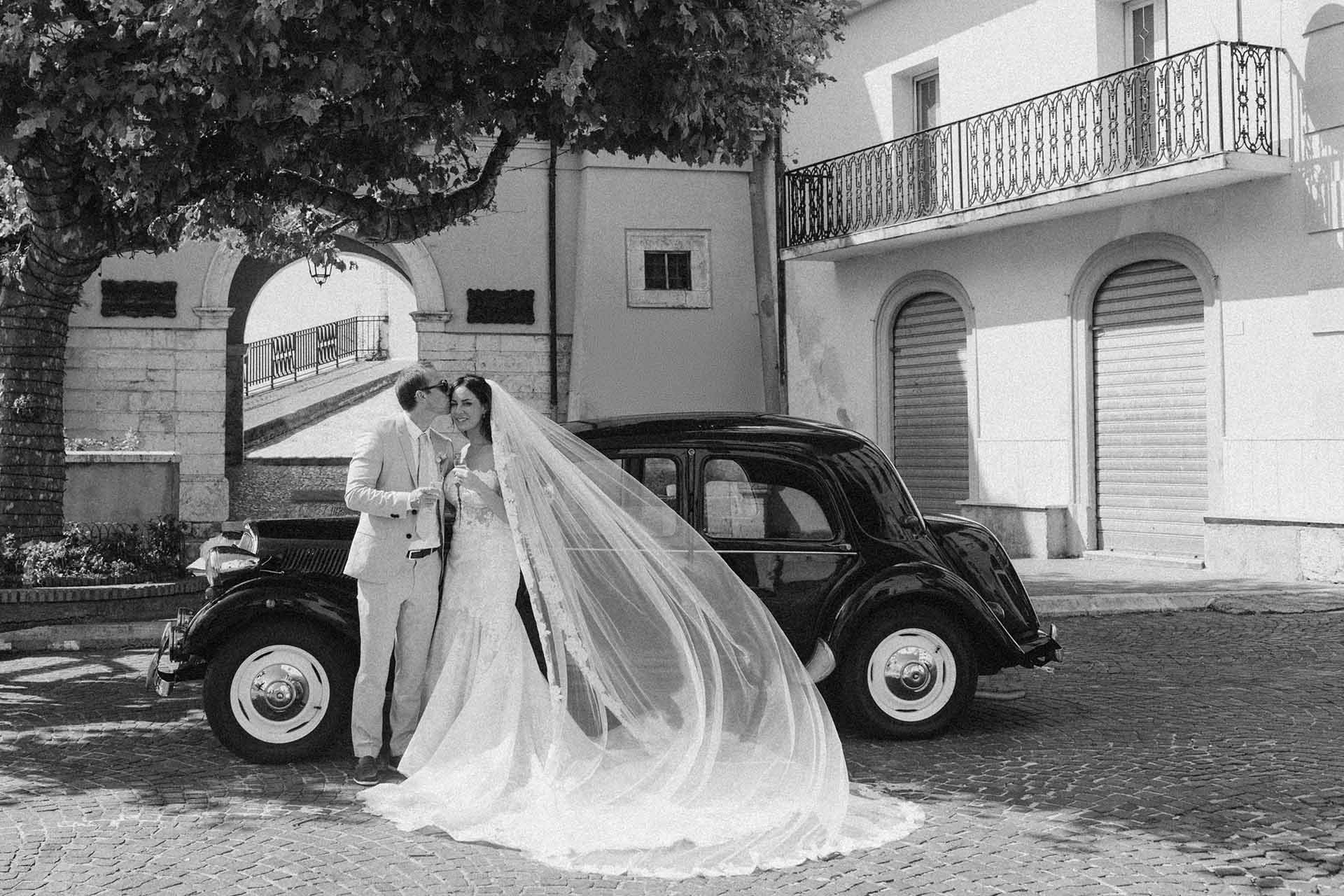
Wedding photography offers a particularly interesting case study. Loose editorial wedding photography is a hybrid style that blends the intention of editorial photography with the honesty of documentary, balancing artful styling with spontaneous moments. This reflects a broader cultural shift: audiences want both elegance and authenticity in their storytelling imagery, and the best editorial photographers deliver both simultaneously.
Fashion editorial sits at the most controlled end of the spectrum, with teams of stylists, art directors, and lighting technicians collaborating to build a precise visual world. Travel editorial sits at the opposite end, where the photographer’s job is to find and frame stories that already exist. Understanding where your genre falls on that spectrum shapes every decision you make on set.
Key takeaways
Editorial photography style is defined by storytelling context and narrative intent, not by a fixed visual aesthetic or preset filter.
Point
Details
Context defines editorial
Images become editorial through their use alongside publication text, not through a specific visual look.
Story drives every decision
Lighting, composition, and styling must serve the narrative, not personal aesthetic preferences.
No fixed aesthetic exists
Editorial style adapts across fashion, travel, food, and wedding genres with entirely different visual tones.
Workflow starts with research
Reading the brief and planning shot types by narrative function produces stronger, more purposeful images.
Authenticity is non-negotiable
Even staged editorial images must feel real and emotionally present to support the story effectively.
Why editorial style is harder than it looks
Here is something I have noticed after years of working on editorial projects: the photographers who struggle most with this style are often the most technically gifted ones. They have mastered light, composition, and post-processing, and that mastery becomes the obstacle. They shoot for the image rather than for the story.
The shift that changes everything is learning to ask “does this serve the narrative?” before asking “does this look great?” Those two questions produce very different images. A technically flawless portrait that contradicts the article’s emotional tone is a failure in editorial terms, even if it wins a photography award.
I have also seen photographers get tripped up by the misconception that editorial means a specific visual preset. Moody, desaturated, film-grain aesthetics are popular on social media, but they are not editorial photography. They are a personal style. Editorial photography is a function, not a filter. The sooner you internalize that distinction, the faster your work will resonate with editors and art directors.
One more thing worth saying: editorial work requires genuine humility. Your images exist to serve someone else’s story. That is not a limitation. It is a discipline that makes you a sharper, more intentional visual thinker across every type of photography you do.
— Image Studio
How Imagestudio brings editorial vision to life
Imagestudio has spent over 14 years developing the kind of narrative-driven visual sensibility that editorial photography demands. With 250+ projects and over 150 million views, the team understands that great editorial imagery starts with a deep read of the story and ends with images that make that story unforgettable.
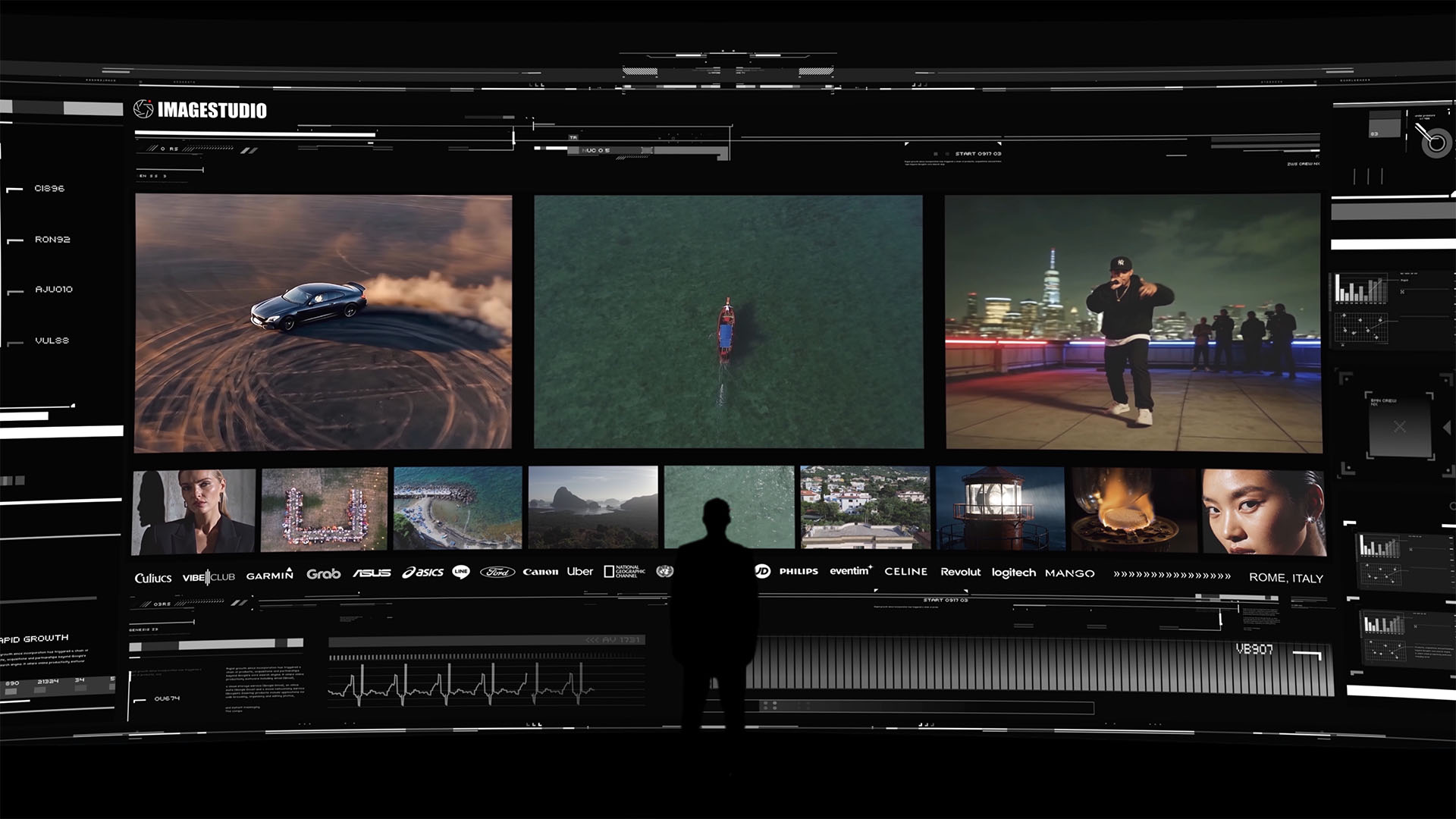
A high-end cinematic portfolio experience by Image Studio featuring automotive visuals, aerial cinematography, urban storytelling, and premium brand collaborations.
Whether you are working on a fashion spread, a cinematic wedding narrative, or a brand story that needs editorial depth, Imagestudio’s film production services bring together creative direction, lighting expertise, and post-production craft to deliver images that genuinely serve your narrative. For photographers and creators ready to push their editorial work further, explore Imagestudio’s editorial photography portfolio to see how storytelling intent translates into every frame. The team also collaborates with clients on luxury editorial wedding photography that balances authentic emotion with intentional visual curation.
FAQ
What is the editorial photography definition in simple terms?
Editorial photography is image-making that supports a story or written content in a publication, prioritizing narrative and mood over product promotion. The images are tailored to a specific assignment and publication context rather than designed for mass commercial use.
Is there a fixed look or aesthetic for editorial photography?
No. Editorial images become editorial through their use alongside editorial text, not through a preset visual formula. Style adapts entirely to the story’s requirements and the publication’s voice.
How does editorial photography differ from commercial photography?
Editorial photography communicates narrative alongside text, while commercial photography is designed to sell products or brands. The intent changes the entire approach, from styling and staging to composition and post-processing choices.
What are the main types of editorial photography?
The primary genres include fashion, lifestyle, wedding, travel, and food editorial photography. Each adapts mood, styling, and composition to fit its specific narrative goals and audience expectations.
How do I start shooting in an editorial style?
Begin with the story’s angle, plan shot types that address narrative requirements, and select images that build a coherent visual arc. Prioritize images that serve the story over images that showcase your personal technical style.