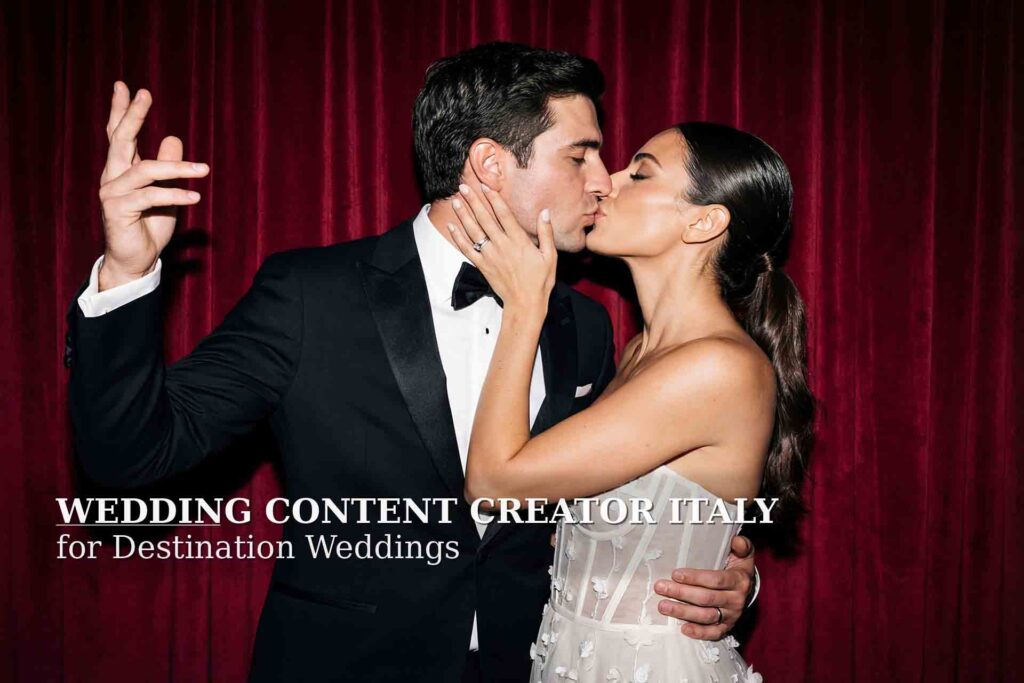
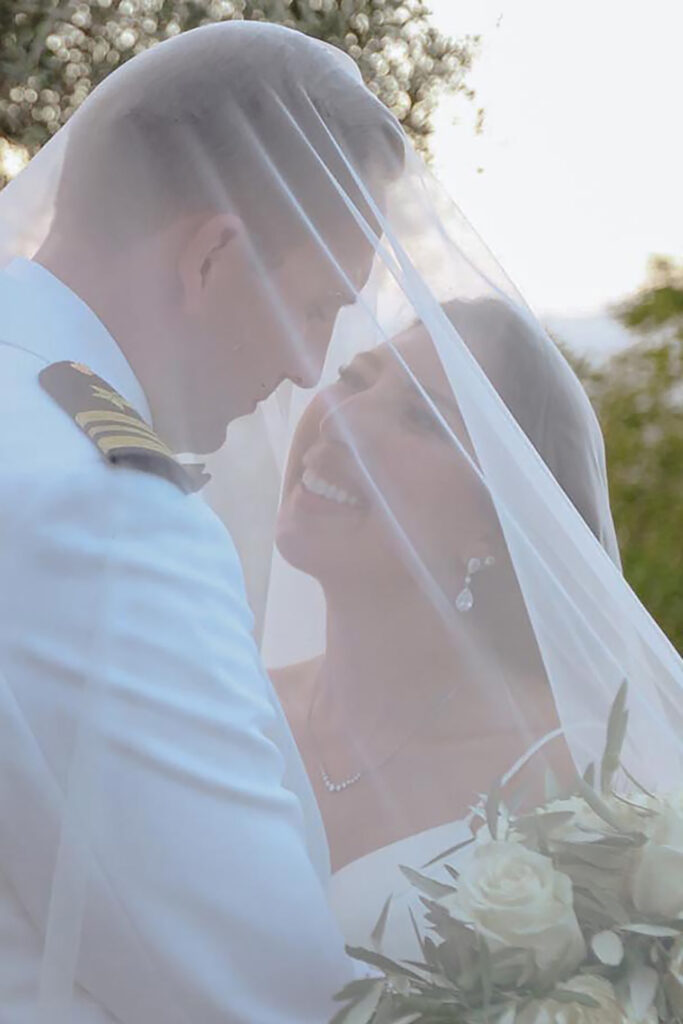
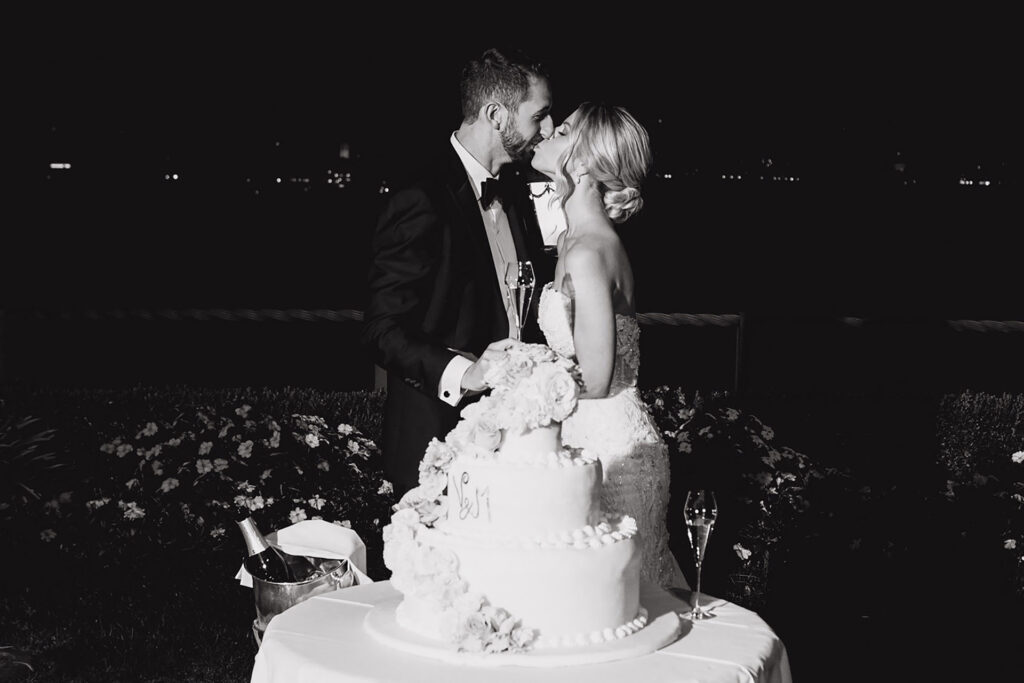
Why does the old money wedding aesthetic continue to endure? A deeper look at heritage, restraint, tailoring, hospitality and the details that make elegance feel timeless.
← Back to Editorial
← Back to Editorial
The Return of Timeless Elegance: Why Old Money Aesthetics Continue to Inspire Modern Weddings
August 27, 2026
IMAGE STUDIO · LUXURY CULTURE
A cultural and visual guide to the wedding aesthetic that borrows from heritage, restraint and permanence – without confusing taste with inherited wealth.
|
DIRECT ANSWER |
1. Why Timelessness Feels New Again
Wedding culture moves quickly. One season is defined by maximal florals, the next by minimalism; a colour becomes unavoidable, then disappears; a social-media format can make a visual language feel exhausted before many couples have even reached their wedding date. Against that acceleration, permanence has become desirable again.
The current fascination with the “old money” wedding aesthetic belongs to that reaction. The phrase may suggest private clubs, inherited estates and wardrobes without visible logos, but what couples are often responding to is more fundamental: environments and objects that appear to have existed before the wedding and will still make sense after it.
In The Knot’s look-back at weddings in 2024, 47% of Gen Z respondents expected the old money aesthetic to influence 2025 weddings, ahead of quiet luxury at 33%. By 2026, The Knot was still describing old-money wedding design as a social-media theme with unusual staying power because many of its components are rooted in classic rather than purely seasonal ideas.
|
KEY INSIGHT |
2. By the Numbers: The Cultural Scale of the Trend
|
47% |
33% |
3.8B |
13.4B |
|
Gen Z respondents expecting “old money” to influence 2025 weddings |
Gen Z respondents expecting “quiet luxury” to influence 2025 weddings |
Wedding-related searches on Pinterest in one year |
Wedding ideas saved globally on Pinterest in one year |
The first two figures come from The Knot’s 2024 wedding-industry look-back. The Pinterest figures come from its 2025 annual wedding trends report, which explicitly framed “timeless elegance” as part of the year’s wedding landscape. The numbers do not prove that one aesthetic should dominate. They show the scale of the cultural conversation couples are navigating.
|
GOOD TO KNOW |
3. “Old Money” Is a Flawed Name for a Useful Design Idea
The phrase deserves some distance. Old money literally refers to inherited wealth, and inherited wealth carries histories of class, access and exclusion. None of that is a prerequisite for an elegant wedding, and pretending otherwise turns design into social performance.
The useful part of the trend is therefore not the fantasy of belonging to an inherited elite. It is the visual grammar associated with continuity: objects that feel made rather than branded, architecture with history, clothing that relies on cut rather than logos, hospitality that feels practiced, and decoration that respects the room instead of trying to overpower it.
|
THE DETAIL |
4. Old Money, Quiet Luxury and Classic Elegance Are Not the Same Thing
|
Aesthetic |
Core idea |
Typical visual signals |
Main risk |
|
Old money |
Heritage and continuity |
Historic architecture, black tie, tailoring, inherited-looking objects, formal hospitality |
Becoming costume or class theatre |
|
Quiet luxury |
Discreet quality and restraint |
Neutral palette, exceptional materials, minimal branding, precise construction |
Becoming generic beige minimalism |
|
Classic elegance |
Proportion and enduring form |
Balanced rooms, formal dress, refined paper, controlled florals, timeless photography |
Becoming overly safe or impersonal |
|
Vintage |
Specific reference to the past |
Period objects, film texture, archival fashion, antique details |
Recreating an era instead of creating a wedding |
A wedding can use elements from all four without needing to declare a theme. In fact, the strongest celebrations often feel more coherent when the label disappears and only the underlying choices remain.
5. Why Historic Architecture Does More Than Decoration
Old-money imagery online often begins with the building: a lakeside villa, a European country house, a palazzo, a private garden, a stone staircase. That is not accidental. Historic architecture creates proportion before any florist arrives. Doorways, ceiling heights, axial gardens, symmetry, worn stone and mature trees give the event visual structure.
This is one reason Italy is such a natural setting for weddings built around timeless elegance. The architecture does not have to imitate heritage; it already carries it. Our guide to why Italy remains the world’s luxury wedding destination explains how history, landscape, hospitality and craftsmanship combine in a way that is difficult to manufacture elsewhere.
|
FIELD NOTE |
6. Italy’s Advantage: The Setting Can Carry the Aesthetic Without Performing It
Lake Como, Tuscany, Rome, Venice, Puglia and Sicily express elegance differently. A Lake Como villa may use symmetry, water and formal gardens. Tuscany can make stone, linen and long-table hospitality feel completely natural. A Roman palazzo can bring scale and ceremonial formality. A Puglian masseria can produce a quieter version built around material, food and landscape.
The common thread is that the setting already has a life beyond the wedding. That is what makes heritage feel convincing. The celebration enters an existing visual world instead of constructing one from props.
This is also why venue selection matters more than surface decoration. Before choosing based on photographs alone, use our buyer’s guide to choosing a wedding venue in Italy to test guest experience, weather backup, privacy, logistics and the way the venue actually operates.
7. Venue Before Decoration: The Most Important Old-Money Decision
A ballroom with excellent proportions can need less production than a blank space covered in expensive décor. A mature garden can feel richer than a newly installed floral wall. A private terrace with a meaningful view can do more than an elaborate temporary structure.
This is the practical side of timelessness: spend design energy where it changes the experience, not merely where it increases the amount of visible decoration.
|
Choose for |
Ask yourself |
|
Architecture |
Would the room still feel beautiful with half the decoration? |
|
Gardens |
Do they feel mature and connected to the property? |
|
Materials |
Are stone, wood, linen, metal and glass doing real visual work? |
|
Guest flow |
Can the celebration move naturally without constant resets? |
|
Plan B |
Does the indoor alternative preserve the same visual world? |
|
Privacy |
Can guests inhabit the property rather than feel like visitors passing through? |
8. Fashion: Tailoring Before Labels
The strongest old-money wedding fashion is rarely about making wealth legible. It is about silhouette, fabric, fit and context. Black tie works because it creates visual discipline. A beautifully cut dinner jacket, silk dress, structured coat or simple veil can photograph with extraordinary authority when the clothing responds to the place.
Logos and obvious status symbols usually weaken this effect because they date the image to a market moment. Tailoring, proportion and material are quieter, but they remain readable for much longer.
|
KEY INSIGHT |
9. The Table: Where Timeless Elegance Becomes Hospitality
One of the most convincing expressions of old-world elegance is not a fashion image at all. It is a table that feels prepared for people rather than photographed for content.
Linen with texture, well-scaled glassware, silver or metal with patina, candlelight, thoughtful place cards, good chairs and flowers that leave room for conversation can create more sophistication than a table filled until no surface remains visible.
The principle is simple: the table should still work as hospitality. Guests need to see one another, reach the glassware, hear the speeches and feel that the objects belong to the meal rather than to an installation.
|
THE DETAIL |
10. Florals: Garden Intelligence Instead of Floral Volume
The old-money aesthetic is often translated into white flowers and greenery, but colour is not the defining issue. The deeper idea is botanical plausibility: arrangements that feel connected to season, garden and architecture.
A restrained arrangement in a room with strong mouldings may look more luxurious than a dense installation hiding the same architecture. In a garden setting, locally appropriate foliage or flowers can create continuity between table and landscape.
This does not mean small or conservative. Dramatic florals can still feel timeless when the gesture belongs to the space and avoids relying on a single viral shape or colour formula.
11. Stationery and Paper: The Beauty of Things Made to Be Touched
Paper is one of the rare wedding elements guests experience privately. Weight, texture, typography, engraving, embossing, calligraphy and the restraint of the layout can make an invitation feel important without becoming loud.
The old-money cliché is the crest. The more thoughtful approach is to build a graphic language with meaning: perhaps a monogram derived from names, a drawing of the venue, a map, a family reference that is genuinely relevant, or typography that echoes the architecture without pretending to invent ancestry.
|
GOOD TO KNOW |
12. Arrival: Cars, Boats and the Difference Between Theatre and Prop
Vintage cars, wooden boats and classic limousines appear repeatedly in old-money wedding imagery because movement itself can become part of the visual story. The risk is using transport only as a prop for a photograph.
A better test is functional: does the boat actually move guests or the couple through Lake Como? Does the car create a meaningful transition from ceremony to reception? Does the object belong to the geography and timing? When it does, the image gains narrative credibility.
Our Bellagio visual guide shows how Lake Como photography becomes stronger when movement, streets, water and quieter hamlets are treated as a sequence rather than as isolated photo spots.
13. Photography: Timeless Does Not Mean Soft, Beige or Film-Like
A timeless wedding should not require every photograph to imitate an older camera. Film grain, black and white, flash, motion blur and softer colour can all be beautiful, but they are techniques, not guarantees of permanence.
What tends to age better is photographic judgement: clean composition, meaningful relationships, strong light, honest emotion and enough context to explain where the people were. Editorial portraits can give the celebration visual clarity; documentary photographs preserve the relationships and accidents that no moodboard can plan.
That balance is explored in Editorial or Documentary? Discovering the Photography Style That Reflects Your Story, where the real question is not which label is superior but when a moment should be shaped and when it should be left alone.
|
FIELD NOTE |
14. Film: Voices Make Heritage Personal
The visual language of heritage can become emotionally empty if it only records surfaces. Film adds something that an aesthetic cannot provide: voices, movement, pauses, laughter, music and the pace of the celebration.
A parent’s speech, the sound of footsteps through a stone corridor, a boat arriving, cutlery during dinner or the change in atmosphere after sunset can make a formal wedding feel lived rather than staged. That is why cinematic wedding film is especially valuable in celebrations that care about history and continuity.
For the deeper distinction between still and moving memory, read Why Cinematic Wedding Films Preserve What Photography Cannot.
15. Social Content: Immediate Does Not Have to Mean Disposable
An old-money-inspired celebration may look resistant to social media, but couples still experience weddings through phones, vertical video and next-day sharing. The solution is not to ignore that reality. It is to make the present-tense coverage respect the same visual world as the final photography and film.
A wedding content creator can document small, immediate moments without forcing the day into trends, transitions or performative clips. The strongest social content feels close to the event, not imposed on it.
Our Wedding Content Creator Italy guide explains how fast social-first storytelling can complement rather than duplicate the principal photography and film.
16. What Looks “Old Money” Online vs What Actually Ages Well
|
Internet shorthand |
What has greater staying power |
|
Champagne towers because they are trending |
A drinks ritual that suits the room and guest flow |
|
Vintage car parked only for portraits |
Transport that creates a real chapter in the day |
|
Invented crest everywhere |
A restrained graphic identity with actual meaning |
|
All-beige design |
A controlled palette responsive to season and architecture |
|
Luxury logos in photographs |
Tailoring, materials and objects that communicate quality without explanation |
|
Sepia or film filters on every frame |
A coherent photographic language built on light, composition and people |
|
Historic venue as a backdrop only |
A celebration designed around how the property is actually experienced |
17. The Most Common Ways the Aesthetic Goes Wrong
- Confusing expensive objects with good proportion.
- Adding heritage symbols that have no relationship to the couple or place.
- Using so many vintage props that the celebration becomes a themed set.
- Reducing quiet luxury to beige, cream and black without texture or personality.
- Designing every moment for photographs rather than for guests.
- Copying a celebrity wedding so closely that the couple disappears from the visual language.
- Using analog-looking photography as a filter rather than making deliberate images.
- Choosing a historic venue for aesthetics while ignoring access, weather, acoustics and guest comfort.
|
KEY INSIGHT |
18. A Timelessness Test Before You Approve a Design Decision
- Would we still like this if it stopped trending tomorrow?
- Does this choice belong to the venue, season or destination?
- Is the material itself beautiful, or are we relying on a brand name?
- Will guests experience this element, or is it only for the photograph?
- Does it make the room more coherent or simply more full?
- Is there a personal reason for including it?
- Will the photography need a filter to make it feel elegant?
- Does it make the wedding easier to experience or harder to manage?
- Could this element age gracefully even if tastes change?
- If we remove the word “old money,” do we still genuinely love it?
|
SAVE THIS |
19. Old Money Wedding Aesthetic: Quick Reference
|
QUESTION |
CONCISE ANSWER |
|
WHAT IS IT? |
A contemporary wedding aesthetic drawing on heritage, restraint, classic tailoring, formal hospitality and historic environments. |
|
WHAT MAKES IT TIMELESS? |
Proportion, material, craftsmanship, meaningful traditions and visual restraint — not the status label itself. |
|
BEST VENUES |
Historic villas, palazzi, estates, country houses and hotels with genuine architectural character. |
|
BEST FASHION APPROACH |
Tailoring, excellent fabric, clean silhouettes and formal dress without reliance on visible logos. |
|
BEST PHOTOGRAPHY APPROACH |
A flexible mix of refined portraits and documentary storytelling. |
|
MAIN RISK |
Turning design into costume, borrowed class identity or social-media imitation. |
|
ITALY ADVANTAGE |
Architecture, gardens, hospitality and cultural continuity already exist in the destination rather than needing to be manufactured. |
20. Frequently Asked Questions
What is an old money wedding aesthetic?
It is a modern wedding style inspired by visual codes associated with established wealth and heritage: historic architecture, formal dress, classic materials, restrained decoration, tailored fashion and traditional hospitality. The strongest version focuses on design principles rather than pretending to inherited status.
Is old money the same as quiet luxury?
No. Quiet luxury emphasises discreet quality, minimal branding and refined materials. Old money adds stronger references to heritage, tradition and social ritual. A wedding can borrow from both without following either label literally.
Will an old money wedding look dated?
It can if it relies heavily on current social-media shorthand. Historic architecture, good tailoring, thoughtful stationery, elegant tableware and relationship-centred photography are more likely to age well than a checklist of trending props.
What colours work for an old money wedding?
There is no required palette. Cream, black, navy, brown, green, burgundy and muted pastels are common, but colour should respond to venue, season, fashion and flowers. Timelessness comes from relationships between colours, not from choosing beige by default.
Which Italian destinations suit this aesthetic best?
Lake Como is especially strong for villas, water and formal gardens; Tuscany for estates and country hospitality; Rome and Florence for palazzi and historic urban architecture; Venice for immersive old-world atmosphere. Puglia and Sicily can create equally sophisticated but less formal interpretations.
Does a timeless wedding need black tie?
No. Black tie creates formal consistency and photographs beautifully, but timelessness can also come from excellent tailoring, coherent dress guidance and a celebration whose formality suits the venue.
Should we use vintage photography or Super 8?
Only if the medium genuinely appeals to you. Nostalgic photography and film formats can add texture, but they are not required. The most important thing is that the final archive preserves people, atmosphere and story rather than simply imitating the past.
How do we make the aesthetic feel personal?
Use details with real reasons behind them: family traditions, meaningful music, food connected to place, paper with personal references, a venue chosen for experience, and photography that prioritises relationships as much as style.
Can a modern wedding venue still feel timeless?
Yes. A modern property can feel timeless through proportion, materials, landscape, restraint and hospitality. Historic architecture is useful but not mandatory.
Is old money just another social-media trend?
The label is certainly trend-driven, but many of the components are not. Formal tailoring, heritage architecture, crafted paper, garden design and restrained hospitality predate social media. Those elements can survive even when the phrase itself fades.
21. Timeless Elegance Is Not About Looking Rich
The most compelling part of the old-money wedding aesthetic is also the easiest part to lose: nothing truly needs to prove itself.
A room with good proportions does not need to be filled. A well-cut suit does not need a visible logo. A meaningful speech does not need a cinematic performance. A photograph does not need to announce that it is timeless. It only needs to become more valuable as the years pass.
That is the version of timeless elegance worth keeping. Not the borrowed mythology of inherited wealth, but the discipline behind it: choose fewer things, choose them well, let the place contribute, protect hospitality, and create an archive centred on the people who were actually there.
If you are planning a destination celebration in Italy, explore Image Studio Weddings or start a conversation with Image Studio about photography, filmmaking and wedding content shaped around the atmosphere, architecture and story of your celebration.