How to Achieve Natural Wedding Photography in Italy
October 31, 2026
Want relaxed, authentic wedding photos in Italy? Here’s how to work with your photographer, plan your timeline, and create real moments for natural images.
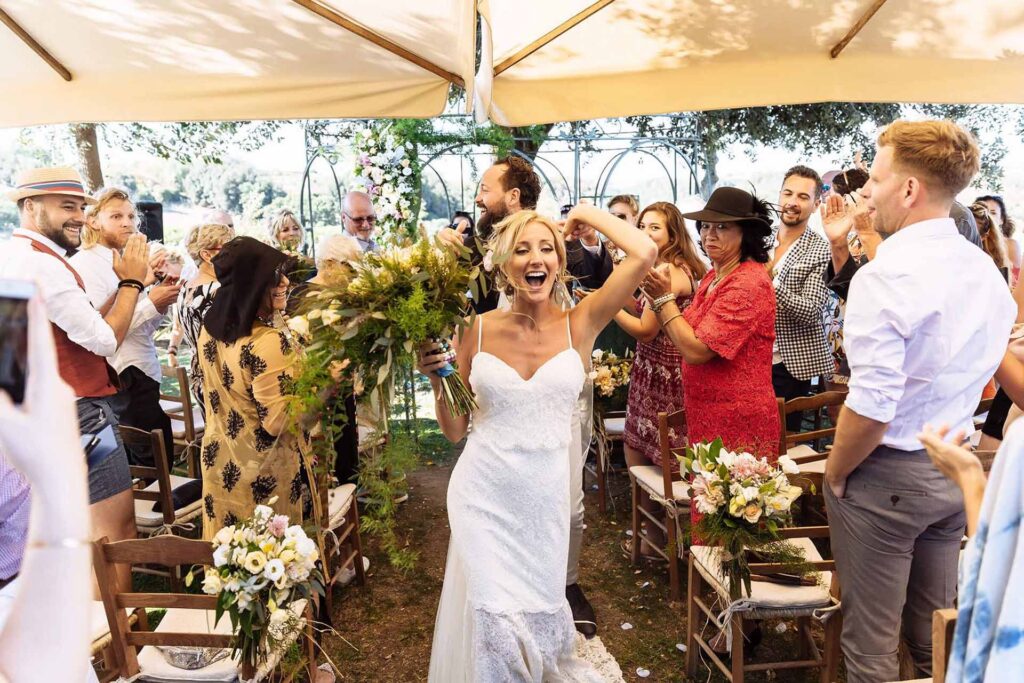
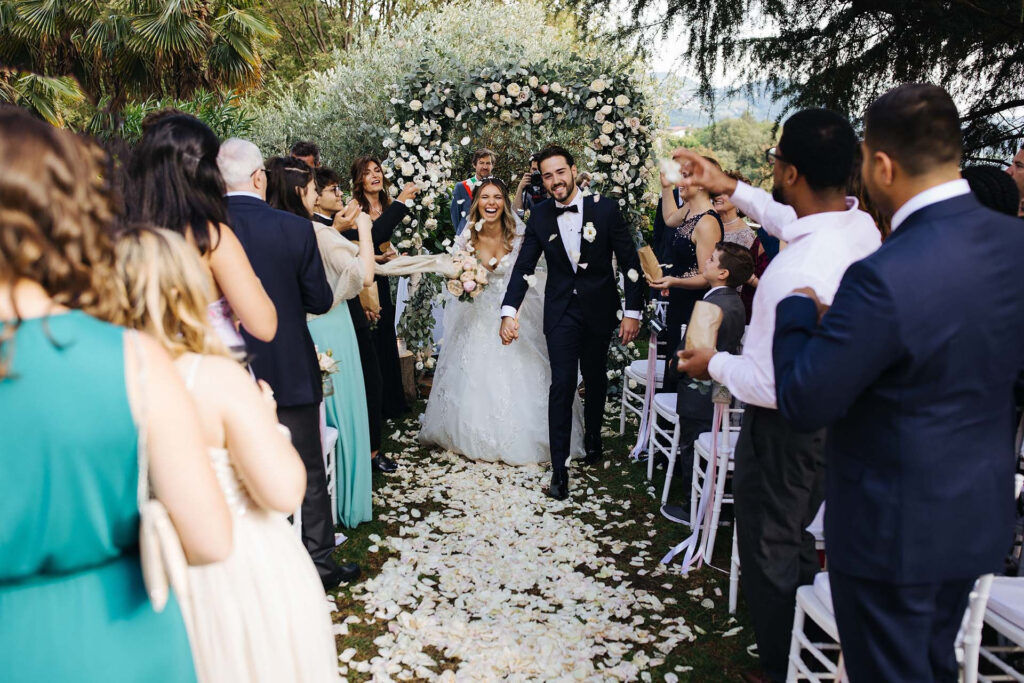
If you love the idea of wedding photos that feel genuine and relaxed, you’re not alone. More and more couples planning their wedding in Italy ask for images that capture real emotion and atmosphere, not just staged smiles. The best memories often happen in between the formalities, when you laugh with your partner under the olive trees, or when your friends pull you onto the dance floor. Natural wedding photography in Italy is about saving these honest moments, not just posing in front of a landmark.
But there’s more to it than just snapping candid shots. Over years photographing weddings across Florence, Venice, Lake Como, and the Tuscan countryside, I’ve found that truly natural images come from how you prepare, how you interact with your photographer, and how much you can let go on the day itself. It’s a mindset, not a filter. In this guide, I’ll share practical steps, real examples, and a few Italian-specific details, like when the light is best and what you need to know about church or public space rules. The aim is to help you get wedding photos that look and feel authentic, without stiff posing or forced smiles.
1. What Makes Wedding Photos Look Natural (and What Doesn’t)
Posed vs. Natural: A Quick Comparison
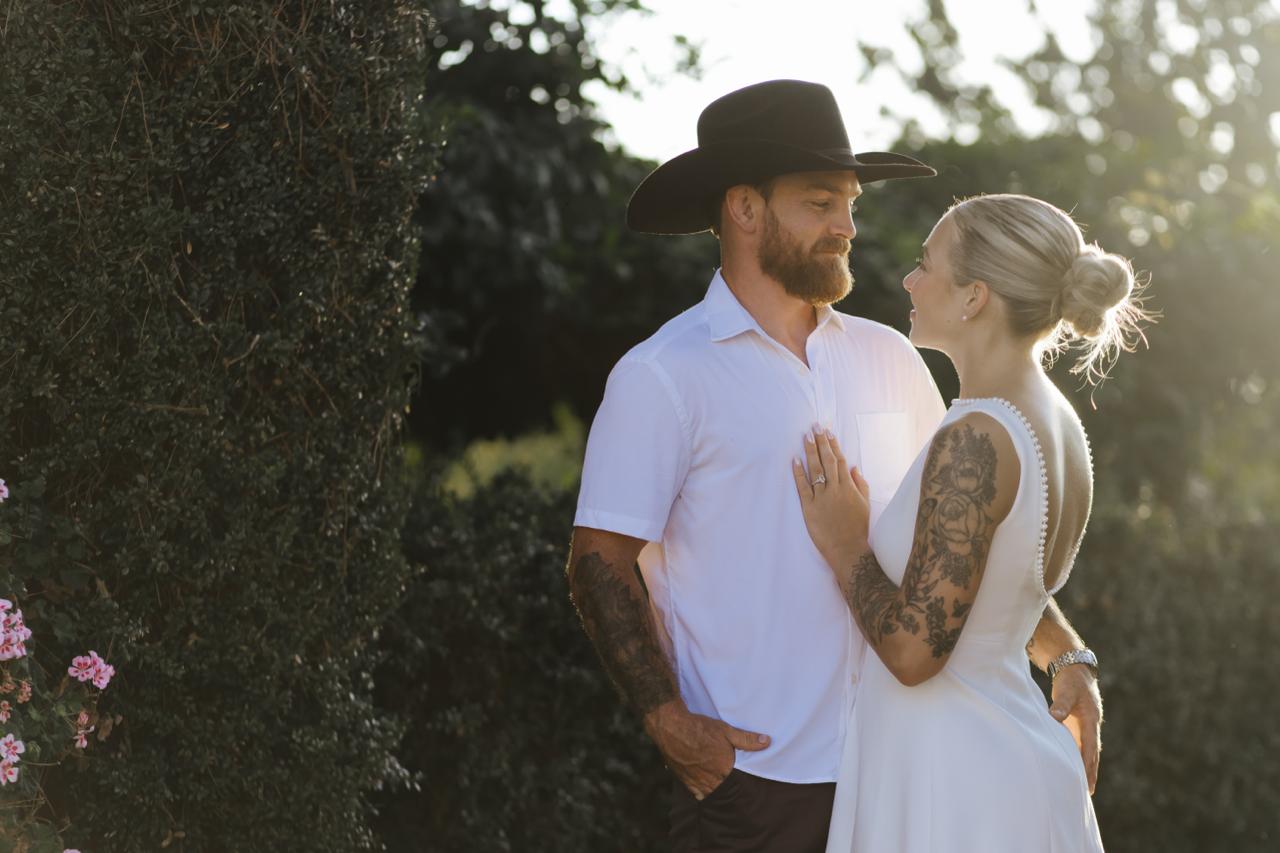
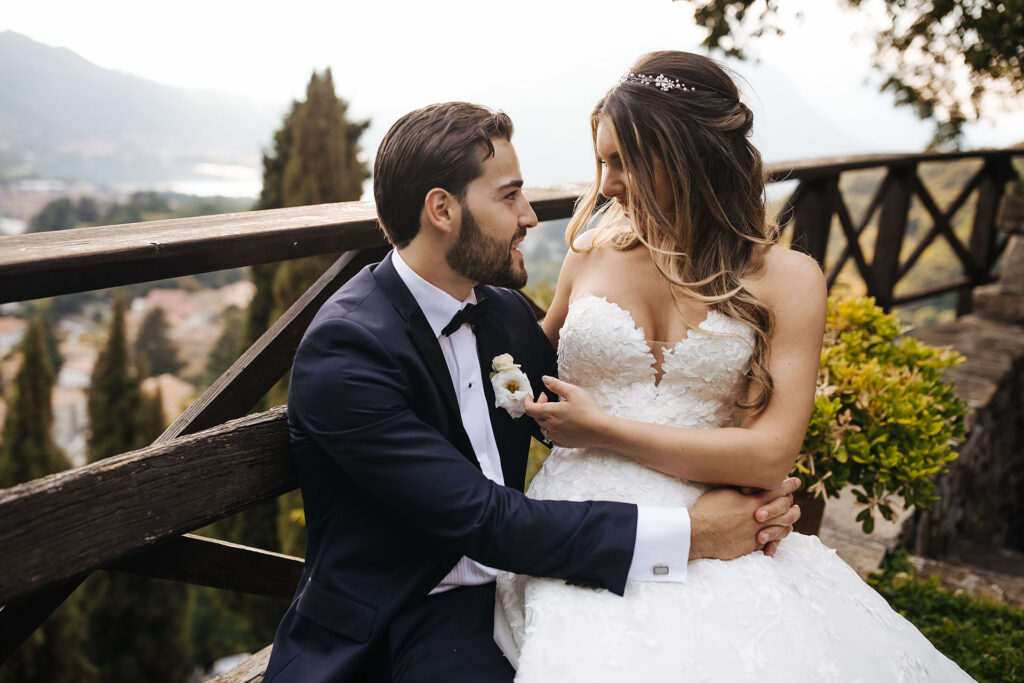
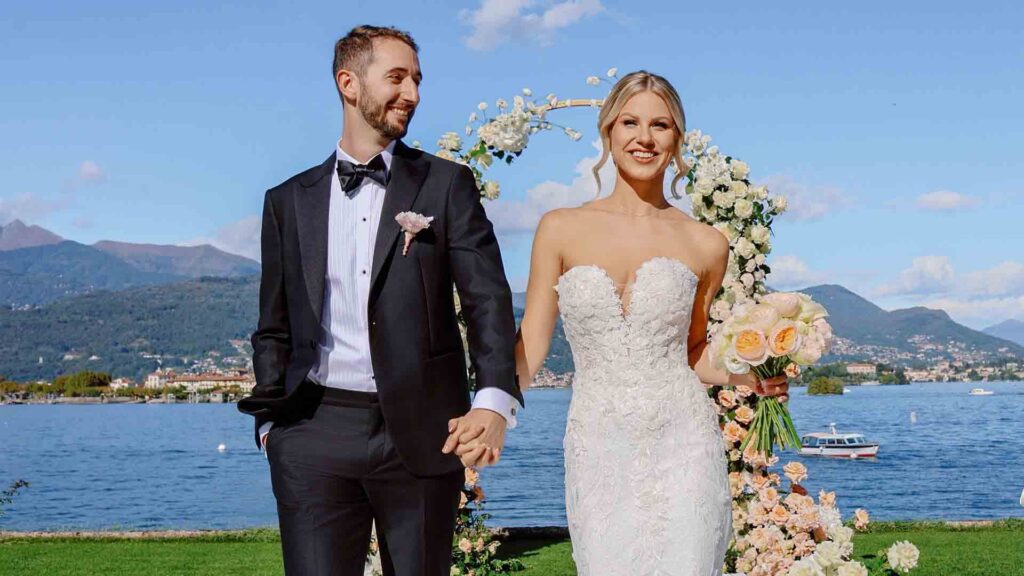
When you look at wedding photos, you can usually tell which ones are posed, everyone is lined up, looking at the camera, and smiling on cue. These images have their place, especially for family groups, but they often lack the warmth and unpredictability of real moments. A natural wedding photograph feels like you’ve captured a slice of life: maybe you’re laughing with your partner by the Arno in Florence, or wiping a tear during your vows in a quiet chapel. The difference isn’t just in what you’re doing, but how the scene is approached.
Candid photography is often confused with natural photography. Candid images are unplanned, snapped as things happen, but they can sometimes miss the emotion or context that makes an image feel alive. Natural wedding photography goes a step further, here, your photographer is actively looking for genuine emotion and interaction, gently guiding you into situations where you can relax and forget about the camera.
Stiffness creeps in when you’re too aware of being photographed, or when instructions are too rigid. Even an unposed photo can look awkward if you feel uncomfortable or disconnected. The key is to create space for real connection, letting you move, talk, and interact as you normally would.
Why Context and Emotion Matter
The setting plays a big role in natural wedding photography in Italy. Imagine the difference between a photo session squeezed into a crowded piazza at noon, and a quiet stroll through olive groves at sunset. Light in Italy is famous for its warmth, especially during golden hour, which usually falls about two and a half to three hours before sunset. This is when skin glows and the world feels softer, making it easier for you to relax and forget about the camera.
Emotion and context are the heart of natural imagery. A real laugh, a shared glance, or the swirl of a veil in a Tuscan breeze, these details tell your story. The best Italian locations, from Lake Como’s gardens to the alleys of Venice, invite movement and genuine reactions. When you’re present in the moment, with no pressure to perform, your photos look and feel true. That’s the difference you see in a natural wedding album.
2. How to Prepare for Natural Wedding Photography in Italy
Choose a photographer whose style feels honest to you. Look for portfolios that show movement, laughter, and quiet moments. Meet (even virtually) to see if you’re comfortable. Prices in Italy vary: for a 10-hour Saturday in 2025, most packages cost €2,000 to €3,000, but destination weddings can range from €3,500 up to €8,000 or more for a full day.
Share your vision early. Tell your photographer how you want to feel in your photos, relaxed, candid, joyful. Show examples if you have them. Be honest about insecurities or moments you care about most.
Plan your timeline with light in mind. The softest, most flattering light comes during golden hour, about 2.5 to 3 hours before sunset. Schedule your ceremony or portraits to catch this window.
Scout your locations in advance. If you dream of photos in a historic piazza or a lakeside garden, check if you need permits. In cities like Milan, requests for public spaces must be submitted through the GeoEventi portal at least 6 working days before.
Ask your church or venue about photography rules. Some Italian churches allow only silent cameras, no flash, and minimal movement. Knowing this in advance means your photographer can plan for genuine moments without breaking any rules.
Prepare your outfits and accessories. Choose clothing that lets you move naturally and feels like you. Avoid stiff fabrics or anything that needs constant adjustment. Bring backup shoes for walking on cobblestones or grass.
Get into the right mindset. Let go of trying to look perfect. Focus on being present with each other and your guests. Trust that real emotion photographs beautifully, better than any pose.
Share your schedule and important names with your photographer. Let them know about family dynamics, must-have shots, and any surprises planned for the day. This helps capture moments as they unfold.
Golden Hour Timing in Italy
In Florence, sunset is around 20:33 in May and 19:26 in September. Plan portraits to start about 40 minutes before sunset, so, 19:52 in May or 18:48 in September.
For the best golden hour photos, schedule your ceremony about 2.5 to 3 hours before sunset. This timing creates a relaxed flow and natural light for portraits and candid moments.
Location and Permit Checklist
For gardens, piazzas, and municipal spaces, secure any needed permits at least 6 working days ahead. For some city venues, allow 30 days.
Ask your ceremony venue about restrictions on photography (especially churches).
Walk through your locations at the time of day you plan to use them, if possible, to see how the light feels and where you can move freely.
If you prepare with intention, you give your photographer the freedom to focus on the real, unguarded moments that define natural wedding photography in Italy. At Image Studio, we guide couples through these steps for every celebration, making sure the process feels easy and honest.
3. Working With Your Photographer: Trust, Direction, and Letting Go
Natural wedding photography in Italy relies on a real sense of trust between you and your photographer. When you feel comfortable, you can let go of self-consciousness and interact with your partner and guests as you truly are. Trust starts long before the wedding day: share your story, your worries, and the moments you care about most. A good photographer will listen, ask questions, and make space for your personalities to come through.
From Awkward to Authentic: What Good Direction Looks Like
Natural photos do not mean you are left with no guidance. Instead, your photographer should offer gentle direction, not rigid posing. This might sound like “walk together and tell each other what you’re most excited for tonight” or “look at each other, not the camera.” The goal is movement and interaction, not holding a pose or forcing a smile.
When you are guided with prompts rather than strict poses, your expressions soften. You might laugh, relax your shoulders, or drift into a private conversation. These cues give you something to do, not just something to look like. In our experience at Image Studio, the best photos often come from these unscripted moments, when you are focused on each other, not the lens.
Your photographer should also know when to step back. Some of the most heartfelt moments happen in the spaces between: a quiet exchange before the ceremony, a family member offering a hand, or friends erupting in laughter at dinner. By allowing you and your guests to forget the camera, your photographer can capture the full range of emotions and connections that make your wedding truly yours.
Encourage your friends and family to treat the photographer as part of the celebration, not as a distraction. Remind them that real moments matter more than perfect posture. If you are planning a photo session or want to make time for golden hour portraits, discuss your timeline together. A well-planned schedule gives you space to be present and lets your photographer work with the natural light Italy is famous for. This guide to Plan a Wedding Photoshoot Timeline in Italy is a helpful place to start.
In the end, natural wedding photography is a shared effort. Trust, honest direction, and a willingness to let go will help you look back on photos that feel like real memories, not just staged moments.
4. Creating Real Moments: How to Forget the Camera on Your Wedding Day
Shift Your Mindset: Focus on Each Other, Not the Lens
The first step to looking natural in your wedding photos is to approach the day as a celebration, not a photoshoot. Remind yourself that this is your wedding, not a performance. If you feel the camera’s presence, try to bring your attention back to your partner or your guests. Notice the sounds, the light, and the scents of your surroundings. Allow yourself to feel the excitement and even the nerves, real emotion photographs beautifully.
Activities That Spark Real Emotion
The most relaxed and genuine wedding photos often happen during intentional moments, not just unplanned snapshots. Here are a few ideas you can build into your day:
First look: A private meeting before the ceremony lets you connect, laugh, or even cry together without an audience. This is a chance to react without holding back.
Private vows: Many couples in Italy choose to exchange vows in a quiet spot, away from the crowd. These few minutes can lead to some of the most sincere, natural photos.
Walking together: A simple stroll through a vineyard, a piazza, or along a lakeshore can help you forget the camera and focus on each other. Movement relieves stiffness.
If you’re worried about feeling self-conscious, give yourself permission to be a little silly or imperfect. Whisper a joke, spin your partner, or share a memory from your relationship. These personal touches bring out real smiles and natural interaction.
Include Your Guests: Make Group Photos Feel Natural
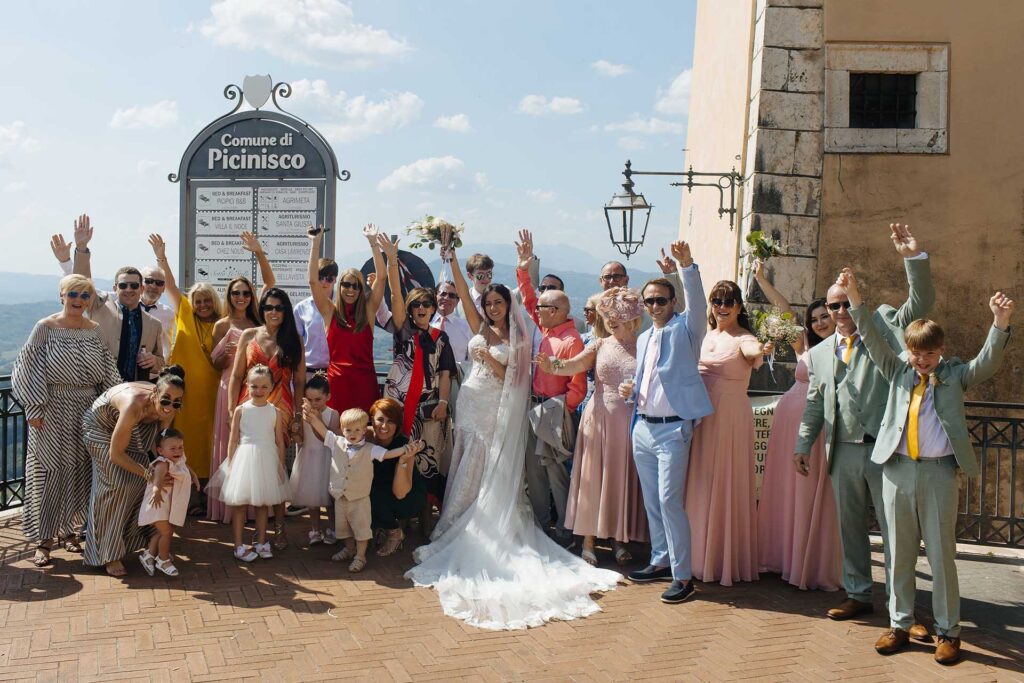
Group photos don’t have to be stiff. Instead of lining up, invite your guests to interact, talk, hug, clink glasses, or share a toast. Ask your photographer to capture moments when people aren’t looking straight at the camera. Sometimes the most memorable shots happen when everyone’s caught up in conversation or laughter.
Handling Nerves and Self-Consciousness
It’s normal to feel nervous or awkward, especially if you’re not used to being photographed. If you find yourself tensing up, take slow breaths and focus on the people you love. Trust your photographer’s guidance, and remember that the goal is not to look perfect, but to look like yourselves. For more tips, you can read How to Look Natural in Wedding Photos.
Above all, give yourself permission to be present. The camera is there to capture the story, not to dictate how you experience it.
5. Editing, Delivery, and What to Expect From Your Photos
Choosing the Right Editing Style
The editing style your photographer uses has a big impact on how natural your wedding photos will feel. Classic, natural editing keeps colors true to life, skin tones realistic, and details clear without heavy filters. If you prefer a look that is timeless and honest, ask your photographer to avoid trendy presets or excessive smoothing. For those drawn to a film-inspired or editorial finish, communicate this too, a gentle film grain or subtle color grading can still look authentic, as long as it doesn’t overpower the real mood of your day.
You might want to explore different examples to clarify your taste. Our guide on Wedding Photo Editing Styles: Natural, Film-Inspired, Editorial explains how each approach changes the atmosphere of your images. Sharing reference images with your photographer is helpful, but the key is to talk openly about what “natural” means for you, whether that is warm and glowy, soft and pastel, or crisp and true-to-life.
How Long Does Delivery Take?
After your wedding in Italy, a realistic delivery timeline for your edited photos is usually eight to twelve weeks, though it can be shorter for smaller weddings or off-season dates. Good editing takes time. Your photographer will sort through thousands of images, select the best moments, and refine them one by one. In most Italian packages, you can expect to receive between 600 to 1,000 edited images for a full-day wedding. For a shorter civil ceremony, or a two-hour session (common for Venice elopements), you’ll likely receive fewer, but still a generous selection.
Avoiding Over-Retouching and Artificial Effects
If you want to avoid heavy retouching, let your photographer know from the start. Clear communication is essential: mention that you do not want skin to look blurred, colors to feel unnatural, or backgrounds to be dramatically altered. A natural editing approach will keep your freckles, smile lines, and the true colors of your bouquet. This keeps your memories honest and helps you recognize yourselves in every photo.
Your next step is to gather a few favorite images and talk with your photographer about the editing style you love. If you have questions about natural editing or want to see how your wedding could look, reach out to Image Studio. We can walk you through the process and help you feel confident about how your memories will be preserved.
How much does natural wedding photography cost in Italy?
For a 10-hour Saturday wedding, most Italian photographers charge between €2,000 and €3,000, with an average of about €2,250. Destination weddings typically cost €3,500 to €8,000 for a full day, while top-tier photographers may charge €8,000 to €15,000 or more.
Can we get natural photos if our ceremony is in a church with restrictions?
Yes, you can still have natural photos even with church restrictions. Many Italian parishes limit flash and movement, so let your photographer know the rules in advance. A skilled photographer will plan for quiet, candid moments and work within these limits to capture genuine emotion.
What if we feel uncomfortable in front of the camera?
It is normal to feel a bit awkward at first. Focus on each other and the people you love, not the lens. Your photographer can guide you with gentle prompts rather than stiff poses, helping you relax and look natural in your photos.
Are permits always needed for outdoor photos in Italy?
Permits are often required for photography in public places like historic centers, parks, and municipal sites. For example, in Milan, you must request a permit through the GeoEventi portal at least 6 working days in advance, or 30 days for certain locations. Always check with your photographer and venue to avoid surprises.
How do we make group and family photos look less stiff?
Encourage your guests to interact, talk, hug, or share a toast during group photos. Ask your photographer to capture these moments rather than having everyone look straight at the camera. This approach creates images that feel lively and genuine.