How to Get Wedding Photos in Crowded Italian Cities
November 23, 2026
Learn how to get stunning wedding photos in busy Italian cities like Rome, Florence, and Venice. Practical timing, location, and creative tips from a local photographer.
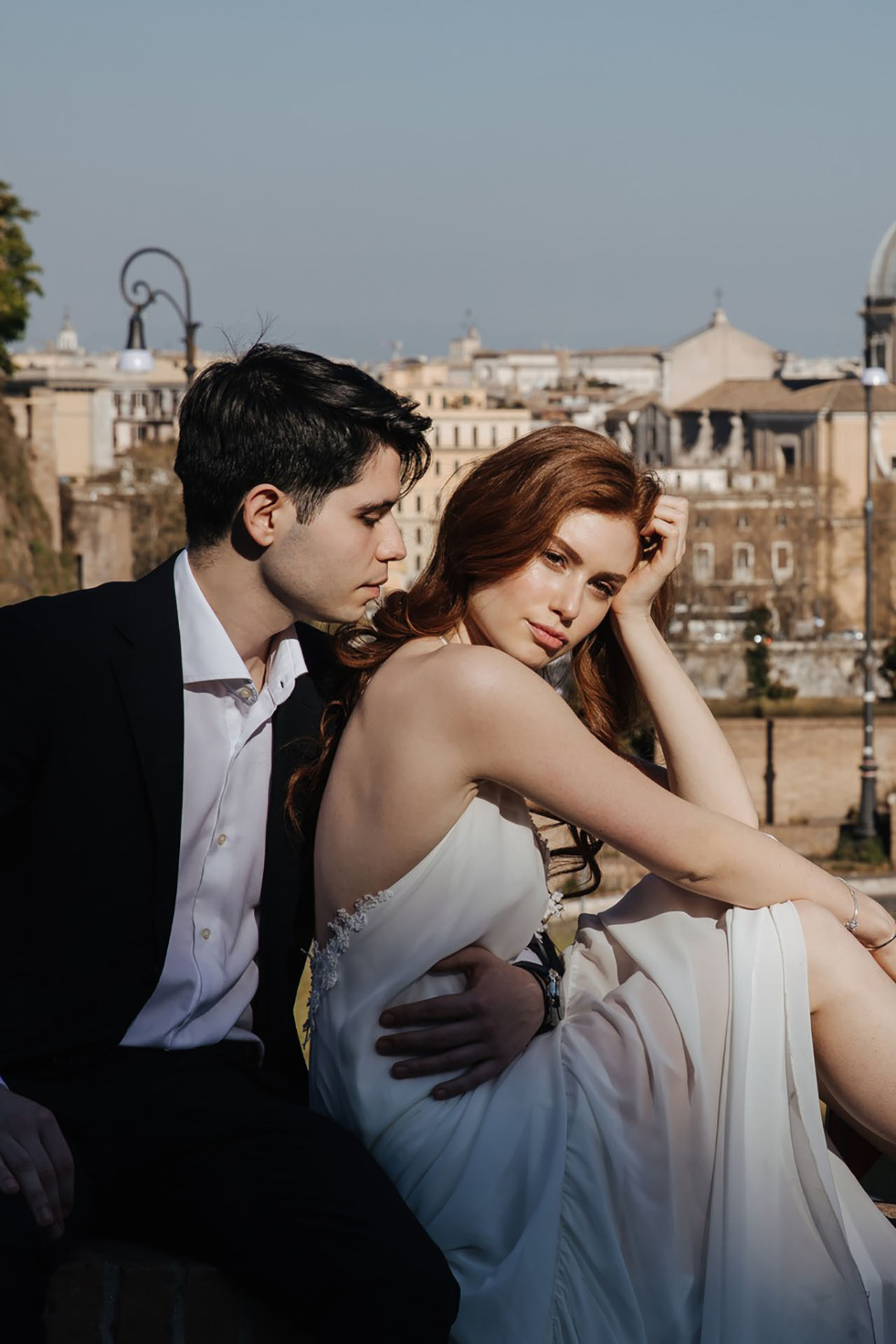
Picture yourself stepping into Piazza Navona at sunrise, the ochre stone glowing and the air still quiet. A few locals pass by, but the crowds have not yet arrived. This is a rare window: in cities like Rome, Florence, and Venice, the iconic scenery is almost always bustling with visitors. For couples planning wedding photos in crowded Italy, that beauty comes with real challenges, crowds, noise, and restrictions on where you can pose.
But you do not have to give up on your dream of elegant, intimate wedding portraits set against these famous backdrops. I have spent years photographing weddings in the busiest Italian cities and have learned exactly when and how to capture genuine moments without a sea of tourists in every frame. In this article, you’ll find practical, honest advice on timing, working with your photographer, and creative strategies that let you enjoy the magic of Italy’s most beloved places, even at their busiest. If you want wedding photos in crowded Italy that feel private and true to you, start here.
The Realities of Shooting in Crowded Italian Cities
When you picture wedding photos in Rome, Florence, or Venice, you might imagine quiet piazzas and empty bridges. In truth, these cities are rarely empty. They are magnets for visitors from dawn to late at night, especially near landmarks like the Trevi Fountain, Piazza Navona, or St. Mark’s Square. Even narrow streets fill up quickly with tour groups, vendors, and locals going about their day. This constant movement shapes every decision about how, where, and when your wedding portraits can happen.
Most couples are surprised by how early the crowds start. For example, in Rome, the Trevi Fountain is peaceful only during the first hour after sunrise, usually until about 8 a.m., before the first tour buses arrive. In Venice, St. Mark’s Square is only truly empty for a short window just before and after sunrise. By mid-morning, these places transform into a sea of selfie sticks and walking tours. What counts as ‘quiet’ in these cities is often a relative term: fewer people, not absolute solitude. Expect to share the space with early-rising locals, delivery drivers, or another couple quietly hoping for the same magic.
Understanding Local Rules
The charm of Italy’s historic cities comes with strict rules to protect monuments. For example, sitting on the edge of the Trevi Fountain or on monuments in St. Mark’s Square is forbidden. You will need to plan standing or walking poses, or use the steps and balustrades for a natural look. These restrictions are enforced by local police, and breaking them can bring your shoot to an abrupt halt. Your photographer must always be aware of the latest regulations and respectful of the sites, this is non-negotiable in places like Florence’s Duomo or the Spanish Steps in Rome.
Permits and Permissions
Professional wedding photography in city centers often requires official permission, especially if you plan to use a tripod, lighting, or have a larger crew. Venice, Florence, and Rome are especially strict: authorities are quick to intervene if they see a professional setup without the right authorizations. Applying for permits can take time and sometimes involves a fee. At Image Studio, we always check what is needed before each shoot and handle the paperwork, so you do not have to worry about being asked to move on or having your shoot interrupted. Planning ahead is essential to avoid disappointment and to make sure every moment you capture is truly yours.
Timing Is Everything: When to Shoot for Intimate Photos
Best Time of Day by Location
Location
Best Time for Photos
Notes
Trevi Fountain, Rome
First light to 8 a.m.
Almost empty only just after sunrise. Tour groups arrive by 8 a.m. Sitting on the fountain edge is forbidden: use steps or balustrade for photos.
Piazza Navona, Rome
Before 9 a.m.
Golden light on facades and relaxed atmosphere. For more privacy, move into nearby streets (Via della Pace).
St. Mark’s Square, Venice
20-30 minutes before sunrise, until about 45-60 minutes after
The only truly quiet window. Example: in June, meet at 5:15 a.m. No sitting on monuments. Standing and walking poses work best.
Venice Canals & Bridges
Sunrise or early evening
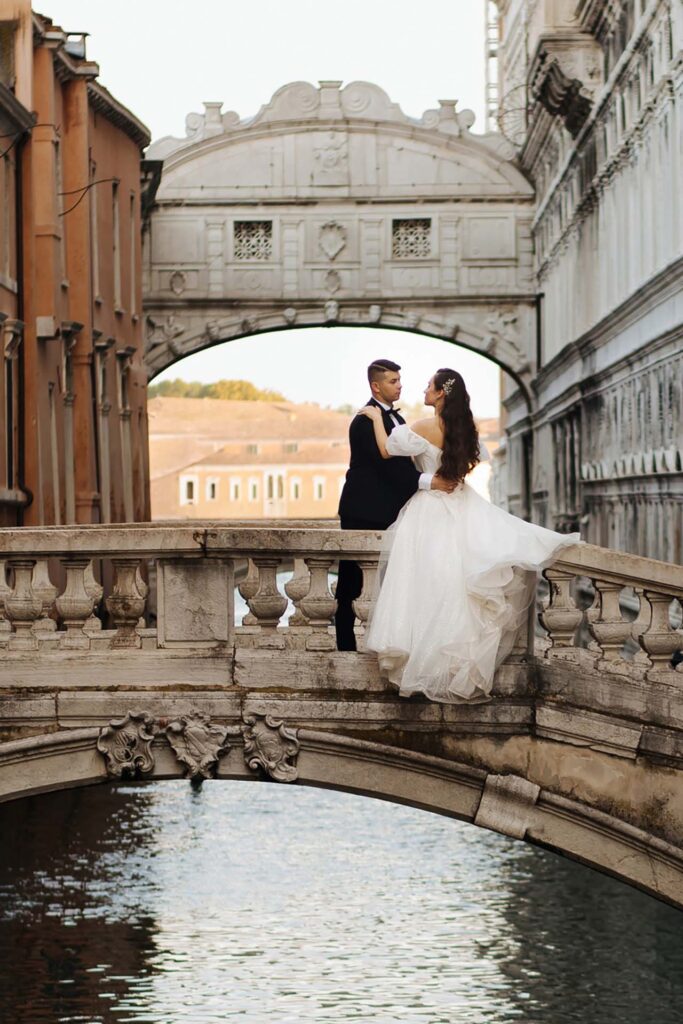
5 to 10 minute sessions in soft light. Dramatic portraits, fewer tourists, cinematic feel.
Florence (Duomo, Ponte Vecchio)
Early morning, before 8:30 a.m.
Light is gentle on stone, crowds are minimal. By mid-morning, tourist flow increases rapidly.
These early hours are when the city still feels like your own and the light is at its softest. The difference is immediate: even in the busiest places, you can find space for private, emotional portraits. At Image Studio, we often encourage couples to take a short walk just after dawn, pausing for 5 to 10 minutes at each key location. This focused approach makes the most of the quiet window without exhausting you.
Low sun all day. Soft, flattering light on stone and water. Great for intimate photos without crowds.
Spring & Autumn
Busier, but mornings still workable.
Sunrise and early morning best. Sunset times shift: Rome sunset in late March is around 18:30, in September about 19:15.
Summer
Most crowded. Early mornings essential.
Sunrise is early (around 5:45 in June for Rome). Evening light is lovely, but crowds linger. Sunset in Rome around 20:45-20:50, Lake Como past 21:15.
Always check the local sunrise and sunset times for your chosen city and season. Light and crowds change dramatically from north to south and month to month. Your photographer should help you plan the schedule around these details so you can enjoy both the privacy and the magic of your chosen city.
Working With Your Photographer: Planning and Communication
Building Your Photo Schedule
A smooth wedding photo experience in a busy Italian city starts with a realistic timeline. Work closely with your photographer to map out your day based on ceremony times, travel between locations, and the unique character of your city. If your ceremony is mid-morning but you want intimate shots at the Trevi Fountain or Piazza San Marco, plan a short session at sunrise or just after first light. In places like Rome or Venice, these early windows offer the only real chance for quiet and privacy.
For iconic landmarks, it is best to schedule several short, focused portrait sessions of 5 to 10 minutes each. This approach lets you capture dramatic light without needing to wait for crowds to move. In Venice, for example, you might meet your photographer 20 minutes before sunrise in St. Mark’s Square, take a handful of portraits, then move to quieter side streets as foot traffic builds. Your photographer should help you identify these time slots based on your location and the season: in summer, mornings start early and evenings stretch longer, while in winter, daylight is softer and crowds are fewer.
Always factor in walking time, possible street closures, and the need to get from one spot to another. If you have a tight ceremony schedule, consider taking portraits in the early morning on a different day. Many couples find this less stressful and often more enjoyable.
Backup Plans and Flexibility
Even with careful planning, crowds and events can throw surprises. That is why your route should include backup locations: quieter piazzas, narrow alleys, or shaded courtyards near your main spots. Discuss these alternatives with your photographer in advance. For example, if Piazza Navona fills up, the streets around Via della Pace offer charming, intimate backdrops.
Talk about permits and permissions early. In cities like Florence, Rome, or Venice, official authorizations are often required for professional shoots, especially if you use tripods or larger crews. Your photographer should handle these, but it is important you know what is possible and what is not, especially around famous sites where regulations are strict.
Share a short list of must-have shots, but trust your photographer to adapt. The best results come when you can quickly pivot, find hidden corners, and use unexpected light. Flexibility is your friend in a living, busy city. At Image Studio, we always recommend a pre-wedding call to run through your plan, check the latest rules, and make sure everyone knows where to go and when. This makes the experience relaxed and the photos natural, no matter how lively the city gets.
Creative Strategies: Using the Urban Environment to Your Advantage
Framing and Composition
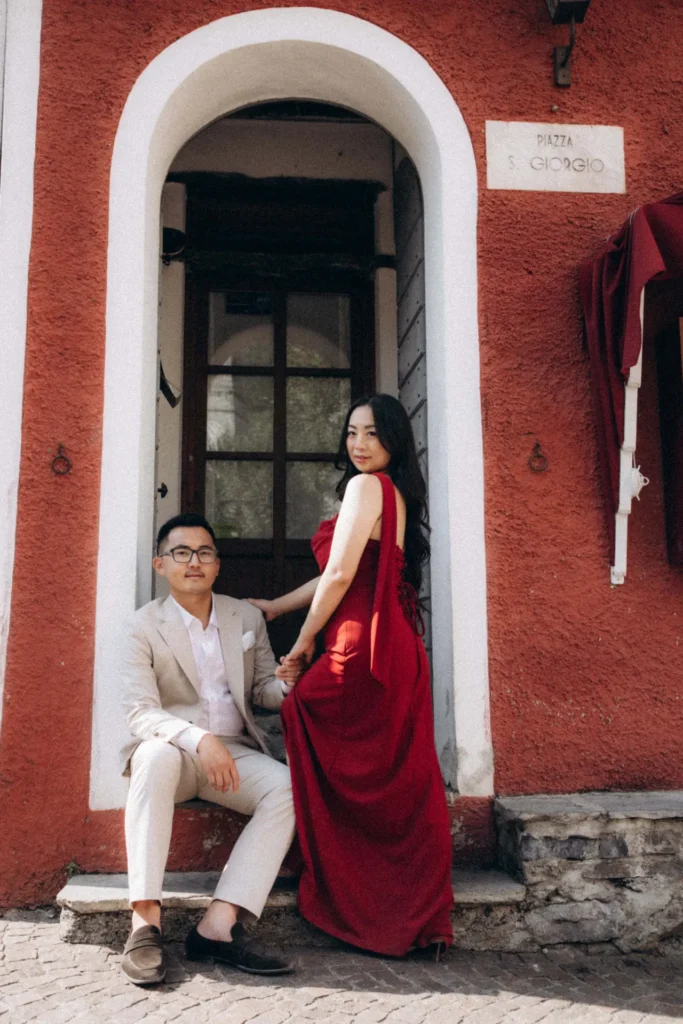
Crowded Italian cities offer a wealth of visual tools for intimate wedding portraits if you know how to look. Narrow side streets, especially in Rome and Florence, create natural frames that block out distractions and focus the viewer on you. A photographer can tuck you into an old stone doorway or beneath an arch, using the geometry to draw the eye to your expressions. Reflections in shop windows or puddles, common after a quick rain in Venice, double the drama and can give you a sense of privacy even on a busy square.
Venice’s bridges and winding alleys are perfect for this approach. Early morning light bouncing off canal water can turn a quiet passageway into a cinematic backdrop. In Rome, the ochre walls and textured steps around Via della Pace or Trastevere add warmth and depth. Your photographer might use a long lens to compress the scene, making the background softly blur, suddenly, a bustling street becomes a calm, romantic stage.
Making Crowds Work for You
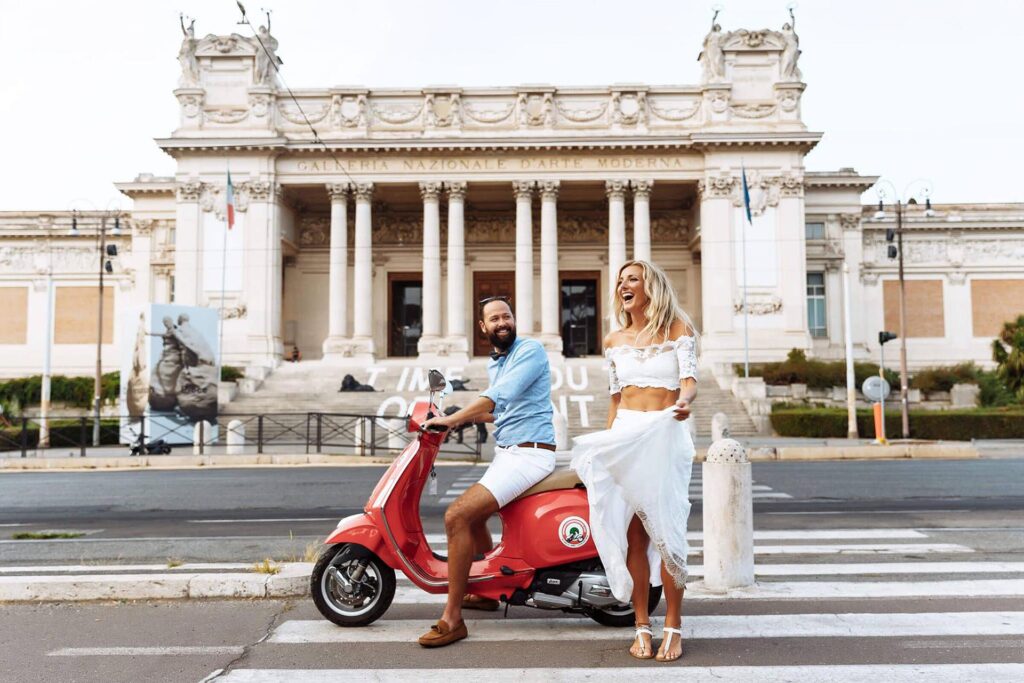
Sometimes, you will want the energy of the city in your photos. The key is to work with the movement rather than fight it. Posing as you walk together through Piazza Navona or along the Riva degli Schiavoni in Venice, you can let passersby blur into color and life around you. This technique, using slow shutter speeds, turns crowds into gentle motion, keeping the focus on you while capturing the city’s atmosphere.
If you want a sense of place, interact with the city: pause for a gelato, share a laugh on the steps of a tiny piazza, or exchange a glance as a local vendor sets up for the day. Even iconic spots like the Trevi Fountain have quieter corners or interesting backgrounds, your photographer will know when to pull back and show the scale, and when to zoom in tight for a stolen moment.
Alternatives to landmarks are worth seeking. A side street, an ornate door, or a quiet bridge may feel more “yours” than a crowded postcard view. These locations often need less waiting and allow for natural, spontaneous posing. If you are building your timeline, look at this guide on how to plan a wedding photoshoot timeline in Italy for ways to fit these creative stops into your day.
The best city wedding photos are not just about the landmarks. They are about how you move, connect, and experience Italy together, sometimes right in the middle of the bustle.
Practical Checklist: What to Expect and How to Prepare
Permits and Permissions:
Ask your photographer if a permit is needed for your chosen locations. In Venice, Rome, and Florence, official permission is often required if you plan to use a tripod, lighting, or have a film crew. Have confirmation in writing to avoid mid-shoot interruptions.
Timing Your Shoot:
Plan for the earliest possible start, before 8 a.m. at Trevi Fountain or 20 to 30 minutes before sunrise in St. Mark’s Square. Early mornings mean softer light and fewer interruptions.
Check the local sunrise and sunset times for your city and season. In midsummer, Rome sunsets after 20:45, so evening sessions are possible, but crowds may linger later than you expect.
If your schedule allows, consider a winter wedding (November to March) for much quieter city streets and flattering all-day light.
Outfit Choices:
Choose comfortable shoes for walking between locations, especially if your shoot involves cobblestones or bridges.
Avoid long trains or delicate fabrics that might catch on uneven paving or get dirty in wet weather.
Bring a second pair of shoes or a shawl for warmth if you are shooting early or in winter.
Transport Logistics:
Factor in travel time between locations. In historic centers, walking is usually fastest, as cars or taxis cannot access many streets. Ask your photographer for a practical walking route.
Have a backup transport plan if you are moving between distant sites or need to avoid sudden rain.
Costs and Realistic Expectations:
Photography prices vary by city. For a base idea, Rome averages around €1,662, Florence and Venice from €1,315 to €1,563, with higher rates for destination packages.
Expect shoot times to be brief at iconic spots: 5 to 10 minutes per location is typical during prime hours.
Stay Relaxed and Flexible:
Crowds, weather, or city events may require quick changes. Trust your photographer’s local experience and stay open to alternative spots. For fresh location ideas, see Rome wedding photo locations beyond the classics.
Bring water and snacks if shooting early or over several hours.
Backup Plans:
Decide in advance what you will do if a key spot is crowded or closed. Have a list of secondary locations nearby.
Carry umbrellas or a wrap for sudden weather changes, rain can add atmosphere to city shots if you are ready.
Your photographer will guide you through much of this, but being prepared helps you relax and enjoy the experience. If you want help mapping out a route, or need advice for a particular city, reach out to Image Studio for local insights and support.
Do we need a permit for wedding photos in every Italian city?
You do not need a permit everywhere, but in the historic centers of Venice, Florence, and Rome, you almost always need official permission if you use a tripod, lighting, or have a larger crew. Local authorities enforce these rules quickly, so it is important to check ahead and have your paperwork in order to avoid interruptions.
Can we get private photos at famous landmarks if we visit in the afternoon?
It is very difficult to get private photos at famous landmarks in the afternoon. Crowds are at their peak from late morning through the evening, so for quiet moments, you need to plan your shoot at sunrise or just after first light.
What happens if it rains during our scheduled shoot?
If it rains, your photographer will help you adapt. We look for covered spots like porticos, doorways, or arcades, and use reflections in puddles for creative shots. Sometimes, a light rain can add atmosphere, but having a backup indoor location or flexible timing is always wise.
How do we include family or group photos in crowded city locations?
For group photos, it is best to choose a quieter square or a less trafficked side street near your main location. Early morning is still the best time, and your photographer can suggest spots where your group will not be rushed or blocked by crowds.
Are there less-known spots in Rome, Florence, or Venice for quieter photos?
Yes, each city has beautiful, less-known corners. In Rome, streets around Via della Pace offer intimacy near Piazza Navona. Florence has narrow lanes behind the Duomo, and in Venice, quiet bridges and alleys just off St. Mark’s Square are perfect for private portraits.