How to Plan Wedding Photos with a Vintage Car in Italy
November 12, 2026
A photographer’s guide to planning and capturing wedding photos with a vintage car in Italy, from choosing the right car to styling and logistics.
Picture this: you and your partner driving through cypress-lined roads in a cherry-red Fiat 500, or stepping out of a vintage Jaguar beneath the colonnades of a Roman palazzo. Vintage cars bring a cinematic, timeless feel to wedding photos in Italy, turning fleeting moments into iconic images. For many couples, the car becomes more than just transport, it’s a part of the love story you’ll see in your album for years.
But planning wedding photos with a vintage car in Italy is about more than choosing a pretty vehicle. From permit rules in busy piazzas to the best time of day for that golden, dreamy light, there are details that can make or break your vision. As a photographer at Image Studio, I’ve watched couples navigate these steps, sometimes hitting snags that could have been avoided with a little guidance. In this article, I’ll break down everything you need: how to pick the right car, handle the logistics, style your shoot, and work with both your photographer and your rental provider for photos that feel as effortless as they look.
1. Choosing the Right Vintage Car for Your Italian Wedding Photos
Popular Vintage Car Models in Italy
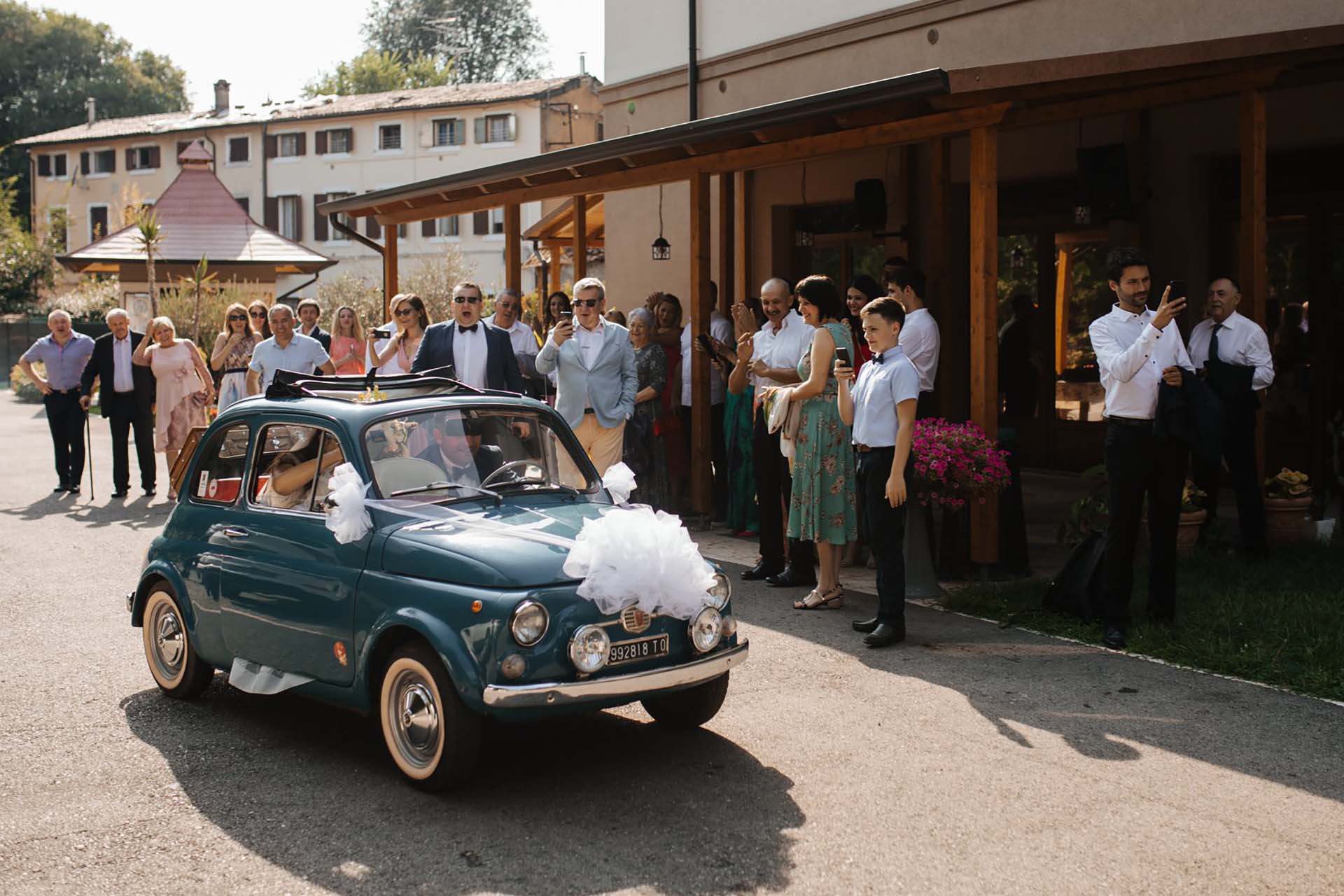
The first step is matching the car to your wedding’s setting and mood. In Italy, a Fiat 500 is a classic for rustic or playful weddings, especially in countryside venues or colorful towns. Its compact size fits narrow Tuscan lanes and cobbled streets, and it brings a joyful, retro energy to your photos.
If your vision is more about timeless elegance, look at models like the Jaguar or Rolls-Royce. These cars are favorites for weddings at Lake Como, Amalfi Coast villas, or grand city venues in Florence and Rome. A Rolls-Royce has a stately presence in front of a historic church or palazzo, while a Jaguar’s curves suit stylish city settings.
For beachside celebrations on the Costa Smeralda or Capri, a convertible (even a vintage Fiat 124 Spider or Alfa Romeo) lets you enjoy the sea breeze and captures that relaxed, Italian dolce vita spirit. Always consider the practical side: how many passengers the car seats. Most vintage models are two-seaters, so if you need a larger vehicle for bridal party transport, you’ll want to pair the vintage car with something else for group moves.
Rental Packages and What to Expect
Rental costs vary by car type, region, and how long you need the car. For example, a Fiat 500 in Milan might cost €190 for a one-hour shoot, €390 for a half-day, and €690 for a full-day with 100 km included. In Tuscany, expect to pay about €600 for a weekday vintage car service for two. At Lake Como or exclusive destinations, half-day packages for classic models range from €900 to €1 500.
Most packages include delivery and pick-up in a set zone, a chauffeur (who is often included for insurance reasons), and a certain mileage. If you want a rare model like a Rolls-Royce or Jaguar, prices can reach €800 to €2 500, especially for full-day exclusivity.
Booking in Italy’s popular regions and seasons (May to October, or at sites like Lake Como and the Amalfi Coast) means planning ahead, ideally 3 to 9 months before your date. This ensures you get the model you want and don’t miss out during peak demand. At Image Studio, we often help couples coordinate timing between car rental and photography, so everything aligns smoothly.
2. Planning Locations and Timing for Cinematic Results
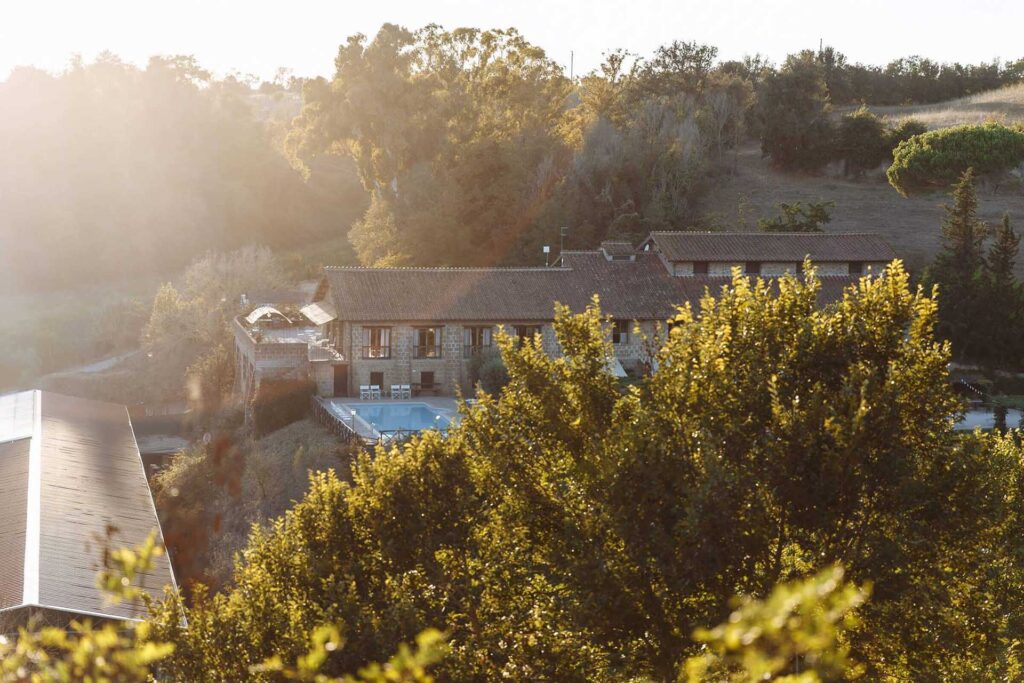
Choosing the right photo locations is crucial when you want your vintage car to be part of your Italian wedding photography. Some couples opt for private venues with gardens, olive groves, or internal courtyards. These settings offer more freedom: you avoid permit hassles and have control over the background, with the car as a centerpiece.
If you dream of photos in iconic piazzas, along cypress-lined Tuscan roads, or in front of heritage sites, you need to plan for permits. In Italy, any shoot that blocks or occupies public space requires an “Occupazione di Suolo Pubblico” permit. This is true whether you’re at the edge of Lake Como, circling the Colosseum in Rome, or parking along the Amalfi Coast. If you want to close a road or restrict traffic, additional authorizations are required. Most permit applications need at least 7 days, but at high-profile or heritage sites, plan for three weeks or more, especially in summer.
Permit Checklist for Public Locations
Check if your chosen spot is public or private property.
Apply for a “Occupazione di Suolo Pubblico” permit if needed.
For road closures or traffic control, request separate authorizations.
Start permit applications at least 7 days in advance, or three weeks for heritage sites or during peak season.
Confirm with your car provider about access and parking rules on site.
Timing is everything for cinematic light. The “golden hour” delivers soft, warm light that flatters both people and classic cars. In Tuscany’s inland hills, golden hour lasts about forty minutes before sunset. On lakes like Como, the sun dips behind mountains earlier, so you need to adjust your timing. If your ceremony is late in the day, consider taking a short break for these portraits or planning a first look earlier. Factor in car logistics: the time it takes to move between venues, local traffic, and parking. Allow extra minutes in busy towns or if your route includes winding rural roads.
Golden Hour Timing Table by Region
Region
Typical Golden Hour
Notes
Tuscany (inland)
40 minutes before sunset
Rolling hills, long light, ideal for cypress road shots
Lake Como
60 to 90 minutes before sunset
Sun dips behind ridges, so start earlier
Rome
40 to 50 minutes before sunset
Urban settings, check for building shadows
Amalfi Coast
Varies, often 70 minutes before sunset
Cliffs and sea views, sun sets behind coastline
Build your photo timeline around these light windows and allow for the car’s travel needs. If you are considering several locations in one day, you can find more tips in our guide to wedding photos in multiple Italian locations. Working closely with your photographer and car provider, you can create a schedule that gives you both iconic scenery and a relaxed experience with your vintage car.
3. Styling Tips: Outfits, Decor, and Details That Photograph Well
Outfit and Car Color Pairings
Match the mood and the era: Find out the model and color of your vintage car before choosing your wedding looks. A cream Alfa Romeo Spider calls for lighter, romantic fabrics like lace, chiffon, or linen suits. For a bright red Fiat 500, bold accessories or a classic-cut dress work well.
Stick to a limited palette: If your car is pastel blue or green, soft whites, blush, or muted tones in your outfits will photograph best. With a black or navy car, ivory, champagne, or metallic details create a timeless contrast.
Choose accessories with care: Vintage-inspired sunglasses, a silk scarf, or a pocket square can nod to the car’s era without overpowering your look. Avoid loud patterns or oversized jewelry that may compete with the car’s lines.
Dress for comfort and ease: Heels can be challenging on cobblestones or while stepping out of a low car. Consider a second, lower shoe for driving or photos around the car. Dress length matters too: tea-length or dresses with a bustle are easier to manage than long trains in tight spaces.
Plan your entry and exit: Practice getting in and out of the car in your chosen dress or suit. Classic cars often have smaller doors and lower seats. If your dress is fitted or has a lot of fabric, gather it at your knees and sit before swinging your legs in.
Decor Do’s and Don’ts
Keep decor minimal: Vintage cars in Italy have strong character on their own. A simple ribbon, small floral cluster on the mirrors, or a “Just Married” sign in tasteful script is often enough. Too many props or oversized bouquets can look cluttered and distract from both you and the car.
Choose flowers that fit the car’s style: Wildflower bunches suit rustic Fiats, while elegant roses or peonies look great on luxury Jaguars or Rolls-Royces. Always secure arrangements well, especially if you will be driving with the top down.
Be careful with signage: Subtlety is key. A hand-lettered plaque or a small banner works best. Large hanging signs, cans, or balloons can obstruct details and make the photos look busy.
Less is more with props: If you want to bring extras (like hats, vintage suitcases, or champagne), limit them to one or two items. Too many accessories can overwhelm the frame and distract from your connection and the car’s shape.
Think about the light: Metallic details, glass vases, or mirrors can create glare in strong sun. Ask your photographer for tips or check our guide on the best time of day for wedding photos in Italy.
4. Coordinating with Your Photographer and Car Provider
Essential Questions to Ask Your Car Provider
Set up a pre-wedding call with both your photographer and the car provider.
This meeting is your chance to clarify details, prevent misunderstandings, and confirm timing. Discuss where the car will be delivered, who will drive, and how long it will be available for photos. In tourist hotspots or city centers, double-check access rules and parking.
Ask about cleaning and preparation.
Request that the car arrives washed, with interiors dusted and windows spotless. This may sound basic, but fingerprints or a water-spotted bonnet will show up in close-ups.
Plan for weather and backup routes.
If rain is possible, will the car have umbrellas or covers? On hot days, does it have working air conditioning or shade for waiting? For remote venues, confirm the car’s road clearance and fuel range.
Clarify timing and flexibility.
Will your rental allow for spontaneous stops or detours if the light or location is perfect? Some providers limit driving to pre-approved routes, especially with rare models.
Photographer’s Shot List for Vintage Car Moments
Share your vision and must-have images in advance.
Tell your photographer what matters most: a grand arrival, a quiet roadside moment, or playful shots with the car’s details. Bring reference images if you have them. If you’re still deciding on clothing, see our guide on choosing outfits for engagement or wedding photos.
Trust your photographer to direct movement for natural moments.
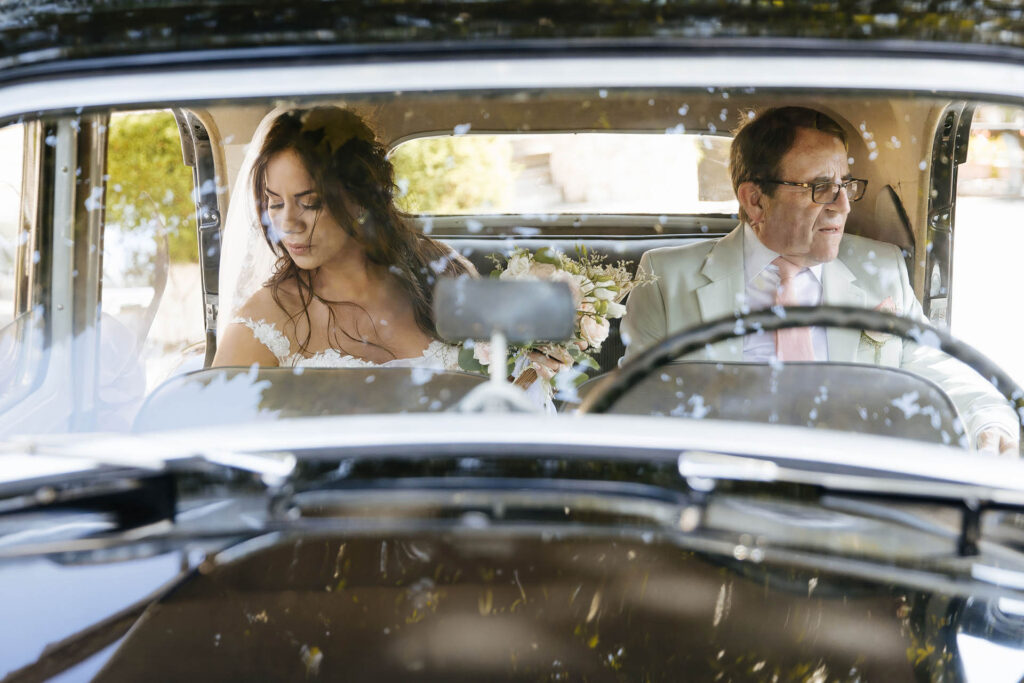
The best images often happen when you are not looking at the camera. Let your photographer cue you: walking to the car, helping each other into the seats, adjusting a hat, or sharing a laugh as you drive away. A good director will work with the car’s lines and the light to compose frames that feel cinematic and unforced.
Double-check logistics on the day.
Before the shoot begins, look over the car for last-minute marks or items left inside. Confirm the route and backup plan for traffic or weather. A quick team huddle, photographer, driver, and you, keeps everyone in sync and ready for the unexpected.
With the right preparation and communication, your vintage car becomes more than just a stylish prop: it helps tell your story, with every detail thoughtfully woven into the Italian backdrop. At Image Studio, we always recommend these steps for a smooth, joyful experience.
5. Troubleshooting: Permits, Weather, and Last-Minute Hiccups
Plan B Locations for Every Region
Even with careful planning, getting the right permit for a vintage car photo shoot in Italy can fall through, especially if you need to shoot in a busy piazza or historic street. If the “Occupazione di Suolo Pubblico” is delayed or denied, shift focus to private spaces. Many venues in Tuscany, the Amalfi Coast, or around Lake Como have scenic driveways or gardens where you can stage the car with no permit needed. Rural roads, villa courtyards, and even gravel paths lined with cypress or olive trees make beautiful, legal alternatives. When shooting in cities like Rome or Florence, ask your venue about any private courtyards or even covered car parks with character. In a pinch, a tree-lined driveway or the archway at the entrance can frame the car just as elegantly as a city square.
Private venue driveways or gardens
Country lanes or vineyard access roads
Secluded villa courtyards
Underused rural roads (with owner’s permission)
Covered spaces for rain or strong sun
Weather-Proofing Your Car Shoot
Italian weather can change quickly, especially in spring and autumn. If rain threatens or arrives, keep your timeline flexible. Most car providers allow some wiggle room for delays, especially with half-day rentals. Your photographer can scout indoor or covered options: stone porticos, loggias, or even the car’s interior with umbrellas. If the car is late due to traffic or mechanical issues, use the extra time for indoor couple portraits or candid moments with your guests.
For last-minute styling, keep an emergency kit ready: stain wipes, lint rollers, a small towel for drying off seats, and a compact mirror for touch-ups. A soft cloth for dusting the car’s paint or chrome is invaluable, especially after rain or a country drive.
Pack stain wipes and a lint roller
Bring a clean towel for seats and surfaces
Carry a small mirror and makeup for touch-ups
Have an umbrella that matches your style for rain shots
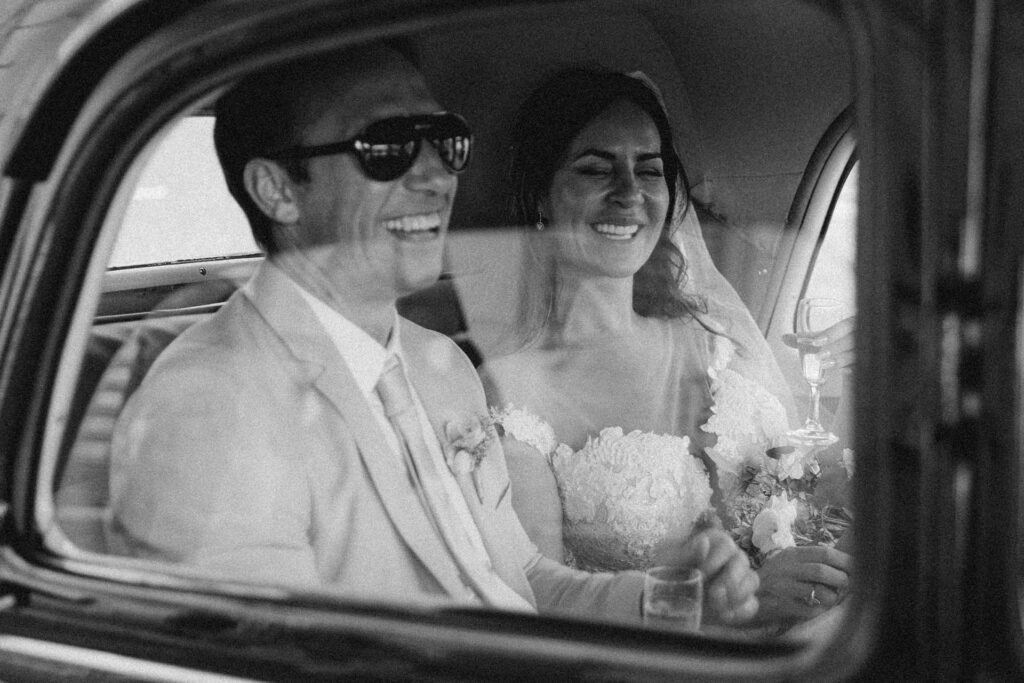
If things go off-script, keep the mood light by embracing the unexpected: a quick run to the car under one umbrella makes for a romantic, spontaneous photo. As a photographer at Image Studio, I find that some of the most real and joyful moments come from adapting on the fly. Your laughter, a stolen kiss in the back seat, or a windswept veil can end up being the photos you cherish most.
If you want help planning for weather, permits, or creative backup locations for your wedding photos with a vintage car in Italy, reach out through the Image Studio contact page. A little forethought, and a flexible mindset, will keep your day stress-free and your story one of a kind.
Can we use our own vintage car for wedding photos in Italy?
Yes, you can use your own vintage car for wedding photos in Italy. If you plan to photograph it in public spaces, you still need to apply for the required permits, just as you would with a rental. Make sure your car is in good working order and check access rules for your chosen locations, especially in city centers or historic areas.
How do we find a reliable vintage car rental company in smaller towns?
In smaller towns, ask your venue or local wedding planner for recommendations, as they often work with trusted suppliers. You can also check with photographers like us at Image Studio, who regularly coordinate with reputable car providers across different regions. Always request recent photos of the car and confirm what is included in the rental, such as a chauffeur or delivery.
Are there restrictions on driving vintage cars in Italian city centers?
Yes, many Italian city centers have restricted traffic zones (ZTL) and special rules for historic vehicles. Even with a vintage car, you may need special permits to enter or park in these areas, and some locations may only allow access for a limited time or with a chauffeur. Always check the local rules and apply for the necessary permits well in advance.
What happens if the vintage car breaks down on the day?
Most reputable vintage car rental companies provide a backup plan, such as a replacement vehicle or roadside assistance, in case of a breakdown. Ask your provider about their contingency policies when booking. If you are using your own car, consider arranging for a local mechanic or backup transport just in case.
How early should we share our photo ideas with the photographer?
Share your photo ideas with your photographer as early as possible, ideally several months before the wedding. This gives everyone time to plan the schedule, scout locations, and coordinate with the car provider. Early communication helps ensure your vision and the logistics align for smooth, beautiful results.