How to Plan Wedding Photos in Multiple Italian Locations
November 5, 2026
Planning wedding photos across multiple Italian locations takes careful timing, local knowledge, and teamwork. Here’s how to make it work beautifully.
Imagine walking hand in hand through the olive groves of Tuscany, then sharing a quiet moment under the towering arches of Florence’s Ponte Vecchio, finishing your wedding day with a sunset embrace on the Amalfi Coast. Italy’s landscapes invite you to dream big, and it is no wonder so many couples want wedding photos in multiple locations across Italy, each spot adding a new layer to your story.
But moving from one breathtaking scene to the next is not as simple as connecting dots on a map. A drive that looks short online can double in reality, and permits for famous sites might take weeks to secure. As a photographer and director at Image Studio, I have seen the hidden details that make these adventures work: slow mornings in Venice, last-minute photo passes in Rome, even navigating the maze of Milan’s city permits.
This guide gives you the practical steps to plan wedding photos in multiple locations in Italy, so you can enjoy both the journey and the images. From timing and logistics to creative flow and budgeting, you will find real-world advice for a day that unfolds as beautifully as it looks in your imagination.
1. Choosing and Sequencing Your Locations: Story First
Prioritizing Your Must-Have Shots
Start with your story. Think about the places in Italy that reflect who you are as a couple. Do you picture yourselves wandering cobbled streets in Florence, standing by the cliffs on the Amalfi Coast, or lost in the olive groves of Tuscany? Your locations should feel personal and meaningful, not just beautiful for the sake of variety. Each setting adds a chapter to your wedding day. Ask yourselves: which places stir emotion, memory, or a sense of adventure for us?
Once you have a shortlist, focus on the key images you cannot live without. For some couples, the dream is a sunrise shoot by Lake Como, followed by vows among Roman ruins. For others, one city’s hidden corners and a single dramatic landscape are enough. Write down your must-have shots, then use this to guide your choices. As a photographer, I have learned that clarity at this stage is what keeps the entire day relaxed.
Balancing Variety and Consistency
Italy offers endless variety, but more locations do not always mean better photos. Moving between three or four spots can sound exciting, but the reality is that each transition eats into precious time. A journey that looks like 20 minutes online may take 30 to 40 minutes (or more) once you account for winding roads, parking, or boat transfers. I recommend most couples choose two, maybe three, locations in one day. For example, a real wedding I photographed combined the early morning quiet of Piazza San Marco in Venice with golden hour on the Lido’s beach. The result was a natural flow and a set of images that felt connected, not rushed.
Sequencing matters for light and mood. Early morning brings soft light and emptier streets, perfect for iconic city sites. Midday might suit a countryside villa or shaded gardens, and late afternoon is ideal for coastal cliffs or sunset cityscapes. Think about the order that fits your energy as well as the light. When in doubt, less is more. Two thoughtfully chosen locations, with time to breathe and connect, will give you a stronger story than a whirlwind tour of every landmark. At Image Studio, we help couples make these choices so the day feels like an experience, not a checklist.
2. Timing and Logistics: The Realities of Moving Around Italy
Sample Itinerary: Lake Como Villa, Town, and Boat
In Italy, moving between locations is an experience in itself. What looks like a quick trip can easily take twice as long as you expect. For example, if Google Maps says a 20-minute drive, plan for 30 to 40 minutes instead. This builds in time for winding roads, traffic, parking, and boat transfers, which are common around lakes and coastal towns. Always add a buffer: your photographer should arrive 10 to 20 minutes before you at each spot. This lets them scout the light, set up, and capture genuine moments as you arrive.
Here’s a sample timeline for three Lake Como locations:
14:00, Getting ready at villa (photographer arrives by 13:40)
15:30, Photos in villa gardens
16:00, Boat transfer to Bellagio village (30-minute boat ride, allow 45 minutes)
17:00, Stroll and photos in Bellagio (photographer arrives first, scouts piazza and lakeside)
18:00, Boat to scenic viewpoint (20-minute ride, allow 35 minutes for boarding and docking)
18:45, Golden hour shoot on the lake
If you want night shots in a city or village, plan them last, after sunset. This means adjusting dinner or party times so you have energy and privacy for late-evening photos.
Travel Tips for Couples and Guests
Share the timing with your guests, especially if group transfers are involved. Italian venues and streets can be crowded, and parking is rarely simple. Ask your planner or your photographer for help coordinating cars, boats, or shuttles. Give yourself breathing room: it is easier to enjoy each location if you are not rushing. If you have two locations, the day feels more relaxed. For three or more, consider spreading sessions across two days or building in longer breaks.
For a deeper look at practical timelines, see our wedding photoshoot timeline in Italy guide. Every couple’s route is different, but the best memories come from time well spent, not just places visited.
3. Permits, Fees, and Permissions: Avoiding Surprises
Permit Timelines: What to Expect
Public Spaces: Most city centers, piazzas, and iconic landmarks in Italy require advance permits for professional wedding photography. For example, Milan asks for at least 1 to 3 weeks’ notice for city center permits. UNESCO sites and other protected locations may require 3 to 8 or more weeks for approval.
Private Properties: Villas, gardens, and hotel grounds may have faster permit processes, typically 3 to 7 working days. Some require only a photo fee or a written request.
Popular and Protected Sites: At sites such as Taormina’s Teatro Antico or Isola Bella, specific wedding photo permits are needed. These permits often cover the couple, the photographer, and one assistant.
Always Ask Early: Start the permit application as soon as you finalize your locations. Many Italian municipalities and venues have non-negotiable timelines.
Factor Delays: Bureaucratic delays are common, especially in the summer or near major festivals. Build extra time into your planning.
Budgeting for Permits in Your Photo Plan
Milan: Permits for photo shoots outside the historic center cost €103 plus 22% VAT per time slot, with two additional €16 stamp duties.
Taormina & Isola Bella: Photo permits are €300 per site, or €400 if you want handheld video as well. This covers basic team entry.
City and Landmark Ranges: Permit fees can range from €100 to €1,500 for small sessions, with major city permits (affecting traffic or large crews) reaching €10,000 or more. UNESCO sites can go from €2,000 up to €50,000 for extensive productions, but a typical multi-location wedding shoot is usually at the lower end.
Plan for Each Location: If you want photos at several venues or landmarks, make a list with your photographer. Total up permit costs for every stop.
How Your Photographer Helps: An experienced team like Image Studio can advise on permit requirements and take care of many applications. Ask your planner or photographer to confirm what is possible, what the real costs are, and how long approval will take.
Always Budget a Cushion: Set aside a little extra for last-minute changes or additional permit fees, especially if you add a new location to your route.
4. Building a Cohesive Story: Shot Lists and Creative Flow
If you are planning wedding photos in multiple locations across Italy, the magic is in the story you create. Each site should feel like a chapter in your wedding day, not a disconnected backdrop. The key is careful planning and a strong partnership with your photographer, so the result is seamless and meaningful.
Sample Multi-Location Shot List
Start with a shot list that follows your journey. Begin with the preparations: candid getting-ready moments in your hotel overlooking Lake Como or the winding alleyways of Rome. Move to the ceremony, perhaps in a historic church or a lush villa garden. After the vows, plan for portraits at a second iconic spot, a stroll through Florence’s Ponte Vecchio, or a quiet moment in the vineyards near Siena.
Include environmental shots that connect you to each place. For example, wide-angle views capturing the Amalfi cliffs or Venice canals place you in context, while closer portraits in olive groves or city piazzas add intimacy. Blend candid and posed images: laughter on a boat crossing to Isola Bella, a quiet embrace in a hidden courtyard, or a walk hand-in-hand through a bustling market. If you are using a car, boat, or vintage Vespa between stops, ask your photographer to capture the journey itself.
A good photographer will plan to arrive 10 to 20 minutes before you at each location to scout light and catch the moments when you arrive. If you are working with a team like Image Studio, they can help build a timeline that fits these transitions naturally.
Wardrobe and Styling for Consistency
A cohesive look helps your story feel unified, even as you move from city to countryside. Choose outfits that work well in different settings, timeless fabrics, neutral or harmonizing colors, and comfortable shoes for cobbled streets. If you want to change attire, plan transitions where it makes sense: perhaps a formal gown for the ceremony, then a lighter dress for sunset photos by the sea.
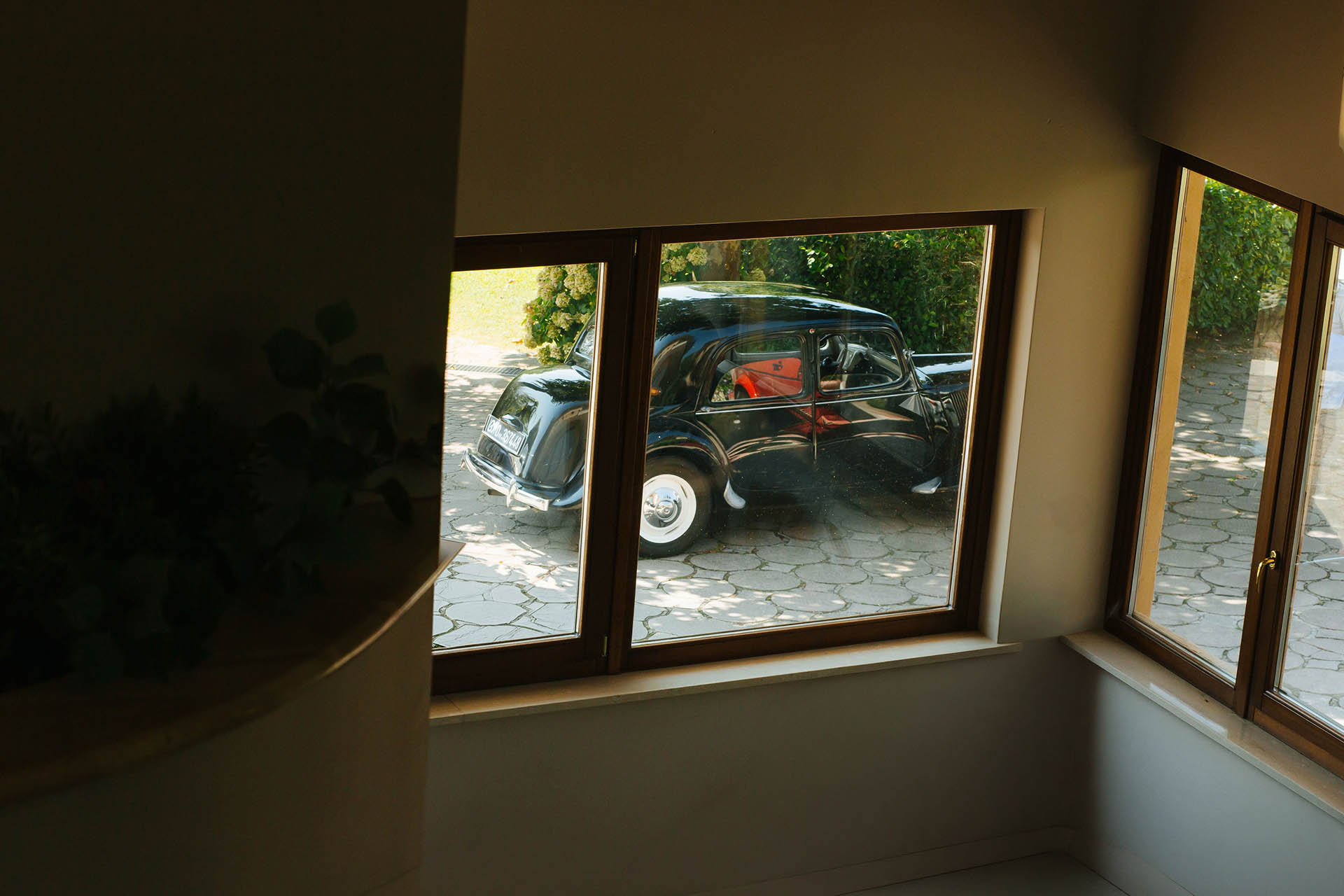
Props can add personality, but keep them simple and meaningful. A bouquet that fits every setting, a vintage car, or even an heirloom accessory can appear across locations and tie your images together.
Most importantly, trust your photographer and enjoy the experience. The best images come when you are relaxed and present, not rushing or worrying about the next stop. With thoughtful planning, your multi-location wedding photos will tell a story that feels authentic and uniquely yours.
5. Budget and Team: Making It Work Without Stress
Cost Comparison Table: Local vs. Destination vs. High-End Teams
Multi-location wedding photos in Italy require a clear budget from the start. Costs vary depending on how many hours you want covered, how many days, and how experienced your team is. Here is a practical breakdown to help you set expectations:
Service Type
Typical Price Range
What’s Included
Local photographer (6 to 8 hours, one location)
€2,500 to €4,000
Coverage at one or two nearby venues, basic travel
Travel between cities or regions, creative direction, timeline planning
Two-photographer team (full day, multi-location)
€6,000 to €10,000
More angles, parallel coverage, seamless transitions
High-end studio or multi-day event
€10,000 to €20,000+
Destination coverage, multi-day shoots, full production support
For half-day coverage, expect starting rates around €3,800. A full day is usually from €4,800. Multi-day wedding photography often begins at €6,200. If you want to understand what a full multi-day plan can look like, see this multi-day wedding photo planning guide.
When to Add a Second Photographer
Adding a second photographer is not just about more photos. It can make your day flow more smoothly, especially when locations are spread out or you want both partners’ preparations covered. If your timeline involves moving between venues or cities, two photographers can split up and be ready at each spot. This is especially helpful for group logistics, capturing candid moments during travel, and making sure no scene is missed. To decide if this is right for you, read our practical guide on how many photographers you might need.
Consider a pre-wedding shoot if you want relaxed portraits in a location that is not possible on your wedding day. Multi-day coverage becomes essential if your celebration spans a weekend or you want to capture welcome dinners or post-wedding brunches. Experienced teams are used to juggling logistics, permits, and changing plans on the fly. This is what makes the difference between a stressful photo day and a smooth, joyful experience.
If you are feeling overwhelmed, reach out to a studio like Image Studio early in your planning. A team that knows the realities of wedding photos in multiple locations across Italy can help you craft a plan that fits your vision, your timeline, and your budget.
How far in advance should we start planning permits for Italian wedding photo locations?
You should start planning permits as soon as you finalize your locations. For public spaces and city centers, expect to need at least 1 to 3 weeks, while UNESCO or protected sites may require 3 to 8 weeks or more. Private properties are usually quicker, taking 3 to 7 working days.
Can we include family or friends in some locations and just the two of us in others?
Absolutely, you can choose to have family or friends join you at certain locations and enjoy private moments as a couple at others. Just let your photographer know your preferences so they can plan group shots and intimate portraits accordingly.
What happens if weather disrupts our travel or timeline between locations?
If weather causes delays or changes, your photographer will help adjust the timeline and suggest alternative spots if needed. Building in buffer time and having a flexible plan will make it easier to adapt and still capture beautiful moments, even if the weather shifts unexpectedly.
Are there locations in Italy where photo permits are never required?
Most public spaces and famous landmarks in Italy do require permits for professional photography. Some private villas or lesser-known spots may not require formal permits, but it is always best to check with your photographer or planner in advance to avoid surprises.
How can we keep the day relaxed and not feel rushed between places?
Choose two or three meaningful locations rather than trying to visit every landmark. Allow extra travel time between spots, and schedule breaks so you can enjoy each place without hurrying. Sharing your timeline with guests and working with an experienced team like Image Studio will help keep the day calm and enjoyable.