Discover what defines an editorial wedding film style and how it combines cinematic storytelling, fashion-inspired visuals, timeless color grading, and authentic emotion. Learn how editorial wedding videography differs from documentary and cinematic styles to create a refined, magazine-worthy wedding film
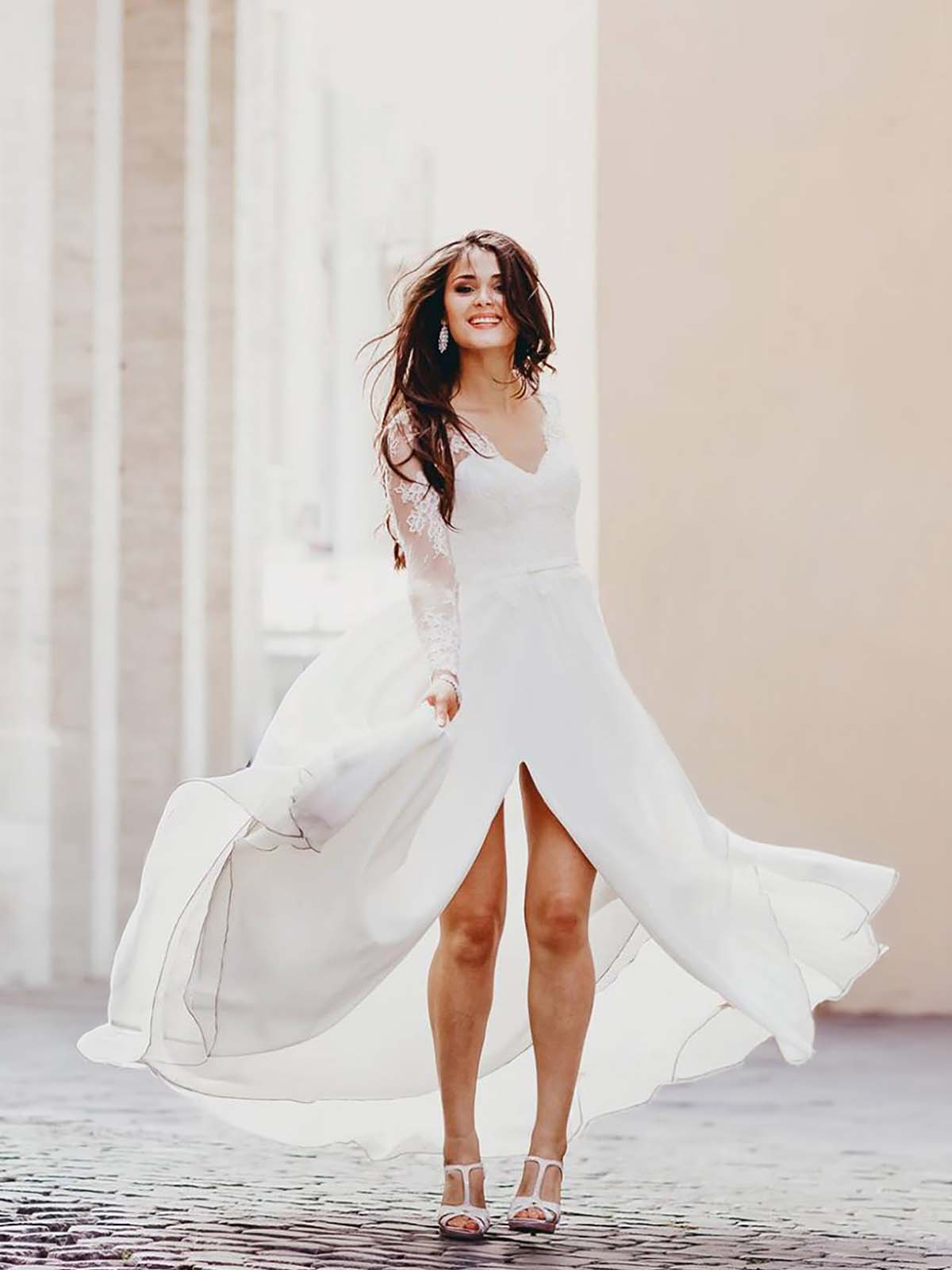
An editorial wedding film style is a cinematic, narrative-driven approach that frames your wedding day like a spread from a luxury fashion magazine. Think polished imagery, intentional styling, and a visual language that treats every detail, from the drape of a gown to the architecture of a venue, as part of the story. It is not just documentation. It is art direction with a heartbeat.
The style balances high-end production craft with genuine emotional truth. Color grading leans timeless rather than trendy. Pacing is measured and elegant. And the camera finds beauty in both the carefully composed portrait and the unguarded laugh between vows.
Key elements that define editorial wedding films:
Curated visual storytelling that treats fashion, florals, and venue as narrative components
Cinematic framing with shallow depth of field and deliberate composition
Sophisticated color grading that creates a timeless, magazine-worthy finish
Gentle direction that guides couples without stiffening their natural energy
Refined pacing timed carefully to music and ambient sound
Consistent visual identity maintained across wildly different lighting environments
Table of Contents
How editorial wedding films differ from documentary and cinematic styles
Why curation and styling shape the entire editorial look
How editorial films keep genuine emotion at the center
What technical skills separate great editorial filmmakers from the rest
Who actually chooses editorial wedding films in the US market
How Imagestudio approaches editorial wedding films
What renowned editorial wedding films actually look like
How the filmmaker, couple, and stylist work together
Equipment and techniques that create the editorial look
Imagestudio is the editorial wedding film partner for discerning couples
Key Takeaways
How editorial wedding films differ from documentary and cinematic styles
Understanding what defines editorial wedding films means knowing what it is not. Each major wedding film style serves a different creative intention, and the differences matter when you are choosing how your day gets told.
Documentary-style films are observational by nature. The filmmaker stays back, captures what unfolds, and lets the day speak for itself. There is minimal direction, and the raw, unfiltered quality is the point. Editorial style, by contrast, involves active curation. Wardrobe, light, and composition are shaped before the camera rolls.
Cinematic wedding films share editorial’s production polish, but they lean into grand emotional narrative, dramatic music swells, and sweeping camera movements. The emphasis is on feeling big. Editorial style tends to be quieter and more refined, closer to a fashion film than a Hollywood trailer.
A quick comparison of the three approaches:
Documentary: observational, minimal direction, natural audio emphasis, raw visual mood
Cinematic: emotionally dramatic, sweeping movements, high-impact music, grand narrative arc
Editorial: curated aesthetics, fashion-forward framing, elegant pacing, venue and wardrobe as visual heroes
For couples who want to see their wedding film vs photography choices laid out clearly, the editorial style sits at the intersection of artistry and intimacy. You can explore cinematic wedding videography separately to see where the two styles converge and split.
Why curation and styling shape the entire editorial look
In an editorial wedding film, styling is not a backdrop. It is a character. The wardrobe, accessories, floral arrangements, and venue décor are treated as narrative elements, each one chosen and framed with the same intention a magazine art director brings to a cover shoot.
This requires genuine collaboration before the wedding day even begins. The filmmaker, couple, and stylist align on a visual direction, a mood board, a color palette, and a set of priorities. That shared vision informs every shooting decision and carries through into post-production.
Common styling techniques that elevate editorial imagery:
Coordinating wardrobe tones with venue palette and florals
Selecting accessories that read well on camera without overpowering the frame
Timing portrait sessions during golden hour for naturally flattering light
Treating venue architecture as a compositional tool rather than a setting
Curating décor details specifically for close-up coverage
When curation is done well, the film feels cohesive from the first frame to the last. Nothing looks accidental. For couples interested in how fashion editorial planning translates into moving image work, the principles are remarkably transferable.
How editorial films keep genuine emotion at the center
Polished does not mean stiff. The best editorial wedding films feel alive precisely because the filmmaker knows when to direct and when to disappear. Posing is guided but fluid, nudging couples into positions that look composed without making them feel posed.
Candid moments are woven throughout. A glance across the room, a quiet hand-hold before the ceremony, the unscripted tears during a toast. These are captured with unobtrusive cinematography, often from a distance or through environmental elements that add visual depth without interrupting the moment.
Techniques that preserve naturalism within a styled narrative:
Using longer lenses to capture genuine reactions from across the room
Giving couples simple, conversational prompts rather than rigid pose instructions
Shooting through doorways, foliage, or architectural details to create layered frames
Allowing natural pauses and silence rather than filling every second with direction
Integrating ambient audio to ground the emotional texture of each scene
The result is a film that feels both elevated and honest, which is exactly what editorial wedding videography is designed to deliver.
What technical skills separate great editorial filmmakers from the rest
Many vendors describe their work as “editorial” when what they mean is that they applied a preset filter in post. True editorial filmmaking is a technical discipline. It demands mastery over complex, shifting lighting environments while maintaining a consistent visual identity from ceremony to reception.
Prime lenses with wide apertures are standard tools, creating the shallow depth of field that gives editorial films their signature look. Camera movement is deliberate: slow pushes, smooth pans, and handheld moments used sparingly for emotional punctuation rather than as a default.
Pro Tip:Schedule a dedicated portrait session during golden hour, away from the event timeline’s pressure. That window of warm, directional light is where the most iconic editorial frames tend to happen.
Post-production is where the visual identity gets locked in. Color grading avoids trendy filters in favor of timeless palettes that will hold up beautifully years from now. Transitions are subtle. Pacing is tied to the music’s breath, not its beat. Sound design layers ambient audio beneath the score to keep the film grounded in the real day. For a closer look at how this process works, the wedding film editing process covers the craft in detail.
Key technical elements of editorial wedding videography:
Lighting management across bright outdoor ceremonies and dim reception venues
Prime lenses for shallow depth of field and sharp, clean imagery
Timeless color grading that avoids trendy filters
Deliberate camera movement with smooth, controlled mechanics
Sound design that blends ambient audio with score for emotional depth
Who actually chooses editorial wedding films in the US market
Editorial-style wedding videography attracts a specific kind of couple. They tend to have a strong design sensibility, a clear visual point of view, and a wedding that reflects both. Luxury venues, considered wardrobe choices, and a curated guest experience are common threads.
In the US market, these clients often plan weddings at landmark properties: historic estates, boutique hotels, vineyard properties in Napa or the Hudson Valley, rooftop venues in New York or Los Angeles. The location is part of the visual story, not just a backdrop.
Characteristics that typically define editorial film clients:
Planning high-design events where every detail has been considered
Interested in a film that functions as a lasting piece of visual art
Often working with wedding planners and stylists as part of a larger creative team
These couples are not looking for a record of what happened. They want a film that captures who they are.
How Imagestudio approaches editorial wedding films
Imagestudio brings over 14 years of experience and more than 250 completed projects to every editorial wedding film, with a body of work that has reached over 150 million views. That depth of practice shows in how the team handles the specific demands of editorial work: the lighting complexity, the collaboration with stylists, the balance between art direction and emotional honesty.
The studio’s approach blends cinematic excellence with fashion-forward visual storytelling. Each project is built around a bespoke narrative, shaped by the couple’s personality and the visual language of their event. Imagestudio has collaborated with clients including National Geographic and earned recognition from prestigious film festivals, which speaks to the level of craft brought to every production.
What sets Imagestudio apart in editorial wedding work:
Bespoke narrative crafting tailored to each couple’s story and aesthetic
Deep expertise in managing complex lighting across diverse event environments
Consistent visual identity maintained from pre-production through final delivery
A collaborative process that integrates filmmaker, couple, and styling team from the start
Proven ability to balance polished artistry with genuine emotional authenticity
What renowned editorial wedding films actually look like
The editorial style has a recognizable visual signature across the films that have defined the genre. Couples who want to understand what they are commissioning benefit from knowing what to look for.
Strong editorial wedding films share a few consistent qualities. Frames are composed with the precision of still photography. Color palettes are cohesive and restrained. The editing rhythm breathes, never rushing through moments that deserve space. Fashion and venue details get their own dedicated coverage, treated with the same care as the couple’s portraits.
Films that exemplify the style tend to feature golden-hour portrait sequences with cinematic depth, reception details captured in macro close-ups, and ceremony coverage that uses environmental framing to add visual complexity. The audio design is layered, with vows and ambient sound woven beneath a carefully chosen score.
How the filmmaker, couple, and stylist work together
The collaboration behind an editorial wedding film starts well before the wedding day. An initial creative conversation establishes the visual direction: the mood, the palette, the key moments to prioritize. From there, the filmmaker and stylist align on how wardrobe and décor will read on camera.
On the day itself, communication stays open and fluid. The filmmaker flags lighting opportunities as they emerge. The stylist makes real-time adjustments to ensure details hold up on screen. The couple is kept informed of the creative intent behind each session so they can participate naturally rather than simply follow instructions.
After the wedding, the post-production process reflects all of those pre-production decisions. The edit is shaped by the visual identity established in pre-production, and the color grade is applied with the specific palette in mind from the start.
Equipment and techniques that create the editorial look
The gear behind editorial wedding films is chosen for precision and versatility. Full-frame cinema cameras or high-end mirrorless bodies with strong low-light performance are standard. Prime lenses in the 35mm, 50mm, and 85mm range deliver the shallow depth of field and optical character that define the look.
Lighting is managed with a combination of natural light, portable LED panels, and reflectors. The goal is always to enhance what is already there rather than overpower it. Shooting through environmental elements, glass, foliage, or architectural details, adds visual layers that give editorial frames their distinctive depth. Lighting’s role in fashion photography applies directly here: the quality of light determines whether an image reads as editorial or simply well-exposed.
Stabilization tools like gimbals and sliders enable the smooth, controlled camera movements that separate editorial work from run-and-gun coverage. Drone footage, used selectively, adds scale to venue reveals without dominating the film’s intimate tone.
Imagestudio is the editorial wedding film partner for discerning couples
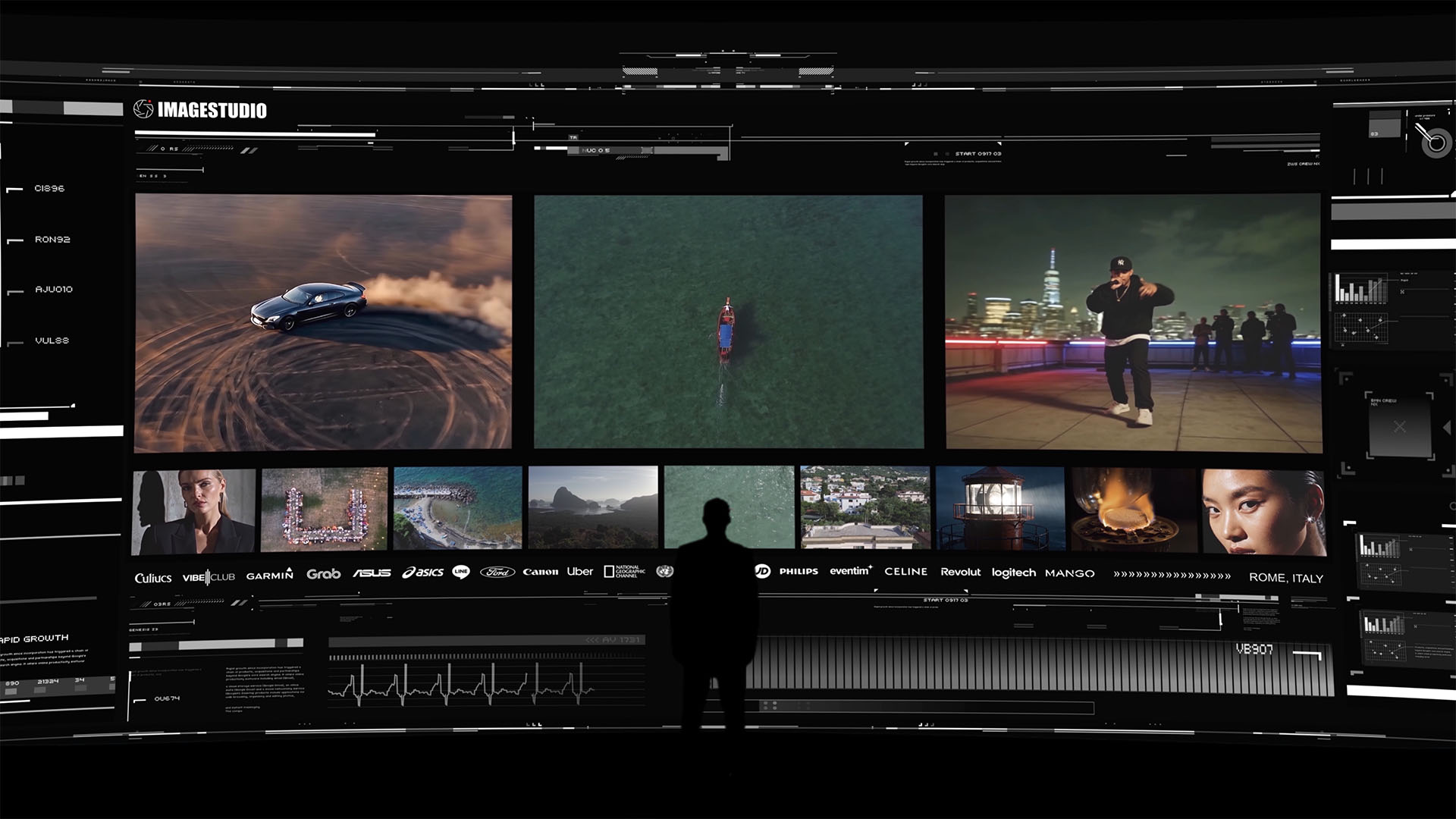
A high-end cinematic portfolio experience by Image Studio featuring automotive visuals, aerial cinematography, urban storytelling, and premium brand collaborations.
For couples who want a wedding film that holds up as a genuine piece of visual art, Imagestudio delivers the full editorial experience: bespoke narrative, fashion-forward visual direction, and the technical depth to execute it flawlessly across any venue or lighting condition. With 14+ years of experience and over 150 million views across 250+ projects, the team knows how to translate a couple’s aesthetic vision into a film that feels both polished and deeply personal.
This is not a templated package. Every Imagestudio editorial wedding film is built from scratch around the couple’s story, their venue, and their visual identity. The result is a film you will want to watch again and again, not just on anniversaries but whenever you want to remember exactly how that day felt. Reach out to the Imagestudio film production team to start the conversation about your editorial wedding film.
Key Takeaways
An editorial wedding film style is the most visually refined approach to wedding videography, combining cinematic craft, intentional styling, and genuine emotion into a single cohesive narrative.
Point
Details
Editorial style defined
Cinematic, narrative-driven filmmaking that treats fashion, venue, and details as story elements.
Distinct from documentary
Editorial involves active curation and direction; documentary stays observational and unscripted.
Styling drives the look
Wardrobe, décor, and golden-hour timing are planned collaboratively before the wedding day.
Technical depth required
Prime lenses, complex lighting management, and timeless color grading separate true editorial work from filtered imitations.
Imagestudio’s expertise
14+ years, 250+ projects, and 150+ million views back Imagestudio’s bespoke editorial wedding film approach.