Why Image Studio Exists: Building Stories That Outlive Trends
August 2, 2026
Image Studio exists because visual stories deserve a longer life than the platforms on which they first appear. Discover the philosophy behind our approach to photography, filmmaking and creative direction, and why we believe meaningful stories always outlive trends.
A wedding film may be watched hundreds of times during its first month. Another may be opened twenty years later by children who were not yet born when it was made. Nothing about the camera fully explains the difference. Not the resolution. Not the lens. Not the drone. Not the colour grade.
The difference is harder to measure: meaning.
The images that survive are rarely the loudest. They are the ones that continue speaking after the moment that created them has disappeared. That is where visual storytelling begins, and it is why Image Studio exists.
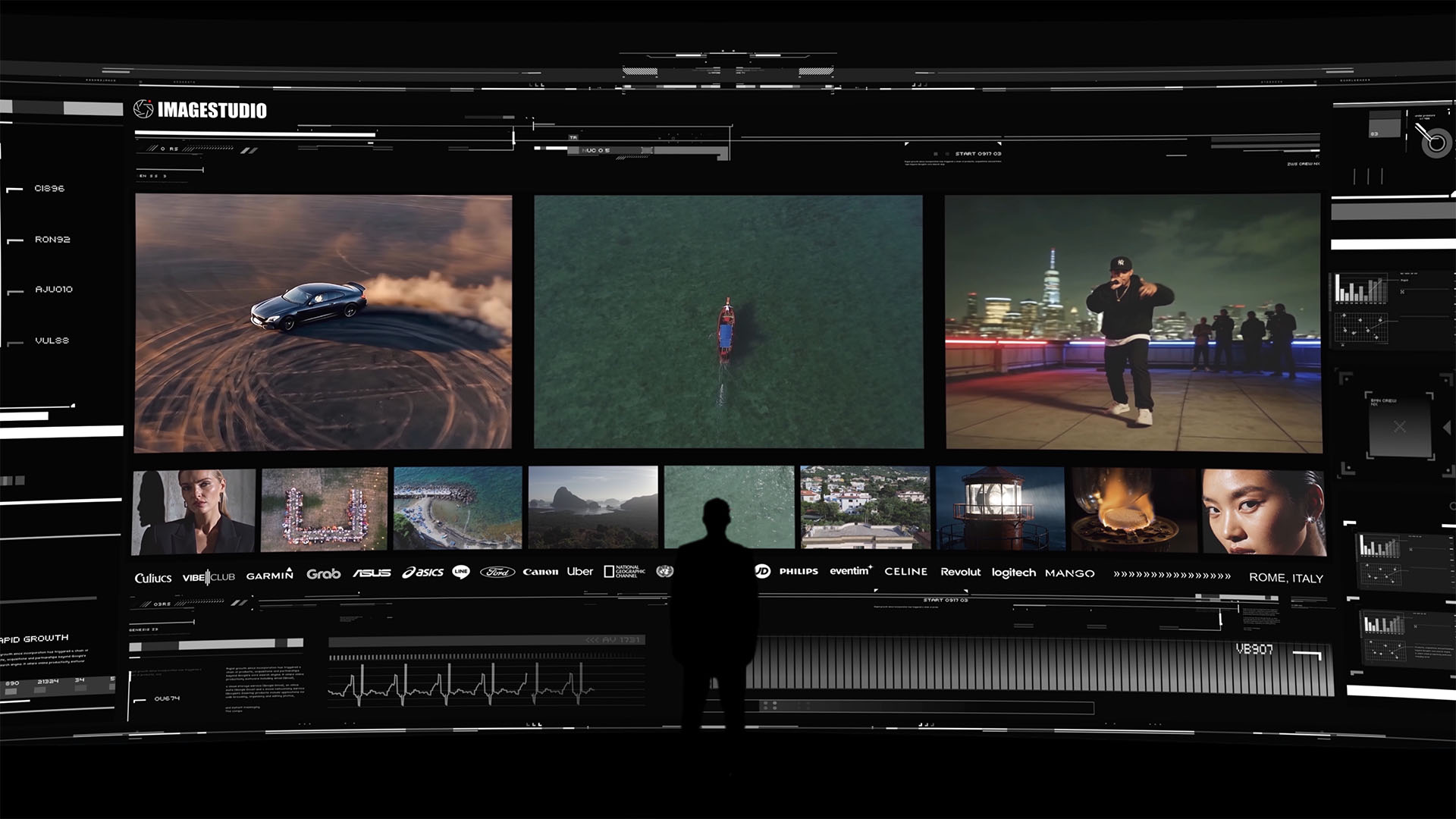
Image Studio was created to bring photography, filmmaking and digital production under one creative direction, so that a story can remain coherent across photographs, films and modern platforms.
Why most images are forgotten
Visual culture has never been more abundant. Cameras are more accessible, editing is faster and distribution is nearly immediate. Brands, artists and private clients can publish constantly. Yet the ability to create more images has not automatically created more memorable ones.
The problem is not technology. Nor is it social media, artificial intelligence or short-form video. Each has expanded what visual creators can do. The problem begins when speed replaces thought, when visibility becomes more important than meaning and when a recognisable style is applied before anyone has understood the subject.
A technically polished production can still feel empty. A photograph can be precise and beautifully lit while communicating nothing beyond its surface. A campaign may follow every current convention and become indistinguishable from the work surrounding it.
The tools keep improving.The story still needs a reason to exist.
The moment behind Image Studio
Image Studio emerged from a recurring observation across photography, film and digital production: too often, these disciplines were treated as separate deliverables rather than parts of one visual system.
Photography was reduced to a sequence of isolated images. Video was treated as a technical package. Social content was produced for frequency rather than identity. Commercial work could look expensive yet fail to explain why the brand mattered. Even the word “cinematic” was often reduced to slow motion, shallow focus and dramatic music.
Image Studio was created around a different proposition: visual work should begin with a point of view, then choose the formats capable of expressing it. A photograph can hold an entire narrative in one frame. Film can extend that narrative through movement, sound and time. Short-form content can translate the same idea into a more immediate environment. New technologies can expand the process, but none of them should replace the original intention.
This is not a rejection of trends. It is a refusal to let trends decide what deserves to be remembered.
Every frame should have meaning
This phrase sits at the centre of Image Studio’s philosophy. It does not mean every image must be dramatic, symbolic or visually complex. Meaning can be quiet.
It may exist in a hand resting on a shoulder before a ceremony, in the light entering an empty room before guests arrive, in the way an artist occupies a landscape or in the pause before someone speaks. In commercial work, meaning may be strategic: a frame can establish the material character of a product, show how hospitality feels or define the emotional distance between a brand and its audience.
A camera angle is not meaningful merely because it is unusual. Slow motion is not automatically cinematic. A colour grade cannot rescue a story that was never clearly understood. Each technique becomes valuable only when it supports the subject.
To understand how composition shapes visual storytelling, it helps to see composition as more than arrangement. It determines what the audience sees first, what remains in the background and how meaning moves through a frame.
A small example: the image people return to
Imagine opening a family wedding album decades after the event. The formal portrait may still be beautiful. Yet attention often drifts to something less controlled: relatives laughing before they noticed the camera, a parent waiting alone, a child too young to understand the significance of the day.
Nobody planned that photograph. It may not have required the most equipment or direction. But time has increased its value because it preserves a relationship, not merely an appearance.
That distinction is central to Image Studio. Direction matters, especially when a portrait, campaign or performance needs visual structure. Observation matters just as much, because some moments become meaningful precisely because they were allowed to happen.
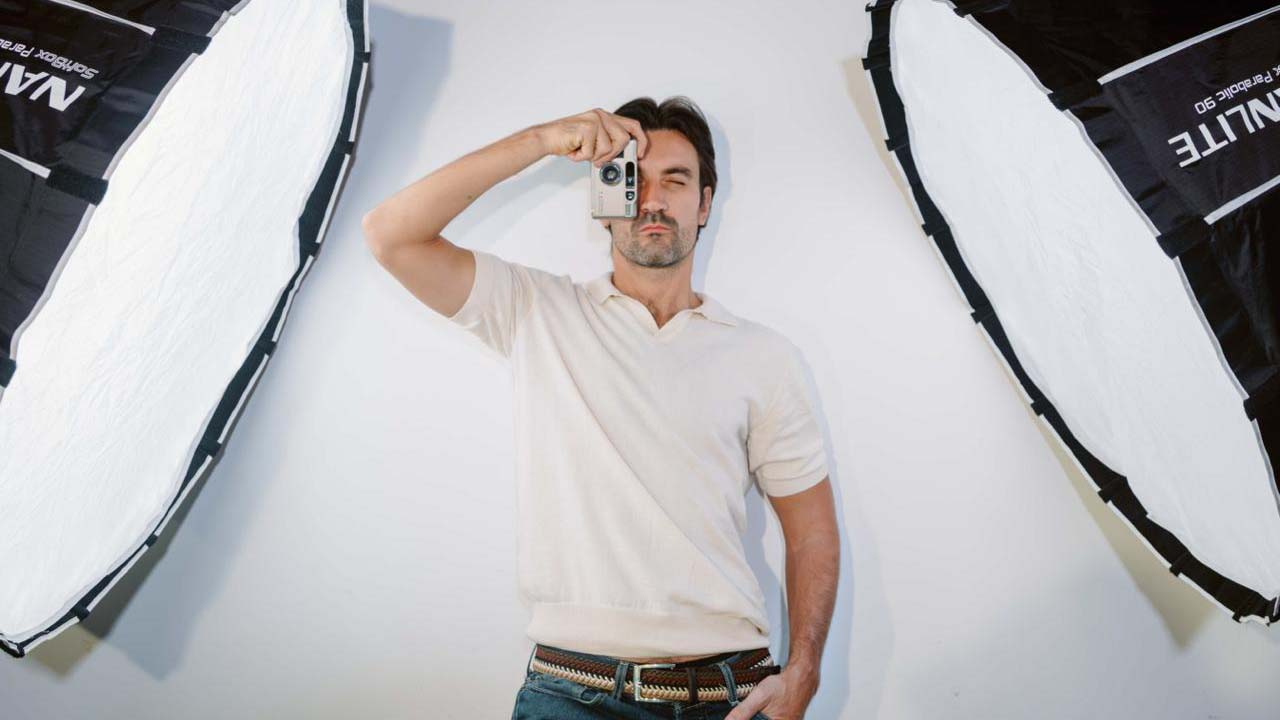
Editorial portrait of Dumitru Culiuc during a professional photography and film production studio session.
Trends are tools, not foundations
Timelessness does not require ignoring contemporary culture. Some of the most influential visual work in history used the newest technology available at the time. Innovation has always belonged to creativity.
Vertical video is useful because audiences naturally hold their phones vertically. Fast editing is useful when it reflects the energy of the subject. Drone cinematography is useful when a new perspective changes how a place is understood. AI-assisted tools are useful when they expand what can be imagined, tested or completed.
None of these techniques is automatically good or bad. Their value depends on whether they help communicate something that already deserved to exist.
A production built entirely from recognisable visual signals may feel current immediately, but it may also become interchangeable. A project built from a clear subject, emotional intention and visual identity can use the same contemporary techniques without depending on them for meaning.
Timelessness is therefore not a preset. It is the result of making visual choices that remain connected to the story after the novelty of the technique has faded.
Format-first and story-first production
The difference is not always visible in a single frame. It becomes clearer when the whole production is considered.
Creative decision
Format-first approach
Story-first approach
Practical consequence
Starting point
Begins with a platform, reference or popular format
Begins with the subject, audience and purpose
The concept remains adaptable when formats change
Visual direction
Recreates a recognisable aesthetic
Builds an aesthetic from the identity of the project
The work becomes more distinctive
Camera movement
Chosen mainly for immediate impact
Chosen according to emotional distance and narrative function
Movement feels motivated
Editing
Structured around a standard content formula
Structured around the rhythm of the material
The story feels less interchangeable
Colour
Applies a recognisable current look
Supports atmosphere, continuity and identity
Colour becomes part of the narrative
Distribution
Creates one principal format
Plans a core story with considered adaptations
Assets remain coherent across platforms
Measurement
Focuses mainly on immediate reaction
Considers attention, recognition and long-term usefulness
Performance and identity can support one another
Attention is not the same as connection
Attention is visible and measurable. A viewer stops, watches, clicks or shares. Connection is harder to quantify. It develops when the audience recognises something emotionally credible or distinct enough to remember.
The two are not opposites. A production often needs attention before it can create connection. But attention without identity is difficult to sustain. When every brand, artist or studio follows the same visual signals, each new project must become faster, louder or more surprising to achieve the same response. The audience may remember the effect while forgetting who created it.
Connection grows through a consistent way of seeing. A brand becomes recognisable not because every campaign looks identical, but because each campaign reflects the same character. A wedding story becomes lasting not because it copies a familiar cinematic formula, but because the images remain connected to the people and relationships inside it.
A lasting creative identity is built through consistency of thought, not repetition of appearance.
One philosophy, different forms
Image Studio works across weddings, commercial production, social media, music, film and emerging visual technologies. These forms require different methods, but they are connected by the same standard: the visual approach should belong to the subject.
Private stories
Weddings and personal histories contain ritual, fashion, architecture, family relationships, sound and unplanned emotion. They can benefit from editorial direction, but direction should never erase reality.
A portrait may need precise composition. A conversation between generations may need distance and patience. A ceremony requires anticipation rather than interruption. This balance between direction and observation is central to editorial photography as a narrative approach.
Brand stories
Commercial work must serve a purpose. A production may need to introduce a product, reposition a company, communicate hospitality or create a recognisable library of assets. Beauty alone is not enough if the images fail to clarify what the brand represents.
Imagine two luxury hotels. Both have refined interiors. Both hire experienced filmmakers. Both receive technically polished films. One video looks expensive. The other makes the viewer understand how staying there might feel.
The difference is rarely the camera. One production documents architecture. The other communicates hospitality. Lighting, casting, location, movement and editing all contribute to that distinction.
Cultural stories
Music videos and narrative films can move further from literal explanation. A camera can respond to rhythm, production design can turn emotion into space and silence can become as important as sound.
A music video does not become successful because every cut follows the beat. If that were enough, editing software could replace direction. The strongest work understands that rhythm is also visual. Sometimes the most powerful cut arrives just after the audience expects it. Sometimes the camera should resist the music rather than follow it.
Creative freedom still needs internal rules. Once a visual world has been established, colour, movement, lensing, performance and editing must feel as though they belong to the same reality. This is the discipline behind cinematic film production.
Emerging forms
Modern social media production and AI-assisted workflows are changing how visual work is planned, created and distributed. These changes expand possibility, but they do not remove the need for creative direction.
A short vertical film can still contain atmosphere, progression and a distinct point of view. AI-assisted visual production can expand environments, accelerate experimentation and support post-production, provided the technology remains directed by a clear idea.
Visual continuity begins before the colour grade
A collection of images does not become coherent simply because every frame receives the same colour treatment. Visual continuity begins before production starts.
It develops through the relationship between location, architecture, wardrobe, light, composition, camera distance, movement, sound and editing. A project can contain contrast and still remain coherent, provided each transition has purpose.
A wedding gallery may move between directed portraits, observational family moments and energetic dance-floor frames. A commercial film may transition from controlled architectural compositions to intimate handheld footage. A music video may alternate between two radically different visual worlds. The contrast becomes meaningful when the viewer understands that both modes belong to the same idea.
This is why pre-production matters. Mood boards, treatments and shot lists are not merely administrative documents. Used correctly, they establish the emotional and visual logic of the project. Post-production continues that work. Editing is not the act of assembling everything that was captured. It is the act of deciding what the story no longer needs.
The Image Studio Story Framework
Before deciding how a project should look, five questions can reveal whether its visual direction has a meaningful foundation.
1. What should remain after the immediate objective is complete?
For a wedding, it may be the emotional truth of the relationships. For a campaign, it may be a stronger understanding of the brand. For an artist, it may be a visual world that listeners continue to associate with the music. The immediate deliverable matters, but lasting value should also be defined.
2. What is specific to this subject?
Generic ideas produce interchangeable images. Specificity may come from a place, person, product material, cultural reference, gesture, memory, contradiction or point of view. The more clearly this is understood, the less the production needs to borrow its identity from trends.
3. Which visual choices carry the meaning?
A static camera creates a different relationship from a moving one. Hard light communicates differently from diffused light. A wide lens places a subject inside an environment, while a longer lens can create distance or isolation. No technique is automatically superior. Its value depends on what it contributes.
4. What should the audience feel before it understands?
Images frequently reach emotion before language. The desired response may be intimacy, tension, confidence, curiosity, nostalgia, freedom or restraint. Defining it gives the team a stronger direction than a disconnected collection of references.
5. Will the story remain coherent when the format changes?
A horizontal film may need vertical adaptations. A campaign may move between advertising, social media, websites and physical screens. Strong assets should be adaptable, but a strong story gives those assets something consistent to preserve.
What Image Studio chooses not to build
A creative philosophy becomes clearer through its limits.
One fashionable aesthetic applied to every subject.
Wedding imagery that replaces real relationships with performance.
Commercial work that looks polished but says little about the brand.
Social content created for frequency without a larger visual identity.
Cinematic language reduced to equipment, slow motion or dramatic music.
AI-assisted imagery used without authorship, judgement or a reason to exist.
These limits do not reduce creative possibility. They protect the work from becoming interchangeable.
Why the Image Studio Editorial exists
A portfolio shows what was produced. An editorial publication can examine why particular decisions matter.
The Image Studio Editorial exists to explore visual storytelling beyond the final image: how locations affect direction, how couples and brands evaluate creative partners, how technology changes authorship and how individual frames contribute to a complete narrative.
Some publications will answer practical questions. Others will analyse visual language, production decisions and cultural change. Firsthand experience should be identified as such. Research should remain distinguishable from opinion. Limitations and trade-offs should be discussed rather than hidden beneath promotional language.
The purpose is to create a growing body of knowledge around how stories are conceived, produced, experienced and preserved.
Frequently asked questions
What is the purpose of Image Studio?
Image Studio exists to create photography, films and digital productions in which every frame contributes meaning. The studio connects cinematic production, editorial aesthetics and creative direction across private stories, brand campaigns, music, film, social media and emerging visual technologies.
Does Image Studio avoid visual trends?
No. Trends can introduce useful formats, technologies and creative possibilities. Image Studio treats them as tools rather than foundations. The subject, purpose and audience should shape the story before a popular aesthetic determines its appearance.
How does Image Studio combine photography and filmmaking?
Photography and filmmaking are developed under one creative direction so they can share a coherent visual language. Photography concentrates meaning inside individual frames, while film adds movement, sound, rhythm and duration. When both begin from the same idea, they complement one another instead of feeling like unrelated deliverables.
Building beyond the moment
Every generation believes its technology will define visual culture. History quietly proves otherwise.
Cameras become smaller. Files become lighter. Platforms appear and disappear. Algorithms change. Formats evolve.
The stories people return to rarely survive because they were fashionable. They survive because people still recognise themselves inside them.
That is the responsibility we believe every photograph, every film and every frame should carry.
Image Studio was not created simply to produce more content. It was created to produce fewer things that matter for longer.
Because trends eventually become history. Stories become memory. And memory is what remains.