
Learn how venue layout, lighting, acoustics, and aesthetics directly influence wedding cinematography and discover practical ways to create a more cinematic wedding film.
← Back to Editorial
← Back to Editorial
Why Venue Affects Wedding Cinematography: A Real Guide
June 18, 2026
Your wedding venue is the single most powerful variable in determining the quality of your wedding film. Before a cinematographer frames a single shot, the venue has already decided the available light, the acoustic environment, the visual flow, and the emotional atmosphere of your footage. This is the core of why venue affects wedding cinematography in ways that no amount of post-production can fully fix. Understanding how layout, lighting, sound, and aesthetics interact at your chosen location gives you real power to make a choice that serves your film as much as your celebration.
Why venue affects wedding cinematography from the start
The venue shapes every technical and creative decision a cinematographer makes. Venue layout affects visual flow and pacing directly, with spread-out rooms forcing rushed transitions while compact venues support smooth storytelling. That difference shows up in the final film as either a natural, continuous narrative or a choppy sequence of disconnected moments.
Cinematographers working with Imagestudio approach each venue as a production environment, not just a backdrop. The space determines camera placement, lens selection, movement options, and even the emotional register of each scene. A grand ballroom calls for wide, sweeping shots. An intimate garden ceremony calls for close, handheld warmth. The venue sets the visual language before the couple even arrives.
Three named factors define the impact of venue on cinematography: light quality, acoustic character, and spatial flow. Get all three right and your film practically directs itself. Miss one and the team spends the entire day compensating.
How does venue layout shape your wedding film?
Compact venues with close ceremony, cocktail, and reception spaces allow cinematographers to move fluidly between moments without losing continuity. Large venues where the ceremony hall is a five-minute walk from the reception room create a different problem entirely. The film loses momentum, and key transitional moments get cut simply because there is no time to capture them.
Storytelling in wedding films depends on pacing. A well-paced film mirrors the emotional rhythm of the day, building from quiet anticipation to joyful celebration. When the physical layout fights that rhythm, the editor has to work around gaps rather than build on connections.
Here are the layout questions worth asking every venue coordinator before you book:
- What is the walking distance between the ceremony space and the reception room?
- Are there natural transition areas like courtyards, corridors, or terraces that photograph well?
- Can the bridal suite be used for getting-ready footage with good natural light?
- Is there a private space for couple portraits between the ceremony and reception?
- Are there restrictions on where cameras can be positioned during the ceremony?
Pro Tip: Ask your cinematographer to join you for the venue walkthrough. They will spot transition opportunities and potential bottlenecks that you would never notice as a couple.
What does venue lighting do to your wedding video?
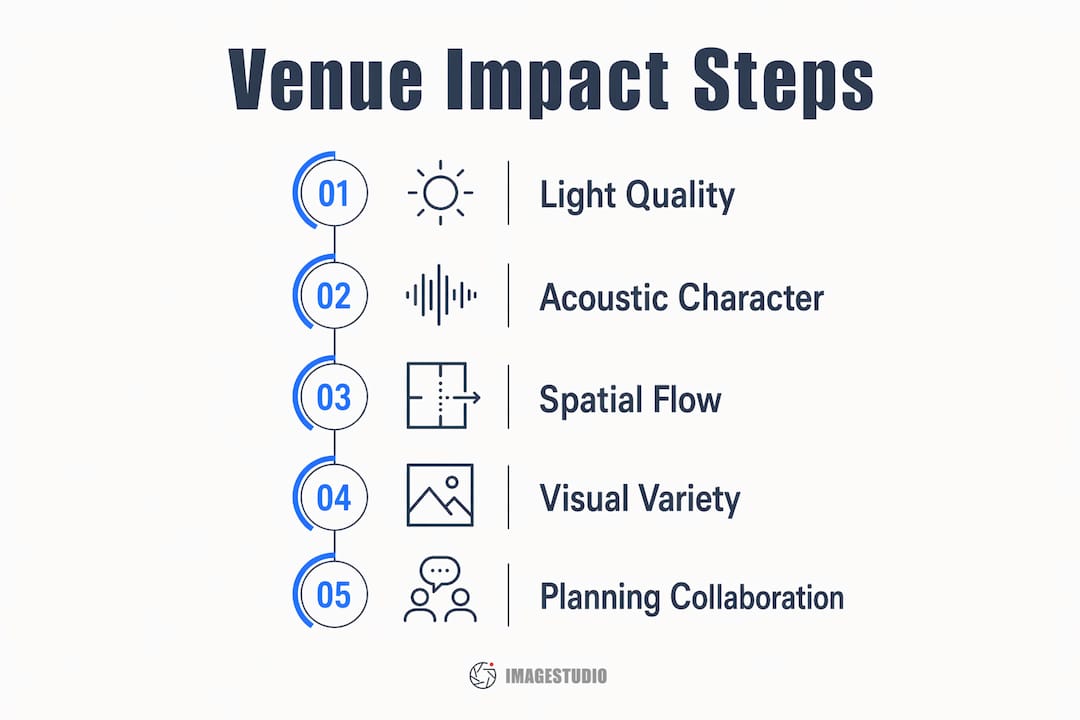
Lighting is the most technically demanding aspect of the impact of venue on cinematography. Large windows and soft daylight create flattering, stable footage that requires minimal correction in post-production. Venues with minimal natural light force cameras to operate at higher ISO settings, which introduces visible grain into the footage.
The problem compounds at receptions. Dim lighting forces higher camera gain causing grainy footage, and shifting colored lights produce inconsistent clips that are difficult to color-grade into a cohesive film. A venue that looks gorgeous to the human eye at night can be a technical nightmare on camera.
Certain LED uplighting colors create specific technical failures. Intense blue LED uplighting causes sensor clipping on cameras, destroying image texture and detail in video. This is not a problem you can fix in editing. The data is simply gone from the sensor.
- Visit the venue at the same time of day as your ceremony to assess natural light direction and intensity.
- Ask the venue coordinator for a full list of installed lighting fixtures and any planned uplighting colors.
- Request that harsh white overhead lights be dimmed and replaced with warm uplighting during the reception.
- Confirm whether the venue allows external lighting equipment if the cinematographer needs to supplement.
- Schedule key moments like the first dance and speeches under the warmest, most stable lighting in the room.
Steady warm lighting during receptions helps cinematographers capture flattering, cinematic footage while avoiding grain and inconsistent colors. That one coordination step between your lighting vendor and your cinematographer can transform the visual quality of your entire reception film.
Pro Tip: Position your cake cutting, first dance, and toasts in the area of the room with the most consistent warm light. Moving these moments even ten feet can make a visible difference in footage quality.
“Wedding films improve greatly when key moments are captured under steady, warm lighting instead of fluctuating colors or dim environments.” — Sunset Blue Productions
Why do venue acoustics matter for your wedding film?
Venue acoustics determine emotional vividness in films, yet couples consistently prioritize capacity and catering over sound quality when selecting a location. The result is wedding films where the vows are barely intelligible or the speeches echo into mush.
Indoor reverberation can make speech unintelligible even when high-quality microphones are used. Sound reflects off hard surfaces like stone walls, marble floors, and glass ceilings, layering echoes on top of the original voice. Professional cinema standards hold reverberation time (RT60) between 0.3–0.8 seconds for clear audio. Many historic churches and grand ballrooms exceed 2.0 seconds. That gap is the difference between a film where you can hear every word of your vows and one where you cannot.
Outdoor venues carry their own challenges. Wind noise, ambient traffic, and crowd sounds compete directly with the voices you want to capture. Neither environment is automatically better. Both require deliberate planning.
Here is what to address with your cinematographer before the wedding day:
- Ask whether the venue allows wireless lavalier microphones on the officiant and groom.
- Confirm access to the venue’s PA system audio feed for a direct line recording.
- Accessing the PA system line feed provides much cleaner and more controllable audio than ambient microphones alone. That single technical step dramatically improves speech clarity in the final film.
- For outdoor ceremonies, ask about windscreen options and whether the ceremony can be positioned away from traffic or crowd noise.
- Test the acoustic environment by clapping once in the ceremony space and listening to how long the echo lasts.
Pro Tip: Treat venue audio as a production input, not an afterthought. Ask your cinematographer to contact the venue’s AV team directly to arrange a PA line feed before the wedding day.
What venue aesthetics create the best cinematic opportunities?
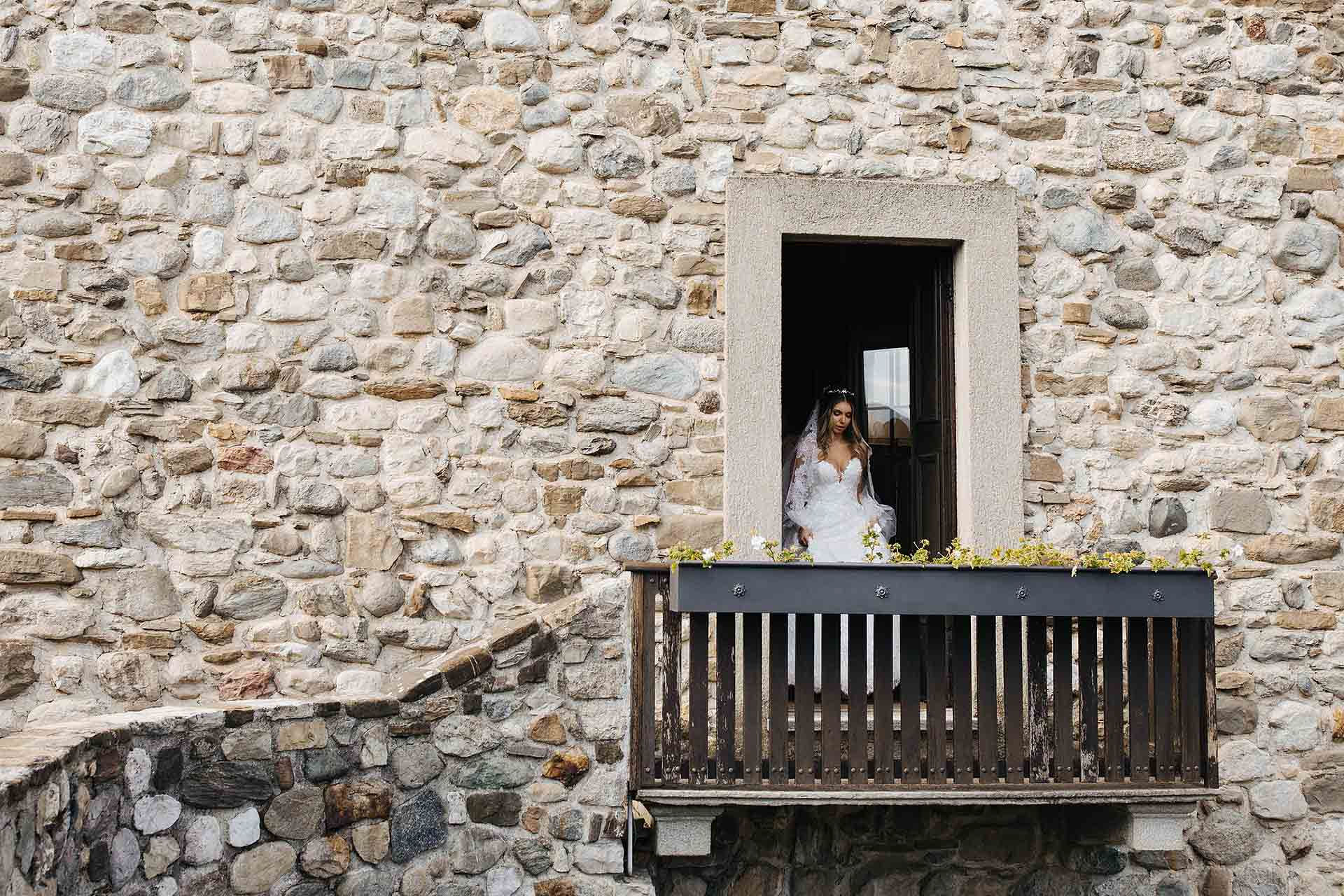
Cinematic venues possess features like tall French windows, formal gardens, and candlelit ballrooms that provide varied lighting and ambiance for memorable films. These architectural and natural elements give cinematographers multiple distinct visual environments within a single location, which translates directly into a richer, more layered film.
The relationship between venue aesthetics and wedding venue cinematic effects is straightforward. More visual variety within the venue means more storytelling options for the editor. A venue with only one usable space produces a film that looks repetitive. A venue with a stone courtyard, a light-filled chapel, and a candlelit reception hall produces a film with genuine visual depth.
| Venue Feature | Cinematic Effect |
|---|---|
| Tall French windows | Soft, directional natural light for flattering portraits |
| Formal gardens | Outdoor depth and texture for couple footage |
| Candlelit ballrooms | Warm, intimate atmosphere for reception scenes |
| Stone archways or corridors | Natural framing for editorial-style shots |
| Reflective surfaces (water, mirrors) | Creative compositional opportunities |
Scouting multiple distinct areas for filming ensures visual variety and richness across the final film. Imagestudio’s team always identifies at least three to five distinct cinematic spots during a venue walkthrough, treating each as a separate visual chapter in the story. You can see this approach in action in the Tuscany wedding film at La Grotte Resort, where the venue’s natural textures and light created a genuinely cinematic visual palette.
How can couples plan around venue features for better films?
How venue choice influences cinematography becomes most useful when couples act on it during the planning phase rather than after booking. The best wedding films come from couples who treat the venue walkthrough as a production meeting, not just a catering tasting.
Working with your cinematographer during venue scouting is the single highest-value step you can take. They will assess natural light at the time of your ceremony, identify acoustic risks, and flag any layout challenges before they become problems on the day. Drone footage adds another dimension to venue-based storytelling, capturing the scale and setting of the location in ways that ground-level cameras cannot.
Scheduling around golden hour is another concrete way to use the venue’s natural environment. The hour after sunrise and the hour before sunset produce the warmest, most cinematic natural light available. If your venue has an outdoor space, positioning couple portraits during golden hour costs nothing and adds a level of visual quality that no artificial lighting can replicate.
For couples choosing between intimate and grand spaces, the emotional impact differs significantly. Intimate venues with lower ceilings and softer acoustics naturally produce warmer, more personal films. Grand venues with high ceilings and large rooms produce more visually dramatic footage but require more technical planning for both lighting and sound. Neither is objectively better. The right choice depends on the story you want your film to tell.
Pro Tip: Request a pre-wedding scout visit with your cinematographer at least four weeks before the wedding. This gives enough time to coordinate with the venue on lighting, PA access, and any filming restrictions.
Key takeaways
Your venue is a production environment, and treating it as one from the planning stage is the most direct path to a wedding film that genuinely reflects the beauty and emotion of your day.
| Point | Details |
|---|---|
| Layout drives storytelling flow | Compact venues with close spaces allow smooth transitions and continuous narrative pacing. |
| Lighting quality is non-negotiable | Warm, steady light produces flattering footage; dim or shifting colored lights cause grain and clipping. |
| Acoustics determine speech clarity | Venues with long reverberation times muddy vows and speeches regardless of microphone quality. |
| Aesthetic variety enriches the film | Multiple distinct visual environments within one venue give editors more storytelling material. |
| Scout with your cinematographer | A pre-wedding walkthrough with your filmmaker prevents technical surprises and unlocks the venue’s best features. |
The acoustic problem nobody talks about
Most couples I work with spend months agonizing over floral arrangements and catering menus. Almost none of them have thought about reverberation time when they walk into a venue for the first time. That oversight costs more than any other single factor in the final film.
Indoor venues can be visually beautiful but acoustically hostile, causing overlapping speech despite good microphones due to prolonged sound reflections. I have filmed in stunning historic churches where the vows were nearly unusable in the edit because the stone walls turned every whispered word into a wash of echo. The footage was gorgeous. The audio was heartbreaking.
The fix is almost always available, but only if you plan for it. A PA line feed, a well-placed lavalier on the officiant, and a quick acoustic test during the rehearsal can transform the audio quality of the entire ceremony. The couples who get this right are the ones who asked their cinematographer about it six months before the wedding, not six hours before.
Venue intimacy also shapes the emotional register of the film in ways that are hard to quantify but impossible to miss. A small chapel with warm light and soft acoustics produces footage that feels close, personal, and emotionally immediate. A grand ballroom produces footage that feels epic and cinematic. Both are valid. But you should choose deliberately, knowing what each environment will produce on screen.
— Image Studio
Let Imagestudio turn your venue into a cinematic story
Every venue has a visual and acoustic personality. The difference between a good wedding film and a great one often comes down to how well the production team understands and works with that personality before the cameras roll.
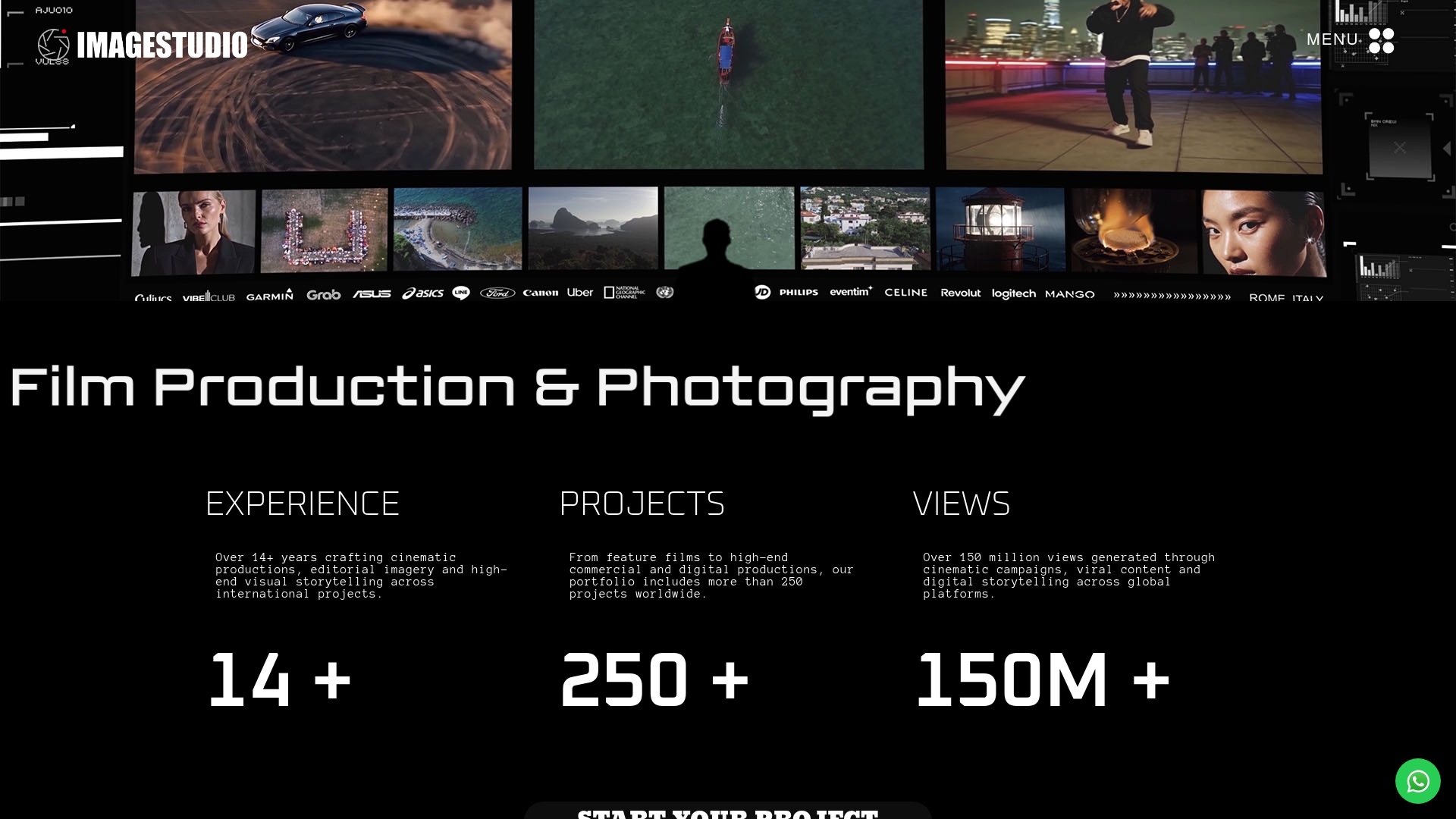
Imagestudio brings over 14 years of experience and a track record of 250+ projects to every wedding film, with a production approach that starts with your venue. From acoustic planning and lighting coordination to identifying the most cinematic spots on your property, the team treats your location as a creative asset. If you are ready to see what your venue can look like through a cinematographer’s lens, explore Imagestudio’s cinematic wedding film production services and start the conversation today.
FAQ
How does venue lighting affect wedding video quality?
Dim lighting forces higher camera gain, producing grainy footage, while shifting colored lights create inconsistent clips that are difficult to color-grade. Warm, steady lighting produces the most flattering and technically clean wedding video.
Why do venue acoustics matter for wedding films?
Reverberation indoors can make speech unintelligible on film even with professional microphones, because sound reflects off hard surfaces and layers echoes over the original voice. Requesting PA system access and testing the space early solves most acoustic problems.
What makes a venue good for wedding cinematography?
The best venues for wedding films combine natural light sources, multiple distinct visual environments, manageable acoustics, and a compact layout that supports smooth transitions between ceremony, cocktail hour, and reception.
Can LED uplighting damage wedding video footage?
Yes. Intense blue LED uplighting causes sensor clipping on cameras, permanently destroying image detail in those areas of the frame. Always review planned uplighting colors with your cinematographer before the wedding day.
When should couples involve their cinematographer in venue planning?
Couples should bring their cinematographer to the venue walkthrough at least four weeks before the wedding. This allows time to coordinate lighting, PA access, filming positions, and timeline adjustments that directly improve the final film.
