How to Plan Italian Countryside Wedding Photography: A Practical Guide
November 16, 2026
Get practical, step-by-step advice from an Italian wedding photographer on planning unforgettable countryside wedding photos: locations, permits, timing, and more.
If you picture your wedding photos set among vineyards, olive groves or wildflower meadows, you are not alone. Many couples are drawn to the Italian countryside for its unspoiled beauty and timeless atmosphere, but capturing those luminous, authentic images goes far beyond simply showing up with a camera. In fact, booking the perfect rural venue in Italy can mean planning 12 to 18 months in advance, and getting the permits and logistics right is as crucial as the view itself.
As someone who has photographed weddings across Tuscany, Umbria and the lakes, I have seen how careful preparation shapes every frame. This guide gives you straightforward steps for planning Italian countryside wedding photography: how to choose the best spots, what to budget for, when to book, and how to make the most of the light and landscape. Whether you dream of a golden hour portrait among cypress trees or candid moments in a hillside farmhouse, you will find practical tips to help you get the wedding photos you imagine.
1. Choosing the Perfect Countryside Locations: What to Consider
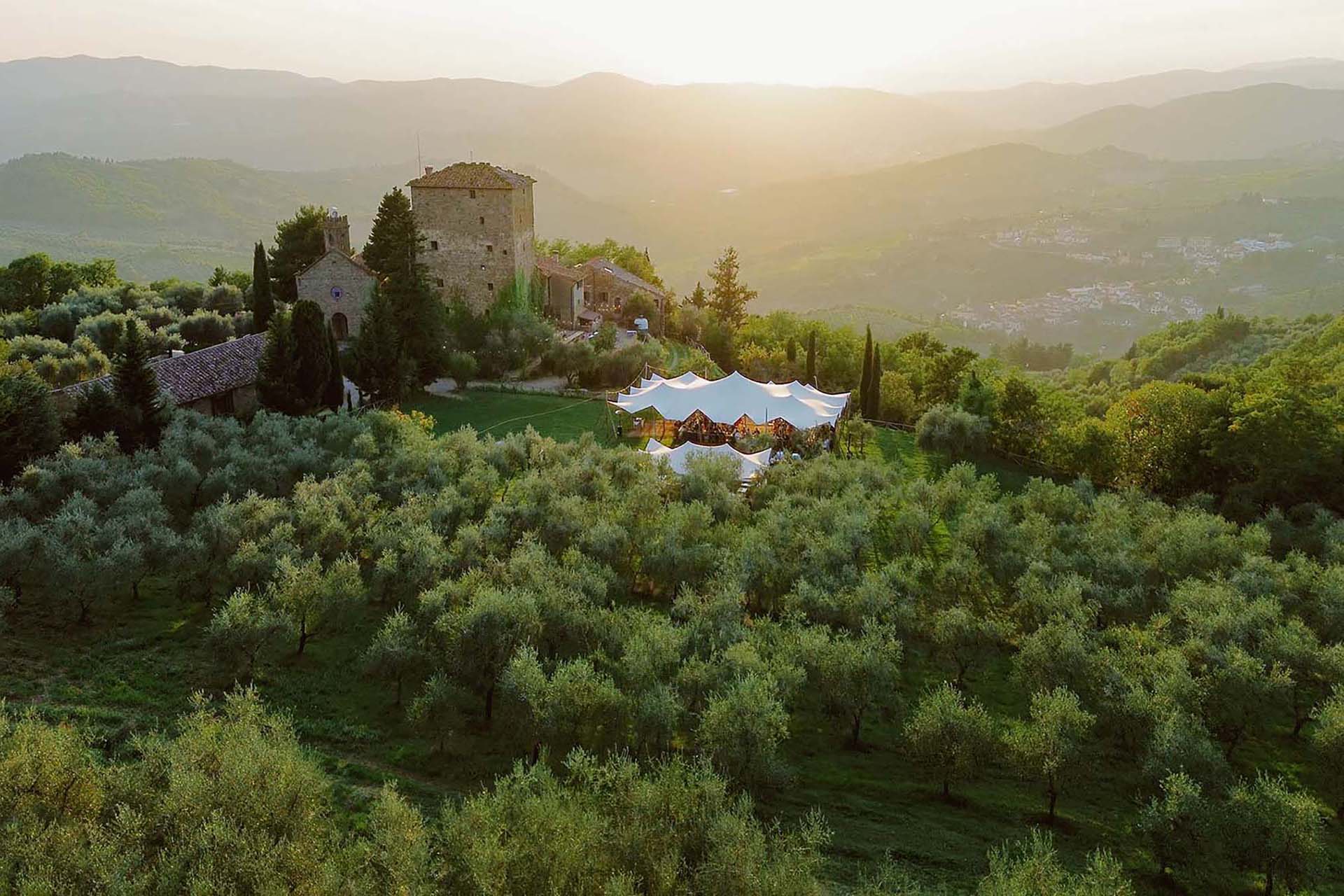
Location is the soul of Italian countryside wedding photography. The right setting shapes every photo, from the grand portraits to the quiet, candid moments. Start by narrowing your options to the places that truly fit your vision and practical needs. In Italy, you will find a wide range: private villas, rustic farmhouses, historic gardens, vineyards, olive groves, hilltop towns, and lakeside scenes. Each comes with its own beauty and its own logistics.
Private vs. Public Locations
Private venues like country villas or agriturismi are popular for their privacy and flexibility. You set the schedule, enjoy exclusive access, and rarely worry about crowds or tourists in your photos. Most private venues in Tuscany or Umbria allow you to roam the grounds for portraits, and many are open to creative use of their gardens, terraces, or even olive orchards. If you are hoping for drone shots, private venues are usually your best bet (though always ask, as some do have restrictions).
Public sites, think charming piazzas, historic gardens, or famous lakes, offer stunning backdrops but require more planning. Municipal permits are needed for photography in public spaces and are not just a formality. Permits cost about €150 to €500 per location, and you will need to apply 15 to 30 days in advance. Some iconic sites have their own special rules: for example, Lago di Braies allows a private pre-opening photo session for €600 (these slots book out early and drones are banned), while at Taormina’s Teatro Antico or Isola Bella, photo permits cost €300 per site and video permits €400, covering access for the couple, photographer, and one assistant.
Public locations can offer a unique sense of place but expect some limits on timing, access, and equipment (especially drones). These details directly affect your shoot, so clarify everything up front.
Permit and Access Checklist
Is the location private or public? If public, what permits are required and what is the cost?
How far in advance do you need to book and apply for permits?
Are there restrictions on photography hours, guest access, or equipment (like drones or lighting)?
Will you have exclusive access for portraits, or will the site be open to the public during your session?
Are there areas of the property that are off-limits, or especially recommended for photos?
Can you schedule a site visit or virtual tour to plan your shots in advance?
Does your photographer have experience with this location, or local insight into hidden photo spots and light conditions?
Consulting with your venue, planner, and an experienced local photographer (such as those at Image Studio) can help you visualize your session and avoid surprises. The right groundwork ensures your Italian countryside wedding photography is as beautiful and seamless as the landscape itself.
2. Planning Your Timeline: Seasons, Light, and the Best Moments
Best Months for Countryside Wedding Photos
When you plan an Italian countryside wedding, the season shapes everything: the look of the land, the comfort of your guests, and the quality of your photographs. In Tuscany and most rural regions, May and June bring lush greenery, mild weather, and average temperatures between 22 °C and 28 °C. These months also offer the longest golden hours, with sunset around 8:45 pm. Late September to early October paints the countryside in warm, softer light, often with cooler air and generous sunsets. Both periods are favorites for outdoor ceremonies and portraits.
The heart of summer (July and August) can be hot and harsh, especially at midday. If you’re considering these months, plan for shade and hydration. Spring and autumn, by contrast, give your photos softer colors and fewer crowds. Midweek weddings during these peak seasons can sometimes reduce venue costs by 10 to 20 percent.
A thought-out timeline makes the most of your wedding’s natural beauty and light. Start by working backward from sunset, since golden hour (the hour before sunset) is ideal for couple portraits. If sunset is at 8:45 pm, plan portraits from 7:45 to 8:30 pm, leaving time for a few relaxed, intimate moments.
Here’s a sample timeline for a full-day countryside wedding:
2:00 pm: First look or pre-ceremony portraits in shaded outdoor areas
3:00 pm: Ceremony (try for late afternoon if possible to avoid harsh sun)
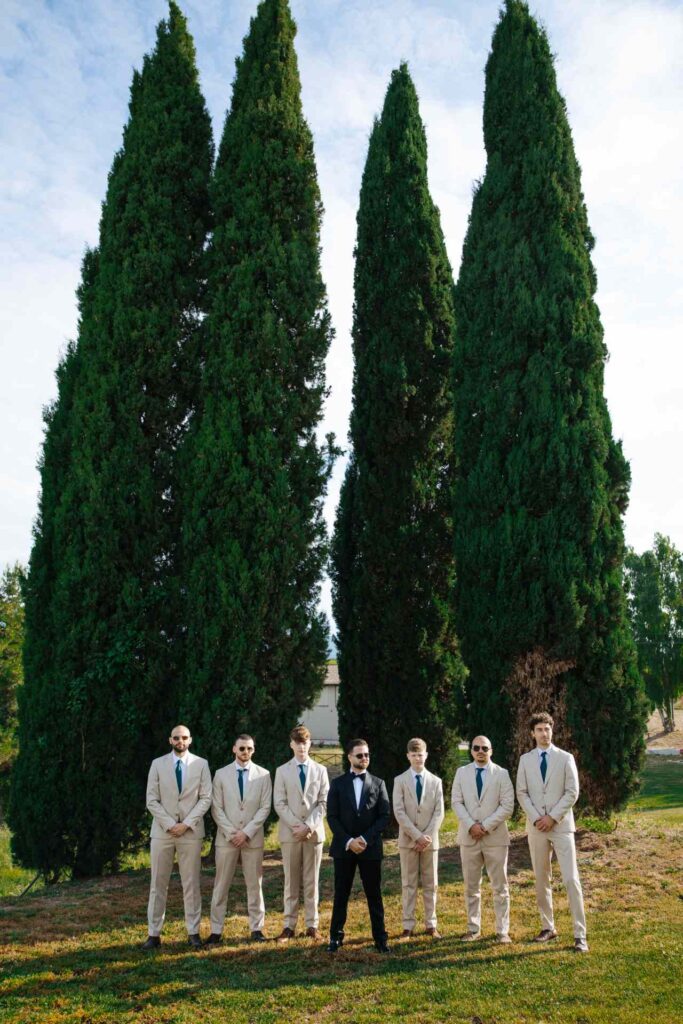
4:00 pm: Group and family photos, often in shaded spots or under trees
5:00 pm: Aperitivo/cocktail hour, perfect for candid guest shots and table details
7:00 pm: Dinner, speeches, and documentary-style moments
7:45 to 8:30 pm: Golden hour couple portraits and romantic walks
9:00 pm: Cake cutting and first dance as the light fades
10:00 pm: Evening festivities and night shots with lights or sparklers
To handle midday sun, keep portraits in shaded areas or indoors, and use softer fill light. If rain threatens, ask your photographer about covered spots or creative indoor options. When planning photos across multiple locations, factor in travel and shifting light. For practical advice, see planning photos across multiple Italian locations.
Italian countryside weddings are shaped by the rhythm of the land. With careful timing and flexibility, you’ll capture not just the landscape, but the light and mood that make your day unforgettable.
3. Budgeting for Countryside Wedding Photography: What to Expect
For most Italian countryside weddings, expect to invest between €2,500 and €6,500 for professional photography, depending on coverage and experience. In Tuscany, elopements or short ceremonies start at around €2,000. Full-day villa weddings with extensive coverage and creative direction can reach €6,500 or more. Destination photographers, especially those with an international portfolio, often quote €3,500 to €8,000 for a single day, with multi-day events rising well above €10,000.
A sample budget for a 30-guest countryside wedding, not including accommodation or VAT, typically allocates €2,500 to €5,000 for photography. Total wedding budgets for this guest count range from €15,000 to €40,000, making photography a significant but worthwhile portion.
Hidden and Extra Costs
Municipal permits: Public location permits run €150 to €500 per site, with 15 to 30 days’ notice usually required. For unique sites like Lago di Braies or Taormina’s Teatro Antico, expect €300 to €600 per session.
Drone usage: Drones are not universally allowed and may add €300 to €600 to your total. Always check with your venue and photographer in advance.
Travel and accommodation: If your chosen photographer is not local, you may need to cover travel, lodging, and meals for the team and assistants, especially in remote countryside areas.
Assistants or second shooters: For larger weddings or multi-location shoots, an assistant or second shooter may be necessary, adding to the cost.
When prioritizing your spend, focus on the value of experience and local knowledge. Countryside weddings can be logistically complex. A photographer who knows the area, the light, and the traditions will help you get timeless images and a smooth experience. At Image Studio we guide couples through these choices, but whoever you choose, invest time in matching your style and expectations to your photographer’s portfolio and approach.
4. Logistics and Communication: Making the Day Run Smoothly
Essential Communication Tips
Bringing your vision to life in the Italian countryside means more than booking a talented photographer. Rural settings come with unique hurdles: winding roads, private villa gates, or the need to move guests between hilltop ceremony sites and rustic reception barns. Clear communication with your photographer, planner, and venue is the backbone of a seamless day.
Start early by sharing your expectations and inspiration. Create a moodboard with images you love, these do not have to be only wedding photos, but can include landscapes, colors, or even film stills. A shot list for family and group portraits is helpful, but stay open to your photographer’s suggestions for candid moments and local details. Arrange a pre-wedding call or site visit (in person or virtual) to walk through the venue, discuss access points, and review your timeline together.
If your wedding spans multiple locations or involves remote countryside, confirm transport for the photography team. For some venues, access may be limited at certain hours, or require shuttle coordination. Ask if the venue or planner can provide a local assistant who knows the property well, especially if your photographer is traveling from another region. At Image Studio, we often collaborate with local vendors for smoother logistics and better access to hidden corners or private gardens.
For group photos, let your photographer know in advance about any older relatives or guests with mobility needs. Rural venues may have uneven paths or stairs. A walk-through helps pinpoint the best spots for group portraits that are both beautiful and practical.
Wedding Day Logistics Checklist
Confirm arrival and departure times for the photography team, plus any assistants or second shooters.
Share your detailed wedding timeline, including ceremony start, golden hour, dinner, and special traditions.
Ask about backup plans for rain or sudden weather changes, where can portraits be moved?
Provide a list of VIPs for group portraits, and choose a friend or coordinator to help gather them quickly.
Double-check all permits and access permissions, especially for public sites or drone use.
Discuss transport or shuttle arrangements for moving between ceremony and reception if needed.
Exchange emergency contacts for the day (planner, venue manager, photographer, driver).
Review any special requests or must-have shots at least one month before the wedding.
With clear planning and open communication, your Italian countryside wedding photography will run smoothly, leaving you free to enjoy the day and its surroundings.
5. Capturing Authentic Countryside Moments: Style, Candid Shots, and Traditions
Candid vs. Posed: What Works in the Countryside
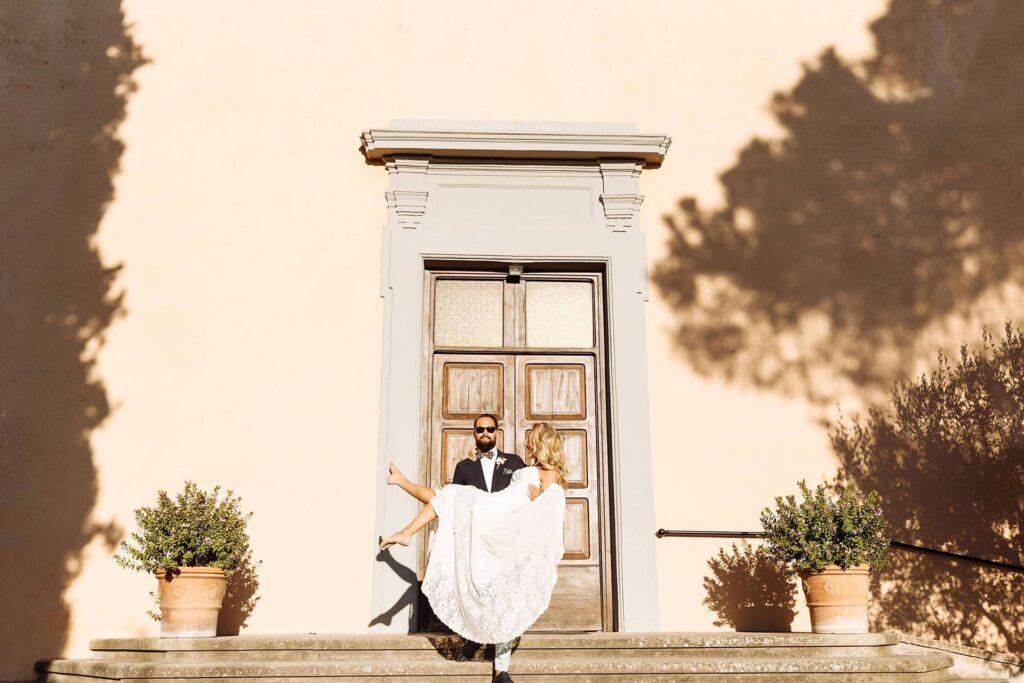
The Italian countryside is made for natural, story-driven wedding images. Open fields, soft hills, and rustic farmhouses invite you to move and interact with each other, not just stand and smile at the camera. When I work outdoors, I guide you through gentle actions instead of stiff poses. Think of walking hand in hand along a cypress lane, twirling in a vineyard, or stealing a quiet moment under an olive tree. These small movements create relaxed, genuine expressions that look and feel like you.
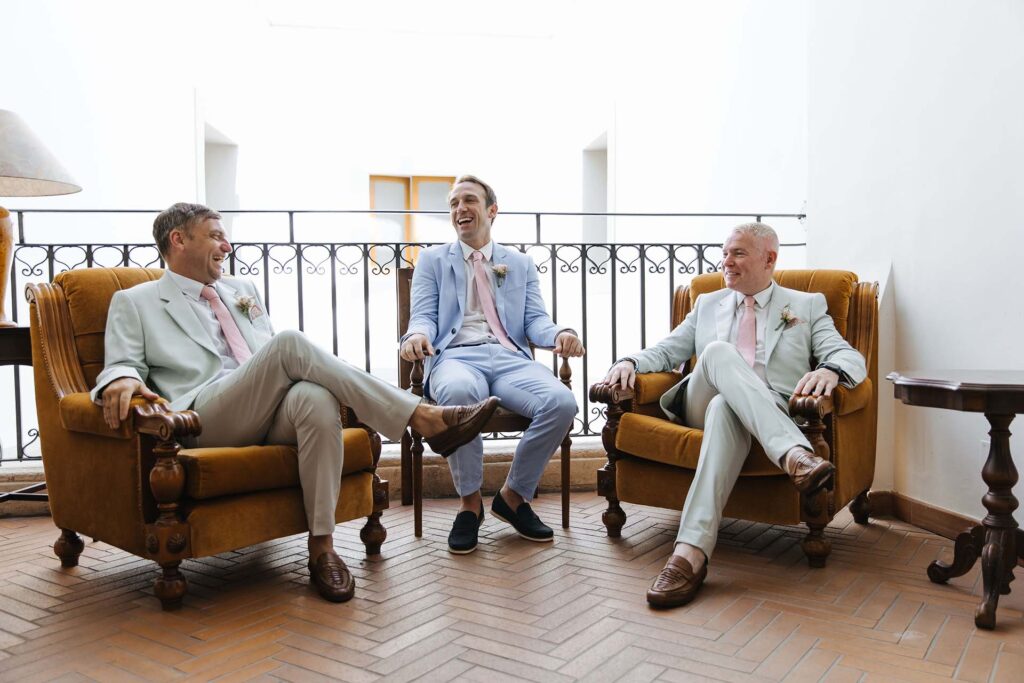
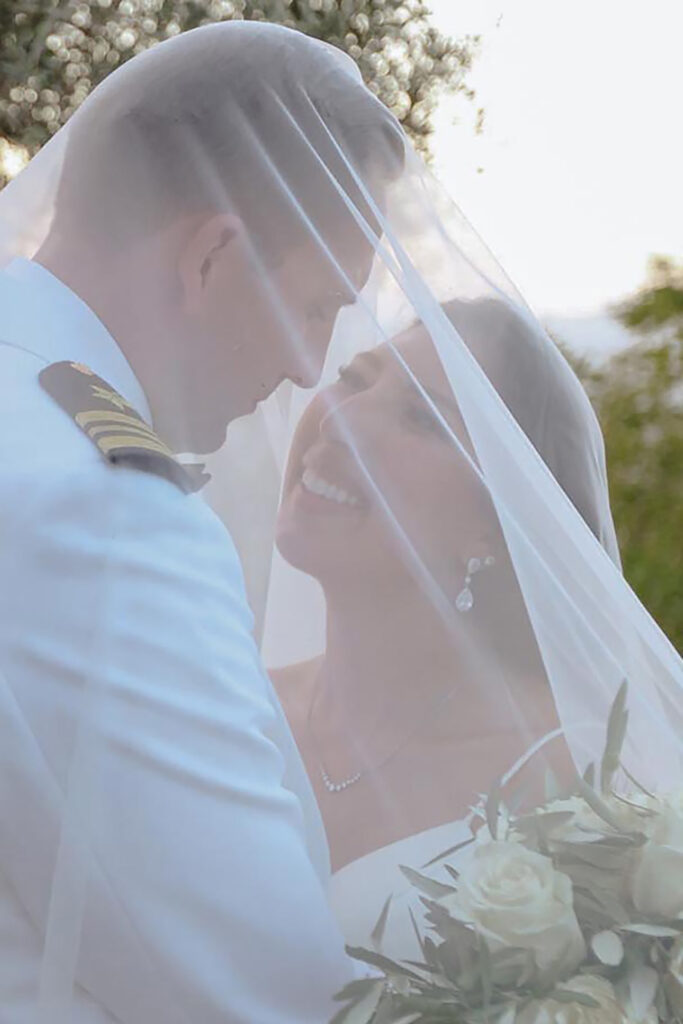
Formal portraits still have their place, especially for groups and family. The best approach is to schedule these early, when everyone is fresh, then let the day unfold naturally. Candid moments often happen between the formal shots: laughter during a toast, a breeze lifting your veil, or guests embracing under string lights. These are the frames that tell your story, not just what you looked like but how it felt to be there.
Including Local Traditions
The countryside offers countless ways to weave in Italian traditions and local details. You might include a blessing with olive branches in Tuscany, a confetti toss in Umbria, or a rustic aperitivo table with local cheese and wine. These touches are more than decorations, they root your celebration in a sense of place and history.
If you want to highlight regional customs or family rituals, share your ideas with your photographer and planner early. From the way you process to the ceremony to the music at your reception, each tradition is a chance for a meaningful photo. For inspiration, see our guide on including Italian traditions in your wedding photos.
How to Get the Most from Your Setting
Let your countryside location shape your photography. Walk the grounds together. Explore a wildflower meadow, a vineyard row, or a stone courtyard. Don’t be afraid to get your dress a bit dusty or your shoes grassy. Some of the most compelling images come from movement and spontaneity.
To feel comfortable in front of the camera:
Focus on each other, not the lens. Talk, laugh, share a private joke.
Take breaks from posing, wander, dance, or sip a drink together.
Trust your photographer to guide you and capture the in-between moments.
Your images will reflect the real spirit of your day only if you feel at ease and present. If you want to discuss your vision or have questions about countryside wedding photography, reach out to Image Studio for guidance shaped by experience in Italy’s most beautiful rural settings.
How far in advance should we book our countryside wedding photographer in Italy?
You should book your countryside wedding photographer 12 to 18 months before your wedding date. This gives you the best chance to secure your preferred photographer, especially if your wedding is during the popular months of May, June, or early autumn.
Are there restrictions on where we can take wedding photos in rural areas?
Yes, there can be restrictions, especially at public sites like gardens, piazzas, or lakes. Municipal permits are often required, costing around €150 to €500 per location, and you need to apply 15 to 30 days in advance. Some venues also limit access to certain areas or have specific rules about photography hours and equipment.
Can we use a drone for aerial wedding photos in the countryside?
Drone use is possible at some rural venues, but it is not allowed everywhere. You need permission from the venue, and there is often an extra fee of €300 to €600. Some iconic sites, such as Lago di Braies, ban drones entirely, so always check with your venue and photographer in advance.
What happens if it rains on our wedding day in the countryside?
If it rains, your photographer will look for covered spots or creative indoor options for portraits and group photos. It's a good idea to discuss backup plans with your photographer and venue ahead of time, so you are prepared to adapt the timeline and locations if the weather changes.
How do we organize group photos with guests spread across a large venue?
Share a list of VIPs and group combinations with your photographer before the wedding, and choose a friend or coordinator to help gather people quickly. A pre-wedding walk-through of the venue helps identify the best spots for group photos that are both beautiful and easy to access, especially if some guests have mobility needs.