Compare wedding video packages from Essential to Luxury, including coverage hours, pricing, filming styles, deliverables, and expert tips to help you choose the right wedding videography package for your day.
Wedding video packages fall into four primary tiers: Essential, Standard, Premium, and Luxury. Each tier differs by coverage hours, team size, editing style, and what you actually receive on delivery day. Understanding these differences before you book saves you from paying for coverage you don’t need or, worse, missing moments you can’t recreate. This guide breaks down every major package type, the most popular wedding videography styles, and exactly what to look for when comparing your options.
1. Wedding video package types explained: the four core tiers
Wedding videography packages are tiered into four primary categories, each with distinct coverage lengths and price ranges. Knowing where each tier starts and stops helps you match your budget to your actual wedding day needs.
Package Tier
Coverage
Team
Price Range
Essential
6–8 hours
Single videographer
$1,500–$2,500
Standard
8–10 hours
1–2 videographers
$2,500–$4,500
Premium
10–12 hours
Multi-camera team
$4,500–$8,000
Luxury
12+ hours
Full crew + editor
$8,000–$15,000+
The Essential tier covers getting ready through the first dance. It suits smaller weddings with a tight guest list and a single venue. Standard packages add a second shooter and a polished highlight film. Premium and Luxury tiers bring multi-camera setups, longer coverage, and extras like same-day edits.
Pro Tip:If your ceremony and reception are at different venues, budget for at least a Standard package. A single videographer cannot cover two locations simultaneously without missing key moments.
2. The hybrid style: why most couples choose it
The hybrid videography style blends cinematic and documentary techniques and is the most popular approach among professional videographers. It gives you the emotional, music-driven edits of a cinematic film alongside the honest, real-time storytelling of a documentary.
Here is a quick breakdown of the five main styles you will encounter:
Cinematic: Dramatic angles, color grading, and a film-like look. Best for grand venues and formal weddings.
Documentary: Chronological, candid, and minimal staging. Captures events as they happen.
Hybrid: Combines cinematic editing with documentary coverage. The most versatile and widely used style.
Storytelling: Non-linear narrative structure, often built around vows or speeches as voiceover.
Vintage: Film grain, warm tones, and a nostalgic aesthetic. A niche choice for couples who love a retro feel.
“Emotional storytelling in wedding films often matters more than technical gear. The videographers who capture key emotional beats produce films couples rewatch for decades.”
Style affects how your film feels to watch five or ten years from now. A cinematic edit looks stunning on first viewing but can feel stylized over time. A documentary or hybrid film tends to age better because it preserves the real texture of your day.
3. What you actually receive with each package
Deliverables vary more than most couples expect. Standard packages commonly include 5–8 minute highlight films, while Luxury packages add full feature films running 10–20 minutes plus social media teasers sized for Instagram and TikTok.
Here is what each tier typically delivers:
Package
Highlight Film
Feature Film
Social Teaser
Raw Footage
Essential
Short (3–5 min)
No
No
Add-on
Standard
Yes (5–8 min)
No
Sometimes
Add-on
Premium
Yes (5–8 min)
Yes (10–15 min)
Yes
Add-on
Luxury
Yes
Yes (15–20 min)
Yes
Sometimes included
Raw footage is a separate conversation. Raw footage requires careful storage and editing expertise, and many high-end studios do not include it by default. It is not a polished product. Think of it as uncut, ungraded clips that need significant work to be watchable. If you want it, ask upfront and expect to pay extra.
Pro Tip:Ask your videographer for their delivery timeline in writing. Standard packages typically deliver in 8–12 weeks. Luxury packages with same-day edits deliver the highlight reel the night of your wedding, but the full feature film still takes weeks.
4. Same-day edits and why they cost so much
Same-day edits require a dedicated onsite editor working in real time while the wedding is still happening. That logistical complexity is the reason Luxury packages range from $8,000 to $15,000 and above. You are not just paying for a faster turnaround. You are paying for an additional crew member, specialized fast-edit software, and the pressure of delivering a polished film within hours.
Same-day edits are typically 3–5 minutes long and screened at the reception, often during dinner or the first dance. They create a genuinely memorable moment for guests. If that experience matters to you, it belongs in your budget conversation from day one.
5. Audio quality as a package differentiator
Packages under $2,500 often rely on the camera’s built-in microphone. Higher tiers use lavalier microphones clipped to the officiant and groom, plus a direct feed from the venue’s sound board. That difference is enormous when you watch your film back.
Poor audio turns a beautiful ceremony into a frustrating viewing experience. You can barely hear the vows, the officiant’s words are muffled, and the toasts sound like they were recorded in a tunnel. Professional wireless microphone setups start appearing consistently in packages priced around $3,000 and above. If your vows and speeches matter to you, and they should, treat audio quality as a non-negotiable.
6. How to match your package to your venue and wedding scale
Large ballrooms and grand venues suit cinematic multi-camera setups, while small, intimate weddings benefit from candid documentary styles for authenticity. Venue size directly affects which camera setups work and which styles land well on screen.
A cinematic style in a small backyard wedding can feel forced. A documentary style in a 500-person ballroom can miss the visual scale of the space. Match your style to your setting, not to what looked good on someone else’s Pinterest board. Venue and cinematography are deeply connected, and the best videographers will tell you this before you even ask.
7. How to evaluate a videographer before you book
Watch full-length wedding films before booking, not just highlight reels. Full films reveal pacing, coverage consistency, and how a videographer handles less glamorous moments like cocktail hour or the cake cutting. Highlight reels are curated to impress. Full films show you the real work.
Ask these specific questions during your consultation:
How many cameras do you use at each package tier?
What microphone setup do you use for ceremony audio?
What is your delivery timeline for each deliverable?
Do you offer raw footage, and what does it cost?
Can I see a full-length feature film from a wedding similar in size to mine?
These questions separate experienced videographers from those who rely on a polished reel to close bookings.
8. Short wedding video packages: what to know
Short packages, often called Essential or Basic tiers, are not automatically a compromise. They work well for elopements, micro-weddings, and couples who genuinely only want a highlight film to share online. The key is knowing what you are giving up. A single videographer covering 6–8 hours cannot be in two places at once. You will likely miss candid guest moments, the full getting-ready sequence, or the last hour of dancing.
If your wedding is small and your priority is a beautiful 3–5 minute film, a short package delivers real value. If you have a large guest list, multiple venues, or a long reception, it will leave gaps you will notice later.
Key Takeaways
The right wedding video package matches your coverage needs, venue scale, and style preferences to a specific tier and videographer, not just a price point.
Point
Details
Four core tiers exist
Essential, Standard, Premium, and Luxury differ by hours, team size, and deliverables.
Hybrid style is most popular
It blends cinematic editing with documentary coverage for versatile, rewatchable results.
Audio quality defines tiers
Professional wireless mics appear consistently in packages priced $3,000 and above.
Raw footage costs extra
It is rarely included by default and requires editing expertise to be useful.
Watch full films before booking
Full-length films reveal consistent quality; highlight reels show only the best moments.
My honest take on picking the right package
Couples almost always focus on price first and deliverables second. That order should be reversed. I have seen couples book an Essential package for a 200-person wedding and spend years wishing they had captured more. I have also seen couples pay for Luxury coverage at a 30-person elopement and receive a film that felt overproduced for the intimacy of the day.
The most common misconception I encounter is that a longer film equals better value. A tight, emotionally resonant 6-minute highlight film will get rewatched far more than a 20-minute feature that drags through every toast. Ask your videographer what they recommend for your specific wedding size and venue before you decide on a tier.
Style is the other thing couples underestimate. Selecting a cinematic style because it looks stunning on Instagram without considering your venue is a real risk. Candid, documentary-style coverage often produces the most emotionally honest films, especially for smaller, personal weddings. The films that make couples cry on their tenth anniversary are rarely the most technically polished ones. They are the ones that captured the real moments.
— Image Studio
Imagestudio’s approach to wedding film packages
Imagestudio brings over 14 years of film production experience to every wedding project, with a portfolio spanning 250+ productions and more than 150 million views worldwide. The studio’s work has earned recognition from prestigious film festivals and includes collaborations with clients like National Geographic.
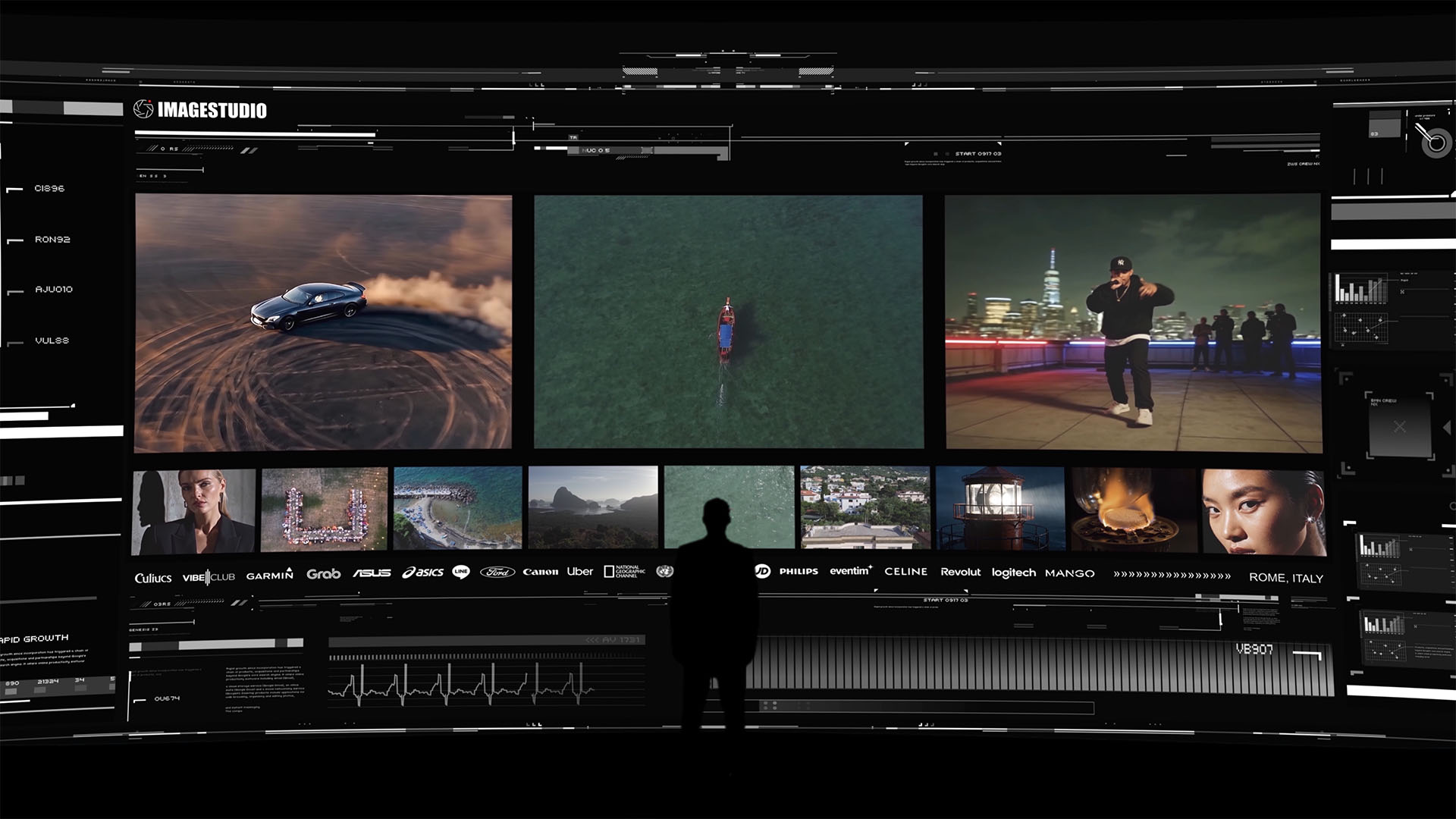
A high-end cinematic portfolio experience by Image Studio featuring automotive visuals, aerial cinematography, urban storytelling, and premium brand collaborations.
For couples seeking a truly cinematic wedding film, Imagestudio offers customizable packages built around your venue, style, and coverage priorities. Whether you want a short social teaser or a full-length feature film, the team shapes each package to your vision. Explore Imagestudio’s wedding film production services to see full portfolio examples and discuss which package tier fits your day.
FAQ
What are the four main wedding video package types?
The four main types are Essential, Standard, Premium, and Luxury. They differ by coverage hours, team size, editing style, and deliverables like highlight films or same-day edits.
What is included in a standard wedding video package?
Standard packages typically include 8–10 hours of coverage, one to two videographers, and a 5–8 minute highlight film. Social media teasers are sometimes included but are more common in Premium tiers.
Why is raw footage usually an add-on?
Raw footage is unedited, ungraded, and requires significant storage and editing expertise to use. Most studios exclude it from standard packages because it is not a finished product.
How do I choose between cinematic and documentary styles?
Match your style to your venue. Large, formal venues suit cinematic multi-camera setups. Intimate or outdoor weddings benefit from documentary or hybrid styles that capture candid, authentic moments.
What does a same-day edit include?
A same-day edit is a short 3–5 minute film assembled and screened at your reception on the wedding day itself. It requires a dedicated onsite editor and is typically available only in Luxury packages priced at $8,000 and above.