How to Plan an Amalfi Coast Wedding Photoshoot: Photographer’s Guide
November 16, 2026
A practical, photographer’s guide to planning your Amalfi Coast wedding photoshoot: timing, locations, logistics, and creative advice for authentic images.
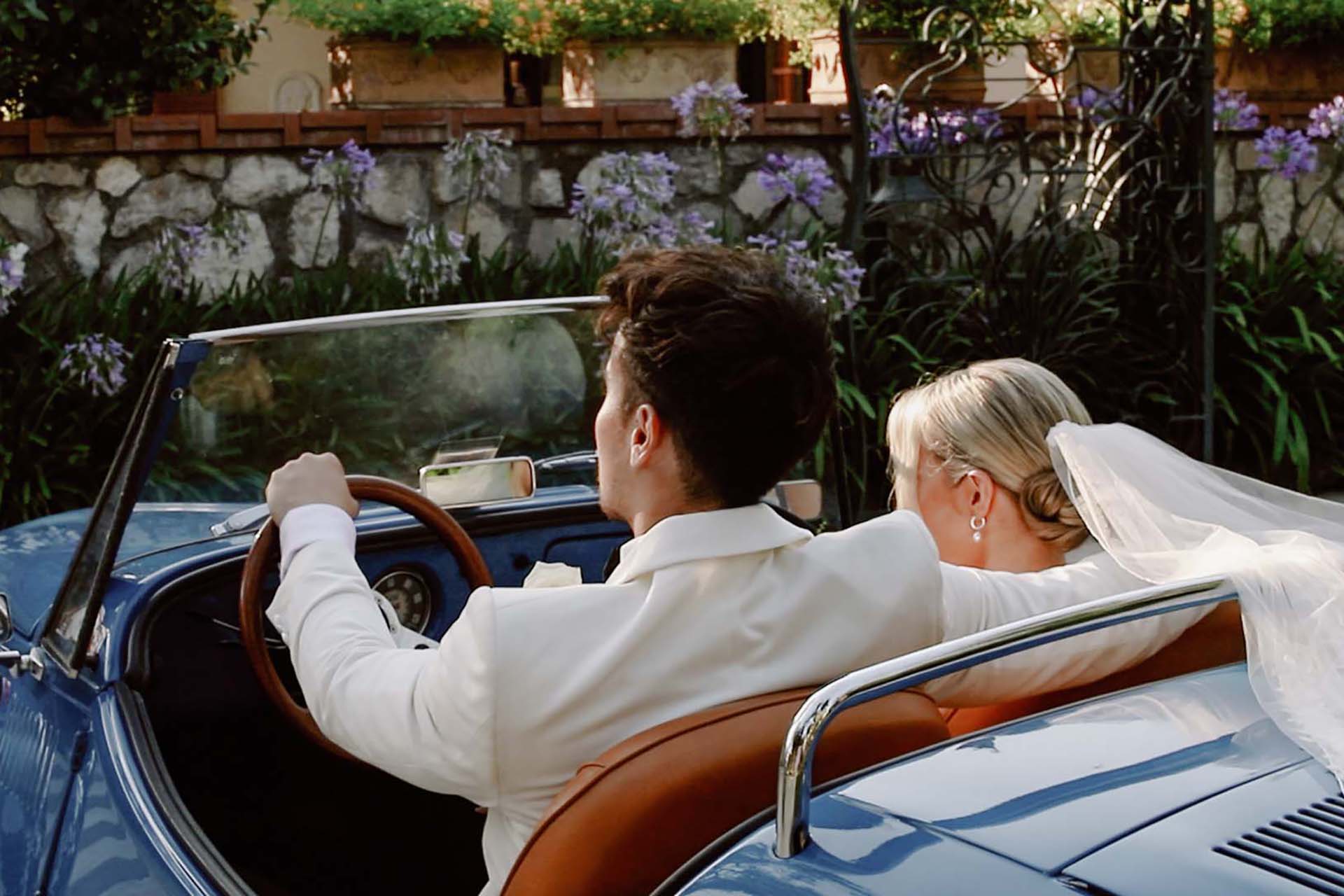
Planning a wedding on the Amalfi Coast means stepping into a landscape of cliffs, lemon groves, and villages that seem made for photographs. But if you want your wedding gallery to capture more than just scenery, a little insider know-how goes a long way. The best Amalfi Coast wedding photography balances iconic views with the intimate, unrepeatable moments between you and your partner, and that takes careful timing, an eye for hidden corners, and an understanding of local logistics.
As someone who has photographed couples in Positano’s winding alleys, Ravello’s gardens, and Amalfi’s sunlit piazzas, I can tell you that every successful shoot starts well before the camera comes out. This guide is here to help you plan each step, from booking the right time of year and day, to navigating crowded roads or securing a boat, right through to the details of permits and working with your photographer. Every tip here is built on real experience, tailored for couples who want their photos to feel as vivid and personal as the day itself.
Whether you’re dreaming of a sunrise elopement, a multi-location adventure, or a classic wedding at a historic villa, you’ll find practical answers here to make your Amalfi Coast wedding shoot seamless, and unmistakably yours.
1. Choosing the Best Time and Light for Amalfi Coast Wedding Photos
Best Months for Photos
The Amalfi Coast changes with the seasons, and timing your wedding photoshoot can make all the difference in comfort and style. The best months for Amalfi Coast wedding photography are late April through early June and October. In these windows, temperatures hover between 18 and 24 °C (64 to 75 °F). The air is fresh, bougainvillea is blooming, and the villages are lively but not overwhelmed by crowds. July and August bring higher temperatures, up to 29 °C, and busy streets. Late spring and autumn are gentler on everyone: you, your guests, and your photographer.
A May or early June wedding often means dry days and the brightest Mediterranean colors. October brings softer light, slightly cooler air, and a quieter coastline. These months also give you more flexibility with locations, as popular spots are less likely to be crowded or booked out for other events.
Golden Hour vs. Harsh Light
Golden hour is your best friend for intimate, glowing portraits. On the Amalfi Coast, this magical light runs from about 6:30 to 8:00 PM in summer, and from 5:00 to 6:30 PM in October. The sun dips behind the western cliffs, bathing Positano, Ravello, and Amalfi in a warm, peach-toned light that flatters every scene.
Midday, however, is less forgiving. Between about 10:30 AM and 3:30 PM from May to September, the sun is high and the light is harsh. Shadows fall sharply, colors can look washed out, and everyone squints. If you want outdoor portraits, plan to avoid this window or seek shaded gardens and terraces.
Weather on the Amalfi Coast is usually kind, but it pays to be ready. June is the driest, with as little as 16 mm of rain. By September and October, rainfall increases (48 to 70 mm), so have a plan for covered spaces at your venue, or flexible timing on the day.
If you are set on outdoor shots, talk with your photographer about possible backup locations and timing. In the height of summer, especially July and August, plan for heat: choose morning or evening slots, bring water, and keep cool during breaks. Building a realistic timeline that considers light, crowds, and weather will help you enjoy the shoot and get results that feel true to the coast.
2. Location Scouting: Iconic Spots and Hidden Corners
Positano vs. Amalfi vs. Ravello
Each town along the Amalfi Coast has a distinct personality and offers its own photo opportunities. Positano is famous for its pastel cliffside houses and the sweeping view from Spiaggia Grande. The main beach and the iconic cascade of homes are striking, especially at golden hour. However, expect heavy crowds and steep stairs; most memorable spots mean a bit of a climb.
Amalfi, the namesake town, offers dramatic sea views and the grand cathedral steps, perfect for those who want a blend of history and ocean. The town’s central piazza is lively, but with some planning, you can find quieter alleys just a few minutes’ walk away. Amalfi’s compact core makes it easier to move between locations, though parking and drop-off logistics take time.
Ravello sits high above the coast, surrounded by gardens and terraces. Villa Cimbrone and Villa Rufolo are the classic choices, both offering panoramic views and elegant architecture. Ravello is less crowded, especially in the mornings, and many locations are accessible with short walks, though some venues require advance permission for photography.
Boat Shoots: Pros and Cons
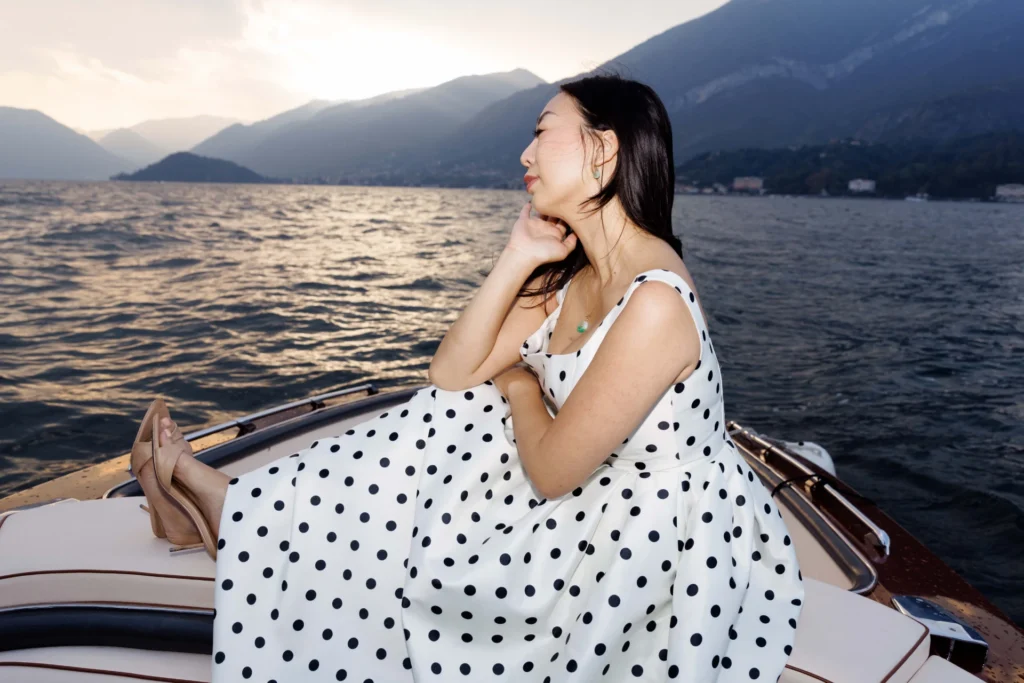
A private speedboat shoot brings a fresh perspective: you get shots of the coastline, hidden coves, and dramatic cliffs that are impossible from land. Expect to pay around €360 for a two-hour private boat from Positano, or €680 for a longer four-hour session. Keep in mind the rules for boats near shore: you must stay at least 200 meters from beaches and 100 meters from cliffs, and the speed limit is 5 knots within 300 meters of the coast. Boat shoots are fantastic for privacy and for sunset or sunrise light, but can be less practical if you want to include specific towns or landmarks in your photos.
Hidden Corners Worth Considering
For variety and a sense of intimacy, look beyond the postcard spots. In Positano, climb above the main road to find quiet lanes with flower-draped arches. In Amalfi, seek out the quiet cloisters or lemon terraces. Ravello has shaded lanes away from the villas. Early morning is best for privacy, especially in peak season.
If you want to plan wedding photos in multiple Italian locations, the Amalfi Coast presents both rewards and challenges. Moving between towns on the same day is possible, but road traffic in summer can be daunting. Sometimes, it’s better to focus on one area and explore its hidden corners deeply, rather than rushing between landmarks. Talk with your photographer about what matters most to you, and build in time for both the icons and the quiet moments in between.
3. Navigating Transport, Timing, and Local Logistics
Road vs. Boat: Getting Around
Expect major traffic on the SS163 coast road, especially in July and August. Transfers between towns like Positano, Amalfi, and Ravello can take much longer than maps suggest. Parking is limited, and hotel valets can take extra time to retrieve your car.
Consider private boat transfers for both practicality and scenery. Boats avoid traffic jams, and the views from the water give a new angle on the coastline for photos. Private speedboats are available from Positano and Amalfi. They cost around €360 for 2 hours or €680 for 4 hours, and local rules require boats to stay 200 m from beaches and 100 m from cliffs.
Plan your route in advance and share it with your photographer. Each Amalfi Coast town has its own quirks, so knowing your stops in advance helps everyone stay relaxed and prepared.
Timing Buffers and Delays
Build generous time buffers into your schedule. In summer, even short drives can double in duration due to congestion. If you have a ceremony, reception, and photos in different locations, allow extra time for each transfer.
For walking, expect stairs and narrow lanes. You and your guests may need to climb steps or walk hilly paths, especially in Positano and Ravello. Choose comfortable shoes and let your photographer know if anyone in your group needs help with mobility.
Start early or late for the smoothest experience. Early mornings and evenings mean less crowded streets, easier transfers, and softer light for photos.
Logistics Checklist
Confirm transfer times with drivers or boat captains the day before.
Share your detailed timeline with your hotel, planner, and photographer.
Pack essentials for the day (shoes for stairs, water, sunblock, touch-up kit).
Discuss backup plans for rain and delays with your photographer.
Arrange meeting points for group photos, since phone signal can be patchy.
Let your Image Studio team know about any surprises, like a boat arrival or a special family portrait spot.
With a little planning, you can relax and enjoy the Amalfi Coast’s beauty without the stress of traffic or missed moments. Logistics here are unique, but a thoughtful approach, and a local photographer who knows the terrain, make all the difference.
4. Permits, Drones, and Local Rules: What You Need to Know
Drone Use: Rules and Realities
The Amalfi Coast’s dramatic cliffs and pastel villages seem made for aerial photos, but drone use is tightly regulated. Most towns, including Positano, Amalfi, and Ravello, ban drone flights over their historic centers. Even outside these zones, Italy’s ENAC rules apply: drone operators must register their aircraft, hold insurance, keep the drone within line of sight, and never fly above 120 meters. You cannot take off or land on public beaches or crowded plazas. Flights near cliffs or beaches must respect buffer zones: at least 100 meters from cliffs and 200 meters from beaches.
For any commercial shoot (including wedding photography), you need more than just the pilot’s certificate. Local authorities require formal requests and, in many cases, additional municipal permits. Expect the process to take at least several weeks, especially in high season.
Municipal Permits: When and How
Shooting in public spaces, think the main piazza in Amalfi, the marina in Positano, or the gardens of Ravello, means dealing with the local comune (municipal office). Each town sets its own rules and fees. For many locations, you must apply in writing, submit details about your shoot (date, time, number of people, equipment), and sometimes provide proof of insurance.
Fees for commercial filming and photography can vary widely. Some towns charge only a small administration fee, while others may ask several hundred euros for access to iconic spots. Permits for drones add extra cost and paperwork. Always start this process as soon as you set your date. In some cases, approval takes two to four weeks, and last-minute requests may be denied, especially during festivals or peak months.
Working with Your Photographer
A local photographer who knows Amalfi Coast wedding photography will handle most of these logistics. At Image Studio, for example, we coordinate with local authorities, process paperwork, and advise you on what is possible, and what is not. Still, you play a key role: your photographer will need a signed contract, your identification details, and sometimes a brief shoot description for permit applications.
If you dream of a drone shot or a session in a busy piazza, discuss it early. Your photographer can explain what permissions are realistic and help you choose alternatives if access is restricted. Some couples prefer private villas or hotel terraces, which may not need municipal permits, ask your venue for policies.
In short, tackling permits and local rules may seem daunting, but with early planning and the right team, you can focus on enjoying your wedding day while your photographer captures every angle the Amalfi Coast has to offer.
5. Working with Your Photographer for Authentic Amalfi Coast Images
Sharing Your Vision
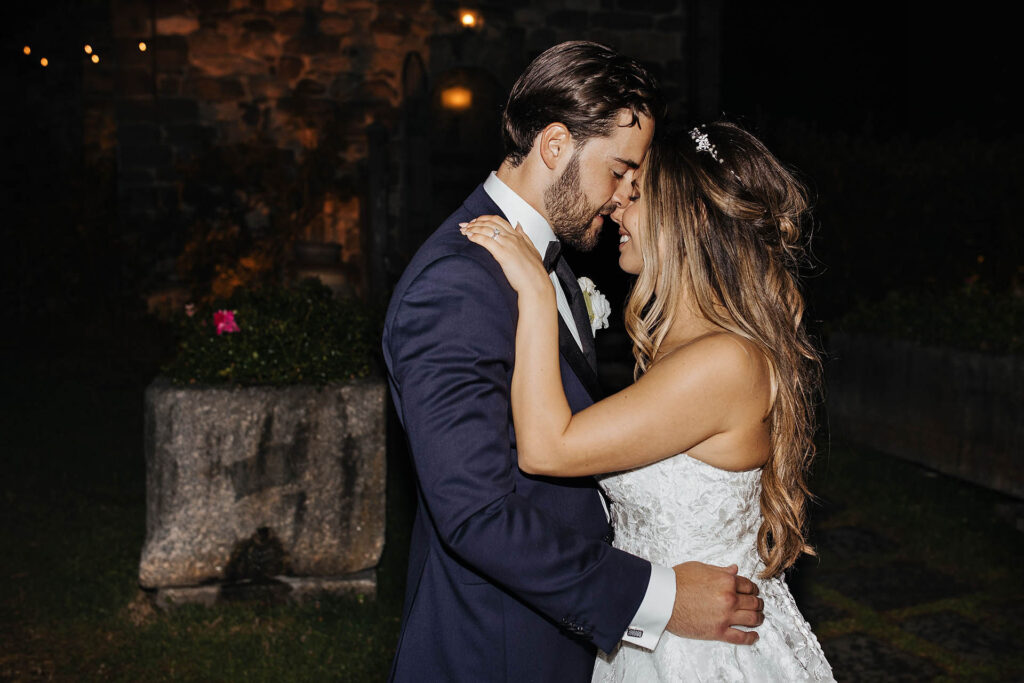
The first step in creating wedding images that truly reflect your story is open communication. Before the wedding, share your vision with your photographer. Is there a certain mood, color palette, or detail that matters to you? Perhaps you are drawn to candid moments at the cliff’s edge, or maybe you dream of classic portraits with the dramatic coastline as your backdrop. Bring inspiration photos if you have them, but also describe why you love those images. This helps your photographer understand not just what you want, but how you want to feel looking back at your wedding day.
Clarity about priorities is key, especially in a place as visually rich as the Amalfi Coast. Do you want to focus on the two of you, or include more family moments? Are there specific locations, like the gardens of Ravello or a pastel Positano staircase, you want featured? If you are unsure where to start, a guide to creating a wedding photography shot list can help you organize your ideas.
Adapting to the Amalfi Coast
The Amalfi Coast’s light and rhythms are unique. Ask your photographer how they adapt their style to the local environment. A seasoned professional will suggest the best timing for each location, recommend how to use golden hour, and guide you away from harsh midday sun. Discuss their approach to working around crowds, and how they handle unexpected changes, like a sudden rain shower or a busy piazza.
It’s also wise to talk about flexibility. Sometimes the most memorable images happen when you simply follow the light or change plans on the fly. Trust your photographer’s local knowledge: if they suggest a quiet alley over a famous landmark, it’s usually for a good reason.
Getting Comfortable in Front of the Camera
If you feel relaxed and present, your photos will look natural. A pre-shoot meeting or a casual scouting walk before the day is invaluable. You can explore corners of Amalfi or Positano together, get used to being photographed, and build trust. This shared time allows your photographer to notice how you interact and what puts you at ease, leading to more authentic images.
In busy areas, your photographer might use subtle cues to help you ignore the crowd or find moments of calm. Sometimes, a bit of waiting or a short detour makes all the difference. The goal is to keep the experience joyful and unhurried, even if the world is bustling around you.
If you are planning your wedding on the Amalfi Coast and want images that feel true to you, start with an honest conversation and a collaborative approach. Reach out to a studio like Image Studio early, and make time for those first walks together. This way, you can focus on each other, knowing your memories are in good hands.
How far in advance should we book an Amalfi Coast wedding photographer?
For full wedding days during peak season from May to October, it is best to book your photographer 6 to 12 months in advance. If you are planning an elopement or want a sunrise or sunset slot, aim for 6 to 9 months ahead, as these times fill quickly.
What should we wear for an Amalfi Coast wedding photoshoot?
Choose outfits that feel comfortable and suit the setting, light, breathable fabrics work well in the Mediterranean climate. Soft colors and classic styles photograph beautifully against the coast’s pastel villages and lush gardens, and comfortable shoes are a must for walking on steep paths and cobblestone streets.
Can we include family and friends in a multi-location shoot?
Yes, you can include family and friends in your shoot, but keep in mind that moving between towns on the Amalfi Coast can take longer than expected, especially in summer. Plan a realistic schedule with your photographer, allowing extra time for transfers and group coordination.
Are sunrise photoshoots possible and worth it on the Amalfi Coast?
Sunrise photoshoots are absolutely possible and often worth it. Early mornings offer soft light, cooler temperatures, and much quieter streets, giving you privacy and a relaxed atmosphere for intimate portraits.
What happens if it rains on our wedding shoot day?
Rain is rare in late spring and early summer, but more likely in September and October. If the weather turns, your photographer will help you adjust the timing or move to covered locations, having a backup plan in place ensures you still capture beautiful moments, rain or shine.