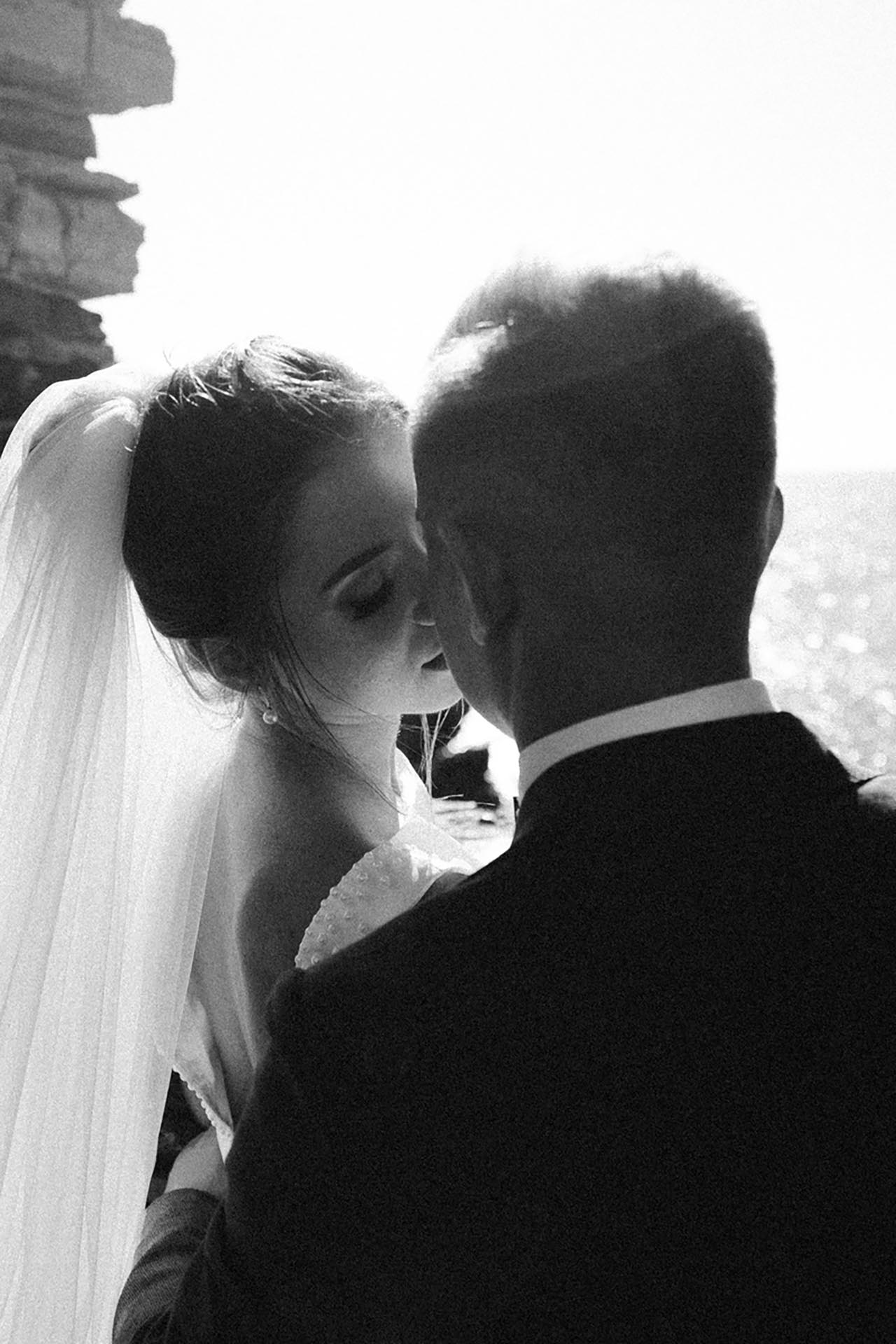
Learn how a wedding film narrative arc transforms wedding footage into a cinematic story using a three-act structure, authentic audio, non-linear editing, and emotional storytelling that creates a timeless wedding film
A wedding film narrative arc is the deliberate emotional structure that transforms raw footage into a cinematic story, guiding viewers from anticipation through ceremony to celebration. Unlike a simple event recording, a narrative structure in wedding films prioritizes emotional depth over chronological order. The industry term for this approach is the three-act structure, borrowed directly from screenwriting and applied to wedding videography. Understanding what is a wedding film narrative arc helps you make smarter decisions when choosing a videographer, briefing your team, and shaping the film you will watch for decades. This guide breaks down every element so you can walk into that conversation with confidence.
What is a wedding film narrative arc, and why does it matter?
A wedding film narrative arc is the emotional journey structure that moves viewers from the first frame to the last with purpose and feeling. It is not a highlight reel. It is not a chronological recap. It is a crafted story with a beginning, a middle, and an end, each phase carrying its own emotional weight.
The three-act structure gives the film its backbone. Act one builds anticipation, showing the couple getting ready, the nervous energy, the quiet moments before everything begins. Act two delivers the emotional climax through the ceremony, the vows, the first look. Act three releases that tension into joy during the reception and closes with intimacy and reflection. Without this structure, footage feels like a collection of beautiful but disconnected clips.
The narrative arc also focuses on the couple’s relationship themes rather than just the day’s events. That distinction matters because it is what makes a film feel personal rather than generic. A film built around a shared theme, like a couple’s love of travel or their long-distance story, resonates far longer than one that simply documents the timeline.
What are the main components of a wedding film narrative arc?
The three acts each carry specific emotional responsibilities, and understanding them helps you recognize what your videographer is building toward.
Act one: Anticipation and buildup
The opening act captures the emotional energy before the ceremony begins. Getting-ready footage, quiet glances, nervous laughter, a parent’s tearful hug. These moments set the emotional tone. They tell the viewer who these people are before the big moment arrives.
Act two: The climax
The ceremony is the narrative peak. Authentic audio from vows and speeches is what separates a narrative film from a visual montage. The words spoken at the altar carry the story forward. Without them, the film loses its emotional core and risks feeling like a disconnected series of pretty shots.
Act three: Resolution and celebration
The reception brings joyful release. Toasts, first dances, candid laughter, and quiet moments between the couple at the end of the night all serve as the story’s resolution. The best films close on a reflective note, a final image or sound that lets the emotion settle.
The beginning builds emotional investment through anticipation and personal detail.
The middle delivers the story’s peak through authentic vows and ceremony moments.
The end resolves the tension into joy and quiet intimacy.
Each act connects to the couple’s personal story, not just the event’s schedule.
Pro Tip:Ask your videographer how they plan to open and close your film. Their answer will tell you immediately whether they think in narrative terms or simply in chronological ones.
How do videographers create a wedding film narrative arc?
Professional wedding film storytelling relies on a set of specific techniques that most couples never see coming. The most powerful of these is non-linear editing.
Non-linear scene arrangement. Most couples expect a film that follows the day from morning to night. Skilled videographers deliberately rearrange footage to build emotional tension. Overlaying audio from a late-night toast over pre-ceremony footage, for example, creates foreshadowing that deepens the viewer’s connection to both moments.
Authentic audio as the narrative driver. Voiceovers from personal letters, vows, and speeches are layered over footage that may not be from the same moment. This technique builds emotional payoff because the words carry meaning that visuals alone cannot deliver.
Slow-motion sequences. Slow motion does more than look cinematic. It forces the viewer to sit with a moment, to feel it rather than just see it. A slow-motion shot of a father walking his daughter down the aisle holds the viewer in that emotion for twice as long as a real-time clip.
Thematic editing. Scenes are linked by recurring visual or emotional themes rather than by time. A shot of intertwined hands during the vows might echo an earlier shot of the couple holding hands during getting-ready footage. These connections create a sense of cohesion that feels intentional and deeply personal.
Emotional pacing and transitions. The film’s rhythm controls how the viewer feels at each stage. A fast cut sequence during the reception creates energy. A long, quiet shot after the vows creates space for emotion. Emotional transitions guide the viewer from excitement to nerves to joy to reflection without jarring shifts.
Pro Tip:When you review your videographer’s portfolio, pay attention to how they handle transitions between scenes. Smooth emotional pacing is a skill that separates good films from great ones.
The role of post-production in shaping these techniques cannot be overstated. Editing is where the narrative arc is actually built.
What makes a narrative-style wedding film different from other styles?
Wedding videography broadly divides into two camps: narrative style and visual style. Understanding the difference helps you choose what fits your personality and how you want to experience your film years from now.
Narrative-style films prioritize real moments and authentic dialogue. They are designed as a slow-burn experience that invites viewers to listen deeply and engage emotionally. They preserve real sounds and emotions rather than fast-paced montages. Visual-style films prioritize aesthetic shots, cinematic color grading, and music-driven editing. They are beautiful and energetic, but they often sacrifice emotional depth for visual impact.
Feature
Narrative style
Visual style
Primary focus
Authentic emotion and dialogue
Aesthetic beauty and music
Audio use
Vows, speeches, letters as narrative drivers
Background music, minimal dialogue
Editing approach
Non-linear, thematic, emotionally sequenced
Chronological or music-driven montage
Viewer experience
Slow-burn, deeply engaging, requires attention
Fast-paced, visually stimulating
Legacy value
Timeless emotional record of the relationship
Stunning visual keepsake
Narrative films ask more of the viewer. That is not a flaw. It is the point. A film that requires you to listen and feel is one you will return to again and again, not just watch once for the pretty shots. Cinematic wedding video benefits go beyond aesthetics precisely because of this emotional depth.
How can couples enhance their wedding film narrative arc?
Couples shape the quality of their narrative arc long before the wedding day. The videographer can only work with what they know and what they capture.
Brief your videographer on meaningful relationship themes. Sharing recurring emotional themes before the shoot enables the videographer to look for those threads throughout the day. A couple who met while hiking might want outdoor moments woven through the film. A couple with a long-distance story might want the reunion moment at the altar treated as the emotional centerpiece.
Identify your key audio moments in advance. Tell your videographer which vows, letters, or speeches carry the most personal weight. Authentic audio is the foundation of a strong narrative arc. Without it, the film loses its emotional cohesion.
Point out bridge moments. Bridge moments are scenes that connect thematically to other parts of the day. A family toast that echoes a theme from the vows, for example, gives the editor a powerful connection to build on. Communicating these ahead of time improves narrative coherence significantly.
Allow unscripted moments to happen. The most powerful narrative moments are rarely planned. Encourage your wedding party to act naturally. Ask your family not to pose for the videographer. Real emotion is what makes a narrative film work.
Be present. The camera captures what is actually happening. Couples who are fully in the moment give their videographer authentic material to build a real story around.
Why the narrative arc is the most underrated part of wedding planning
Most couples spend months choosing flowers and almost no time thinking about how their film will be structured. That is a missed opportunity.
A wedding film built on a strong narrative arc does something a photo album cannot. It lets you hear the voices, feel the pacing, and relive the emotional arc of the day in real time. Fifteen years from now, you will not remember the centerpieces. You will remember how it felt when your partner said your name during the vows. A narrative film captures that.
The non-linear approach surprises most couples when they first see it. They expect a morning-to-night recap and instead get a film that opens with a quiet moment from the end of the night, then pulls them back to the beginning. That structure is not accidental. It is designed to create the same emotional tension a great short film creates. Moments every wedding film needs are not just the obvious ones. They are the quiet, in-between moments that give the story its texture.
The couples who get the most from their films are the ones who treat their videographer as a storytelling collaborator, not just a vendor. That relationship starts with a conversation about narrative structure before the wedding day.
— Image Studio
Imagestudio’s approach to cinematic wedding storytelling
Imagestudio brings over 14 years of experience and 250+ projects to every wedding film, with work that has reached over 150 million views across global audiences. The studio’s approach to cinematic wedding film production centers on authentic storytelling, clean audio capture, and the kind of thematic editing that makes a film feel timeless rather than dated.
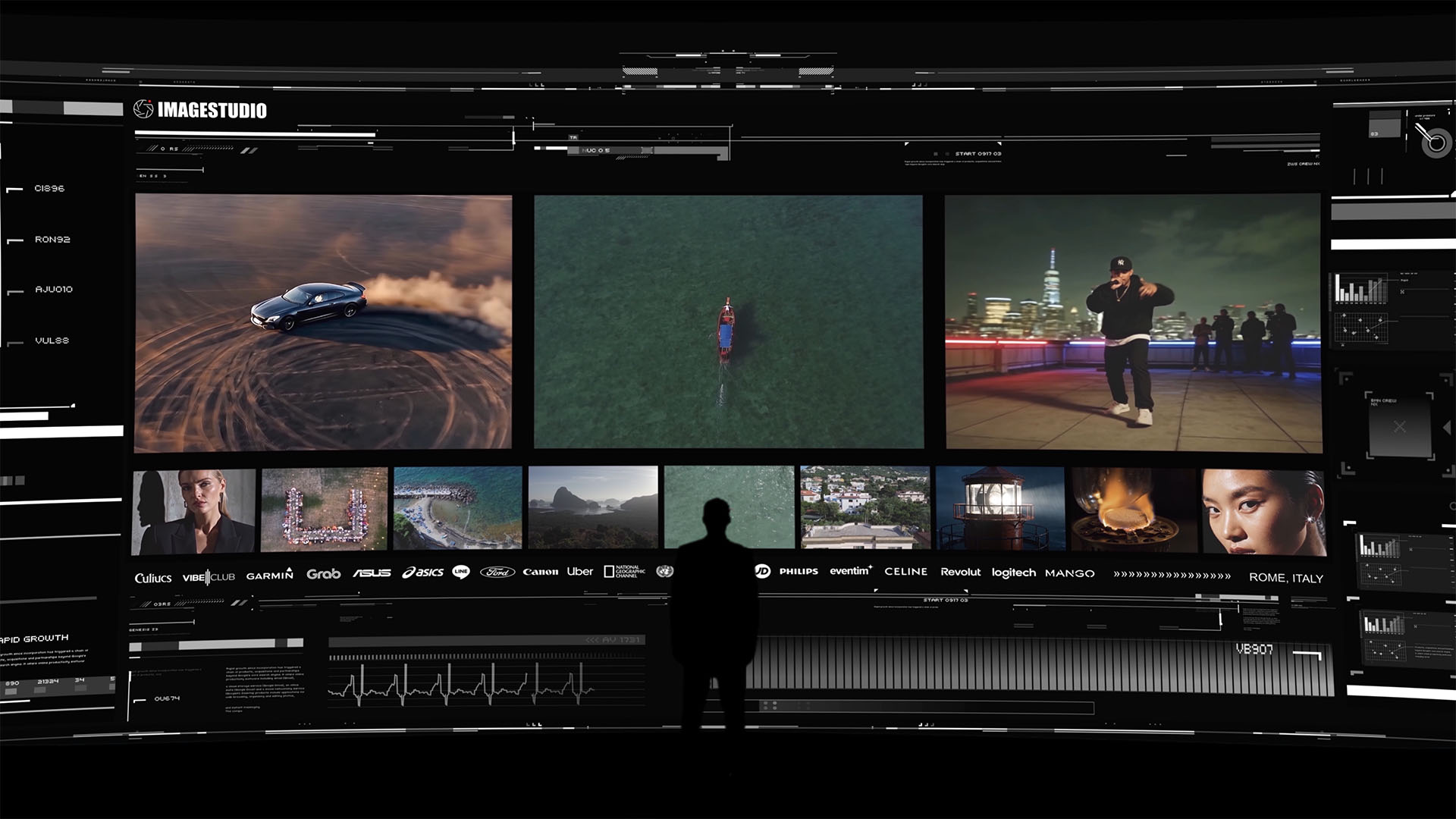
A high-end cinematic portfolio experience by Image Studio featuring automotive visuals, aerial cinematography, urban storytelling, and premium brand collaborations.
Every Imagestudio wedding film is built around the couple’s unique story, not a template. The team works closely with couples before the wedding day to identify the emotional themes, key audio moments, and bridge scenes that will shape the narrative arc. The result is a film that holds up not just as a beautiful keepsake, but as a genuine piece of cinematic storytelling. If you want a wedding film that tells your real story, Imagestudio is the place to start.
Key takeaways
A wedding film narrative arc is the emotional structure that separates a cinematic story from a simple event recording, built on authentic audio, thematic editing, and a deliberate three-act progression.
Point
Details
Three-act structure
Every strong wedding film moves through anticipation, climax, and resolution with purpose.
Authentic audio is foundational
Vows, speeches, and personal letters drive the narrative and create emotional cohesion.
Non-linear editing deepens impact
Rearranging footage by emotional theme rather than timeline creates stronger storytelling tension.
Couples shape the arc
Briefing your videographer on themes and bridge moments significantly improves narrative quality.
Narrative films have lasting value
Films built on real emotion and dialogue remain meaningful far longer than visual montages.
FAQ
What is a wedding film narrative arc?
A wedding film narrative arc is the deliberate emotional structure that guides viewers through a story with a beginning, middle, and end. It prioritizes authentic moments and emotional depth over a simple chronological record of the day.
How is a narrative wedding film different from a highlight reel?
A highlight reel presents the best visual moments in sequence, while a narrative wedding film uses non-linear editing, authentic audio, and thematic connections to build an emotional story. The narrative approach creates a deeper, more lasting viewer experience.
What role does audio play in wedding film storytelling?
Authentic audio from vows, speeches, and personal letters is the foundation of a strong narrative arc. Without real dialogue and sound, a film risks feeling like a disconnected visual montage with no emotional core.
How can couples help their videographer build a stronger narrative arc?
Couples can share meaningful relationship themes, identify key audio moments, and point out bridge scenes before the wedding day. This communication gives the videographer the material needed to craft a deeply personal story.
Does a narrative wedding film have to follow the day in order?
No. Narrative wedding films often use non-linear editing, placing scenes out of chronological order to build emotional tension and thematic connections. This approach is a deliberate storytelling choice, not an oversight.